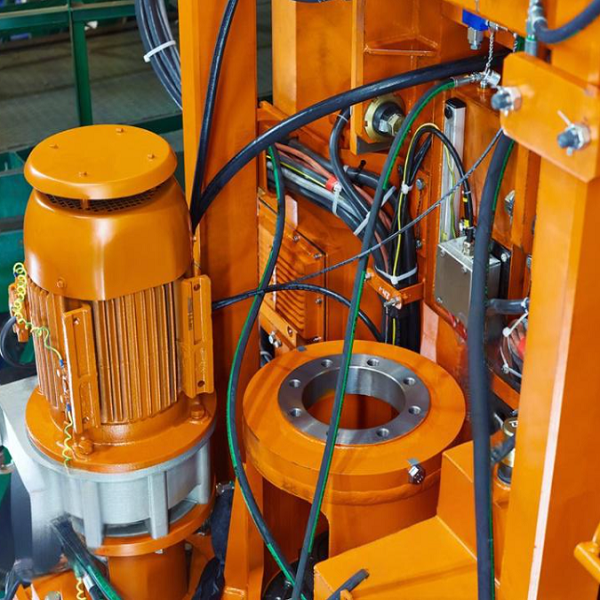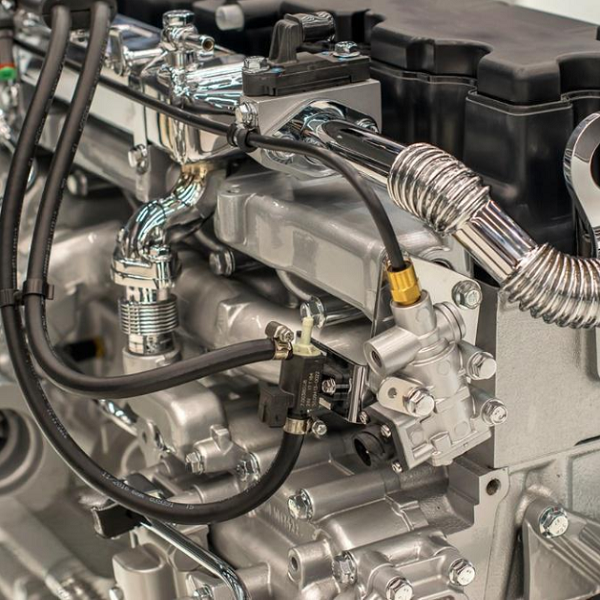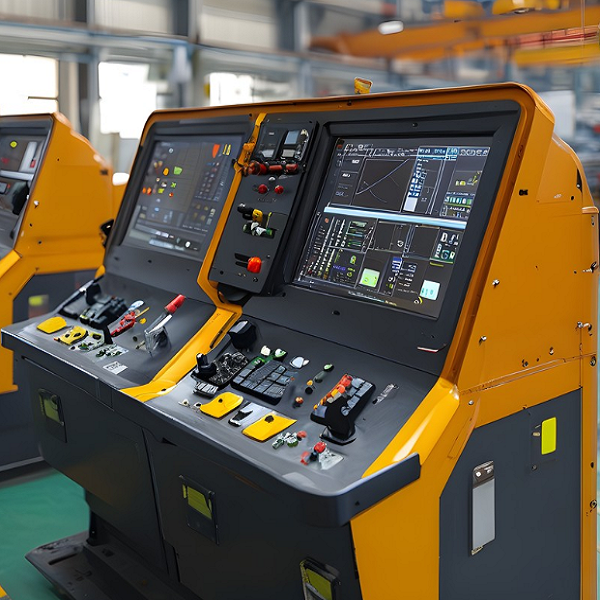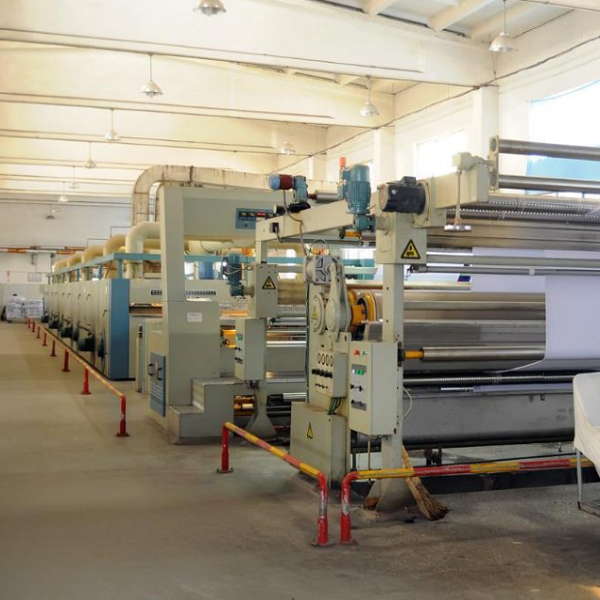
Advanced Manufacturing & Technical Expertise
Customization & Service Flexibility
Superior Product Quality & Precision
Reliability & Competitive Value
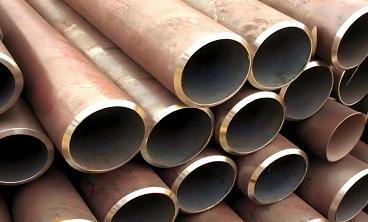
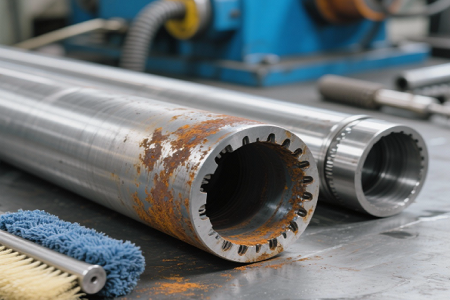
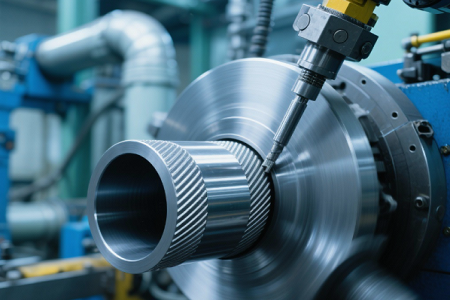
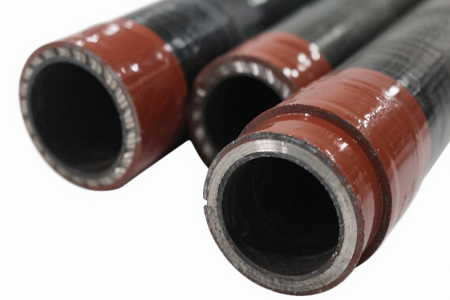
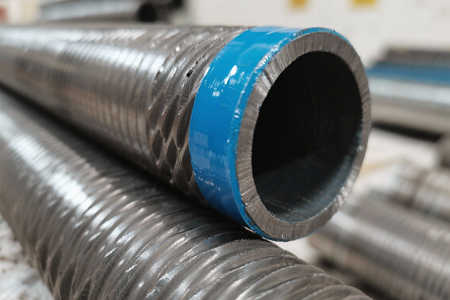
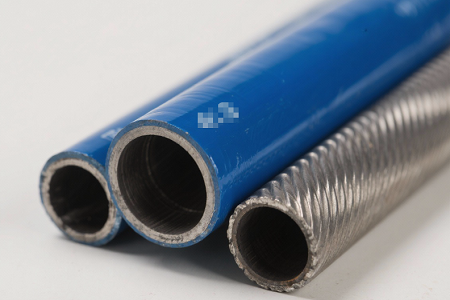
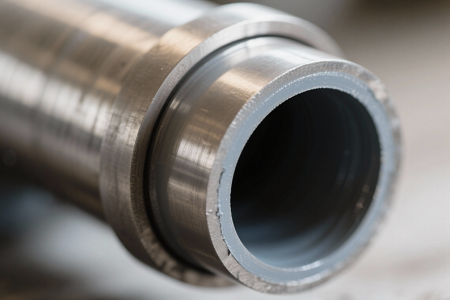
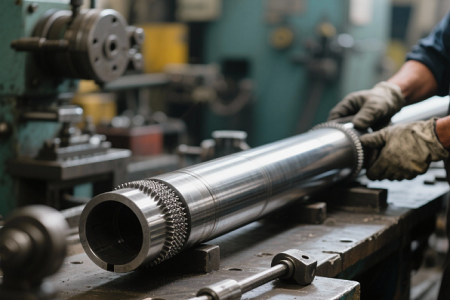
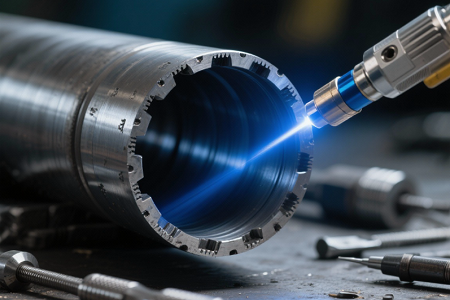
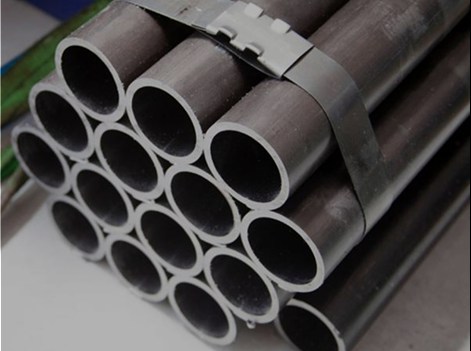
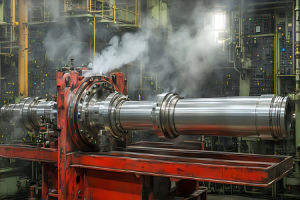
Honed tube, as the name suggests, refers to seamless steel tubes produced through the precision machining process of honing. Honing is an ancient surface finishing method that is experiencing new vitality in modern manufacturing. It utilizes a honing head equipped with an oilstone grinding head to perform low-speed rotation and reciprocating motion on the inner surface of a workpiece. This combined motion micro-grinds the metal surface, removing machining marks left by previous processes and achieving extremely high geometric accuracy and surface quality.
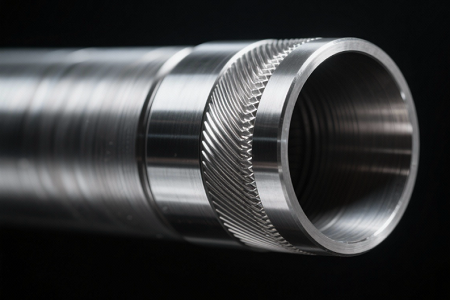
The core value of honed tubes lies in elevating the performance of ordinary seamless steel tubes to a whole new level. The inner surface of high-quality honed tubes is no longer simply smooth; it features a unique, uniform, and interwoven network of textures. These tiny grooves not only reduce the contact area between the friction pairs but also effectively store lubricant, ensuring smoother reciprocating motion, reducing wear, and improving sealing. Therefore, honed tubes are far more than just ordinary steel tubes; they are precision components designed to withstand demanding operating conditions.
The manufacture of high-quality honed tubes is an art that blends materials science with precision machining technology. The manufacturing process typically includes the following key steps:
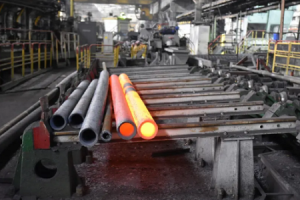
First, material selection and preparation. Seamless steel tube blanks are typically produced through cold drawing or hot rolling, using high-quality carbon structural steel, alloy steel, or stainless steel as raw material. The purity, uniformity, and mechanical properties of the material itself are the foundation of the final honed tube quality.
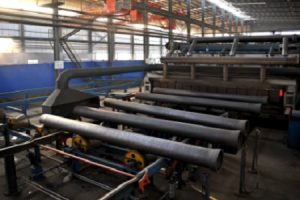
Secondly, pretreatment is performed. The rough tube undergoes normalizing and straightening to eliminate internal stresses and improve microstructural uniformity, laying a stable foundation for subsequent processing.
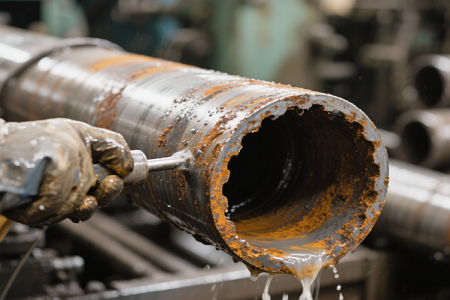
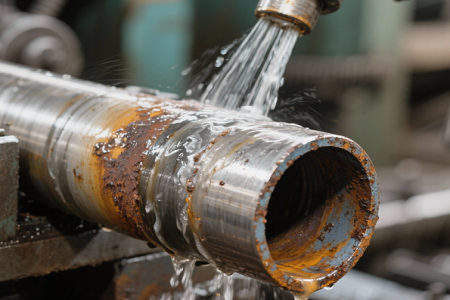
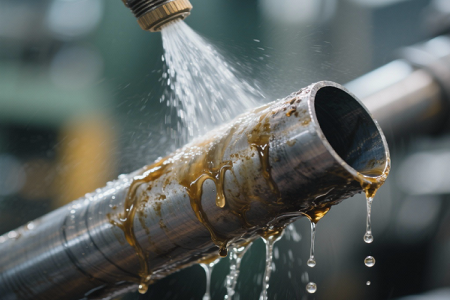
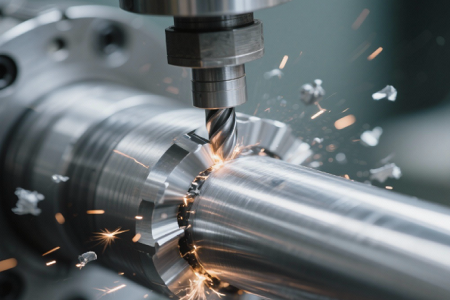
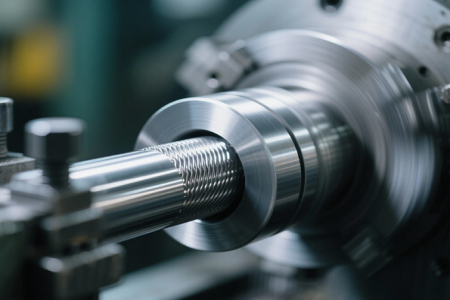
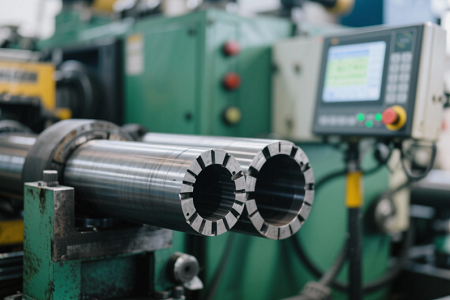
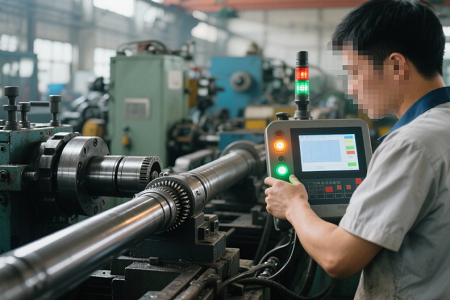
Next, internal bore honing begins. This process is performed on a dedicated honing machine. A honing head equipped with an oilstone grinding wheel is precisely controlled to penetrate the tube at a set pressure, speed, and stroke, “ploughing” the inner wall. The key to this process lies in “micro-grinding,” which gradually corrects the roundness, cylindricity, and dimensional deviations of the inner bore while achieving the desired surface texture. Coolant is crucial throughout the entire machining process, effectively dissipating heat and removing metal debris generated by grinding, preventing workpiece deformation and ensuring machining quality.
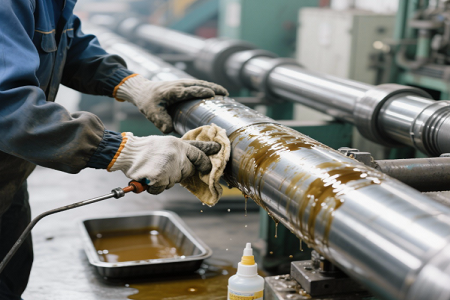
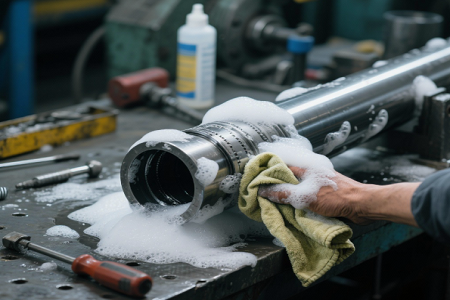
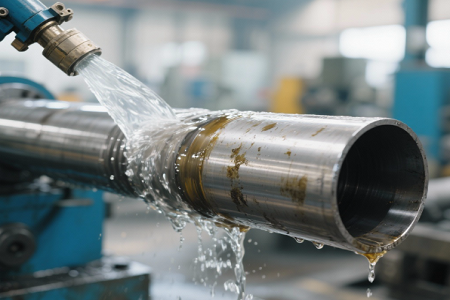
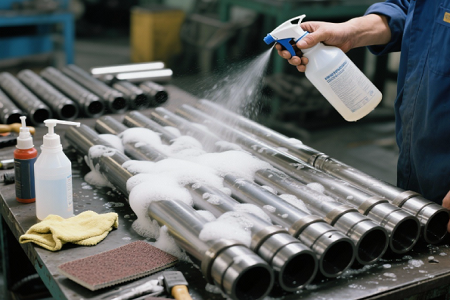
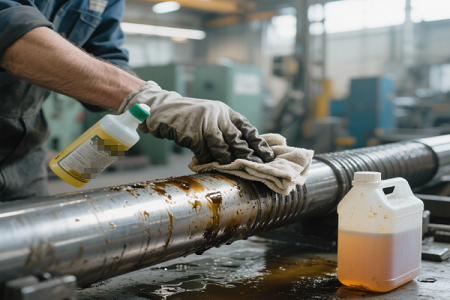
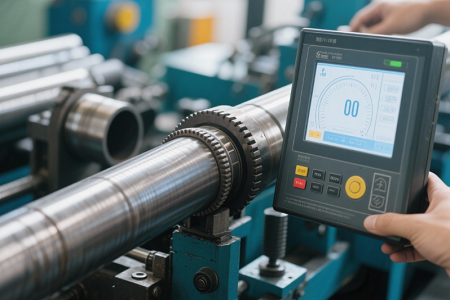
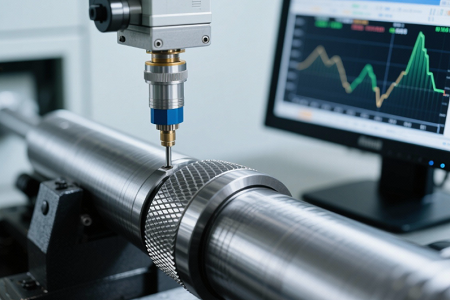
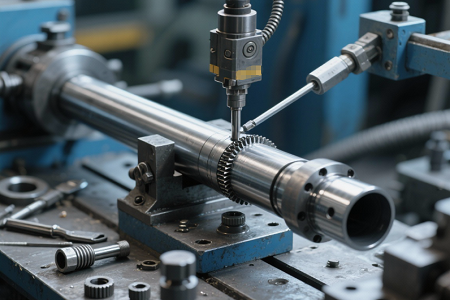
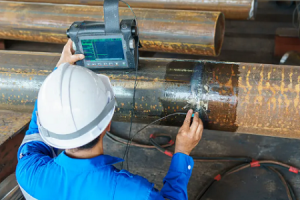
Finally, the honed tube undergoes rigorous cleaning, inspection, and maintenance. After machining, the honed tube must be thoroughly cleaned to ensure its interior is absolutely clean and free of any residual abrasive. Subsequently, a series of precision instruments are used to inspect key indicators such as inner diameter, roundness, straightness, and surface roughness. Only products that pass 100% inspection are coated with anti-rust oil, packaged, and shipped to various industries.
The industry’s preference for honed tubes stems from their unique and superior characteristics:
Extremely High Dimensional and Shape Accuracy: The honing process precisely corrects geometric errors in the inner bore, achieving excellent roundness and cylindricity, providing perfect guidance for the precise movement of pistons or valve cores.
Extremely Low Surface Roughness: The inner surface of honed tubes is as smooth as a mirror, with an extremely low surface roughness (Ra 0.2μm or higher), minimizing frictional resistance during movement.
Excellent Wear Resistance and Long Life: The dense surface layer and uniform hardness distribution enable it to withstand long-term reciprocating friction, significantly extending the service life of the entire component.
Excellent Surface Oil Storage: The unique cross-grain pattern creates tiny oil reservoirs, ensuring sufficient lubrication of the friction pair during startup and operation, effectively preventing dry friction and slip.
Excellent pressure resistance and sealing: The perfect combination of a high-precision inner bore and high-performance seals achieves excellent sealing under high-pressure conditions, preventing media leakage.
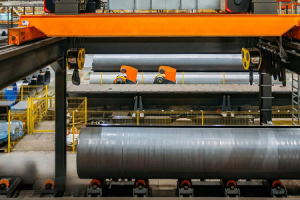
Thanks to these characteristics, honed tubes have penetrated nearly every field of high-end equipment manufacturing.
In the hydraulic and pneumatic fields, they are the undisputed king. From the powerful hydraulic cylinders of excavators and cranes to the pneumatic actuators on automated production lines, honed tubes, as the cylinder barrel, are the core carrier for power transmission and conversion. Their performance directly determines the output, efficiency, and reliability of the equipment.
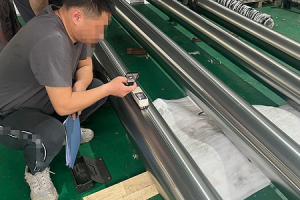
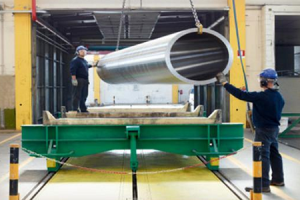
In the automotive industry, they are crucial to driving comfort and safety. Inside every car’s shock absorber lies a precision honed tube, guiding the smooth movement of the piston rod, absorbing road shock, and providing a smooth and comfortable driving experience.
In precision manufacturing and molding equipment, they are the guarantee of precision. Honing tubes are widely used in the shot cylinders of large injection molding and die-casting machines to ensure that the plastic or metal melt is accurately and stably pushed into the mold cavity, thereby producing dimensionally precise products.
In addition, honing tubes play a key role in fuel injection systems, printing machinery, textile machinery, aerospace, and precision measuring instruments. As guide sleeves, bushings, or pressure vessels, they silently support the precise operation of modern industry.
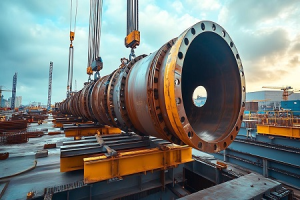
With the advancement of Industry 4.0 and smart manufacturing, the requirements for honing tubes are becoming increasingly stringent. Future development trends are expected to show the following:
Material Diversification: More high-performance alloys, stainless steels, and specialty materials will be used to meet special requirements such as corrosion resistance, high-temperature resistance, and lightweighting.
Intelligent Manufacturing: The honing process will integrate more sensors and adaptive control systems to enable real-time optimization and adjustment of processing parameters, further improving production efficiency and product consistency.
Extreme Performance: Requirements for surface roughness, accuracy, and cleanliness will reach the nanometer level to meet the demands of ultra-precision industries like semiconductors and medical devices.
Greener and more environmentally friendly: More environmentally friendly coolants, higher material utilization rates, and more energy-efficient processing techniques will become industry standards.
In short, while hidden within the equipment, the honing tube’s value shines brightly. It represents precision, reliability, and efficiency, and is the indispensable “precision vein” of modern industrial equipment. With the continuous advancement of technology, this key component, the “heart of industry,” will continue to evolve, providing solid support for the creation of more advanced equipment.