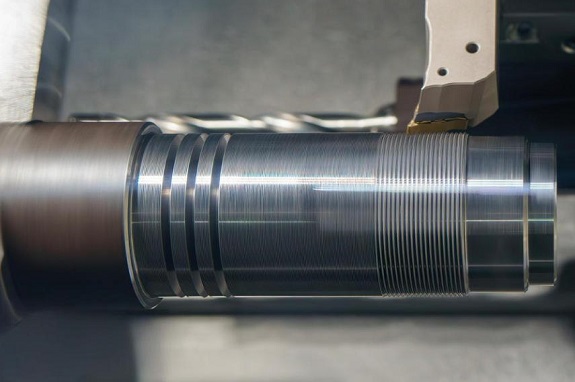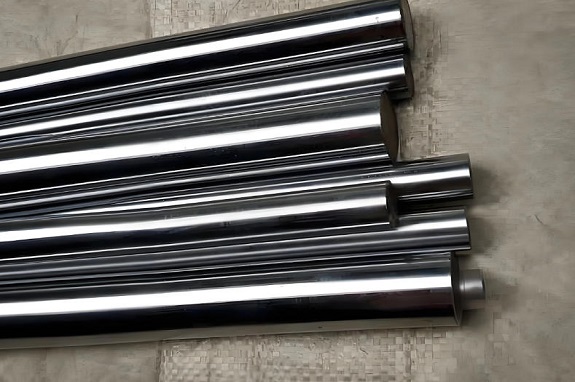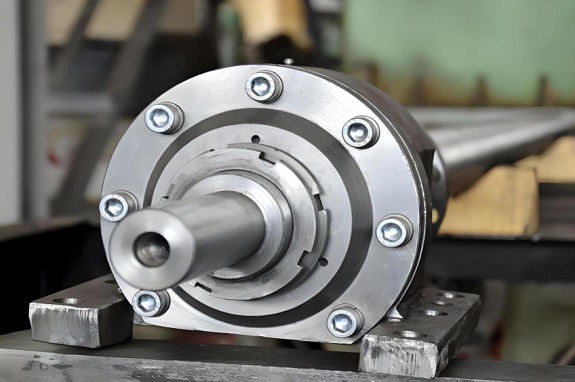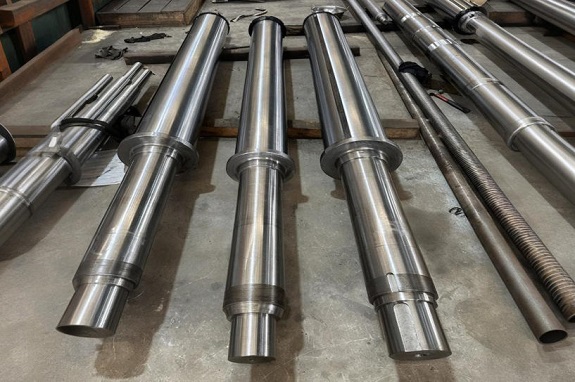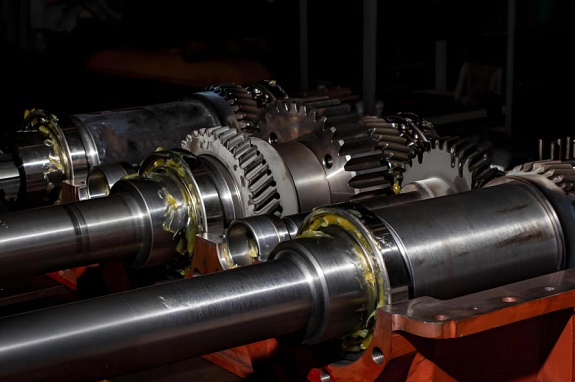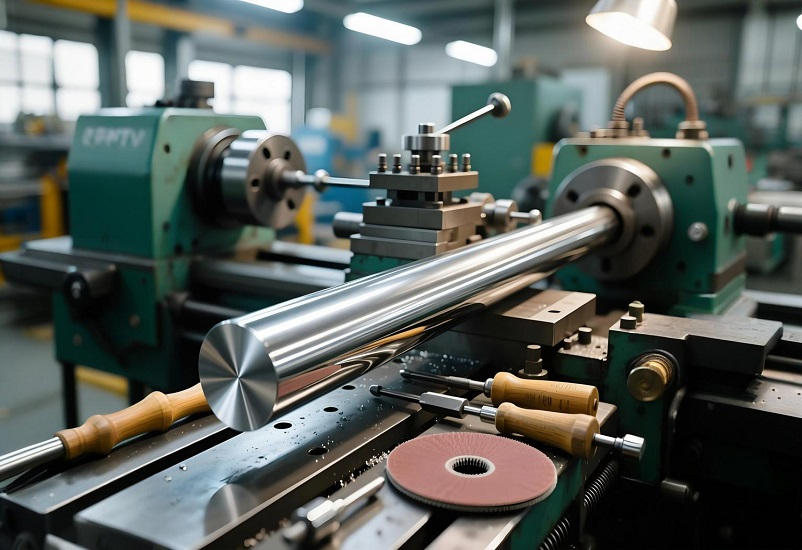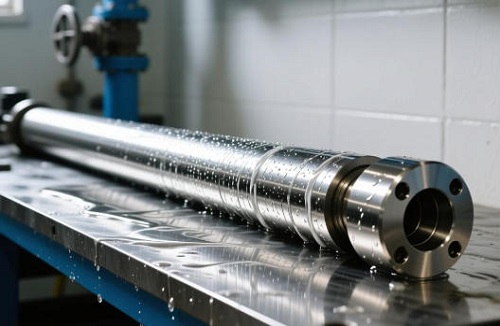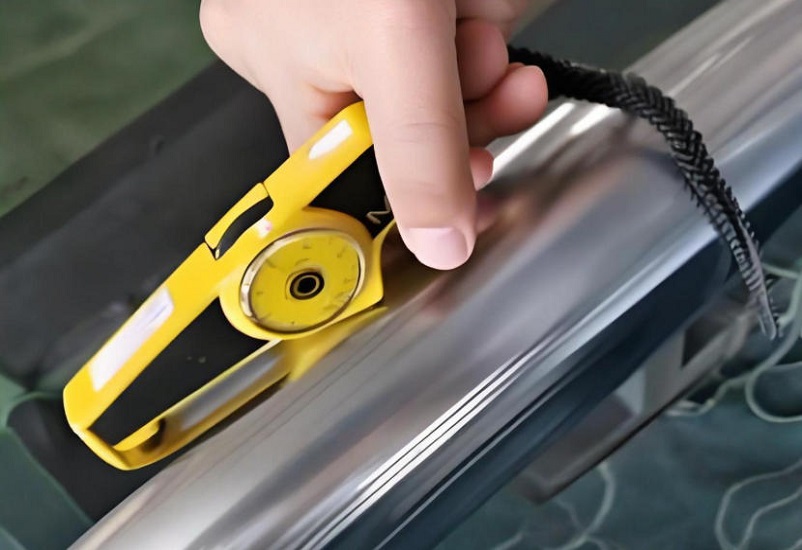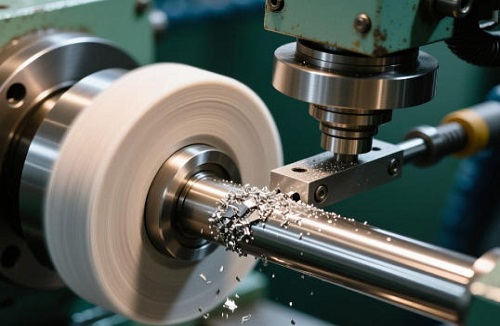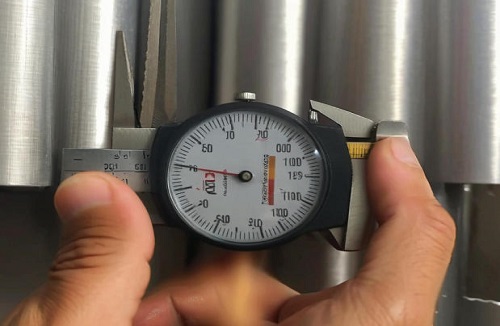
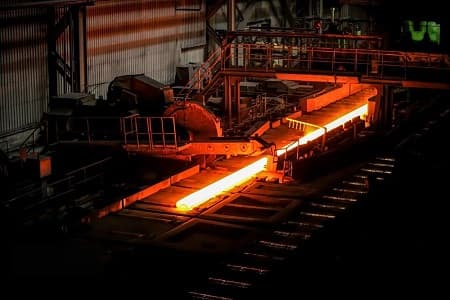


The fundamental superiority of our Induction Hardened Shafts stems from the sophisticated process of induction hardening itself. This is a thermochemical treatment that utilizes electromagnetic induction to rapidly heat the surface layer of the shaft to austenitizing temperatures, followed by immediate quenching . The result is a meticulously controlled, deeply hardened surface layer, while the core material retains its original ductile and tough state . This process creates a unique composite material property in a single component: a surface with extreme hardness, often reaching HRC 58-65 , coupled with a core that possesses excellent impact resistance. Unlike through-hardening, induction hardening is a selective process, allowing us to target specific areas of the shaft that are most susceptible to wear, such as bearing journals or sealing surfaces, without compromising the structural integrity of the entire component. This focused approach minimizes distortion and allows for more precise geometrical control.
In the demanding world of industrial machinery, where relentless wear and unforgiving loads are daily challenges, the pursuit of components that offer unparalleled longevity and reliability is paramount. As a specialized manufacturer with deep expertise in advanced thermal processing and precision engineering, we stand at the forefront as a premier Induction Hardened Shafts supplier. Our commitment is to deliver components that are not merely parts, but robust solutions engineered to withstand the most severe operating conditions. We recognize that the failure of a single shaft can lead to catastrophic downtime, which is why our manufacturing philosophy for Induction Hardened Shafts is built upon a foundation of metallurgical excellence, precise process control, and an unwavering dedication to quality.