| Brand Name | BOS |
| Standard | Din2391 EN10305 Astm A519 GB/T3636-2000 |
| Material | C20 CK45 E355(ST52) SAE1026 4140 STKM13C stainless steel 316/304/316L/304L |
| Size | Outer diameter (OD):20mm-700mm (customizable) Wall thickness (WT):2mm-60mm (customizable) |
| Surface treatment | Surface smoothness: The inner hole is finely ground and polished, and the surface is smooth and burr-free to ensure smooth operation of the hydraulic cylinder. Deburring: Deburring the inner and outer surfaces to ensure that the parts have no protrusions. Rust-proof treatment: Oil-coated and rust-proof packaging can be provided to protect the product from corrosion during transportation. |
| Strength and hardness | Tensile strength: usually between 500 MPa and 600 MPa (depending on material and specification). Yield strength: usually above 350 MPa. Hardness: usually between HB150 and HB200, depending on material. |
| Tolerance | Inner hole size accuracy: H7/H8/H9, higher accuracy can be provided according to application needs. Outer diameter accuracy: ±0.2mm (adjustable according to different standards and requirements). Inner hole finish: usually Ra0.8–3.2 μm, finer surface treatment can be provided according to customer needs. |
| Delivery Condition | BK BK+S |
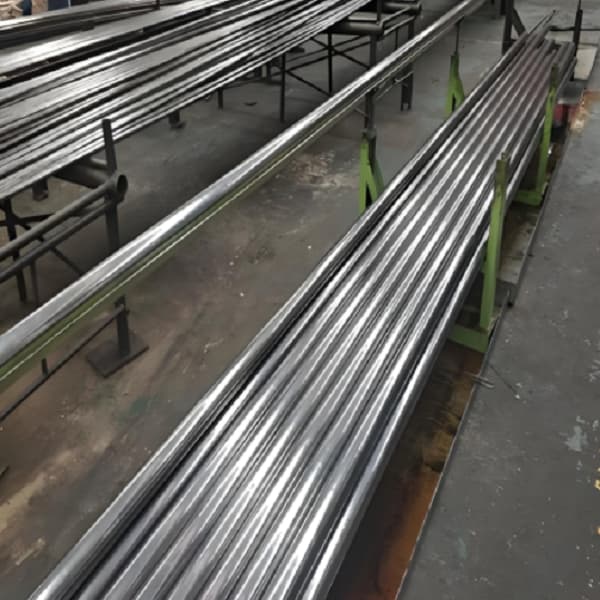
| Length | Regular length is 3m,6m,12m, customized lengths such as 1m to 12m are also available. |
| Application | Hydraulic equipment: used for inner tubes of hydraulic cylinders and hydraulic systems. Engineering machinery: core components of hydraulic systems such as excavators, forklifts, loaders, etc. Automotive industry: used for parts that require high strength and precision machining, such as automobile suspension and braking systems. Agricultural machinery: hydraulic systems such as tractors and harvesters. Energy industry: pipelines, pumping stations and other equipment in the oil and gas industries. |
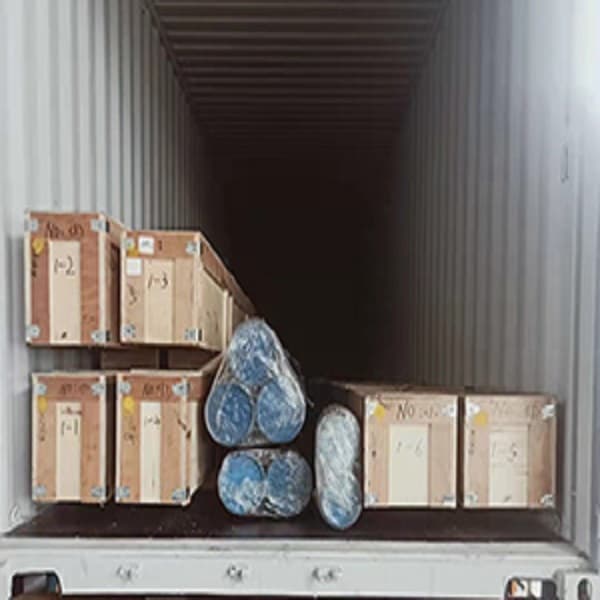
| Package | honed tube strapped with steel straps and braided straps, and packed in wooden boxes |
1. High-Quality Raw Materials Our raw materials are primarily sourced from renowned steel mills such as Jiangsu BOS Hydraulic Technology Co., Ltd., Baosteel, Ansteel, and Changjiang Steel Pipe.
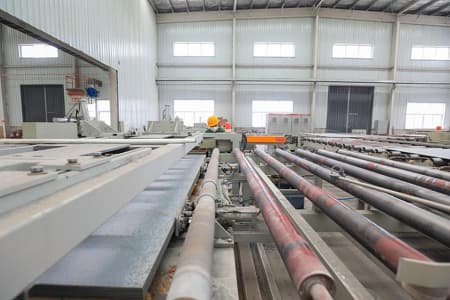
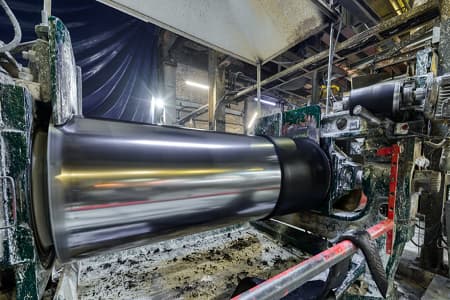
2. Advanced Production Equipment Our manufacturing facilities include cold drawing machines, honing machines, skiving and roller burnishing machines, straightening equipment,polishing machines, heat treatment furnaces, grinding machines, and more.
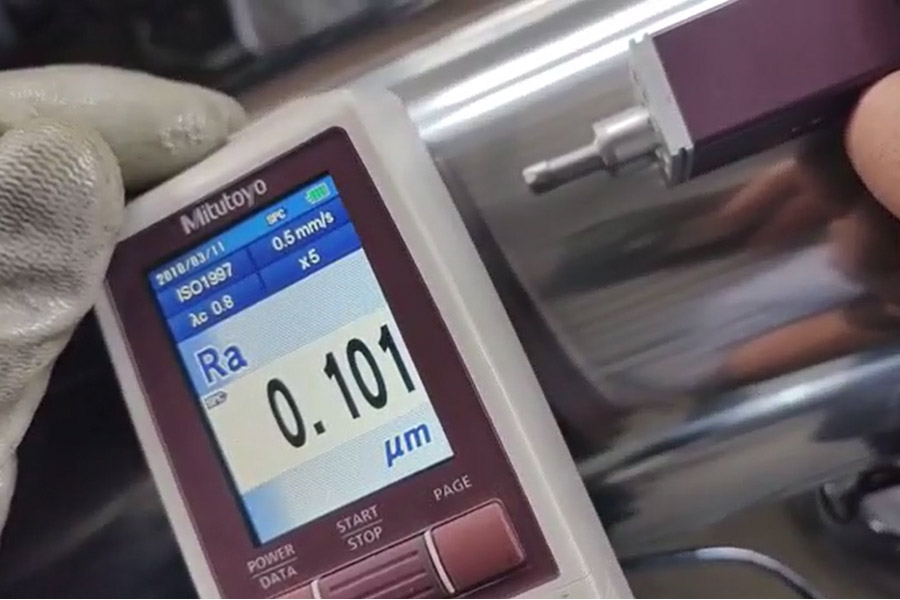
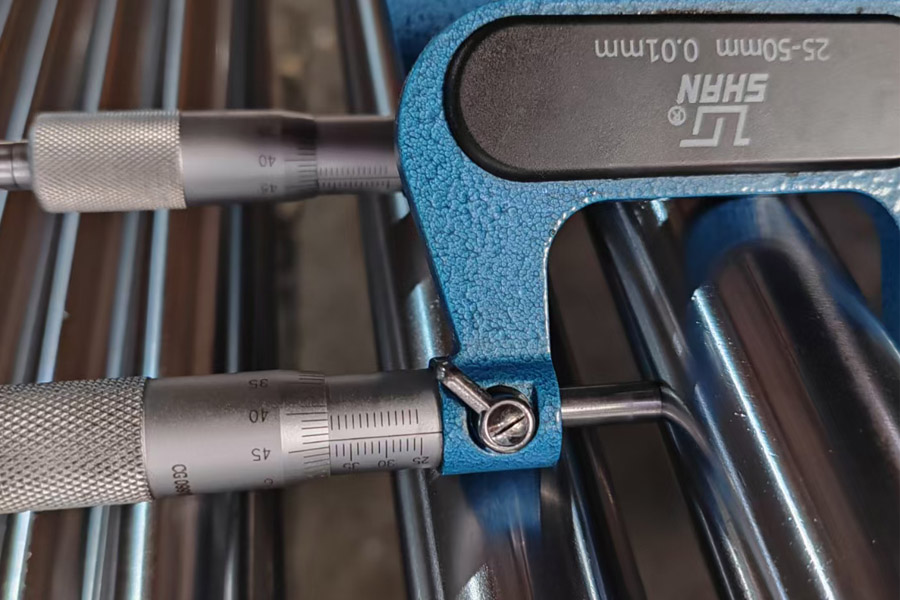
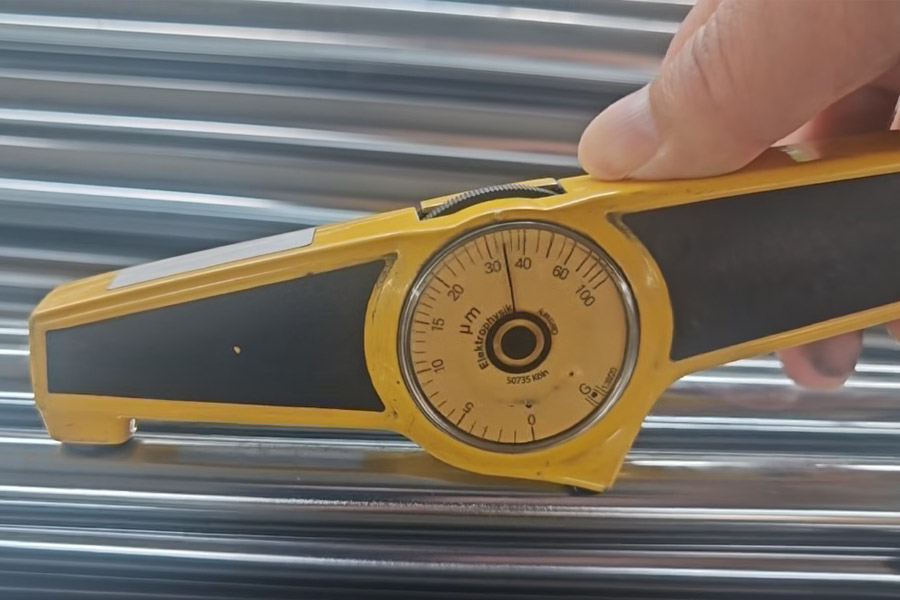
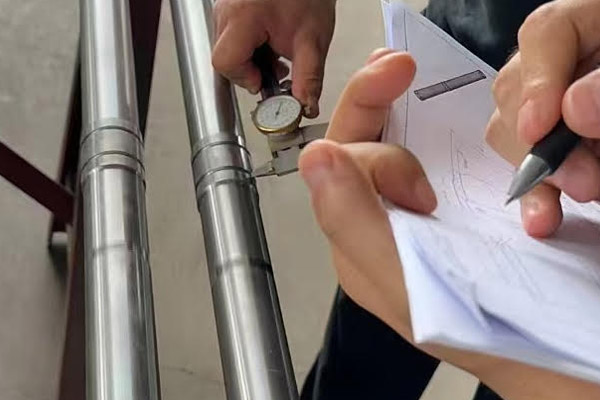
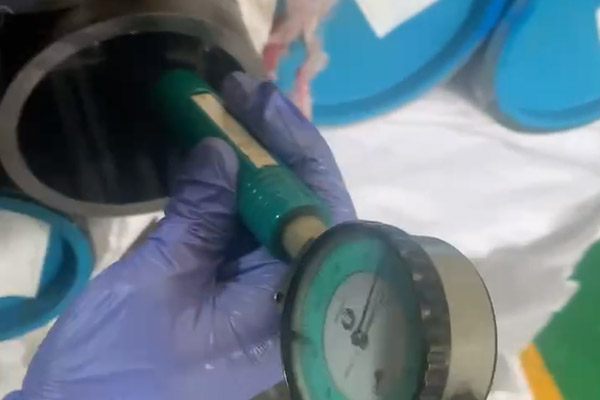
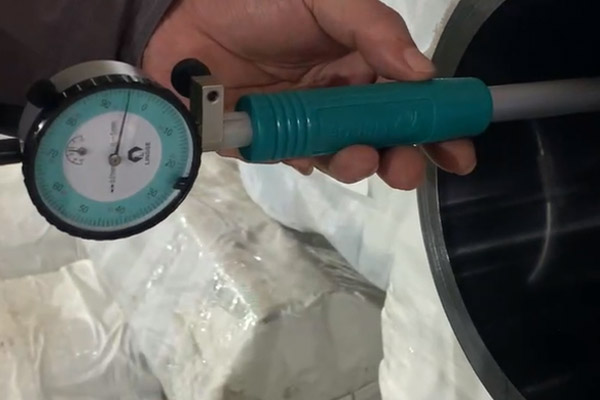
3. Rich production experience, strict quality control We implement a professional internal quality control system to conduct comprehensive inspections on all products.
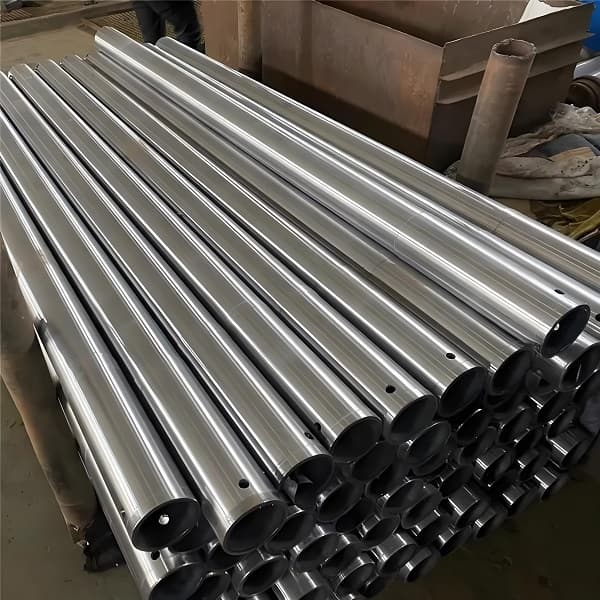
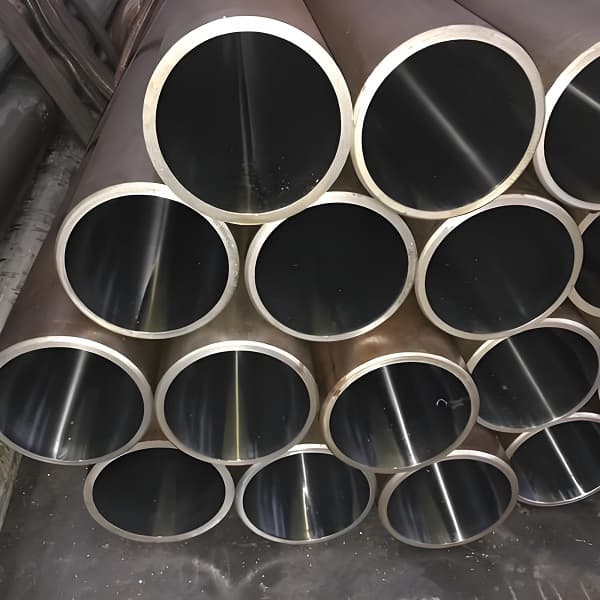
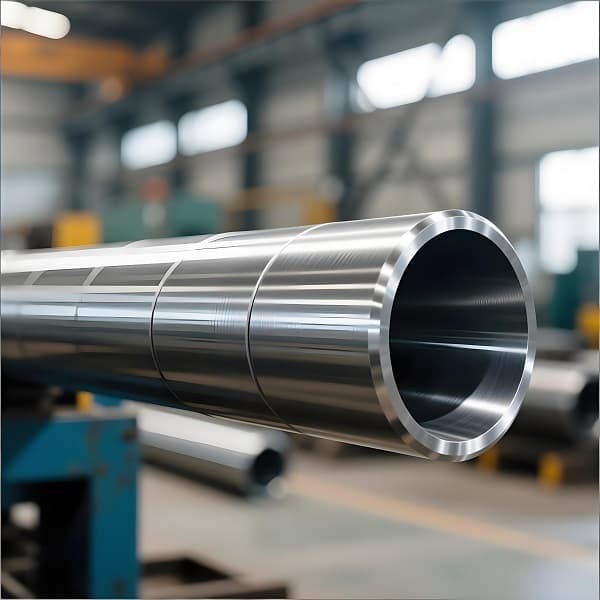
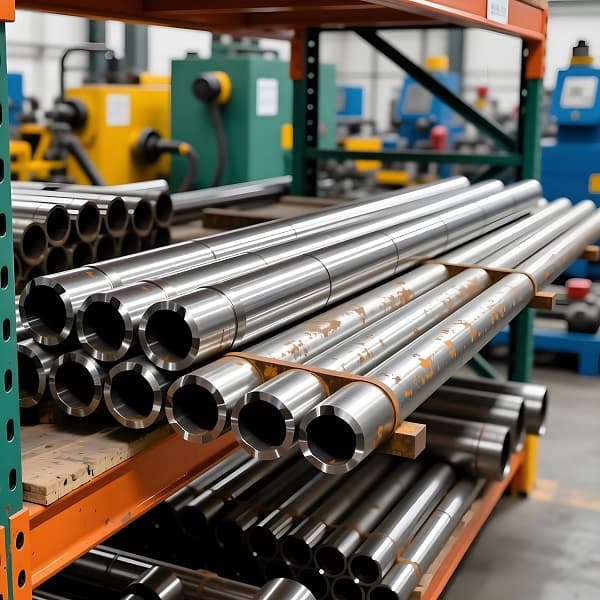
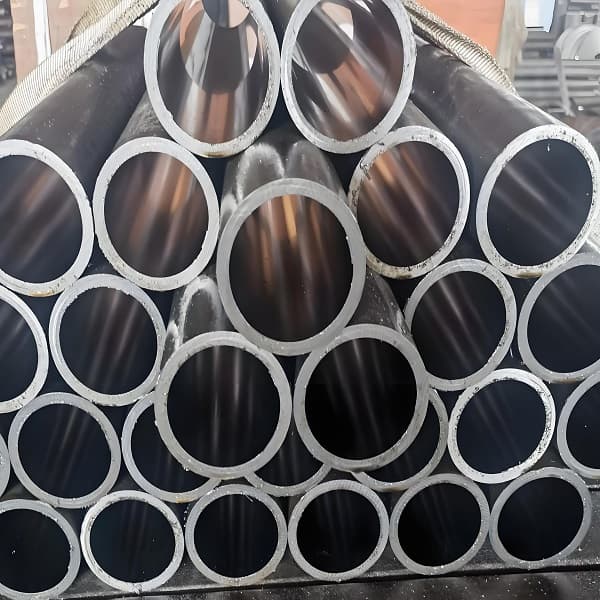
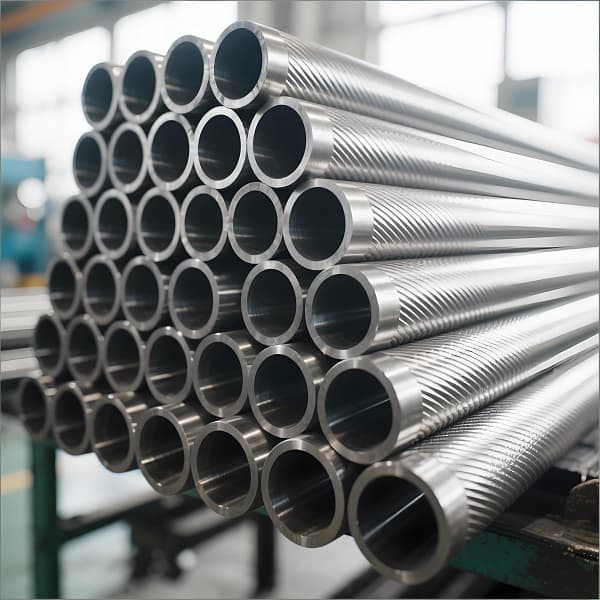
Automotive Alloy Steel Honed Tube is a high-precision seamless steel tube made from high-quality alloy steel, cold-drawn or cold-rolled, and precision-honed. Designed for the demanding automotive environment, it is a core component of components such as shock absorbers, steering systems, suspension systems, and powertrains.
The key advantages of this tubing lie in its micron-level dimensional control (typically ±0.05mm) and extremely low surface roughness (Ra values of 0.2-0.4μm). For example, Automotive Alloy Steel Honed Tube that meets international standards such as ISO 4394, DIN 2391, or ASTM A513 maintains extremely strict internal bore straightness and roundness control, providing a reliable foundation for automotive systems.
Recent advances in materials and manufacturing technologies have made it possible to increase the yield strength of steel to over 1200 MPa. These ultra-high-strength (UHS) steel grades are ideally suited for structural and safety-related automotive components, offering potential for lightweighting and improved performance.
The alloy steel used in automotive alloy steel honing tubes exhibits exceptional mechanical properties: high strength enables it to withstand high pressures and external shock loads within the system; excellent wear resistance protects against long-term friction and wear of pistons and seals; good toughness absorbs vibration and shock during vehicle operation; and stable thermal properties ensure dimensional stability under temperature fluctuations.
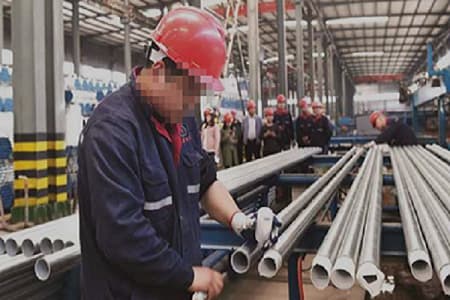
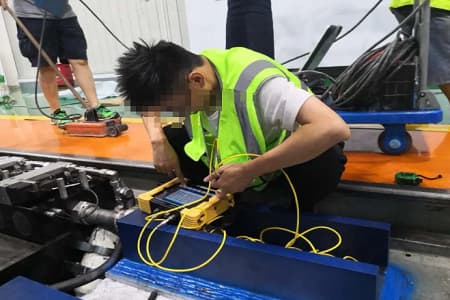
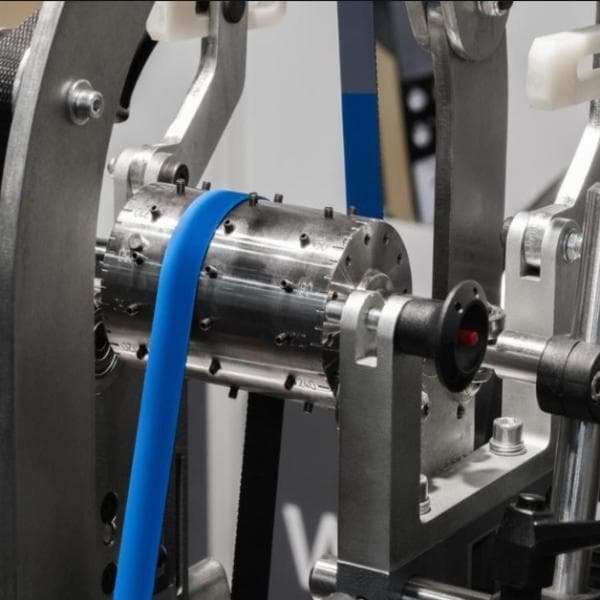
The honing process is a core step in the manufacturing process. A honing head equipped with a special grinding stone is used to fine-tune the inner bore of the steel tube, creating unique surface characteristics: extremely high dimensional accuracy, with inner diameter tolerances within ±0.01mm; extremely low surface roughness, typically achieving a mirror-like finish of Ra 0.1-0.4μm; and a cross-grained microstructure that acts as an oil reservoir, retaining lubrication, reducing wear, and facilitating the removal of wear particles.
The manufacturing of automotive alloy steel honed tubes involves a multi-step, precision process: Selected high-quality alloy steel billets are hot-rolled or cold-drawn into seamless steel tubes; tempering heat treatment (quenching and high-temperature tempering) is performed to achieve the desired metallographic structure and mechanical properties; roughing and semi-finishing are performed to prepare for honing; precision honing is performed to achieve final dimensional and surface quality requirements; and rigorous cleaning and rust-proofing are performed to ensure product cleanliness.
Automotive alloy steel honed tubes have an extremely wide range of applications, covering nearly all key automotive systems:
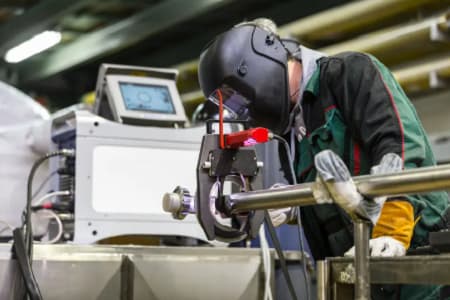

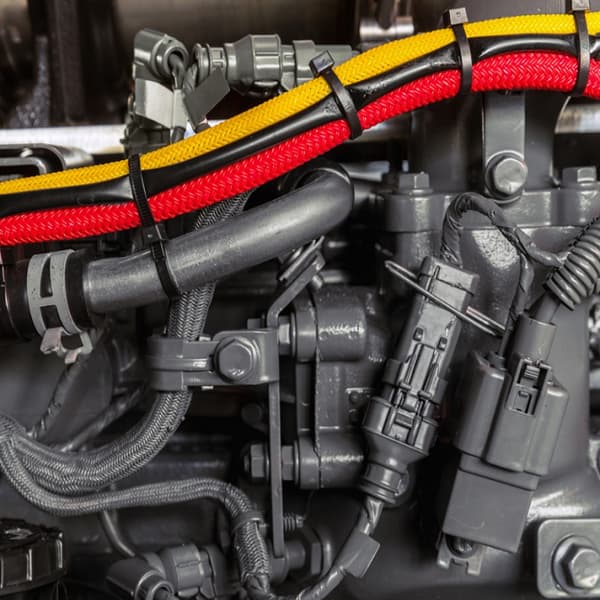
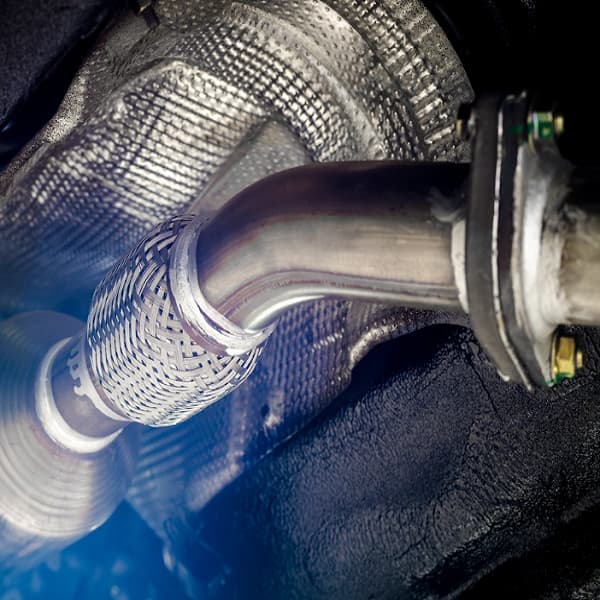
In suspension systems, they are widely used in shock absorbers, stabilizer bars, and suspension links; in steering systems, they are used in power steering cylinders and steering column tubes; in powertrains, they are used in clutch cylinders, transmission oil lines, and hydraulic valve bodies; and in braking systems, they are used in brake cylinders and brake fluid delivery lines.
It is worth noting that hybrid systems, as a transitional solution, will continue to develop rapidly in the future, necessitating the continued demand for seamless steel tubes in new energy vehicles. Even pure electric vehicles still require seamless steel tubes, such as for shock absorption. Some automakers have developed a utility model seamless steel tube frame for electric four-wheeled vehicles. The vehicle’s chassis, subframe, dual longitudinal beams, front and rear upper brackets are connected and integrated using seamless steel tubes.
As the automotive industry continues to move toward electrification, lightweighting, and intelligent driving, the performance requirements for automotive tubing are becoming increasingly stringent. Technological innovation in automotive alloy steel honed tubes will continue to advance.
Future development trends include more efficient polishing processes, more environmentally friendly surface treatment technologies, smarter manufacturing processes, and customized solutions for specific applications. Sumitomo Heavy Industries’ STAF (SteelTube AirForming) forming technology involves inserting steel tubes into a stamping die and then sequentially heating them with electrical current, injecting high-pressure air, forming them, and quenching them. This technology enables the production of high-precision, continuously shaped, closed-section components with flanges, combining the strength of hot stamping with the rigidity of hydroforming.
As a core component of automotive systems, the improved performance of Automotive Alloy Steel Honed Tube will have a positive impact on the entire automotive industry, providing a more precise, reliable, and efficient “power transmission core” for all types of vehicles. Selecting high-quality Automotive Alloy Steel Honed Tube is not only a technical decision but also a strategic investment, which will bring long-term returns to automakers in terms of product performance and production efficiency.
In summary, Automotive Alloy Steel Honed Tube, with its superior performance and precision manufacturing process, has become an irreplaceable key component in the modern automotive industry. As automotive technology continues to evolve towards electrification, intelligence, and lightweighting, demand for this high-performance tubing will continue to grow, driving the further development of related technologies and applications.