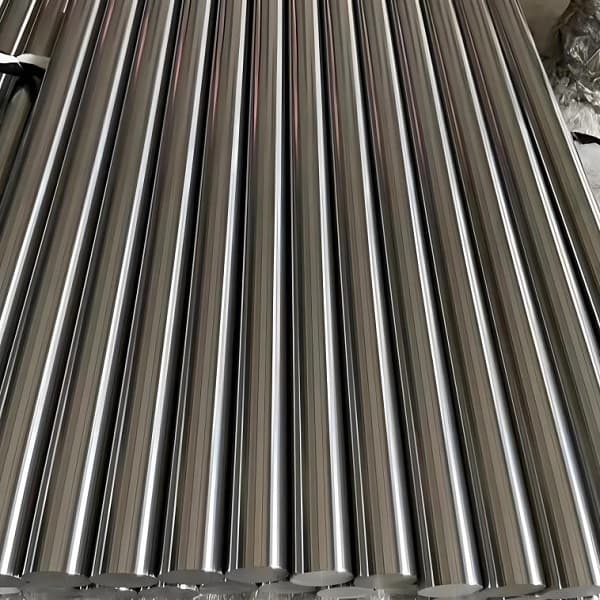
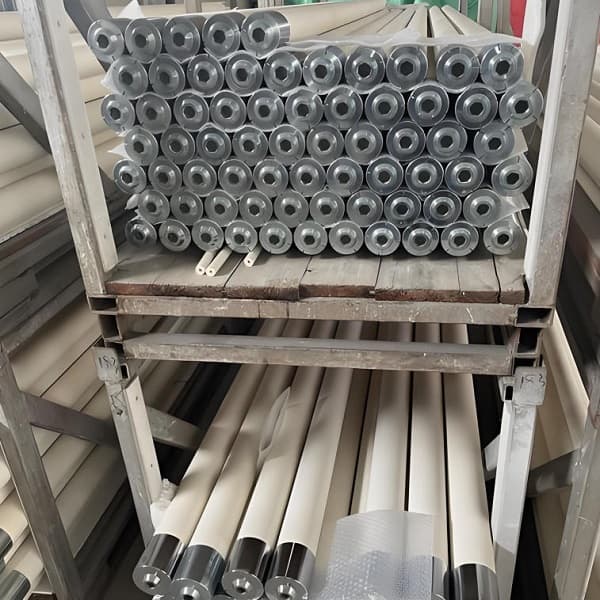
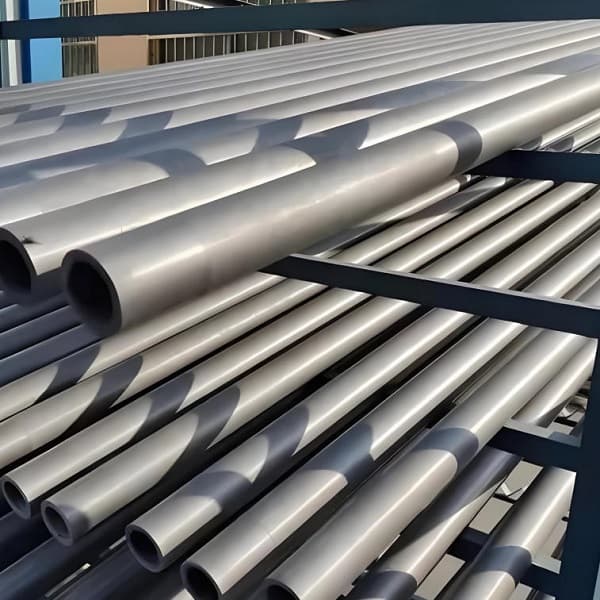
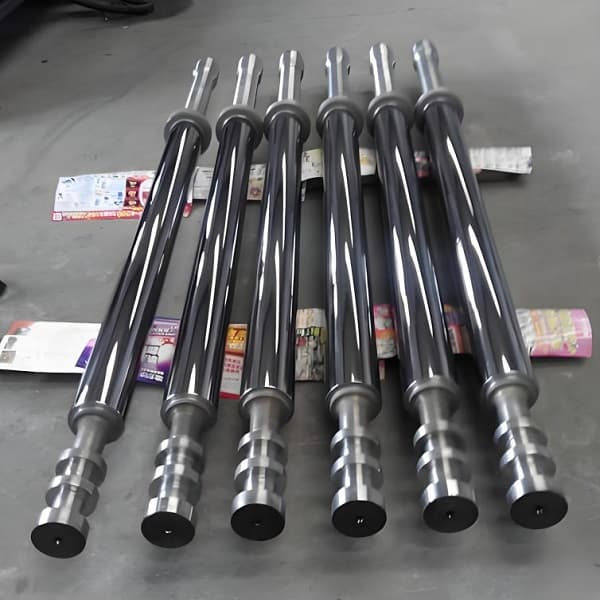
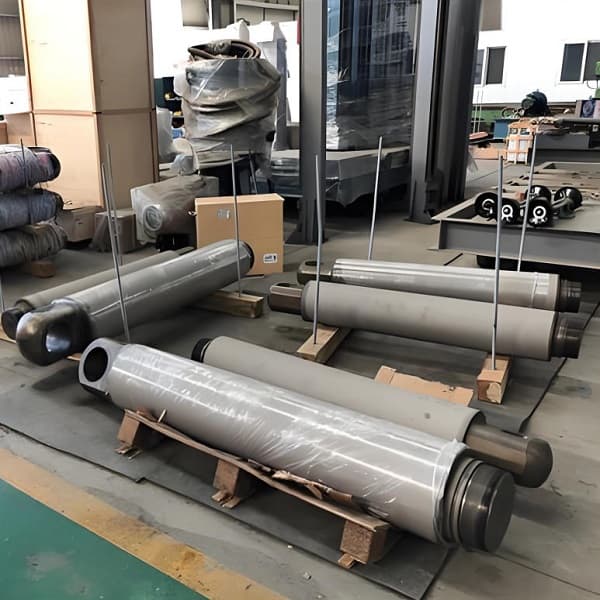
1. High-Quality Raw Materials Our raw materials are primarily sourced from renowned steel mills such as Jiangsu BOS Hydraulic Technology Co., Ltd., Baosteel, Ansteel, and Changjiang Steel Pipe.
2. Advanced Production Equipment Our manufacturing facilities include cold drawing machines, honing machines, skiving and roller burnishing machines, straightening equipment,polishing machines, heat treatment furnaces, grinding machines, and more.
3. Rich production experience, strict quality control We implement a professional internal quality control system to conduct comprehensive inspections on all products.
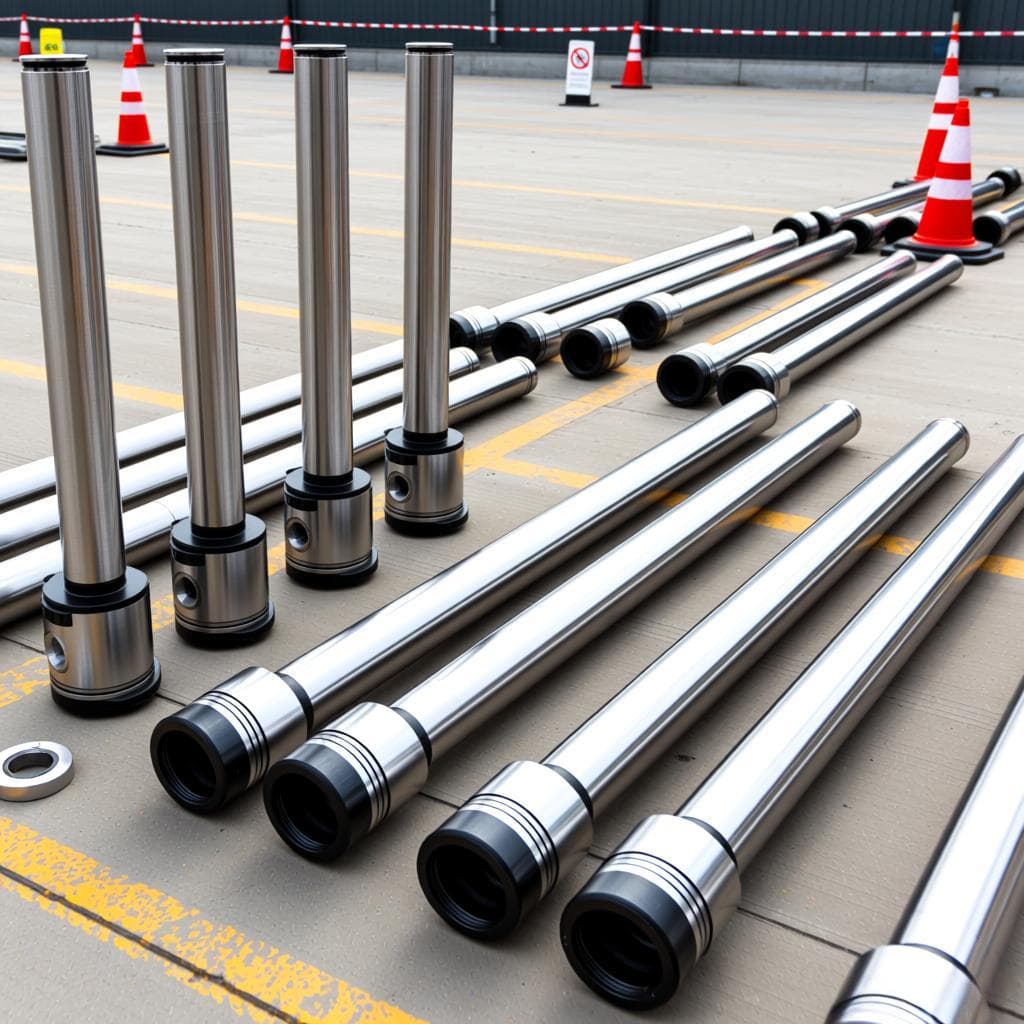
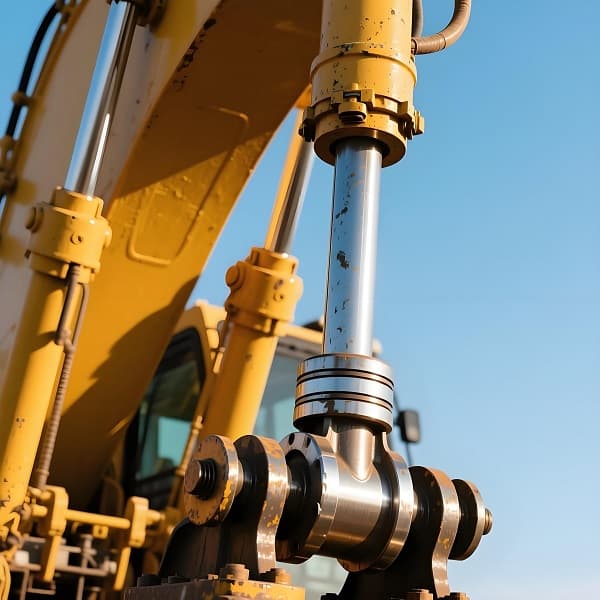
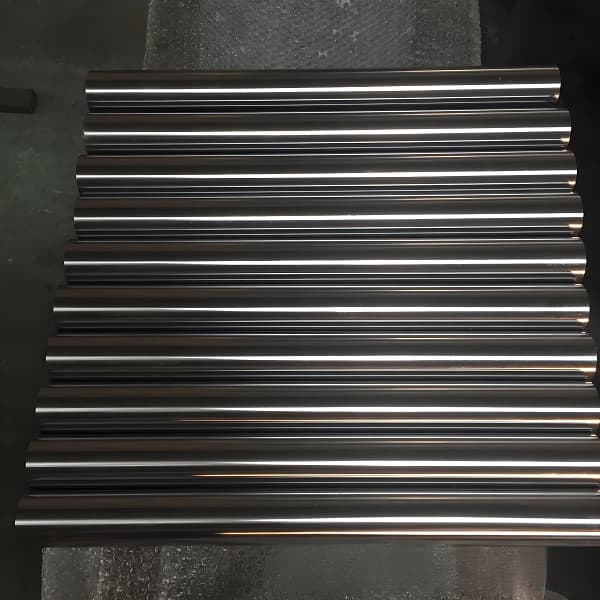
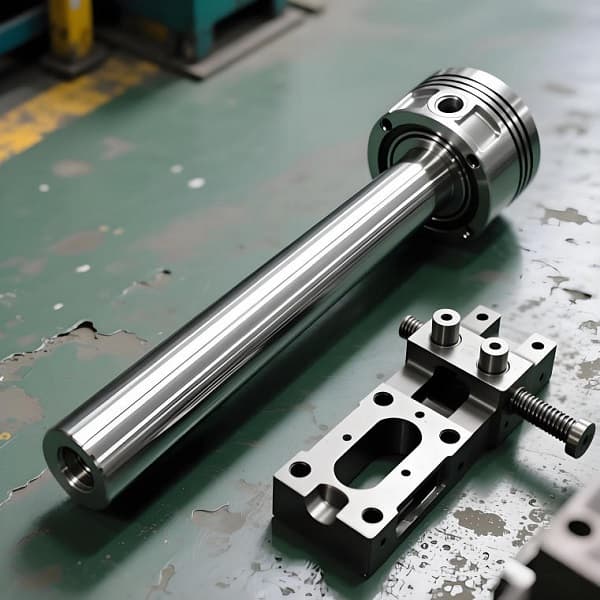
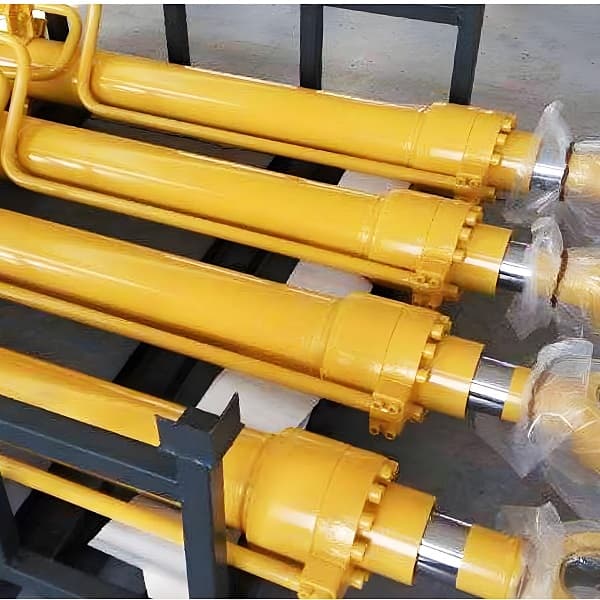
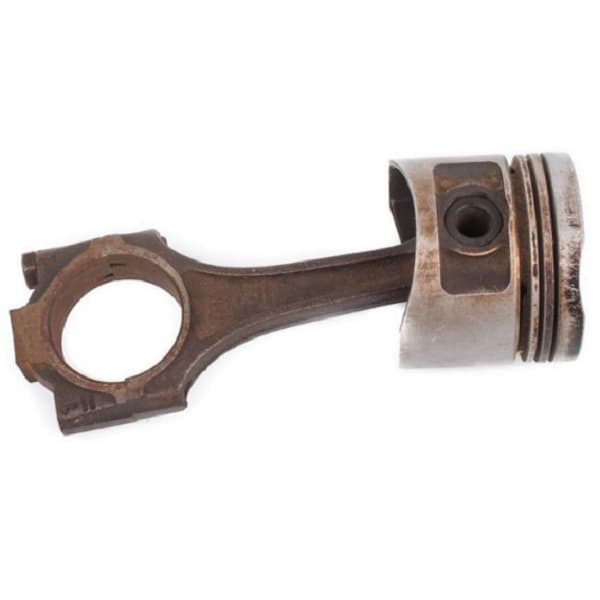
In modern industrial applications, ceramic-coated abrasion-resistant rods are increasingly becoming an essential component, widely used in environments requiring high abrasion resistance and corrosion resistance. These rods combine superior mechanical properties and chemical stability, delivering outstanding performance in harsh environments. This article will provide a detailed overview of the characteristics, manufacturing processes, applications, and future trends of ceramic-coated abrasion-resistant rods, helping you better understand this crucial component.
The core principle of a ceramic-coated abrasion-resistant rod lies in depositing a ceramic-based composite coating onto a high-strength substrate (typically high-grade alloy steel or stainless steel) using advanced processes. This ceramic coating is usually composed of materials such as chromium oxide (Cr₂O₃), aluminum oxide (Al₂O₃), or chromium carbide (Cr₃C₂), and is metallurgically bonded to the substrate through processes such as high-velocity oxy-fuel spraying (HVOF), plasma spraying, or physical vapor deposition (PVD).
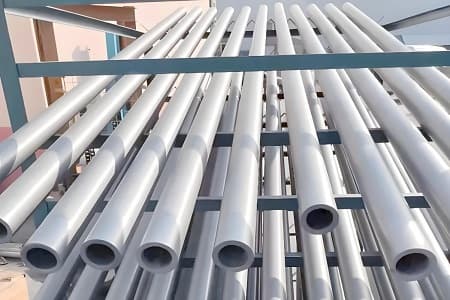
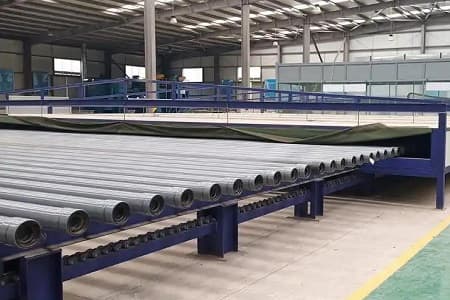
Ultra-high hardness: The hardness of the ceramic coating can reach HV1000-1500, more than 1.5 times that of traditional hard chrome plating (HV800-1000), effectively resisting abrasive wear and particle erosion.
Extremely low coefficient of friction: The ceramic surface exhibits self-lubricating properties, with a coefficient of friction as low as 0.1-0.2, significantly reducing friction and energy consumption.
Excellent corrosion resistance: Ceramic materials are inherently chemically inert, resisting corrosion from most acids, alkalis, and chemical media.
High-temperature resistance: It can operate continuously at temperatures above 800°C without softening or failure.
The manufacturing process of ceramic-coated abrasion-resistant rods represents the highest level of surface engineering technology. High-velocity oxy-fuel spraying (HVOF) technology is currently the most advanced method for preparing ceramic coatings, achieving particle speeds of over 1000 m/s, resulting in a dense and high-strength coating structure. The coating thickness is typically controlled between 100-300μm, ensuring wear resistance while avoiding brittleness issues caused by excessive thickness.
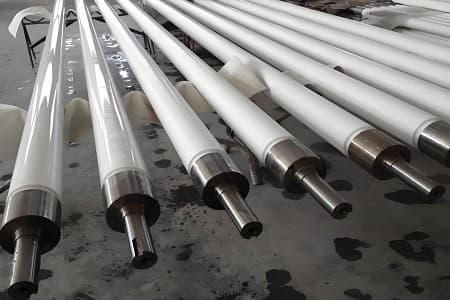
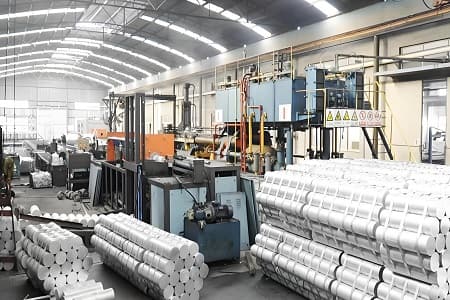
The pretreatment process is equally crucial. The substrate surface undergoes precision grinding, sandblasting, and cleaning to achieve a surface roughness of Ra3.2-6.3μm, providing an optimal bonding surface for the coating. Post-treatment includes precision grinding and polishing to achieve a mirror-like finish of Ra0.1-0.2μm, ensuring perfect sealing.
Compared to traditional hard chrome-plated piston rods, the Ceramic-Coated Abrasion-Resistant Rod offers significant performance advantages:
3-5 times longer wear life, and up to 10 times longer in environments with abrasive particles
5-8 times better corrosion resistance than hard chrome, with salt spray test time exceeding 2000 hours
40-60% lower coefficient of friction, reducing system energy consumption and heat generation
Operating temperature limit increased from 400°C (hard chrome) to over 800°C
These performance advantages translate directly into economic benefits: equipment maintenance intervals extended by more than 3 times, spare part replacement costs reduced by 60%, and system energy consumption reduced by 15-20%.
The Ceramic-Coated Abrasion-Resistant Rod finds applications across various industries:
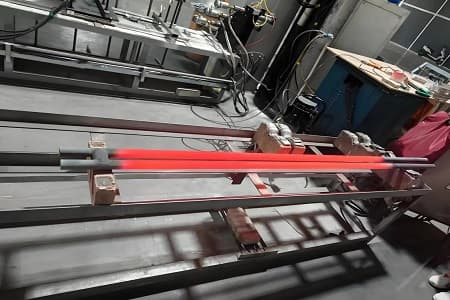
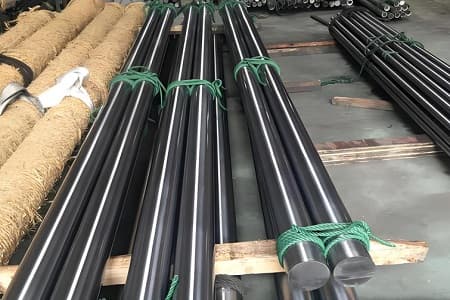
In metallurgy, it is used in continuous casting machines, rolling mill equipment, and conveying systems, resisting high-temperature oxidation and steel chip abrasion; in mining machinery, it is used in hydraulic supports and tunneling equipment, resisting severe abrasion from rock particles; in the chemical industry, it is used in pumps, valves, and agitators, addressing both corrosion and wear issues; in the energy sector, it is a core component of wind turbine pitch systems and hydropower turbine guide vanes.
Of particular note is its application in injection molding. The Ceramic-Coated Abrasion-Resistant Rod perfectly resists abrasion from glass fiber reinforced plastics, achieving a lifespan 5 times that of traditional piston rods, making it a standard component in high-end injection molding machines. Technical Challenges and Solutions
Despite their superior performance, the manufacturing of ceramic-coated abrasion-resistant rods still faces numerous challenges. The difference in the coefficient of thermal expansion between the ceramic material and the metal substrate can cause coating cracking, which can be addressed by adding a metal bonding layer and designing a gradient transition layer; controlling the residual stress in the coating requires optimizing the spraying parameters and heat treatment process; and the higher cost can be offset by extending the service life and reducing downtime.
The future development of ceramic-coated abrasion-resistant rods will be characterized by the following aspects:
New Material Development: Continued research and development of higher-performance ceramic materials will further enhance abrasion resistance and corrosion resistance, meeting the demands of more demanding industrial applications.
Intelligent Manufacturing Technology: The introduction of intelligent manufacturing technologies to improve production efficiency and product quality will be a key direction for industry development.
Environmental Protection and Sustainability: Companies will place greater emphasis on environmental protection during production, adopting cleaner production processes and material recycling mechanisms to meet sustainability requirements.
Demand for Customized Products: With market diversification, customer demand for customized ceramic-coated abrasion-resistant rods is increasing, requiring manufacturers to flexibly adjust their production strategies.
Application of New Technologies: With continuous advancements in coating technology, ceramic-coated abrasion-resistant rods will find more applications in emerging fields, such as smart devices and high-performance machinery.