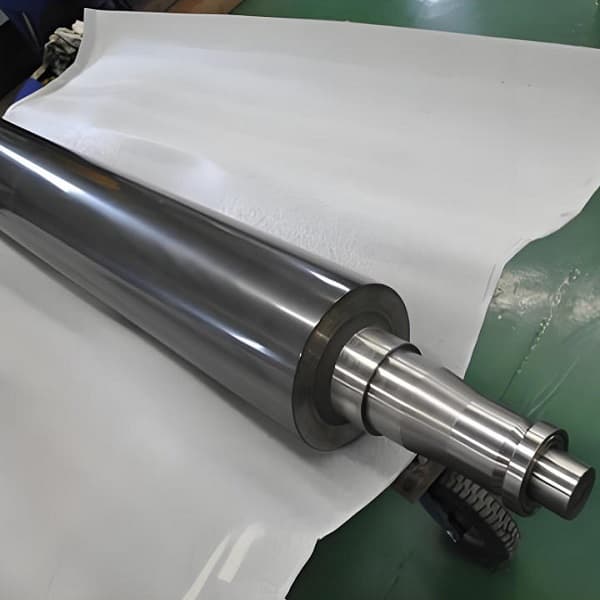
1. High-Quality Raw Materials Our raw materials are primarily sourced from renowned steel mills such as Jiangsu BOS Hydraulic Technology Co., Ltd., Baosteel, Ansteel, and Changjiang Steel Pipe.
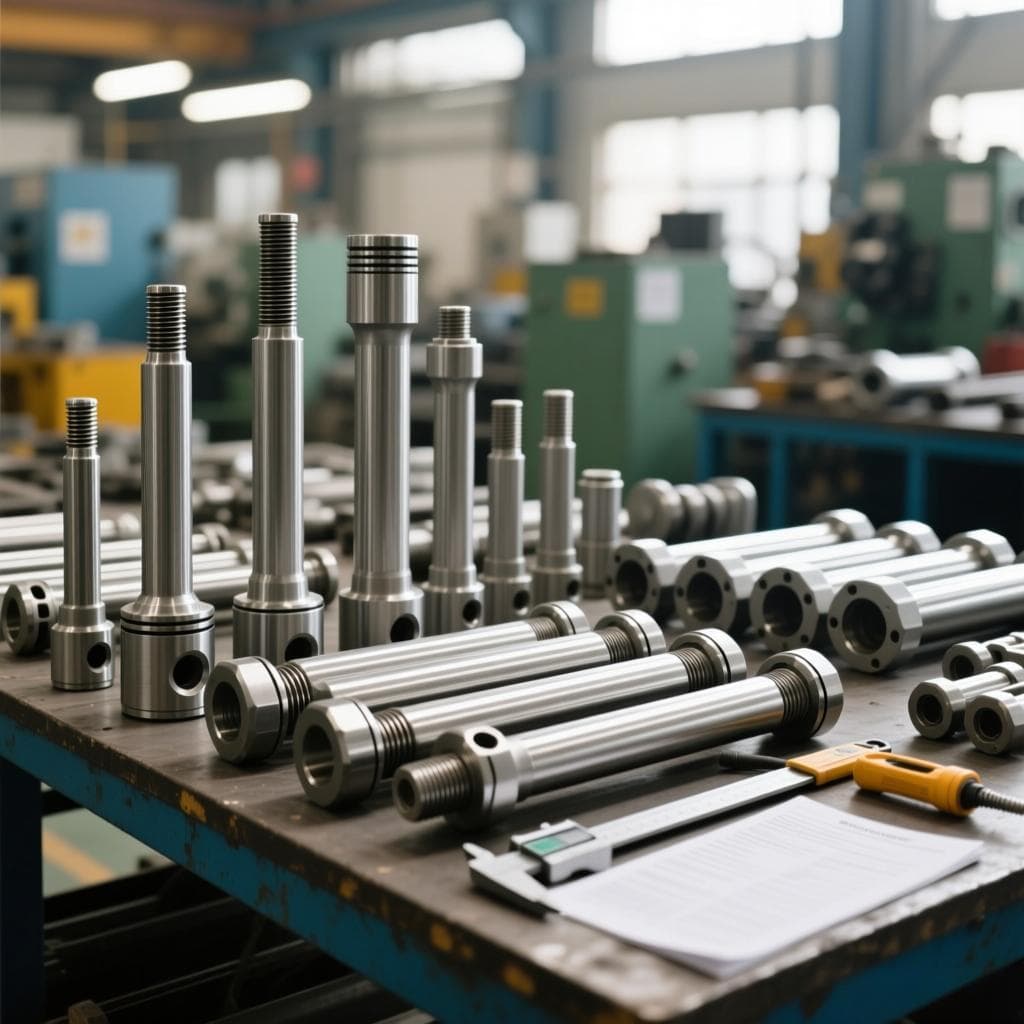
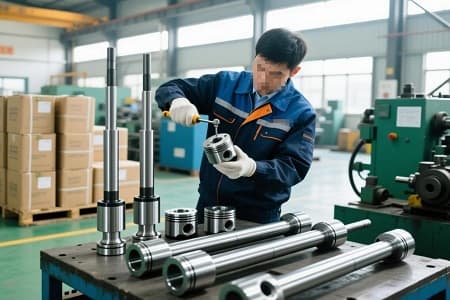
2. Advanced Production Equipment Our manufacturing facilities include cold drawing machines, honing machines, skiving and roller burnishing machines, straightening equipment,polishing machines, heat treatment furnaces, grinding machines, and more.
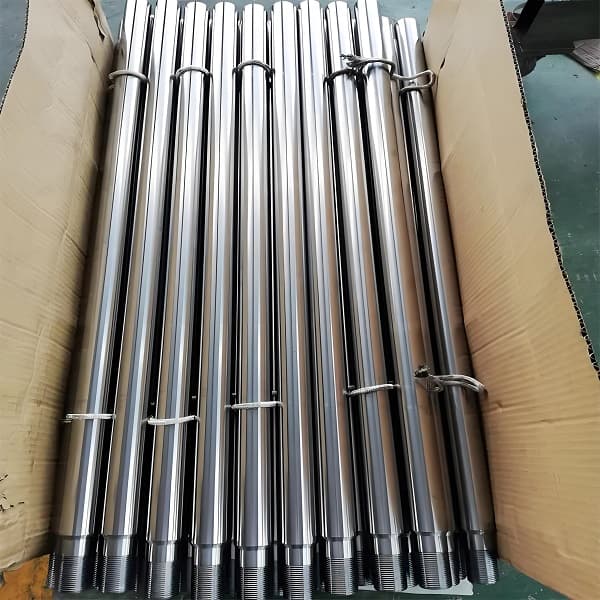
3. Rich production experience, strict quality control We implement a professional internal quality control system to conduct comprehensive inspections on all products.
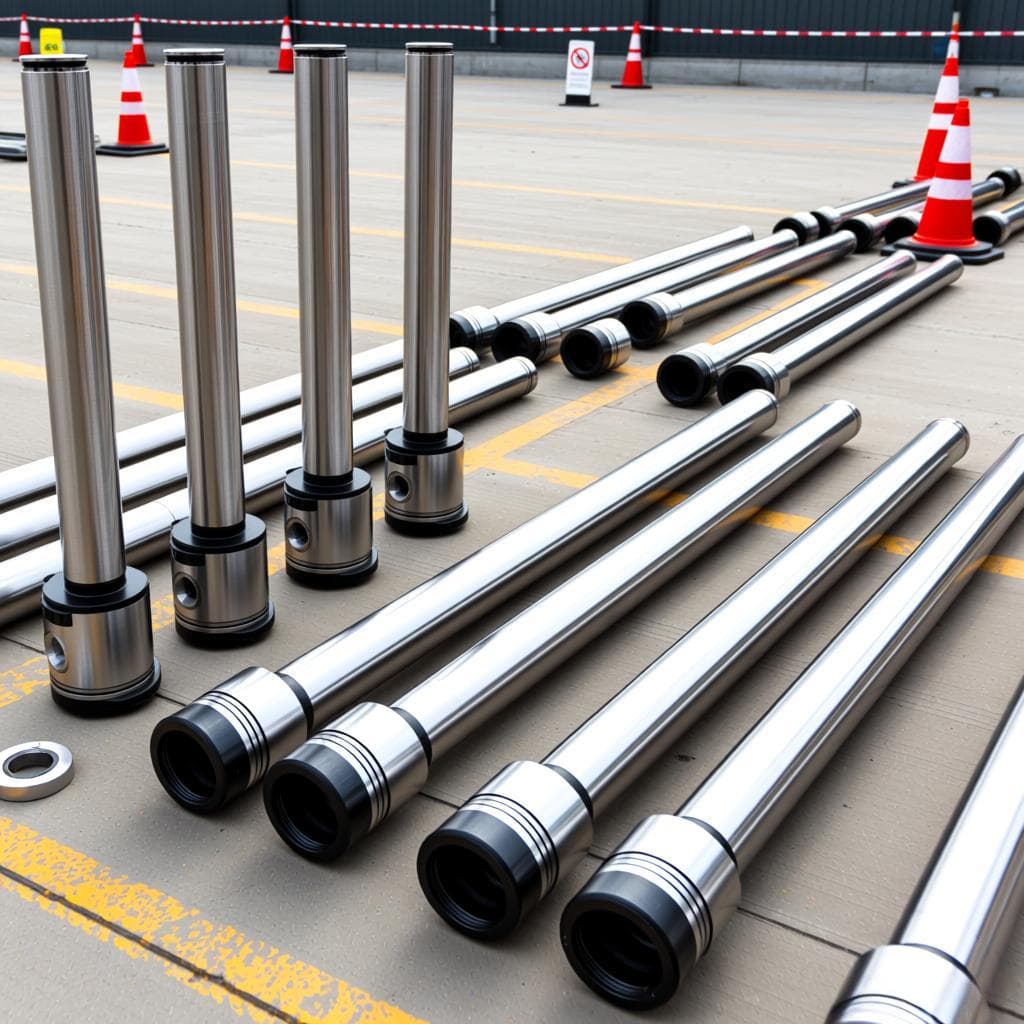
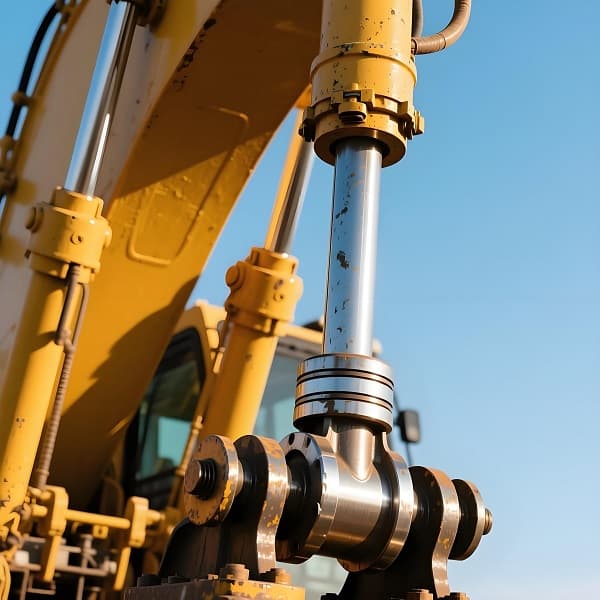
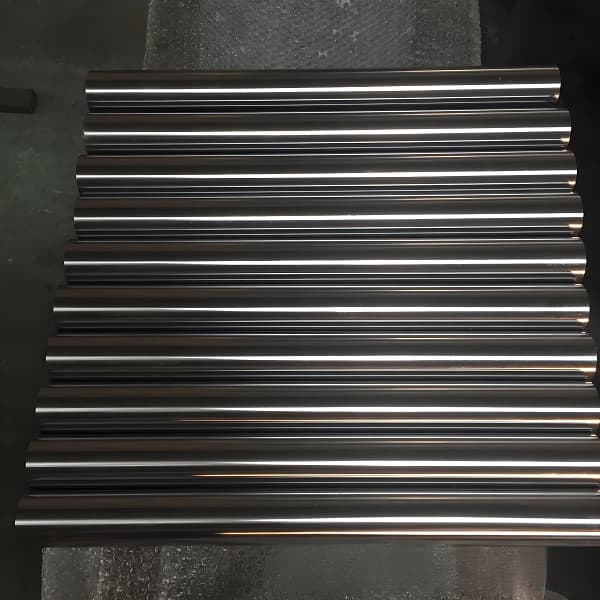
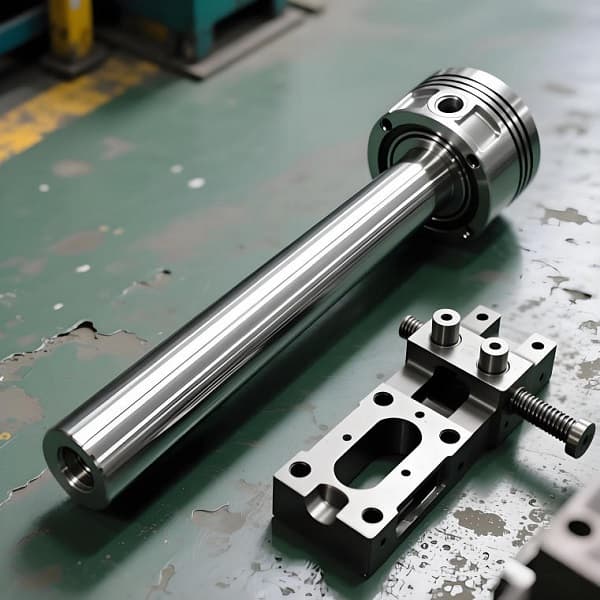
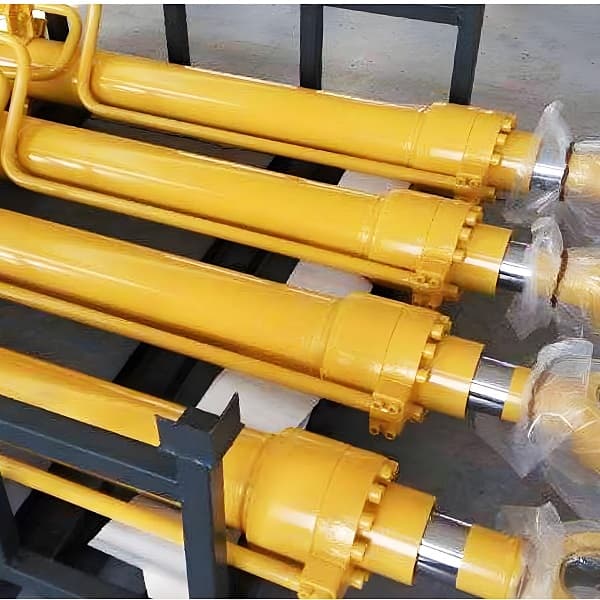
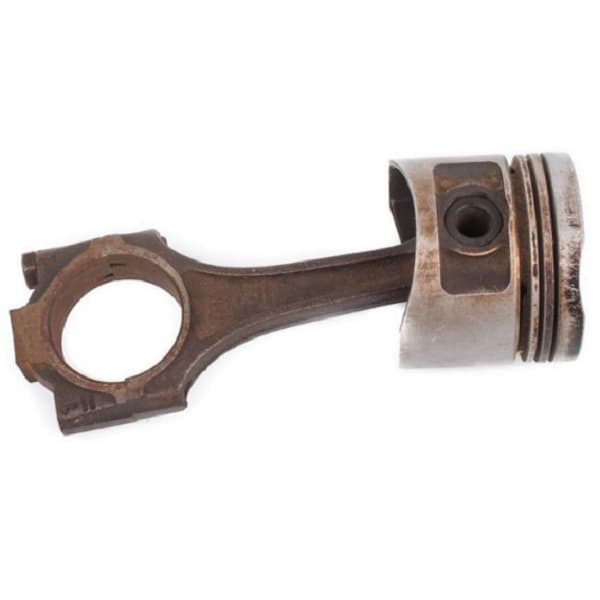
From the acidic mists of chemical reactors to the salty sea air of ocean-going vessels, and the corrosive cleaning agents in food processing plants—countless core components in industrial machinery are constantly exposed to the relentless attack of corrosive substances. Ordinary piston rods, under such conditions, can suffer surface corrosion, loss of precision, or even catastrophic failure, leading to leaks and potentially disastrous accidents. However, corrosion-resistant piston rods, designed specifically to withstand corrosion, act like an invisible shield, ensuring the long-term, safe, and efficient operation of equipment in harsh environments.
Ordinary piston rods face severe challenges in corrosive environments. For example, in coastal areas, high concentrations of chloride (Cl⁻) and sulfate (SO₄²⁻) ions in the air rapidly destroy the protective layer on metal surfaces, leading to pitting, crevice corrosion, and stress corrosion cracking. Furthermore, acids and alkalis in chemical equipment, and cleaning agents in the food and pharmaceutical industries, accelerate the failure of piston rods. Therefore, a high-performance corrosion-resistant piston rod must possess the following characteristics:
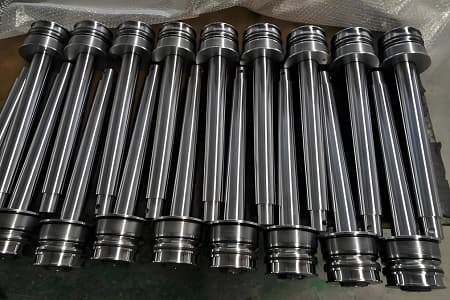
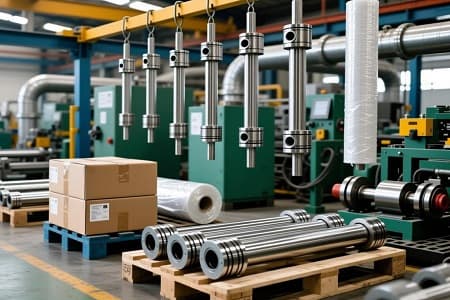
Superior chemical corrosion resistance: Resistance to specific corrosive media.
High mechanical strength and wear resistance: Maintaining stable mechanical properties in corrosive environments.
Excellent surface integrity: A defect-free surface to prevent localized corrosion.
Compatibility with sealing systems: Minimizing seal failure and leaks caused by corrosion products.
Surface Treatment Technologies: The First Line of Defense Against Corrosion
Surface treatment is crucial for enhancing the corrosion resistance of piston rods. Besides traditional hard chrome plating, several advanced technologies have emerged in recent years:
PIP Controlled Ion Implantation Technology: This technology involves implanting non-metallic and trace metal elements into the surface of the substrate, forming a multi-layer composite coating. This technology can achieve 5-10 times the corrosion resistance of hard chrome plating (up to 1100 hours in salt spray tests), 1.5-2 times the wear resistance, while also offering low friction and self-lubricating properties. Ceramic Coating Technology: A ceramic surface layer (such as zirconia) is sprayed onto a duplex stainless steel substrate, with a total thickness of not less than 0.35mm. This ceramic layer not only isolates the substrate from the corrosive medium, preventing galvanic corrosion, but also provides extremely high hardness (e.g., zirconia ceramic has a density of 6.0 g/cm³) and high-temperature resistance (operating temperature up to 1000°C).
High-Performance Coatings and Treatments: For example, using a smooth anodized aluminum coating or a multi-layer ceramic coating further enhances corrosion resistance and wear resistance.
Material Innovation: The Substrate Determines Ultimate Performance
The selection of the substrate material is fundamental to determining the performance of corrosion-resistant piston rods. Common materials include:
Duplex Stainless Steel (e.g., 2205 duplex steel): Combines high strength (minimum yield strength of 100,000 psi) with excellent resistance to pitting and crevice corrosion. Its resistance to chloride stress corrosion cracking is significantly better than that of ordinary stainless steel.
High-Strength Aluminum Alloys: Lightweight (about 30% lighter than cast iron), and corrosion resistance is achieved through surface treatment, suitable for clean environments.
High-Temperature Alloys and Special Steels: For example, high-alloy steels, often coated with hard chrome or ceramic coatings to withstand extreme conditions.
Corrosion-resistant piston rods are essential for the reliable operation of equipment in highly corrosive environments, such as:
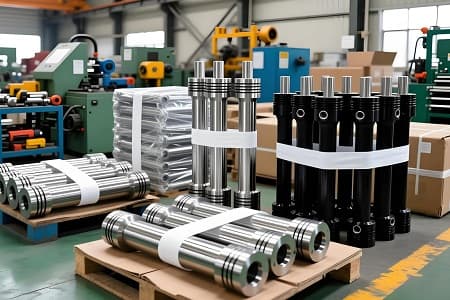
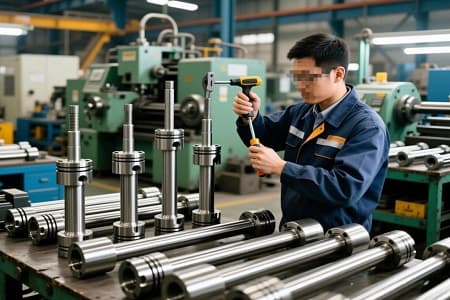
Chemical and Petrochemical Industries: Reactor agitator shafts, valve actuators, and pump piston rods for transporting acids, alkalis, organic solvents, and halides. Material selection (e.g., Hastelloy alloys, duplex steel) and coatings (e.g., thick ENP) are crucial.
Marine Engineering and Shipbuilding: Steering gears, hatch covers, and deck machinery hydraulic cylinders. For applications involving prolonged immersion or exposure to salt spray and high humidity environments, stringent requirements for seawater corrosion resistance (pitting and crevice corrosion) and marine atmospheric corrosion resistance apply. 316L stainless steel, duplex stainless steel, specialized nickel-copper alloys (such as Monel), or high-performance coatings are standard solutions.
Food & Beverage and Pharmaceutical Industries: Filling machines, sterilizers, CIP cleaning equipment (cylinder/piston rods). These applications require resistance to acidic/alkaline cleaning agents, steam, and food-related corrosion, while also complying with food safety regulations (e.g., FDA). High-grade stainless steel (316L) with a high polish finish is typically used, sometimes combined with a food-grade coating.
Water Treatment & Environmental Engineering: Aeration equipment in wastewater treatment plants, sludge filter presses, and piston rods for seawater desalination plants. These applications face corrosion from wastewater, chlorinated water, seawater, hydrogen sulfide, etc., requiring comprehensive corrosion-resistant materials and protection.
Energy & Mining: Geothermal equipment (containing H2S), mining machinery (acidic mine water), and hydraulic cylinder piston rods for flue gas desulfurization (FGD) systems in coal-fired power plants. The environment is complex and variable, with diverse corrosion factors.
With increasingly stringent environmental regulations (e.g., RoHS compliance) and evolving industrial demands, corrosion-resistant piston rod technology is developing in several directions:
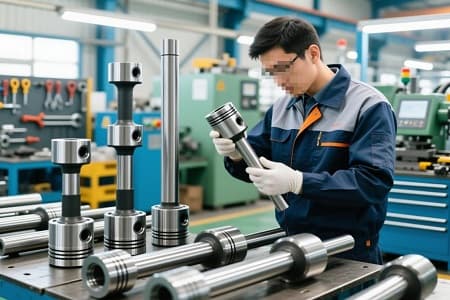
Environmentally Friendly Process Alternatives: Technologies like PIP have achieved zero emissions, becoming a sustainable alternative to electroplating.
Intelligent Monitoring: Integrated sensors monitor corrosion status and surface damage in real time, enabling predictive maintenance.
Multilayer Composite Design: Combining the advantages of the substrate and coating, such as “stainless steel substrate + bonding layer + ceramic topcoat,” further enhances overall performance.
Customized Solutions: Developing specialized coatings and material combinations for specific corrosive environments (e.g., high acid, high salt).
A corrosion-resistant piston rod is not merely a simple metal component. It is a testament to the ingenuity of materials scientists in combating chemical corrosion, and a robust safeguard for reliable equipment operation under harsh conditions. Through the use of carefully selected, highly corrosion-resistant alloys, a precisely engineered protective surface coating, and a meticulously designed structure, it can withstand the effects of acid rain and salt spray, reliably delivering precise power even in environments full of chemicals and moisture.