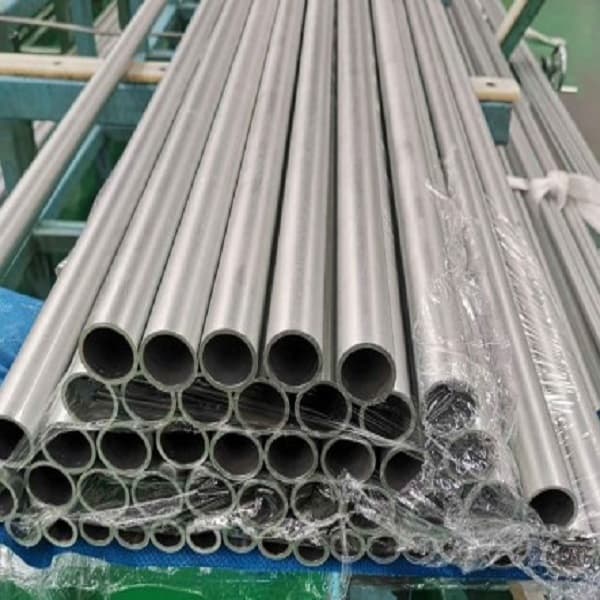
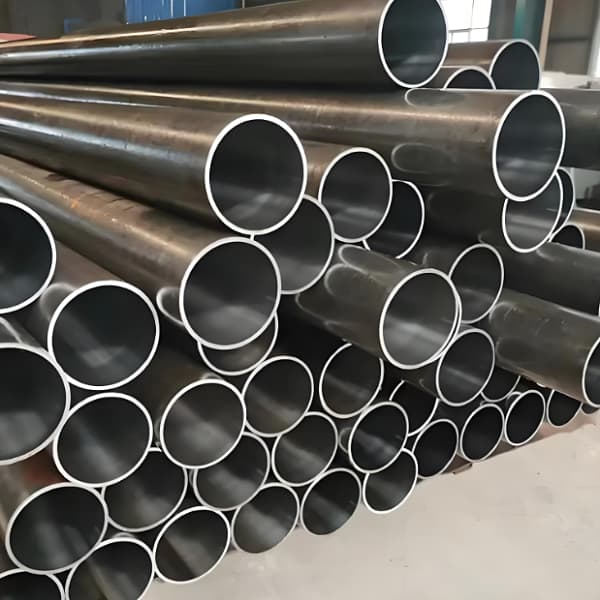
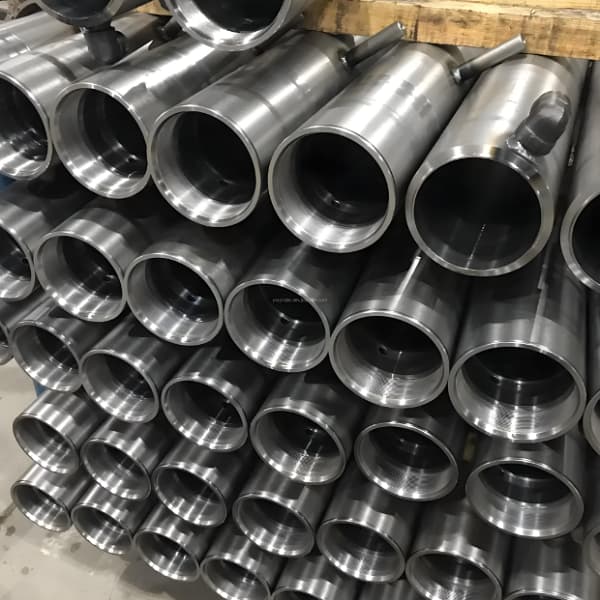
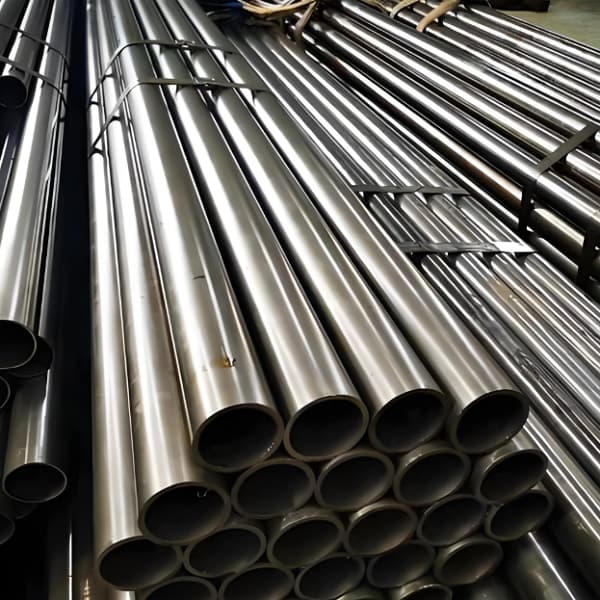
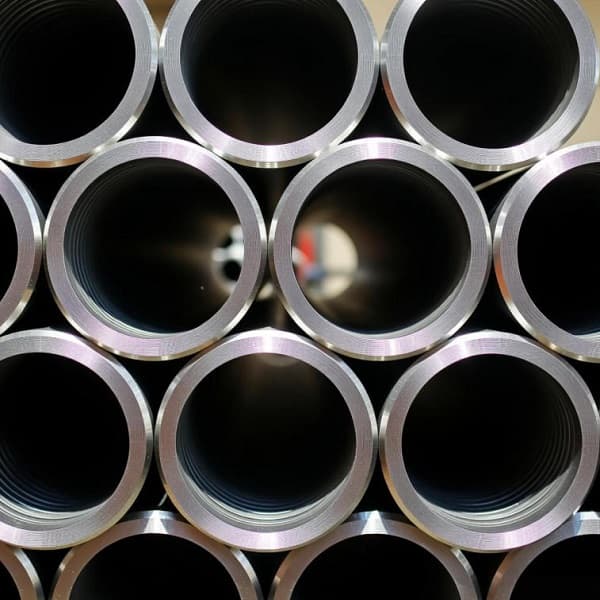
1. High-Quality Raw Materials Our raw materials are primarily sourced from renowned steel mills such as Jiangsu BOS Hydraulic Technology Co., Ltd., Baosteel, Ansteel, and Changjiang Steel Pipe.
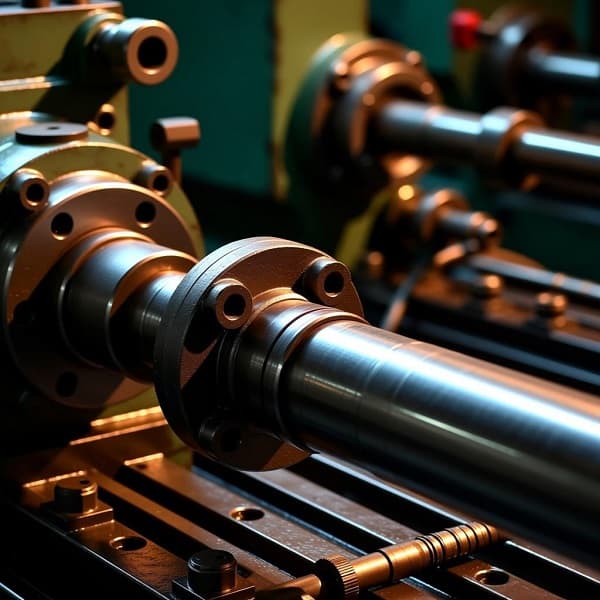
2. Advanced Production Equipment Our manufacturing facilities include cold drawing machines, honing machines, skiving and roller burnishing machines, straightening equipment,polishing machines, heat treatment furnaces, grinding machines, and more.
3. Rich production experience, strict quality control We implement a professional internal quality control system to conduct comprehensive inspections on all products.
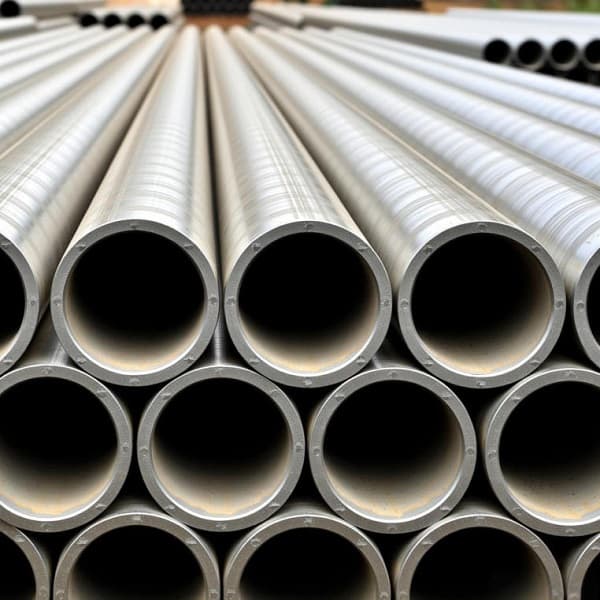
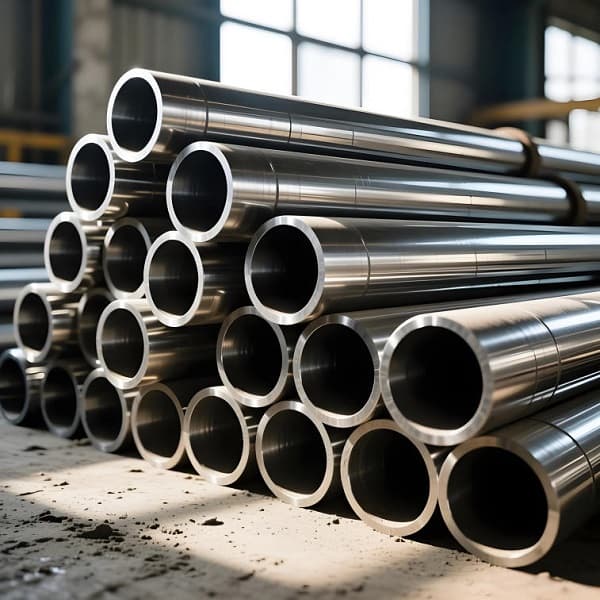
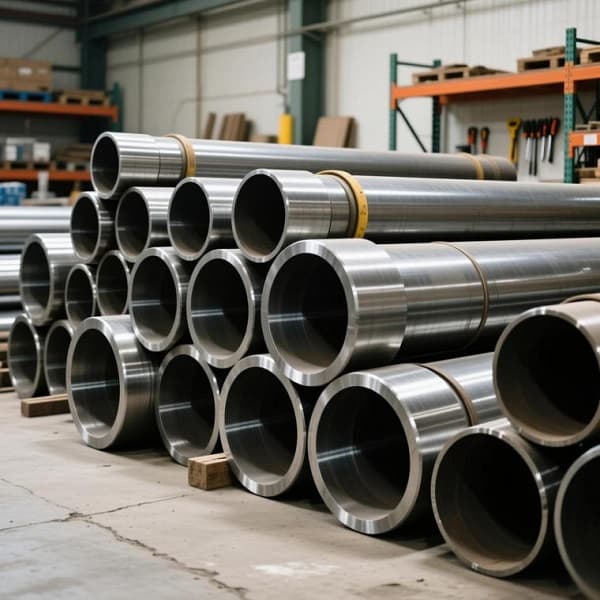
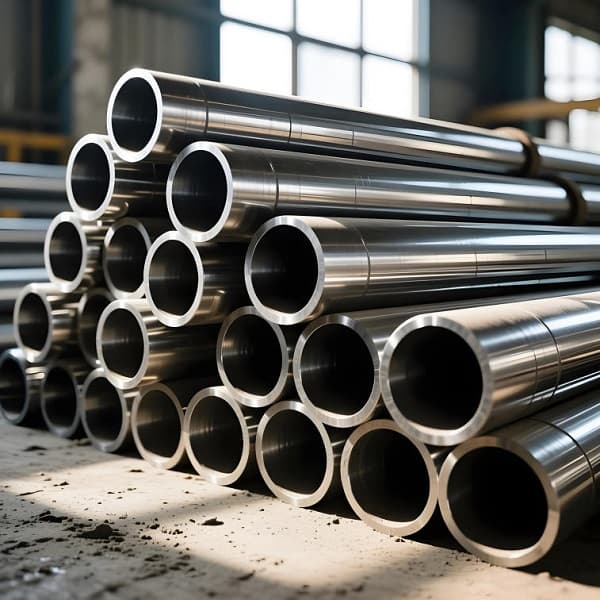
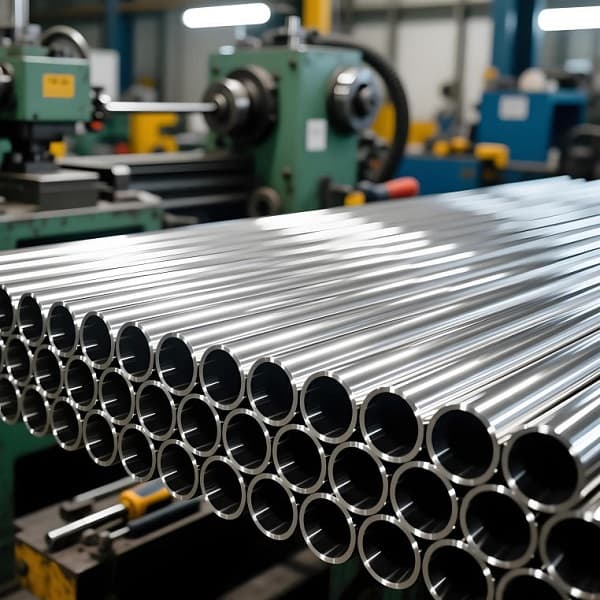
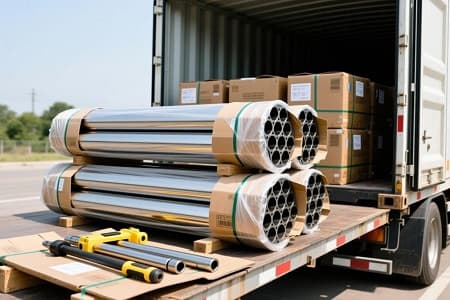
In modern industry, the performance of every critical component directly impacts the reliability and efficiency of the entire system. Double Chrome Layer Honed Tube, with its exceptional wear resistance, ultra-high precision, and long service life, is becoming a core element of high-end hydraulic and pneumatic systems. This advanced tubing seamlessly combines the protective benefits of double chrome plating with precision honing, providing a reliable solution for industrial applications under extreme operating conditions.
The manufacturing of Double Chrome Layer Honed Tube is a multi-stage precision process, each of which has a decisive impact on the performance of the final product. The selection of the base material is paramount, typically high-quality low-carbon steel for its excellent machinability and suitability for electroplating. The base tube undergoes rigorous pre-treatment, including cleaning, degreasing, and activation, to ensure a strong bond between the coating and the base material.
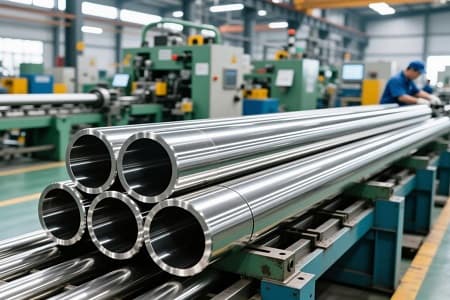
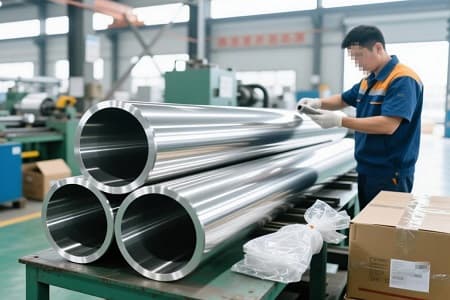
The chrome plating process utilizes a step-by-step electrodeposition technique. Initially, a matt chrome layer is deposited at 60-65°C and a current density of 15-25 A/dm² for 30 minutes. This layer provides excellent corrosion protection, with a dense microstructure and low porosity, effectively blocking the penetration of corrosive media. Subsequently, electroplating continues at 55-60°C and a higher current density of 40-50 A/dm² for 90 minutes to form a bright chrome layer. This layer exhibits a higher hardness (HRC ≥ 50) and an optimized crystal structure orientation, providing excellent wear resistance and surface hardness.
The plating bath formulation requires precise control, typically containing 200-250 g/L CrO₃, 2.2-2.6 g/L H₂SO₄, and 2.0-3.5 g/L Cr³⁺ ions. This composition provides an ideal electrochemical environment for uniform deposition of the chrome layer. After completion, the pipes undergo a baking treatment, typically at 200-230°C for 2-3 hours, to reduce the risk of hydrogen embrittlement and improve the toughness and bonding strength of the coating.
The final honing process is a critical step in achieving a precise surface finish. Honing uses a set of oilstones to micro-cut the pipe’s inner wall under a predetermined pressure, while simultaneously performing a rotating and reciprocating motion. This process not only improves surface finish (reaching Ra 0.2-0.4μm) but also creates a cross-grained surface structure that facilitates lubricant film retention, reduces friction, and improves wear resistance. Honing also corrects the pipe’s geometry, ensuring precision tolerances and straightness.
Double Chrome Layer Honed Tube offers several advantages, enabling it to excel in demanding industrial environments:
Excellent Wear Resistance: The double-layer chrome plating provides exceptionally high surface hardness (macrohardness up to HRC 58-65), making the tube far more wear-resistant than ordinary steel pipe. The chrome layer exhibits a low coefficient of friction, especially under dry friction conditions, one of the lowest of all metals.
Excellent Corrosion Resistance: The double chrome layer provides a double barrier of protection, effectively resisting corrosion from water, chemicals, and other corrosive substances. This construction is particularly suitable for environments subject to humidity, high temperatures, or chemical exposure.
Extreme Dimensional Accuracy and Surface Quality: The honing process ensures extremely low surface roughness and precise dimensional control on the tube’s inner wall, reducing frictional resistance and providing an ideal surface for piston seals, effectively preventing leaks and improving system efficiency.
Excellent Heat Resistance: The chrome layer exhibits excellent heat resistance, maintaining no noticeable change in gloss or hardness even when heated below 500°C, making it suitable for high-temperature operating environments.
High Fatigue and Vibration Resistance: Similar to the vibration fatigue resistance of double-layer coil-welded tubing, Double Chrome Layer Honed Tube can withstand high-frequency reciprocating motion and heavy loads, making it particularly suitable for applications such as hydraulic and pneumatic cylinders.
In hydraulic systems, Double Chrome Layer Honed Tube is an ideal material for manufacturing hydraulic cylinder barrels. Hydraulic systems often operate under high pressure (up to 300 bar or higher), requiring the inner wall of the cylinder to have an extremely low coefficient of friction, high wear resistance, and precise dimensional control. Double Chrome Layer Honed Tube not only meets these requirements but also resists chemical attack from hydraulic fluids and rust caused by moisture contamination, significantly extending the service life of the hydraulic cylinder.
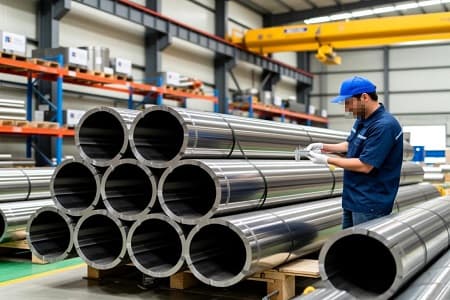
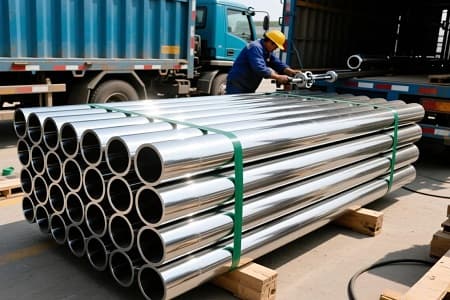
Double Chrome Layer Honed Tube excels in high-temperature and high-pressure environments, such as power plants, metallurgical equipment, and chemical machinery. These environments require tubing to simultaneously withstand corrosive media, thermal degradation, and mechanical stress. The opalescent chrome layer of the double chrome layer effectively combats hot corrosion, while the bright chrome layer provides essential wear resistance.
Precision instruments and automation equipment are another key application area. Here, double-chrome honed tubes are used in linear motion systems, guide components, and measuring devices. Their precise dimensional control and smooth surface ensure motion accuracy, while their low friction reduces energy loss and heat generation, improving the precision and reliability of the entire system.
In heavy-duty machinery such as construction machinery, mining equipment, and agricultural machinery, double-chrome honed tubes are used in critical components such as hydraulic cylinders, pistons, and guide sleeves. These devices often operate in harsh environments, exposed to abrasive particles, corrosive substances, and extreme loads. The wear and corrosion resistance of the double-chrome structure significantly reduces failure rates and maintenance requirements, thereby increasing equipment availability and service life.
Double-chrome honed tubes have also found applications in high-end fields such as aerospace, automotive manufacturing, and marine engineering. These industries have extremely stringent requirements for material performance and quality, and double-chrome honed tubes meet these demands, providing safe and reliable performance.
Choosing the right Double Chrome Layer Honed Tube is crucial to ensuring the performance and reliability of the entire system:
Coating Quality: Focus on the thickness, uniformity, and bonding strength of the chrome layer. A high-quality double-layer chrome plating structure should be uniform and dense, firmly bonded to the substrate, and resistant to peeling.
Dimensional Accuracy and Surface Finish: Determine the appropriate diameter tolerance, wall thickness tolerance, and surface roughness grade based on the seal type and operating pressure requirements. Tubes with higher precision provide better sealing and lower friction.
Straightness and Roundness: Excellent straightness and roundness are key factors in ensuring smooth piston movement and reducing eccentric wear.
Environmental Compatibility: When operating in high-temperature or highly corrosive environments, the specific suitability of the tubing must be confirmed. Although the chrome layer has good heat resistance, its hardness decreases with increasing temperature.
With the continuous advancement of industrial technology, Double Chrome Layer Honed Tube faces new opportunities and challenges. Future development trends focus on the following areas:
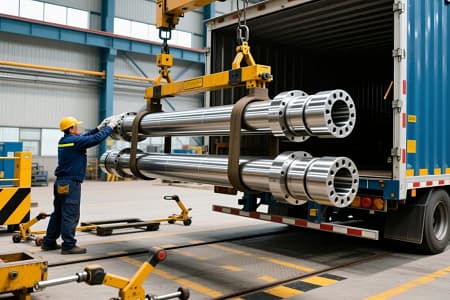
Advances in materials science will drive further improvements in coating performance. Researchers are developing new chromium-based composite coatings, such as enhanced chromium coatings incorporating nanoparticles. These composite materials can further enhance the coating’s hardness, wear resistance, and corrosion resistance. Furthermore, environmentally friendly trivalent chromium electroplating processes are gradually replacing traditional hexavalent chromium processes to reduce environmental impact and health risks.
Optimizing the manufacturing process for double chrome layer honed tubes is another key development direction. The introduction of automation and intelligent technologies will make the manufacturing process more precise and efficient. For example, real-time monitoring systems can precisely control electroplating parameters to ensure consistent coating quality; adaptive honing technology can adjust processing parameters based on real-time measurement data, achieving higher levels of dimensional accuracy and surface quality.
Expanding application areas is also a future development trend. With the rise of emerging fields such as new energy, medical devices, and robotics, the demand for high-performance tubing continues to increase. Double chrome layer honed tubes are expected to find new applications in these areas, such as hydraulic systems for wind turbines, precision actuators for surgical robots, and suspension systems for electric vehicles.
Finally, sustainability and the circular economy will become important considerations in technology development. This means not only reducing resource consumption and environmental impact during the manufacturing process, but also considering recycling at the end of a product’s life.