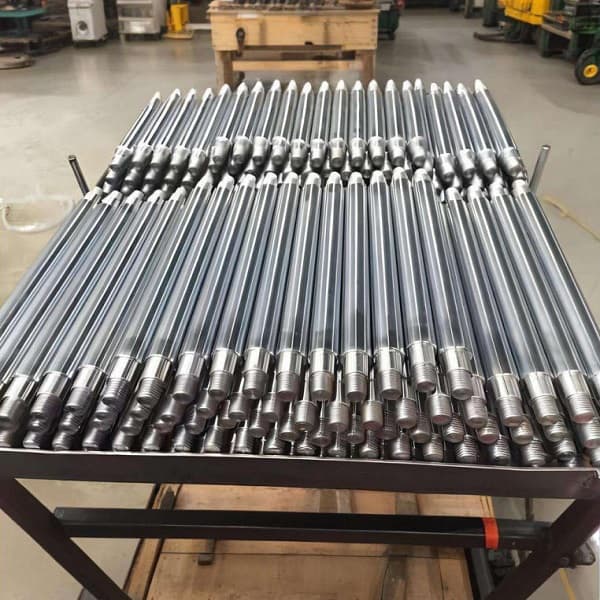
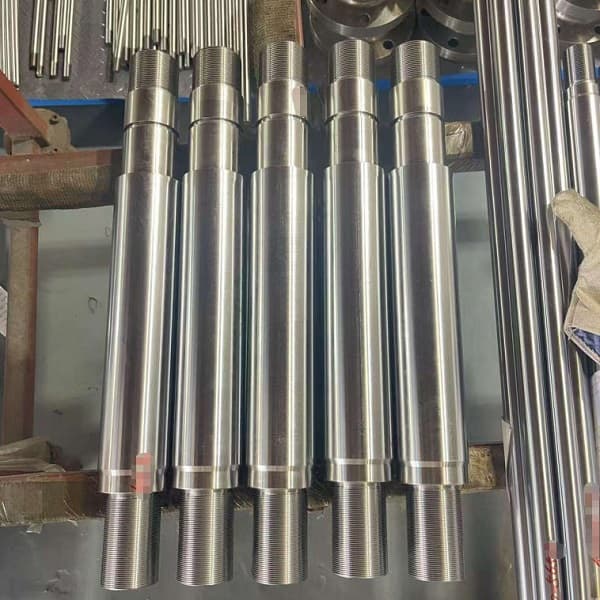
1. High-Quality Raw Materials Our raw materials are primarily sourced from renowned steel mills such as Jiangsu BOS Hydraulic Technology Co., Ltd., Baosteel, Ansteel, and Changjiang Steel Pipe.
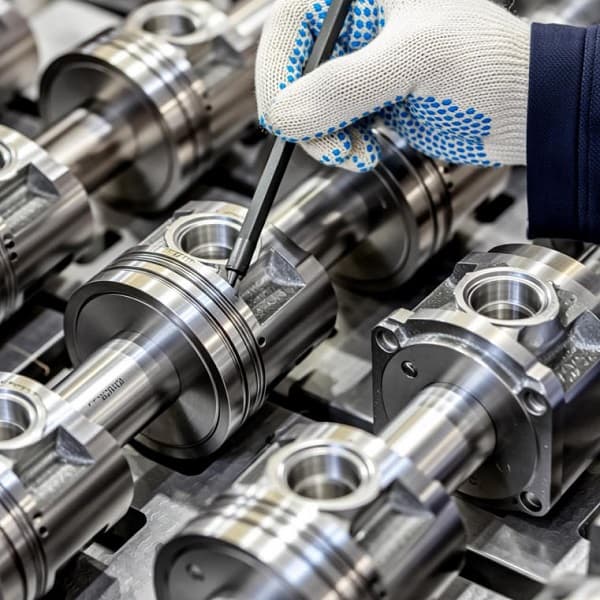
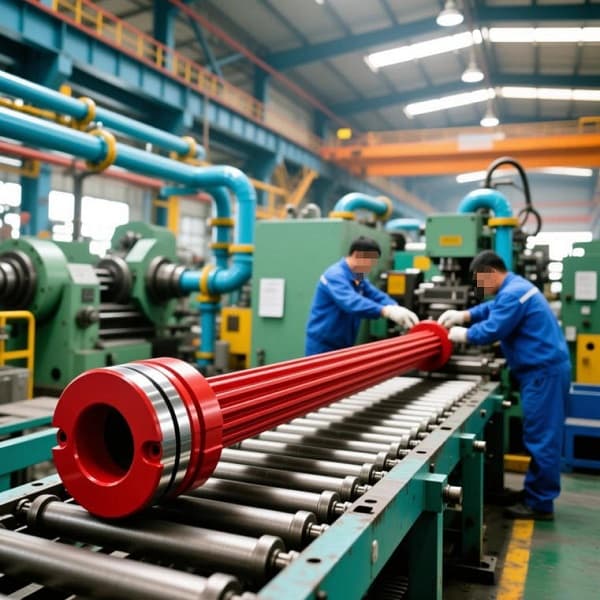
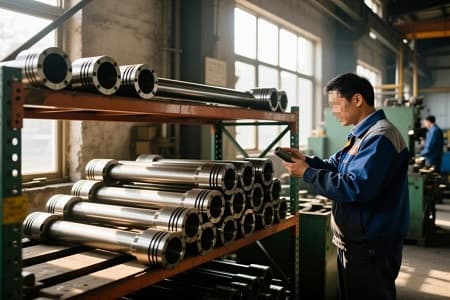
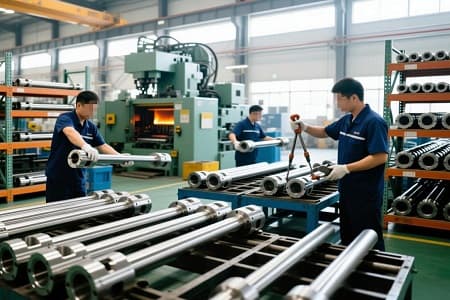
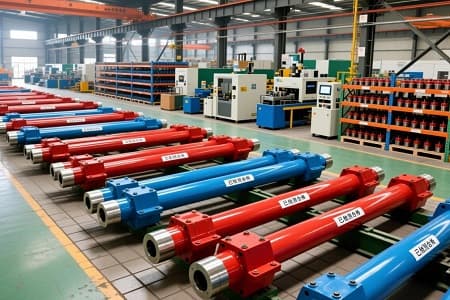
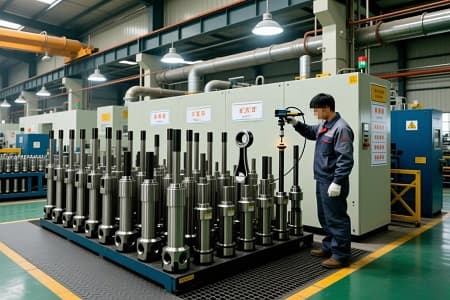
2. Advanced Production Equipment Our manufacturing facilities include cold drawing machines, honing machines, skiving and roller burnishing machines, straightening equipment,polishing machines, heat treatment furnaces, grinding machines, and more.
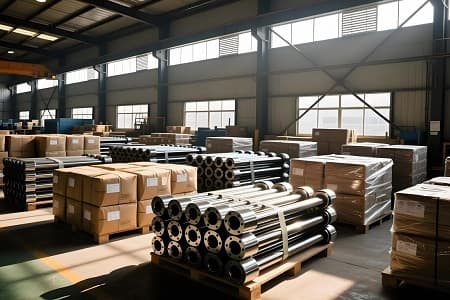
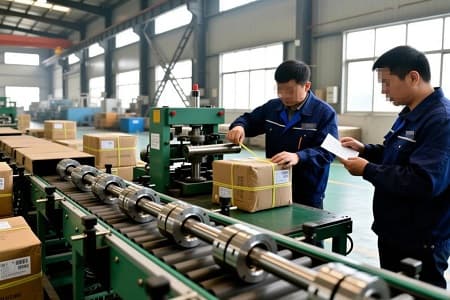
3. Rich production experience, strict quality control We implement a professional internal quality control system to conduct comprehensive inspections on all products.
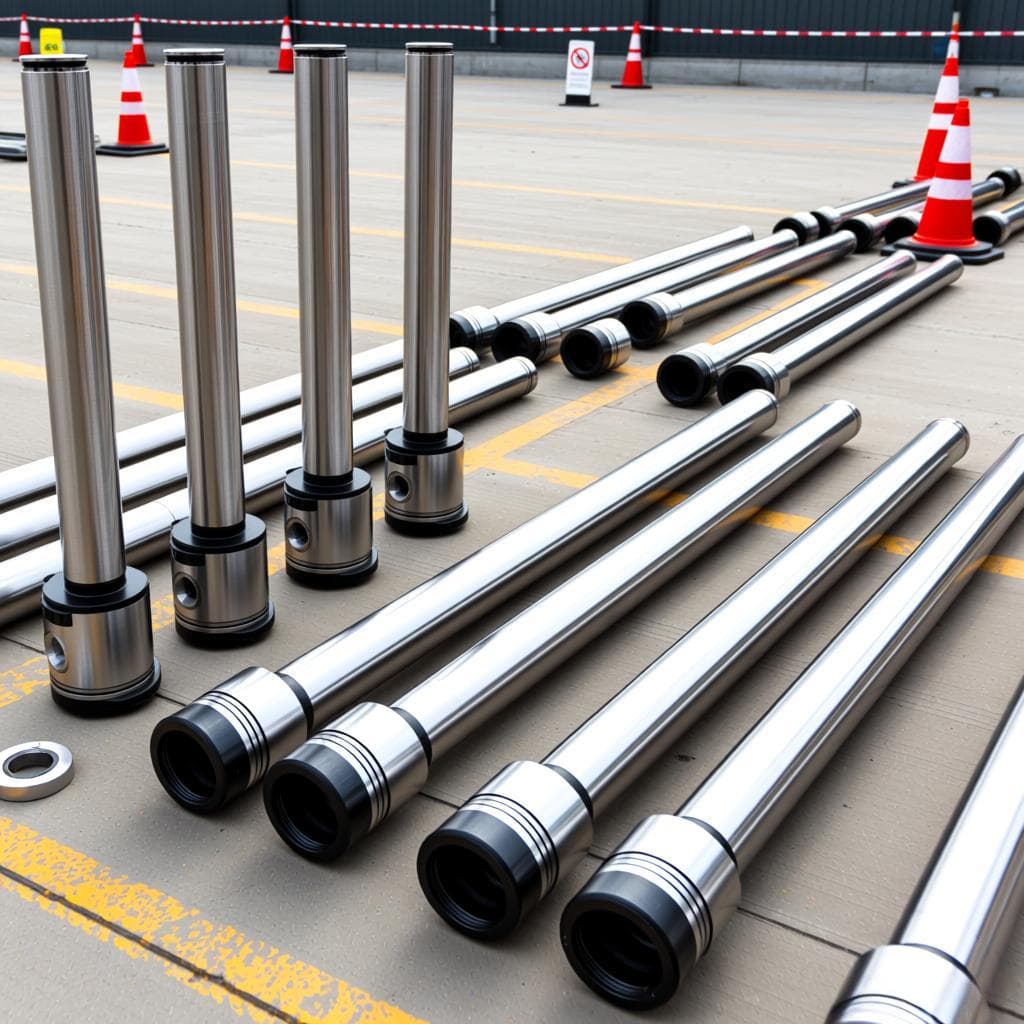
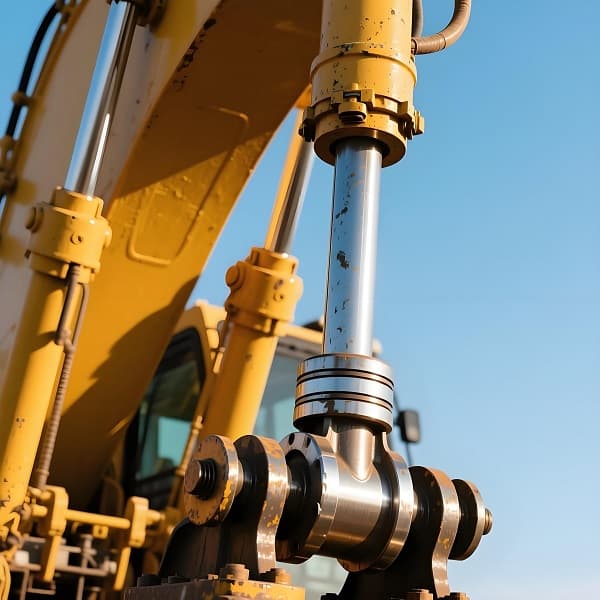
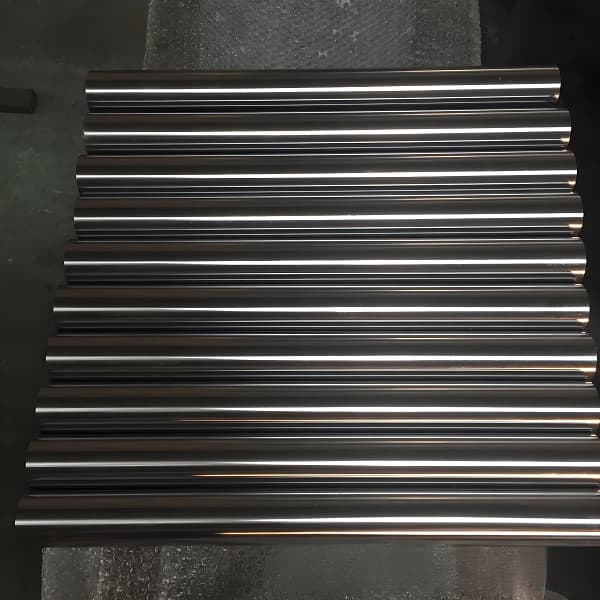
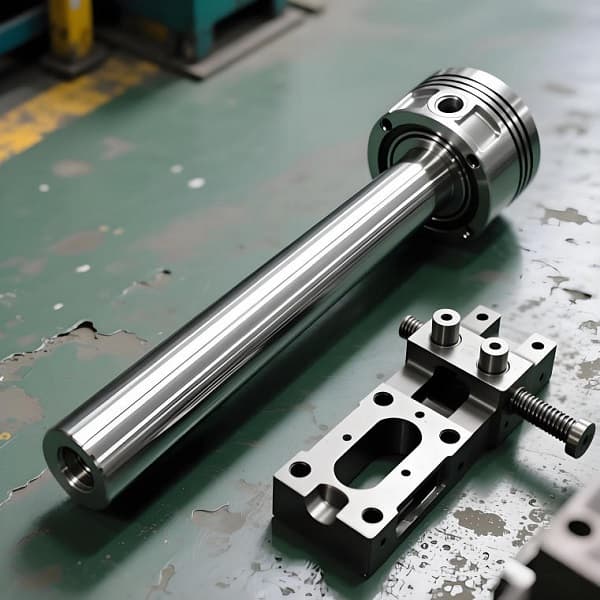
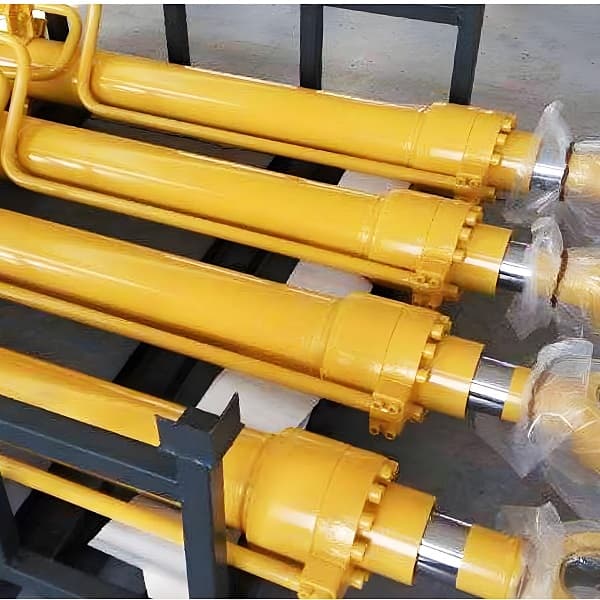
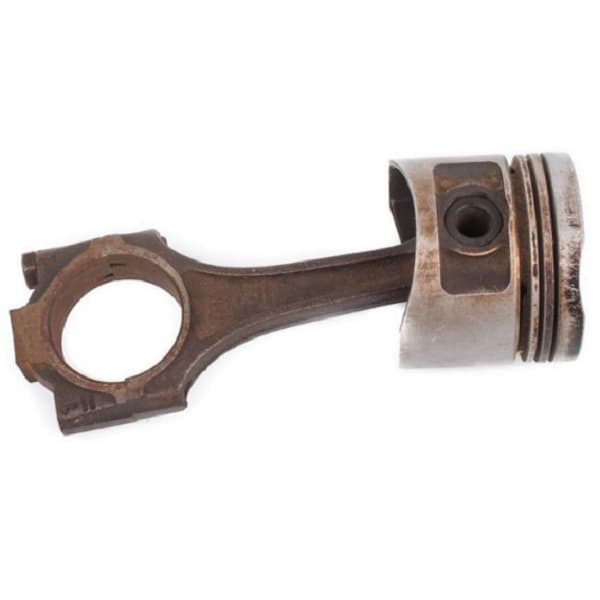
From steel furnaces and engine cores to the depths of the Earth's crust – in countless industrial settings, the core power components of equipment are subjected to extreme temperatures far beyond the norm. Ordinary piston rods quickly fail in such environments: deformation, softening, oxidation, and corrosion lead to complete failure. High-temperature piston rods, specifically designed to withstand these thermal extremes, are the "lifeline" ensuring the stable operation of these critical equipment, becoming an indispensable, cutting-edge component in high-temperature power transmission applications.
The operating environment for high-temperature piston rods is often extremely harsh. Long-term exposure to high temperatures presents a series of severe challenges for the materials:
Strength Degradation and Creep: The yield strength and fatigue strength of metal materials significantly decrease at high temperatures, and creep deformation under sustained stress leads to permanent damage.
Oxidation and Corrosion: High temperatures accelerate oxidation reactions on the material surface, and in some cases, chemical corrosion further reduces the service life of the piston rod.
Seal Failure Risk: High temperatures cause seal materials to age, harden, and lose elasticity, leading to fluid leakage, reduced system efficiency, and even system failure.
Reduced Dimensional Stability: Thermal expansion coefficients cause dimensional changes, affecting dimensional accuracy and potentially leading to jamming or abnormal wear.
Therefore, a high-quality high-temperature piston rod must possess excellent heat resistance, high-temperature strength, creep resistance, oxidation resistance, corrosion resistance, and good thermal stability.
Material technology is the foundation for breakthroughs in high-temperature piston rod performance. Traditional carbon steel or ordinary alloy steel cannot meet the demands of extreme operating conditions; advanced material solutions have emerged:
High-Temperature Alloys: Such as nickel-based alloys (Inconel 718, Inconel 625) or cobalt-based alloys, these alloys contain high concentrations of chromium, molybdenum, tungsten, etc., forming a stable protective oxide layer (such as Cr₂O₃), providing excellent high-temperature strength and oxidation resistance, suitable for environments exceeding 800°C. Specialty Stainless Steels: For example, martensitic precipitation-hardened stainless steels (such as 17-4PH) or austenitic stainless steels (such as 310S), through proper alloy design and heat treatment, exhibit excellent comprehensive performance within the 600-800°C temperature range.
Ceramic and Metal-Ceramic Coatings: Applying hard chrome plating (a traditional but improved method) or more advanced ceramic coatings (such as Al₂O₃ or Cr₃C₂-based coatings) to high-strength substrates (such as 42CrMo) significantly enhances surface hardness, wear resistance, and corrosion resistance, while also acting as a thermal barrier.
Novel Sealing Materials: The sealing system, which interacts with the piston rod, also requires innovation. PTFE composites or elastomers with special fillers can withstand high temperatures and maintain sealing performance.
Besides materials, precise design and manufacturing processes are crucial for the performance of high-temperature piston rods.
Structural Design: Thermal expansion effects must be considered, requiring precise clearance design and stress analysis. Proper arrangement of guide bushings, dust seals, and wear rings ensures stable piston rod movement and reduces wear.
Surface Treatment Technology: High-performance surface treatments not only prevent corrosion but also reduce friction and wear. For example, precision grinding and polishing to a mirror finish (e.g., Ra 0.2-0.4 μm) significantly reduces the coefficient of friction and protects the seals.
Cooling and Heat Dissipation Design: For extremely high temperature applications, internal cooling channels or external heat dissipation structures are sometimes used to keep the piston rod’s operating temperature within the material’s allowable range.
Rigorous Quality Control and Testing: From forging, heat treatment, machining, and surface treatment, every process requires strict quality control. Non-destructive testing (such as ultrasonic testing and dye penetrant inspection) ensures the absence of defects in the material. Across the Frontlines: Key Application Areas
Die Casting and Molten Metal Processing: Piston rods in die casting machines and continuous casting equipment for steel withstand the intense heat of molten aluminum, magnesium, and zinc alloys (600°C – 800°C). These rods ensure precise mold opening and closing and stable billet transport.
Energy and Power Systems: Piston rods in exhaust valve mechanisms of internal combustion engines (especially turbocharged diesel engines) and gas turbine actuators operate in high-temperature engine environments (500°C – 800°C+). They must maintain dimensional stability and reliable operation under extreme heat.
Glass and Ceramic Manufacturing: Piston rods in glass furnace forming machines and ceramic sintering furnaces operate in high-temperature environments (400°C – 1400°C). They are essential for precise movement of hot materials.
Chemical and Energy Exploration: Piston rods in agitators of high-temperature, high-pressure reactors (potentially exposed to corrosive media) and geothermal/deep drilling equipment face both high temperatures and corrosion.
Aerospace and Aviation: Piston rods in aircraft engine thrust reversers and hypersonic vehicle actuators demand extremely high-temperature strength, creep resistance, and lightweight performance.
As industrial technology advances, the demands on high-temperature piston rods will continue to evolve. Future trends may include:
Materials Genomics: Accelerating the development of new high-temperature materials through computational simulation.
Surface Engineering Innovations: Developing more durable nanostructured coatings and functional gradient materials.
Intelligent Condition Monitoring: Integrating sensors to monitor strain, temperature, and surface condition in real time for predictive maintenance.
Extreme Environment Adaptability: Developing piston rods capable of withstanding even higher temperatures, greater thermal shock, and more complex loads.