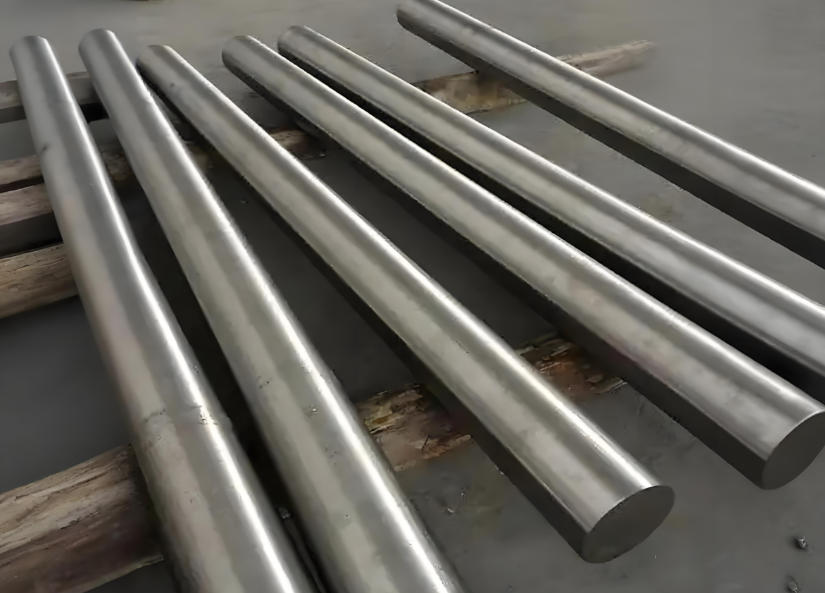
1. High-Quality Raw Materials Our raw materials are primarily sourced from renowned steel mills such as Jiangsu BOS Hydraulic Technology Co., Ltd., Baosteel, Ansteel, and Changjiang Steel Pipe.
2. Advanced Production Equipment Our manufacturing facilities include cold drawing machines, honing machines, skiving and roller burnishing machines, straightening equipment,polishing machines, heat treatment furnaces, grinding machines, and more.
3. Rich production experience, strict quality control We implement a professional internal quality control system to conduct comprehensive inspections on all products.
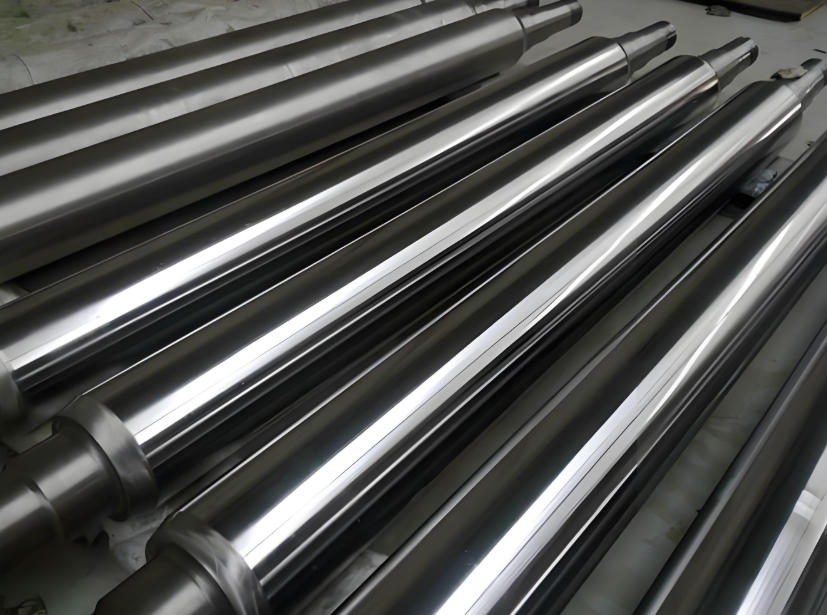
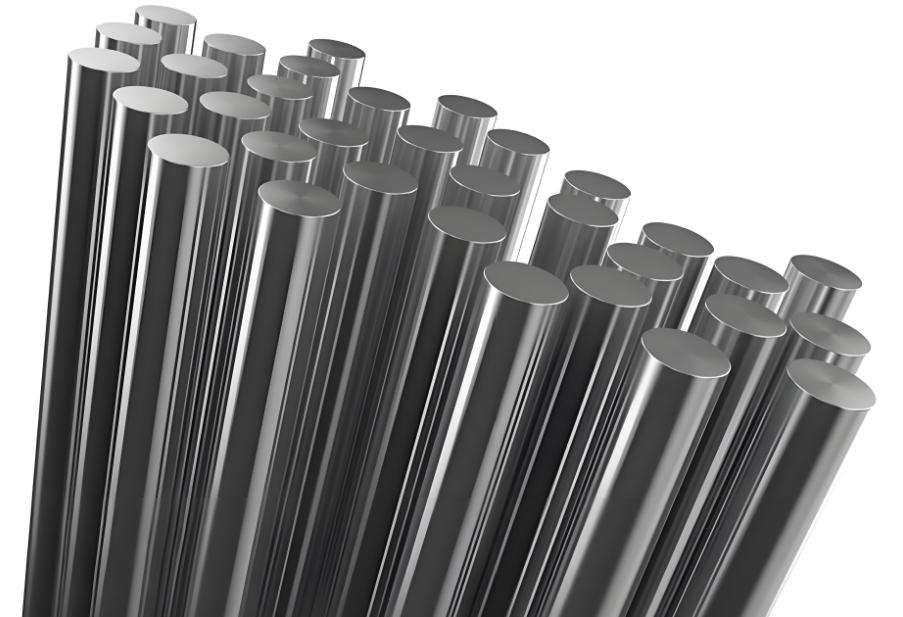
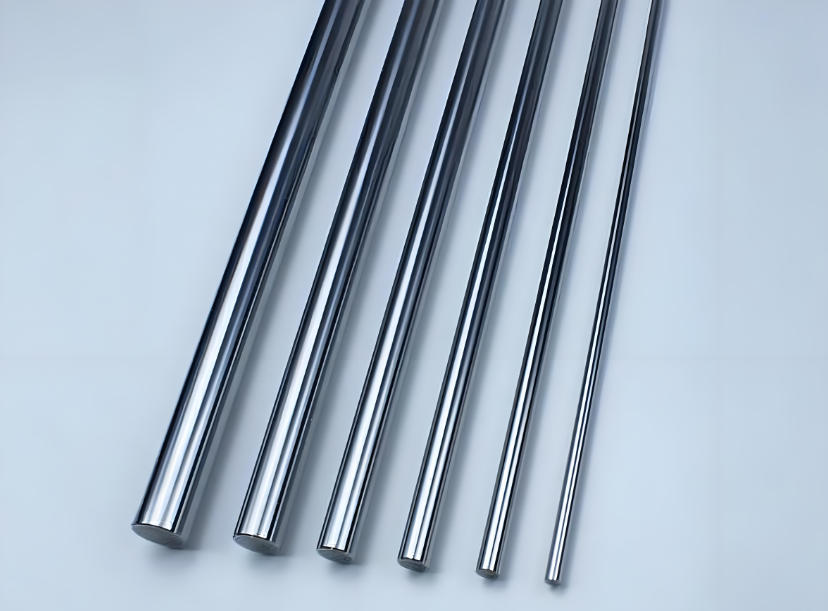
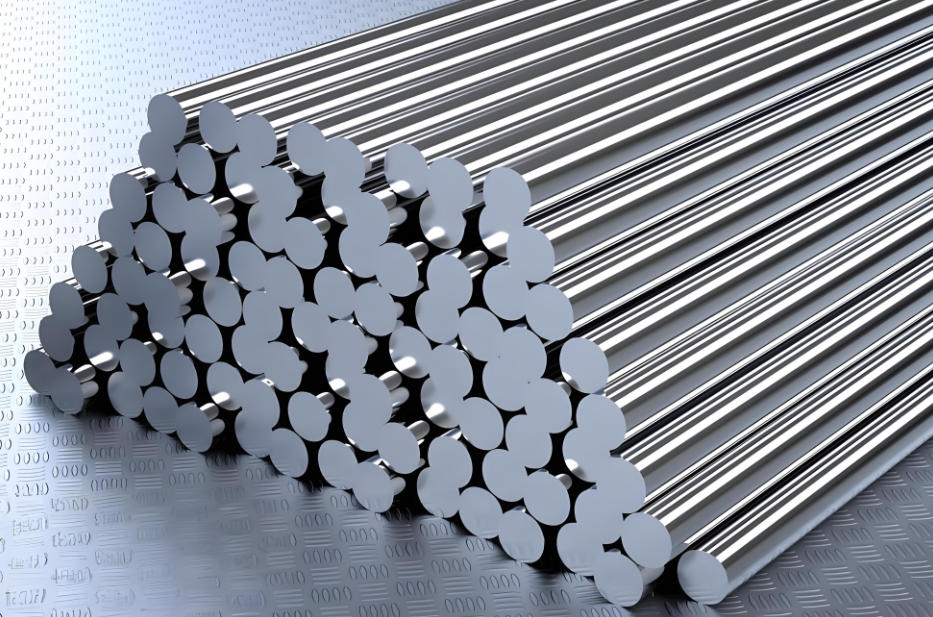
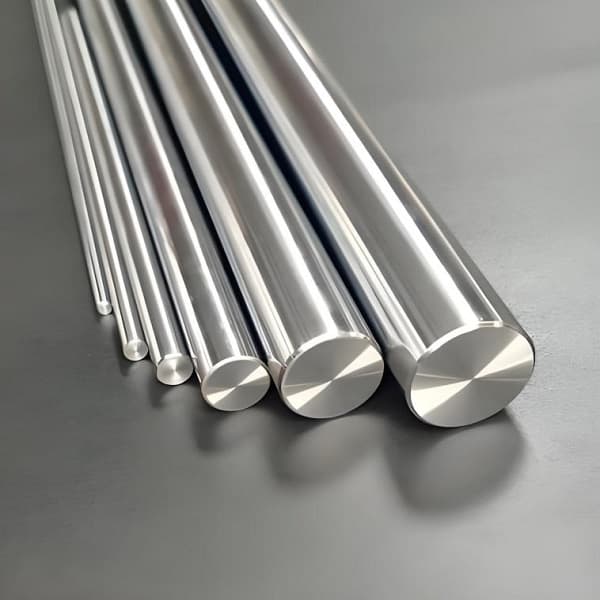
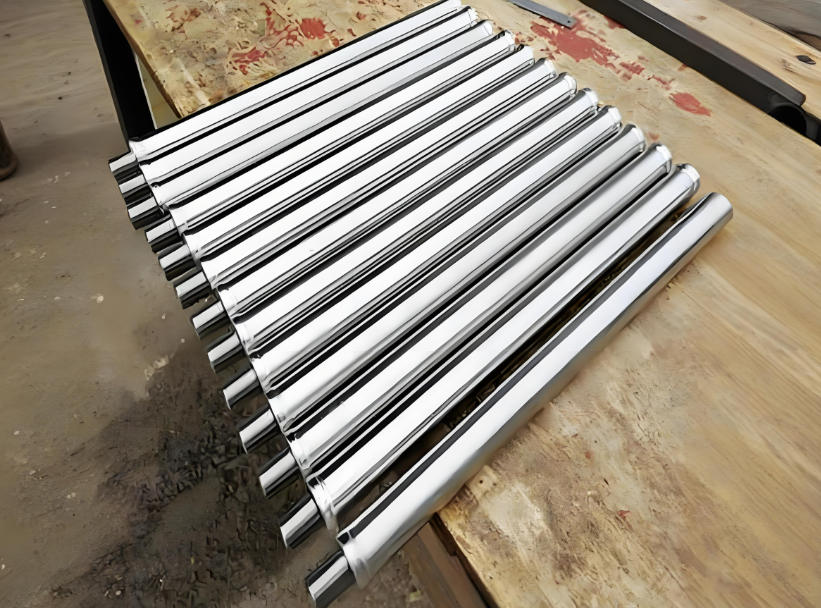
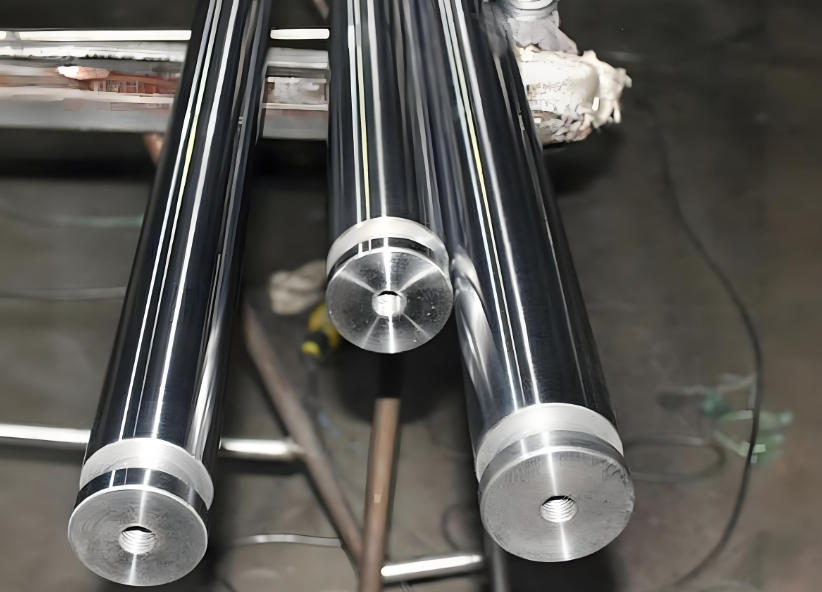
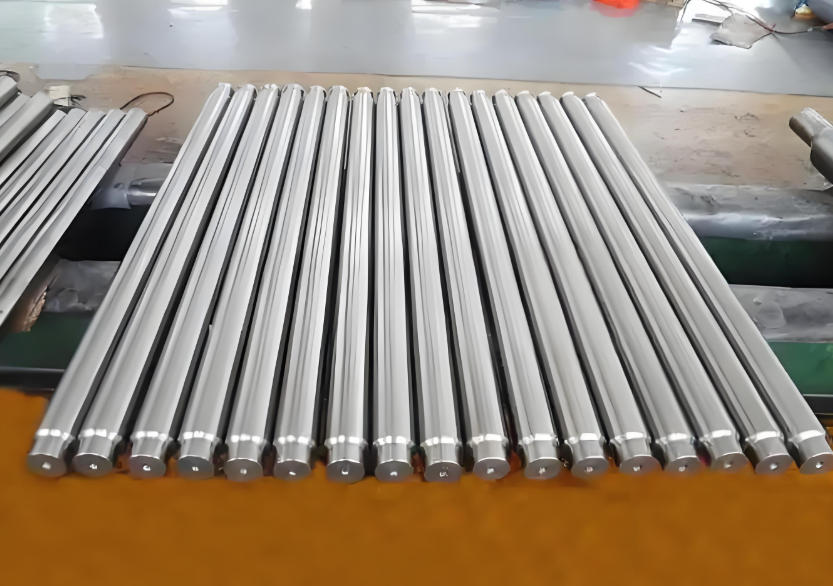
The relentless challenges of marine environments—seawater corrosion, abrasive sands, high pressure, and temperature fluctuations—demand components engineered for exceptional durability. As a specialized manufacturer of Marine-Grade Corrosion Resistant Chrome Bar, we deliver precision-engineered solutions designed to withstand these harsh conditions while maintaining peak performance. Our bars undergo a sophisticated manufacturing process that combines advanced metallurgy with surface enhancement technologies, resulting in products that offer unparalleled resistance to corrosion, wear, and mechanical stress. Unlike conventional chrome-plated bars, our Marine-Grade Corrosion Resistant Chrome Bar is tailored specifically for maritime applications, incorporating material selections and treatments that address the unique vulnerabilities of oceanic operations.
The robustness of our Marine-Grade Corrosion Resistant Chrome Bar makes it indispensable across marine and offshore industries. In shipbuilding and repair, these bars are integral to hydraulic cylinder systems used in steering mechanisms, stabilizers, and cargo handling equipment. The offshore oil and gas sector relies on them for critical subsea equipment, including remotely operated vehicles (ROVs), drilling rig actuators, and high-pressure valve systems. Additionally, the bars are widely used in port machinery (e.g., crane pistons and conveyor components), marine energy systems (such as wave and tidal power generators), and naval vessels where compliance with military-grade specifications is required. Their adaptability also extends to scientific research platforms, where precision and reliability under fluctuating oceanic conditions are paramount.
Superior Corrosion Resistance: The electroplated chromium layer, combined with proprietary pre- and post-treatment techniques, provides a robust barrier against saltwater, sulfur compounds, and other corrosive elements prevalent in marine settings. This ensures longevity even in submerged applications or splash zones.
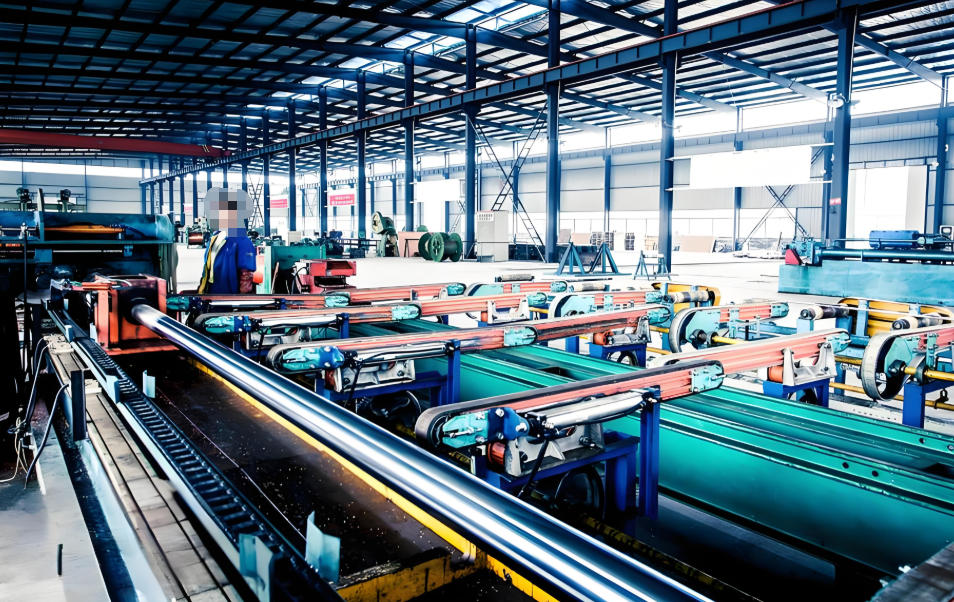
Enhanced Mechanical Strength: Through optimized heat treatment processes, our bars achieve an optimal balance between surface hardness (typically HRC 50–62) and core toughness. This dual characteristic enables them to withstand high loads, impacts, and cyclic stresses without deformation or failure.
Microbial and Abrasion Resistance: The ultra-smooth surface finish inhibits biofilm formation and bacterial adhesion, reducing the risk of microbiologically influenced corrosion (MIC). Furthermore, the hardened surface resists abrasion from suspended particulate matter, such as sand and silt, common in seabed operations.
Environmental Compliance: Our plating processes adhere to stringent environmental standards, avoiding hazardous substances like hexavalent chromium. This aligns with global regulations and sustainability goals for marine operations.
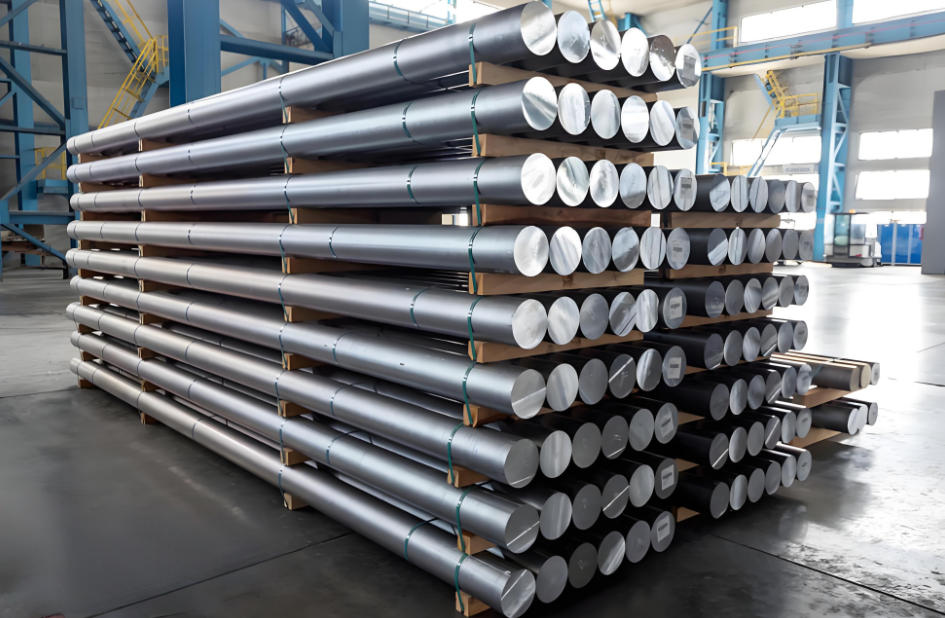
Customized Design Flexibility: We offer tailored dimensions, tolerance classes (e.g., f7/f8/g6), and plating thicknesses to meet specific operational requirements, ensuring seamless integration into diverse marine systems.
Marine-Specific Expertise: Our dedicated research and development focus on addressing the unique challenges of marine environments. From material selection to final inspection, every step is guided by decades of experience in maritime engineering.
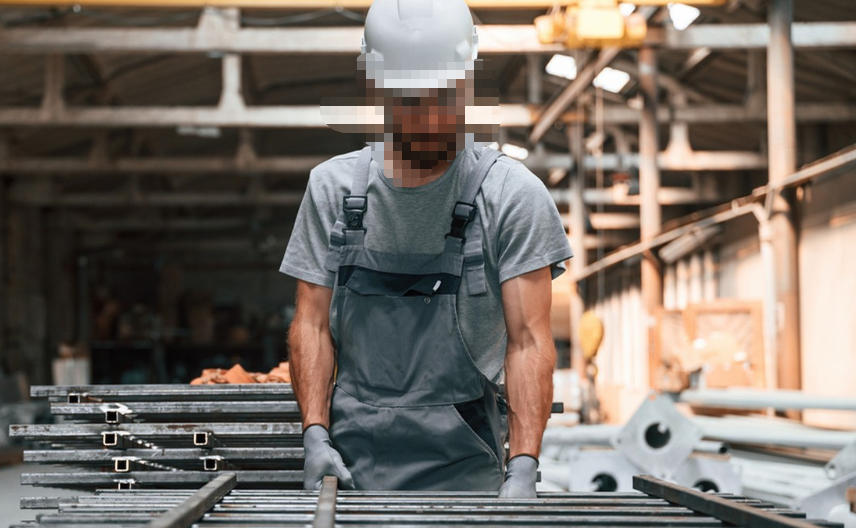
Rigorous Quality Assurance: We implement a comprehensive quality management system, including non-destructive testing, chemical composition verification, and performance validation under simulated marine conditions. This ensures each Marine-Grade Corrosion Resistant Chrome Bar meets exacting standards for reliability and safety.
End-to-End Support: Our collaboration with clients extends beyond delivery, providing technical guidance on installation, maintenance, and lifecycle optimization. This partnership approach helps minimize downtime and total cost of ownership.
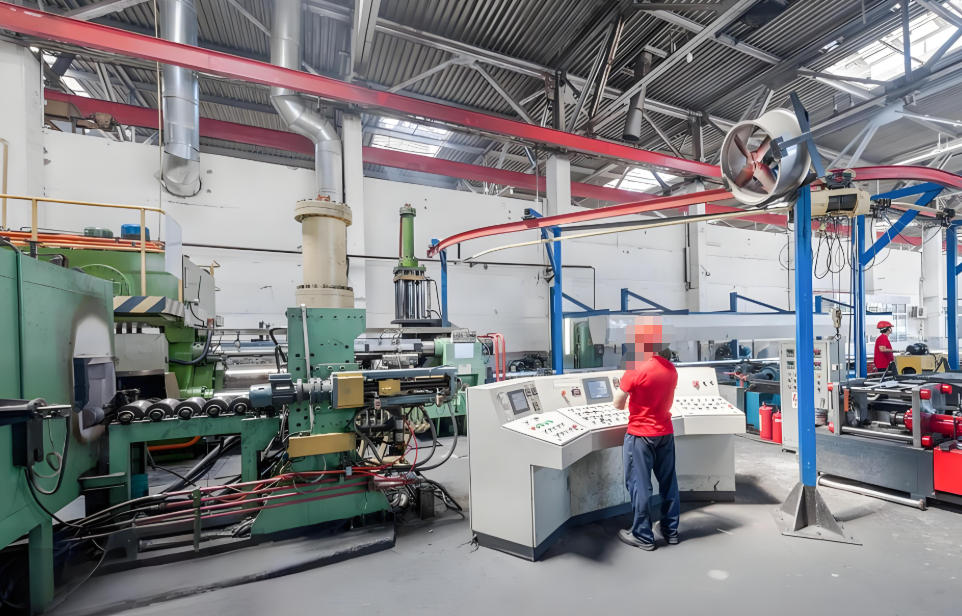
Proven Performance: Our bars have been deployed in critical subsea installations, including ROVs and offshore platforms, where they demonstrate sustained performance under pressures up to 100 bars and temperatures ranging from -20°C to 70°C.
Our Marine-Grade Corrosion Resistant Chrome Bar is available in diameters ranging from 20 mm to 300 mm, with standard lengths of up to 6.100 mm (custom lengths can be accommodated). The chrome plating thickness is precisely controlled between 20–40 μm, ensuring optimal protection without compromising dimensional accuracy. Surface hardness achieves HRC 50–62 through induction hardening processes, while tensile strength exceeds 1.000 MPa. The bars maintain straightness tolerances within 0.2 mm per meter and surface roughness values between Ra 0.1–0.4 μm, critical for high-pressure sealing and smooth operation.
Standard Marine Series: Designed for general marine applications, such as pump rods and actuator components, with balanced corrosion resistance and mechanical strength.
Deep-Sea Submersible Series: Engineered for extreme pressures and low temperatures, featuring enhanced plating density and anti-galling properties for ROVs and subsea robotics.
High-Abrasion Resistance Series: Ideal for sediment-heavy environments (e.g., dredging equipment), incorporating tungsten-carbide enhanced surfaces for superior wear resistance.
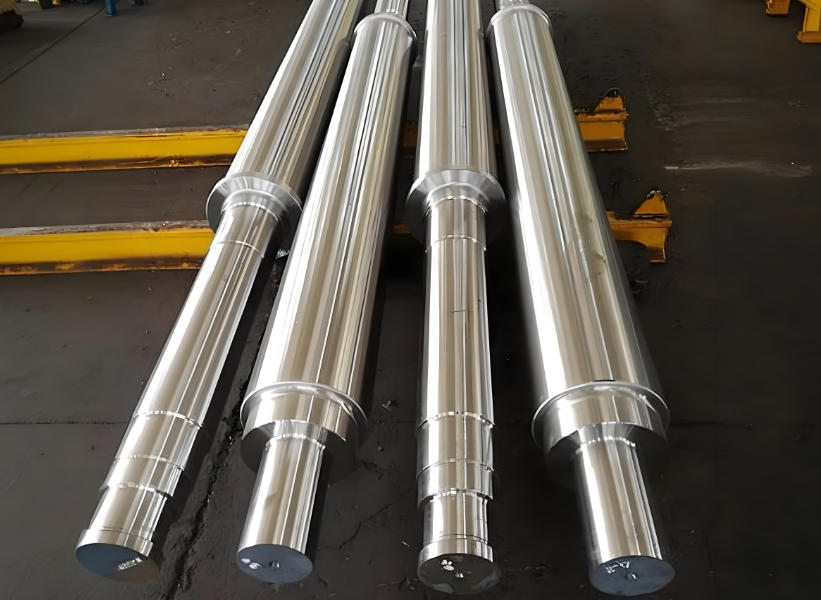
Custom Geometry Series: Tailored for non-standard applications, including stepped shafts, flanged rods, and components with integrated mounting features.
Q: How does your Marine-Grade Corrosion Resistant Chrome Bar compare to traditional stainless steel in saline environments?
A: While stainless steel offers baseline corrosion resistance, our bars provide additional protection through the dense, non-porous chromium layer, which mitigates pitting and crevice corrosion—common failure modes in saltwater exposure.
Q: Can you customize bars for high-pressure hydraulic systems in submarine applications?
A: Yes. We routinely engineer bars for operating pressures exceeding 100 bars, with precision tolerances and surface finishes that ensure reliability in critical systems.
Q: What certifications do your products hold?
A: Our manufacturing facilities comply with international standards, including ISO 9001 for quality management. We also adhere to NACE and ASTM specifications for corrosion resistance.
Q: How do you address biofouling and microbiological corrosion?
A: The ultra-smooth surface of our bars minimizes microbial adhesion. For high-risk applications, we offer specialized coatings that further inhibit organic growth.