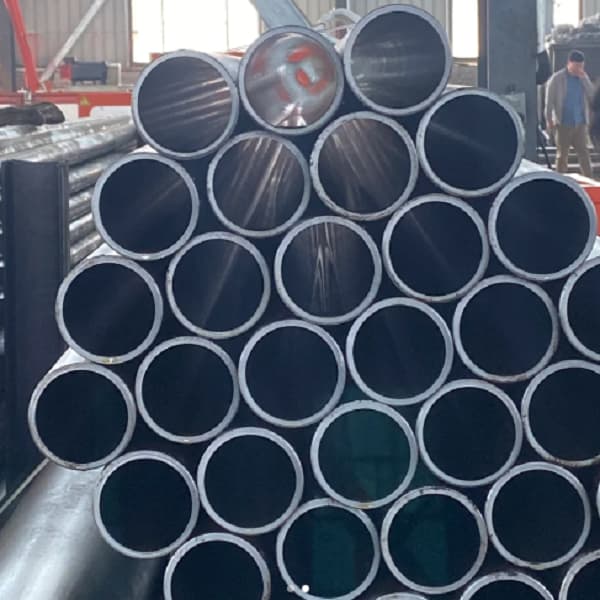
1. High-Quality Raw Materials Our raw materials are primarily sourced from renowned steel mills such as Jiangsu BOS Hydraulic Technology Co., Ltd., Baosteel, Ansteel, and Changjiang Steel Pipe.
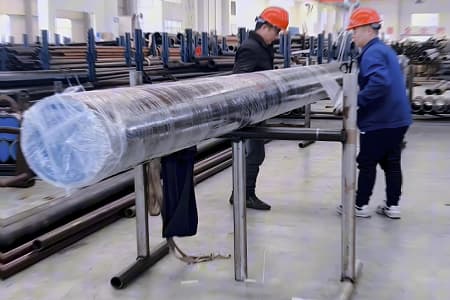
2. Advanced Production Equipment Our manufacturing facilities include cold drawing machines, honing machines, skiving and roller burnishing machines, straightening equipment,polishing machines, heat treatment furnaces, grinding machines, and more.
3. Rich production experience, strict quality control We implement a professional internal quality control system to conduct comprehensive inspections on all products.
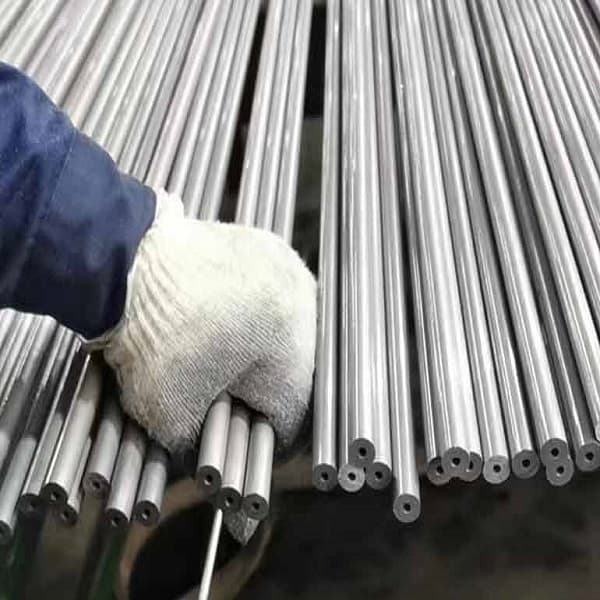
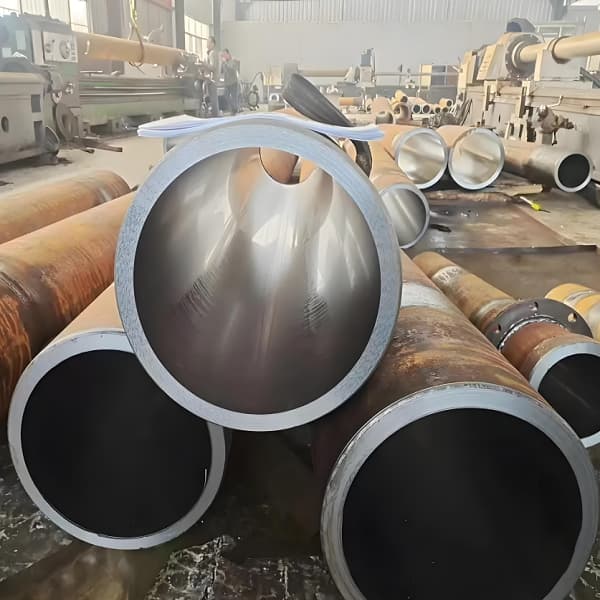
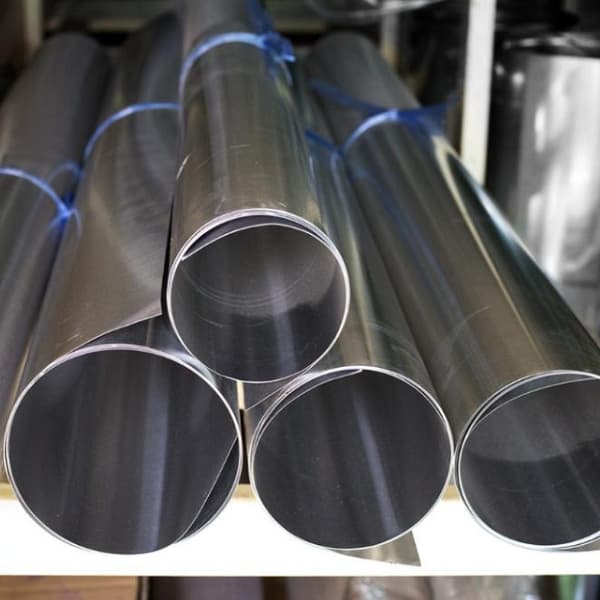
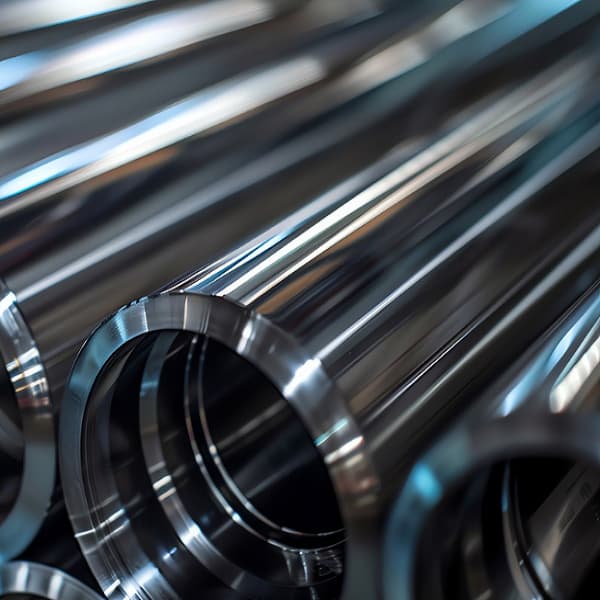
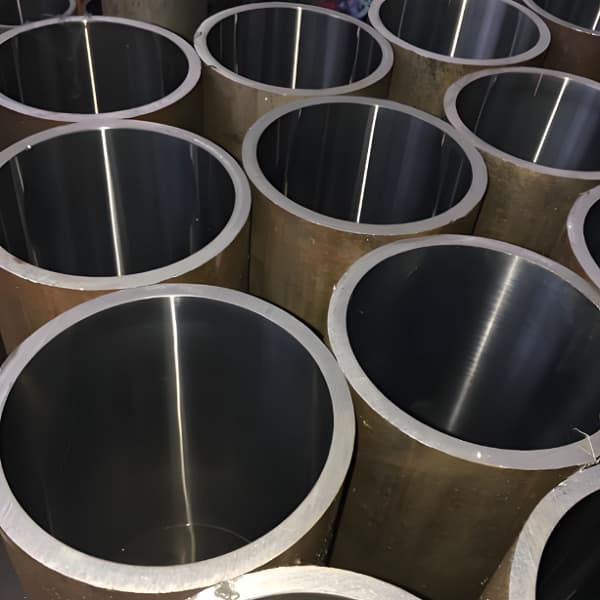
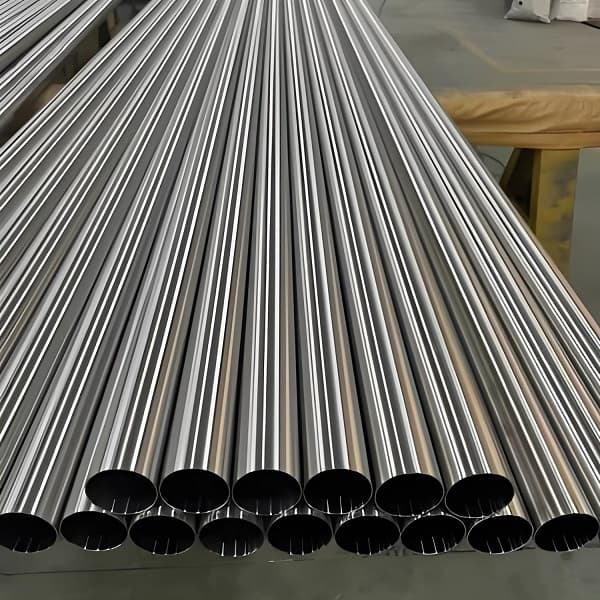
Material transport inherently creates a harsh and highly abrasive environment for pipe interiors. Whether conveying highly abrasive materials like ore, sand, gravel, cement powder, coal dust, grain, or plastic pellets, solid materials, driven by airflow or mechanical forces, constantly impact and scrape against the interior of the pipe. This mechanical wear, particularly at elbows, diverters, and acceleration areas, can quickly cause ordinary pipes to weaken, become perforated, or even rupture.
The resulting consequences are manifold:
Frequent Downtime and Replacement: Pipeline failures can halt entire production lines, resulting in significant production losses.
High Maintenance Costs: Not only are there costs associated with replacing the pipes themselves, but also labor costs and lost production capacity during downtime.
Environmental Pollution and Safety Hazards: Pipeline leaks when conveying powders can lead to dust pollution, while conveying hazardous materials can potentially cause safety incidents.
Therefore, choosing specialized material handling wear-resistant tubes is not a luxury, but a necessity.
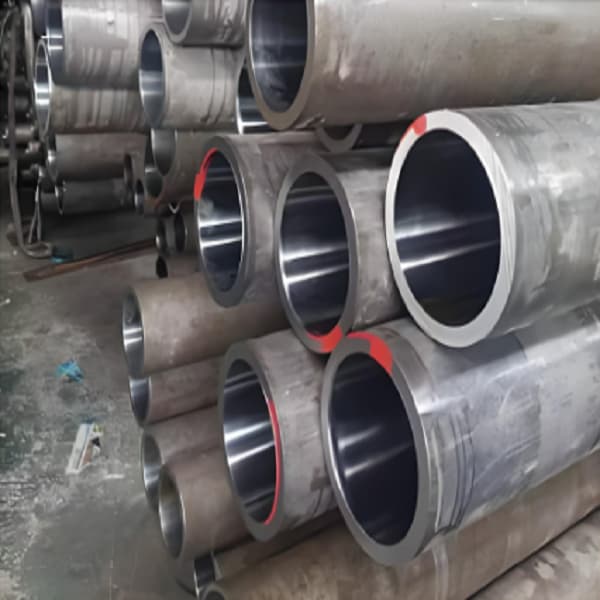
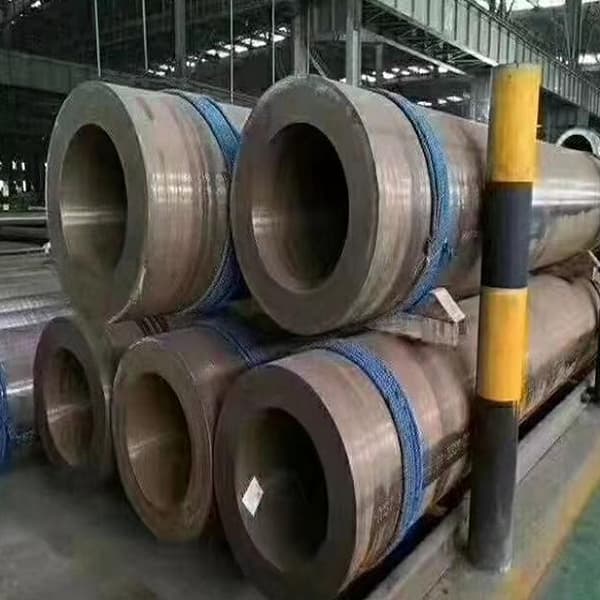
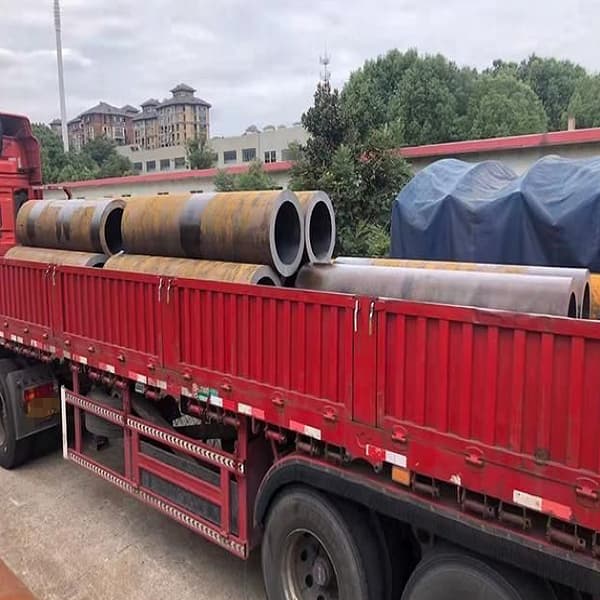
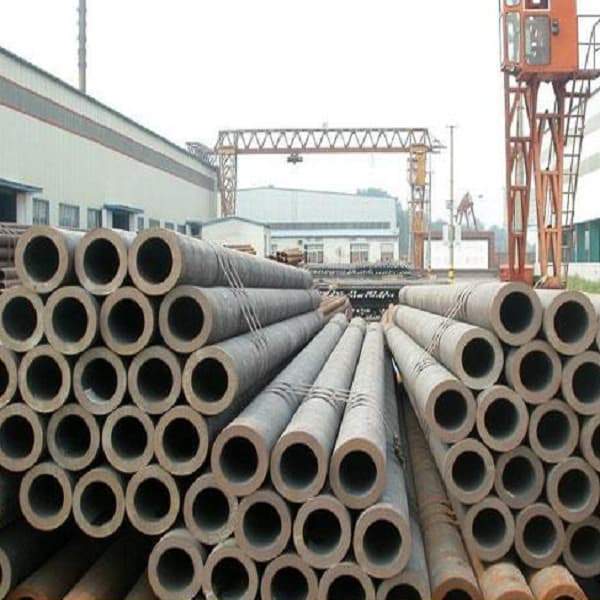
Wear-Resistant Tubes are not ordinary steel pipes or conduits. They are specialized pipes that are specially designed, using advanced materials and manufacturing processes to significantly enhance their inner wall’s wear resistance. This wear resistance is primarily achieved through two methods:
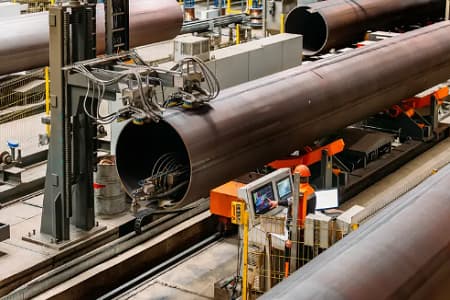
Integral wear-resistant material: These pipes are typically made from high-hardness, high-wear-resistant steels, such as hard-wearing high-strength steels (HARDOX) or duplex steels. These materials inherently possess extremely high Brinell hardness (HB), effectively resisting both cutting and impact wear from materials, ensuring uniform resistance throughout the pipe.
Inner wall reinforcement: Another highly effective and economical method is to use wear-resistant composite pipes. The most common is ceramic composite pipe, manufactured using centrifugal casting or self-propagating high-temperature synthesis. This type of pipe consists of a steel pipe as the outer pressure-bearing skeleton, lined with an extremely hard, wear-resistant alumina ceramic layer. Ceramic is second only to diamond in hardness and boasts wear resistance dozens of times greater than that of ordinary steel pipe, providing ultimate protection for systems conveying highly abrasive materials.
Investing in specialized wear-resistant material conveying pipes can provide businesses with both immediate and significant long-term return on investment (ROI).
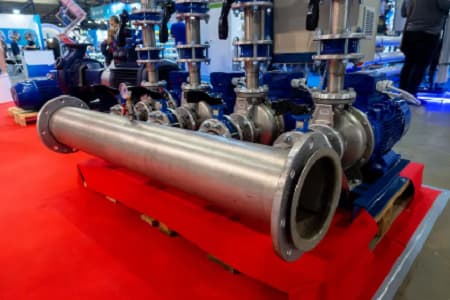
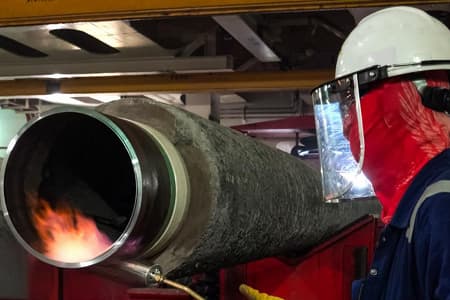
Extremely Long Service Life: This is the most immediate benefit. Compared to conventional pipes, wear-resistant pipes can last 5 to 10 times longer, or even more, meaning replacement frequency is significantly reduced.
Maximize Operational Efficiency and Reduce Downtime: A longer service life translates directly into fewer unplanned downtimes and maintenance windows, ensuring continuous and stable production line operation and improving Overall Equipment Effectiveness (OEE).
Reduced Total Cost of Ownership (TCO): While the initial purchase cost may be higher than conventional pipes, their long service life, low maintenance, and minimal downtime significantly reduce the total cost over their entire lifecycle, making them a very wise investment.
Improved System Reliability: Robust wear-resistant pipes reduce the risk of system failures due to leaks and ruptures, ensuring smoother and more reliable material flow and improving a safer working environment.
Material Handling Wear-Resistant Tubes are used in virtually all industrial sectors involving the conveying of powdered or granular materials:
Mining and Metallurgy: Piping systems for conveying iron ore, copper ore, tailings, and pulverized coal.
Power Industry: Coal conveying, pulverized coal conveying, and ash removal systems in thermal power plants.
Cement and Building Materials Industry: Pneumatic conveying of raw materials, clinker, cement powder, and limestone.
Ports and Warehousing Logistics: Loading, unloading, and conveying of bulk cargoes such as grain and fertilizer.
Chemical and Plastics Industry: Conveying various resins, plastic granules, and chemical powders.
In all of these scenarios, wear-resistant conveying pipes are the arteries that ensure smooth system operation.
Selecting the Right Material Handling Wear-Resistant Tubes Depends on Several Key Factors:
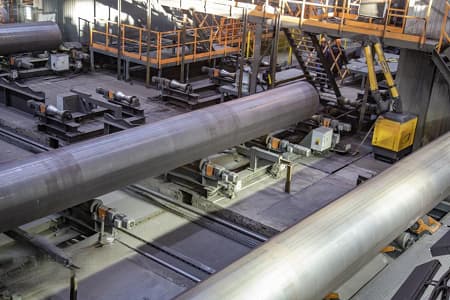
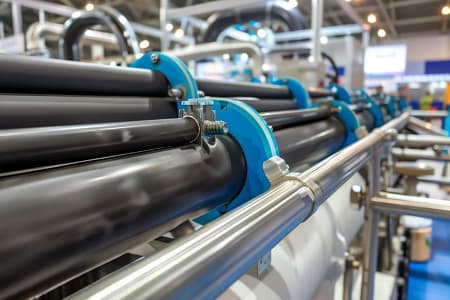
Material Properties: Material abrasiveness, particle size, shape, and hardness are primary considerations.
Conveying Velocity and Flow Rate: Higher material flow rates generally result in greater impact and wear on pipes.
Operating Environment: Temperature, humidity, and the presence of corrosive chemicals can also influence material selection (for example, stainless steel wear-resistant pipe may require both wear and corrosion resistance).
System Design: The number of elbows, conveying distance, and pressure requirements all need to be considered.
Consulting with an experienced materials expert or supplier for a comprehensive application analysis is a critical step in ensuring the optimal wear-resistant pipe solution is selected.
In an increasingly competitive industrial landscape, every efficiency gain and cost savings counts. Material Handling Wear-Resistant Tubes are far more than just a simple pipe; they are core strategic assets for optimizing production processes, ensuring operational continuity, and achieving sustainable cost control. By investing in high-quality wear-resistant material handling pipes, companies are effectively investing in higher productivity, lower maintenance burdens, and long-term economic benefits.