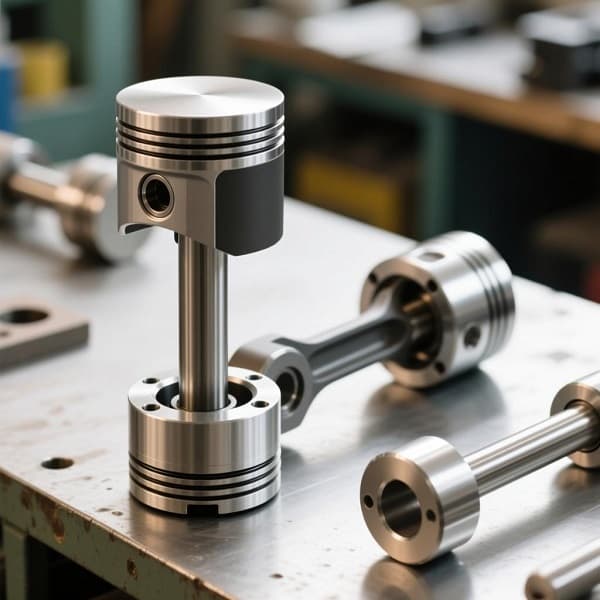
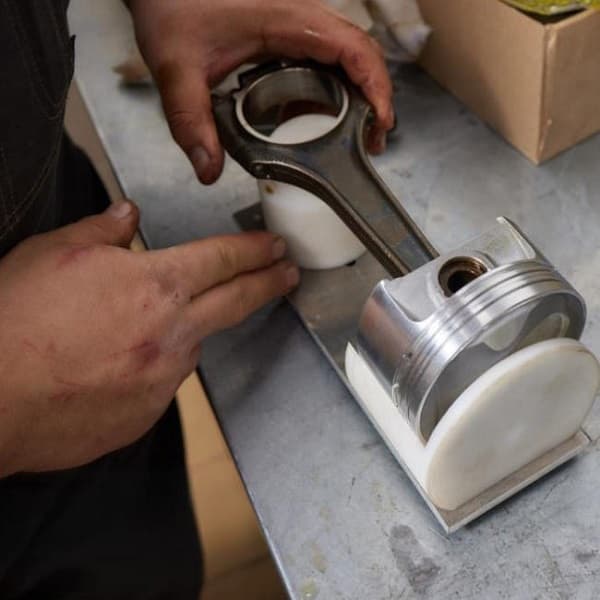
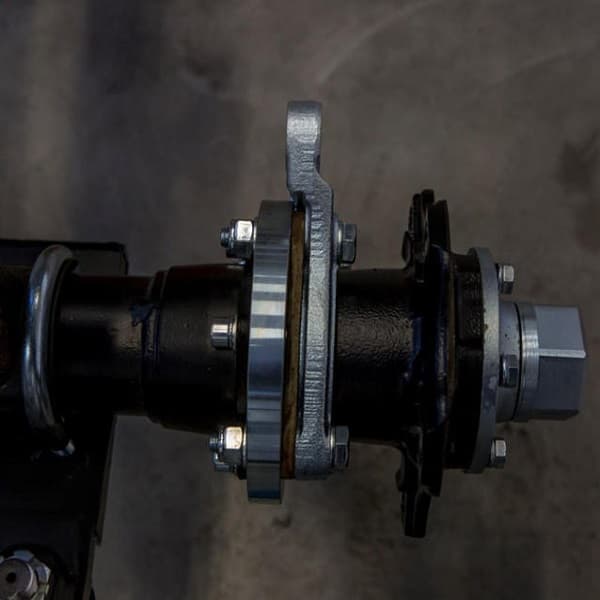
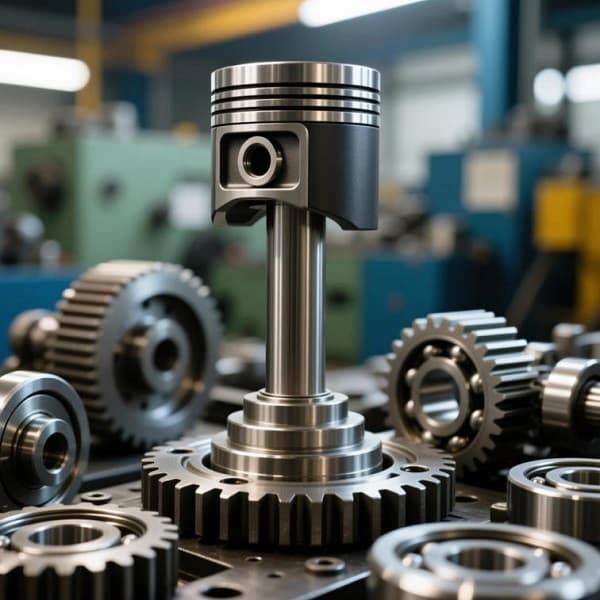
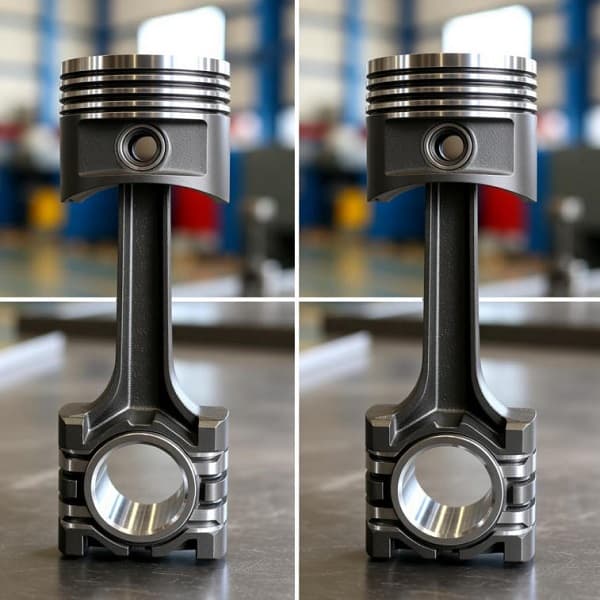
1. High-Quality Raw Materials Our raw materials are primarily sourced from renowned steel mills such as Jiangsu BOS Hydraulic Technology Co., Ltd., Baosteel, Ansteel, and Changjiang Steel Pipe.
2. Advanced Production Equipment Our manufacturing facilities include cold drawing machines, honing machines, skiving and roller burnishing machines, straightening equipment,polishing machines, heat treatment furnaces, grinding machines, and more.
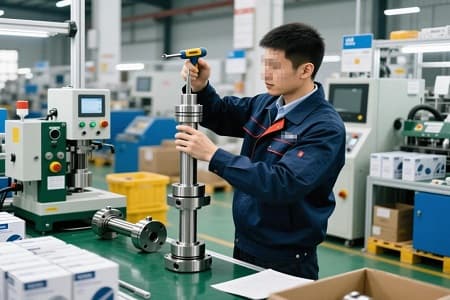
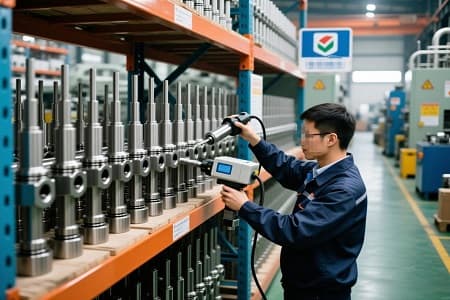
3. Rich production experience, strict quality control We implement a professional internal quality control system to conduct comprehensive inspections on all products.
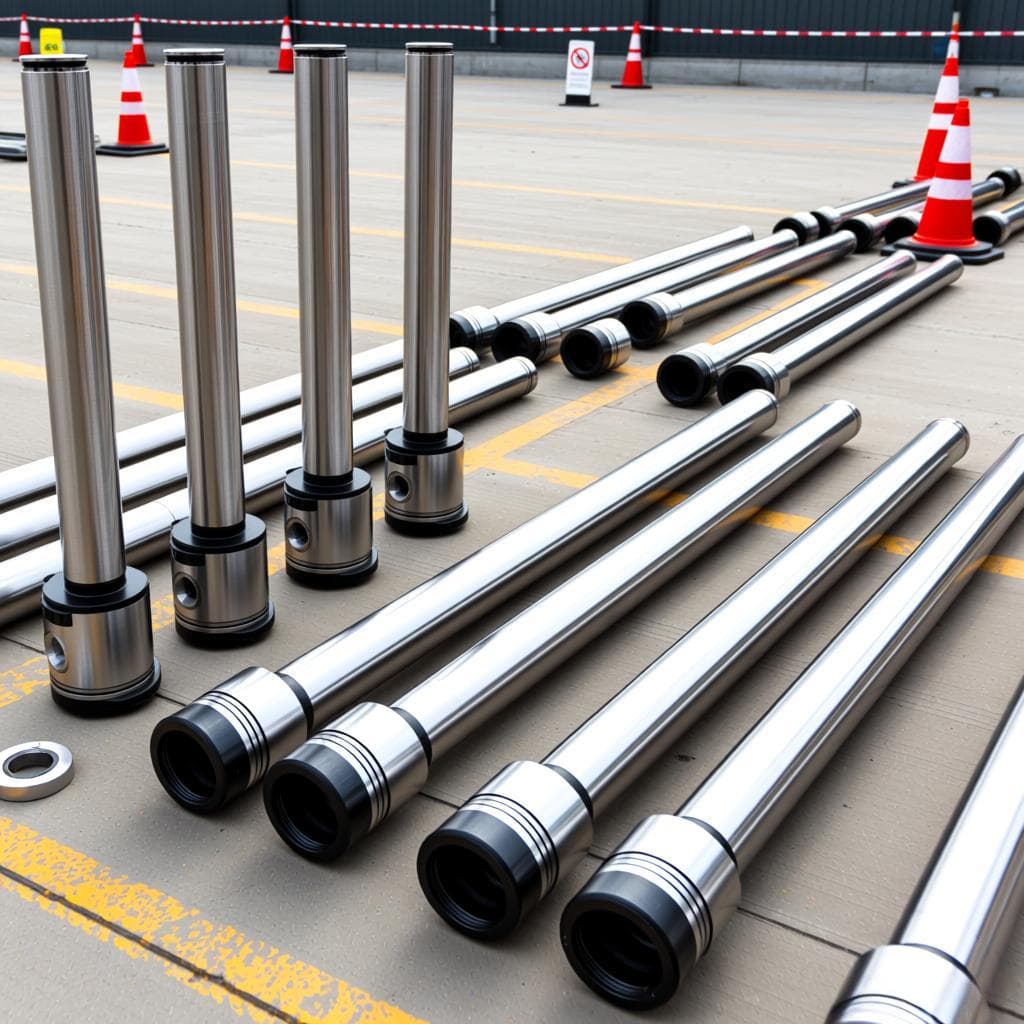
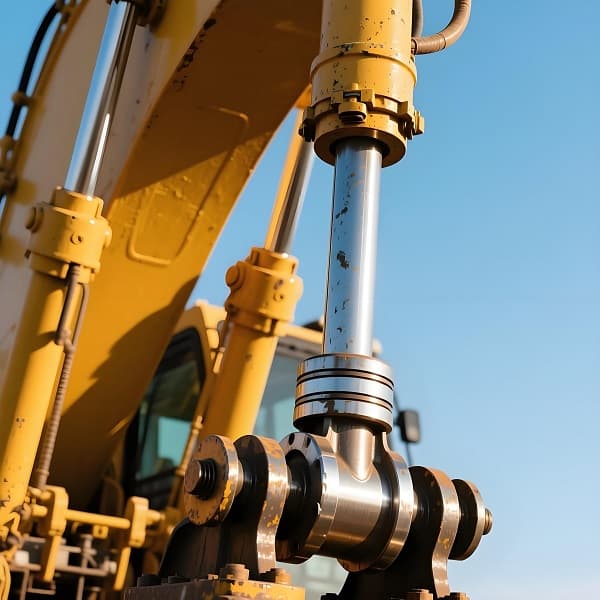
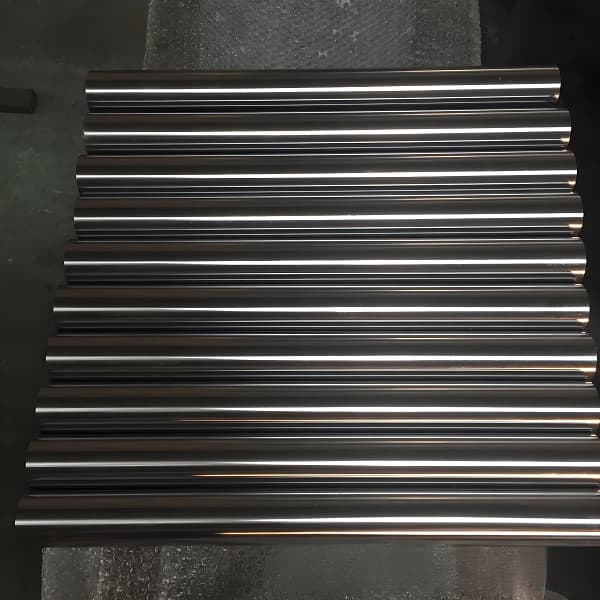
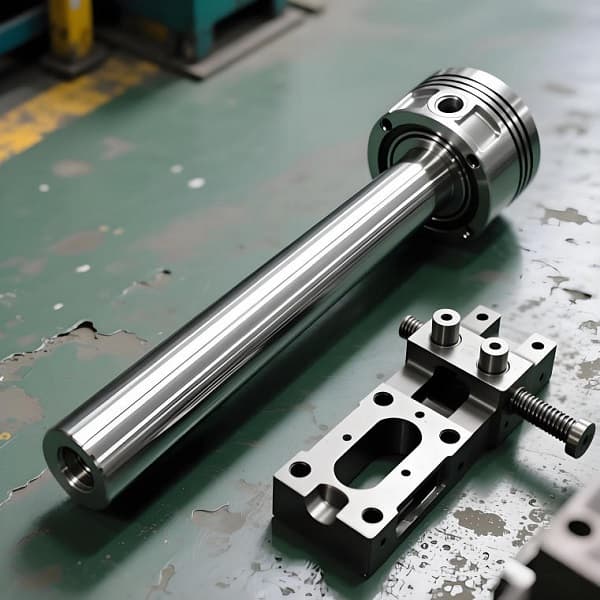
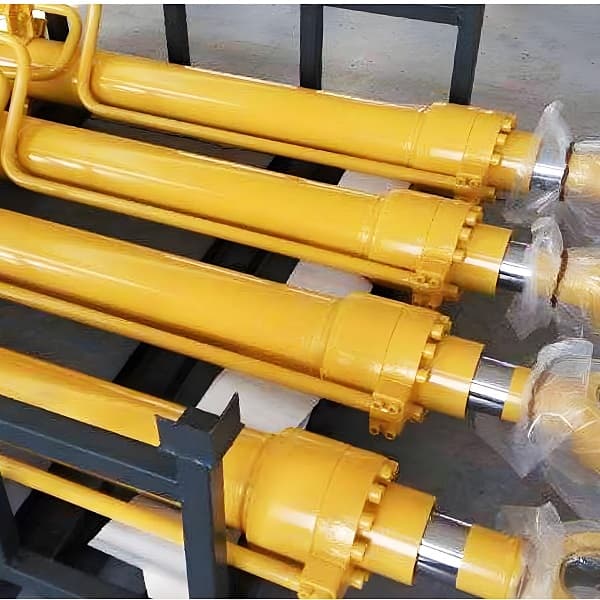
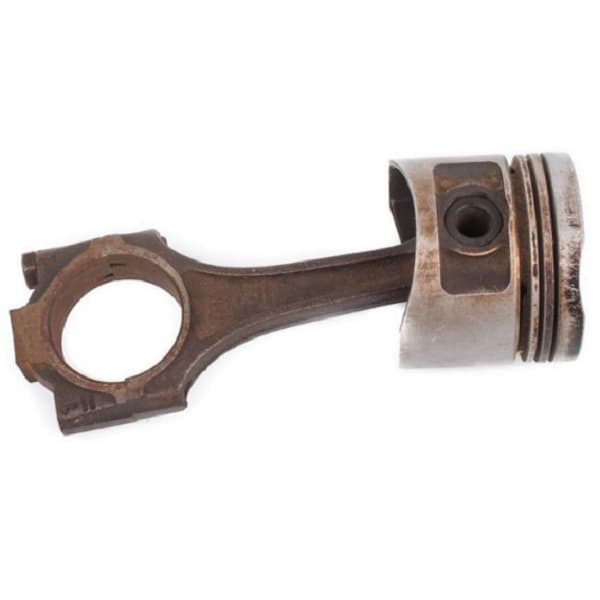
Non-Rotating Piston Rods (NRPs) play a vital role in modern industrial automation, hydraulic, and pneumatic systems. These specially designed piston rods overcome the problem of traditional piston rods rotating during motion, providing a reliable solution for applications requiring precise linear motion.
The core design goal of a NRP is to eliminate rotation of the piston rod about its axis during reciprocating motion. Compared to traditional piston rods, this goal is achieved through a variety of innovative design features:
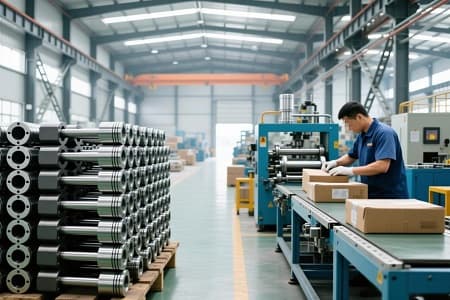
The most common anti-rotation design involves machining a keyway or flat surface into the piston rod, which mates with a corresponding guide element. This design allows free axial movement of the piston rod while effectively restricting rotational movement. Another design utilizes a dual-rod structure, with one piston rod serving as the primary force transmission element and the other specifically preventing rotation.
Some NRP systems utilize a spline design, enabling both torque transmission and axial motion, making them particularly suitable for complex applications requiring both rotational and linear motion.
Raw Material Selection: High-quality alloy steel is selected to ensure its chemical composition and mechanical properties meet industry standards, providing the necessary strength and toughness.
Forming: Through precision machining, the alloy steel is formed into the desired piston rod shape, ensuring accurate outer diameter and length.
Surface Treatment: Surface treatments such as hardening and chrome plating are used to enhance the wear and corrosion resistance of the non-rotating piston rod, ensuring long-term service in harsh environments.
Assembly and Inspection: The non-rotating piston rod is assembled with other components and undergoes rigorous quality inspections, including dimensional inspection, mechanical testing, and sealing testing, to ensure compliance with industry standards.
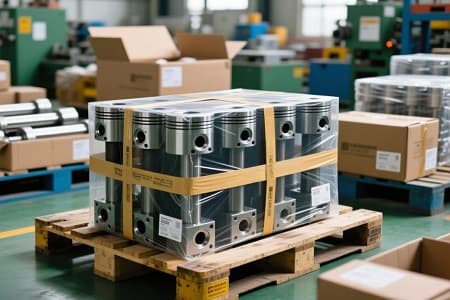
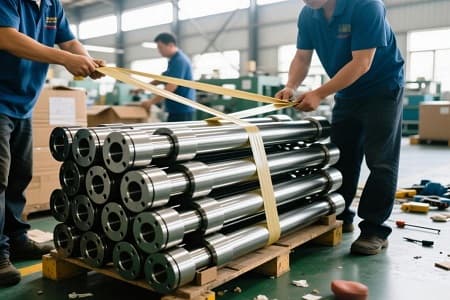
Factory Inspection: All non-rotating piston rods undergo final inspection before shipment to ensure stable and reliable operation in actual applications.
Non-Rotating Piston Rods offer several significant performance advantages:
Precise Positioning Control: By eliminating unnecessary rotational motion, this ensures precise positioning of the end effector, improving the operational accuracy of automated equipment.
Extended Seal Life: This eliminates uneven seal wear caused by rotational motion, significantly extending the service life of the sealing system.
Higher System Rigidity: Anti-rotation designs typically increase overall system rigidity and improve resistance to side loads.
Simplified Equipment Design: This eliminates the need for additional anti-rotation mechanisms, simplifying the overall mechanical structure.
These characteristics make non-rotating piston rods widely used in various industries, including semiconductor manufacturing, precision measuring equipment, automated assembly lines, printing machinery, and robotics, where high-precision linear motion is required.
Non-rotating piston rods are typically manufactured in accordance with strict international standards, such as ISO 6432 (for pneumatic cylinders) and related hydraulic cylinder standards. These standards specify piston rod diameter tolerances, surface finish, straightness, and material properties, ensuring product reliability and interchangeability.
For quality control, manufacturers typically conduct 100% dimensional inspection, surface quality assessment, and performance testing on non-rotating piston rods, including load testing, durability testing, and verification of anti-rotation functionality.
Several factors should be considered when selecting the appropriate non-rotating piston rod:
Load requirements: including axial load, side load, and moment load
Motion parameters: speed, acceleration, and motion cycle
Operating environment: temperature, humidity, and the presence of corrosive substances
Accuracy requirements: position repeatability and straightness requirements
Installation space: available space dimensions and mounting interface type
When installing a non-rotating piston rod, ensure proper alignment of the piston rod and guide element to avoid unnecessary side forces or moments, which can cause premature wear or performance degradation. Proper lubrication is also critical for long-term, reliable operation.
Non-rotating piston rod technology continues to evolve, and innovative designs are constantly emerging. Integrated sensor technology is a key development direction. By integrating position sensors, temperature sensors, or load sensors within the piston rod, real-time condition monitoring and predictive maintenance are enabled.
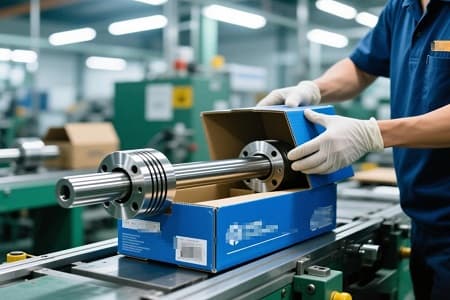
Advances in materials science are also driving performance improvements in non-rotating piston rods. This includes the use of new materials and treatments, such as composite materials and surface nano-coatings, to further enhance wear resistance, reduce friction, and extend service life.
With the advancement of Industry 4.0 and smart manufacturing, intelligent non-rotating piston rods will become increasingly common, capable of real-time communication with control systems, providing operational data and supporting adaptive control algorithms.
To ensure the long life and reliable operation of non-rotating piston rods, regular inspection and maintenance are crucial:
Regularly inspect the seal condition and piston rod surface for signs of scratches or corrosion.
Maintain proper lubrication, using the manufacturer’s recommended lubricant.
Clean the piston rod surface to prevent contaminants from entering the sealing system.
Inspect the anti-rotation mechanism for wear and replace worn parts promptly.
Common failures include surface scratches, seal leakage, and anti-rotation failure, which can often be avoided through proper preventive maintenance.
The continued growth of the global industrial automation market is driving demand for high-precision motion control components. As a key component, non-rotating piston rods (RPRs) offer a promising market outlook. Manufacturing upgrades and increased automation investment, particularly in Asia, are creating significant market opportunities.
Future trends include higher precision requirements, more compact designs, longer service life, and smarter functional integration. Manufacturers that can provide comprehensive solutions, rather than just individual components, will gain a competitive advantage in the market.
As a key component in hydraulic systems, non-rotating piston rods have become an indispensable material in modern industry due to their superior performance and broad application prospects. With continuous technological advancements and diversifying market demands, the development of non-rotating piston rods will usher in further innovation and development, providing higher-quality solutions for a wide range of industries. In future hydraulic applications, non-rotating piston rods will continue to play a vital role, contributing to the sustainable development of industry.