1. High-Quality Raw Materials Our raw materials are primarily sourced from renowned steel mills such as Jiangsu BOS Hydraulic Technology Co., Ltd., Baosteel, Ansteel, and Changjiang Steel Pipe.
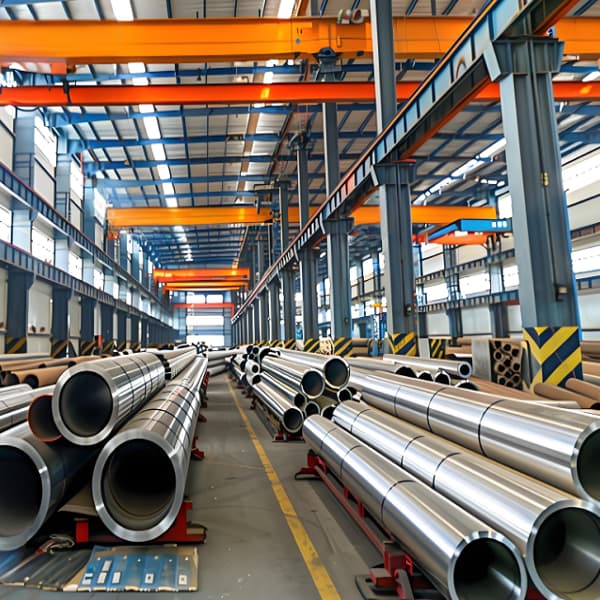
2. Advanced Production Equipment Our manufacturing facilities include cold drawing machines, honing machines, skiving and roller burnishing machines, straightening equipment,polishing machines, heat treatment furnaces, grinding machines, and more.
3. Rich production experience, strict quality control We implement a professional internal quality control system to conduct comprehensive inspections on all products.
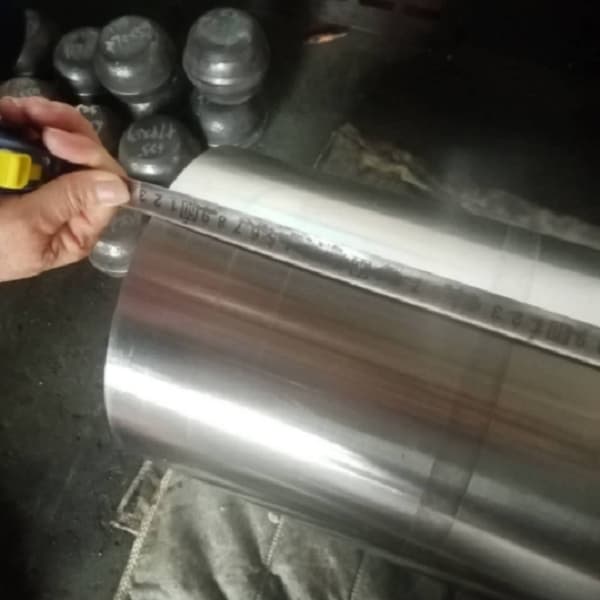
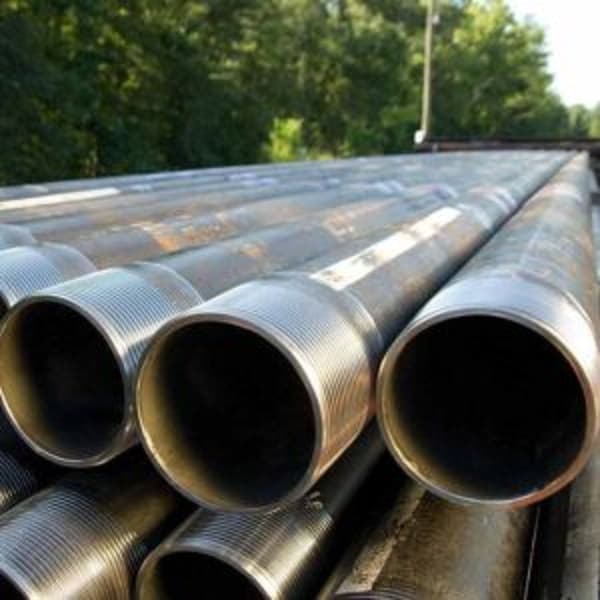
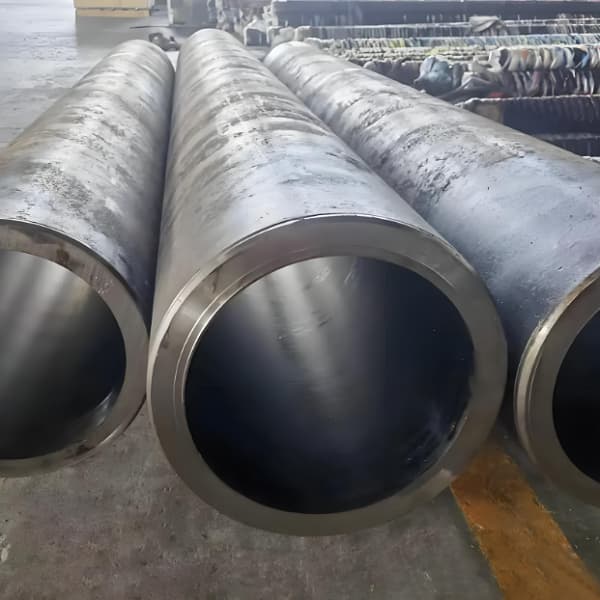
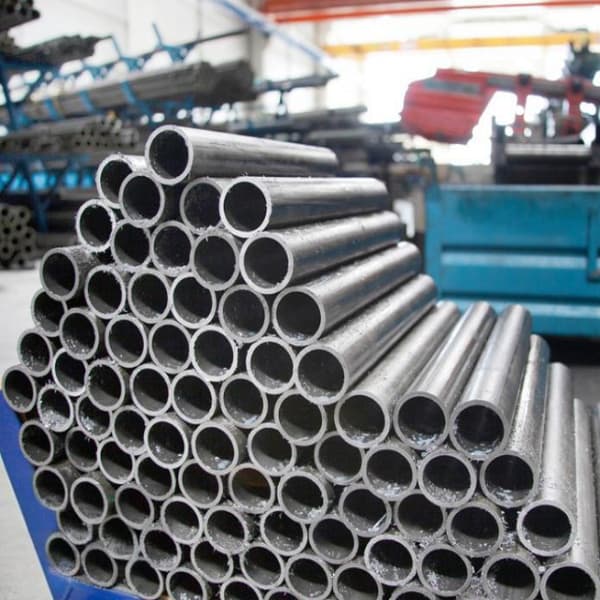
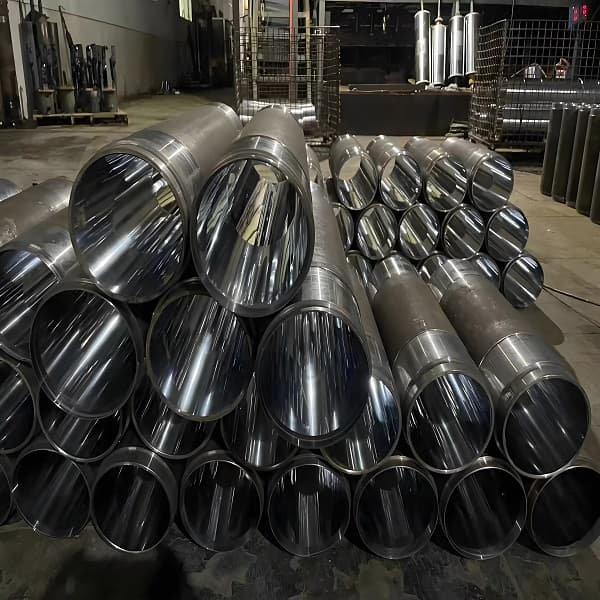
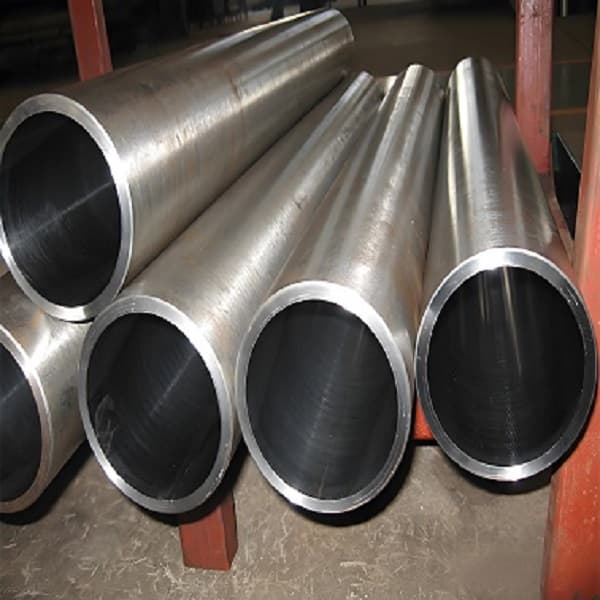
BOS Hydraulics is a professional hydraulic manufacturer equipped with in-house facilities producing honed tubes and chrome-plated rods.
Contact us for quotations on standard product lines of honed tubes and chrome-plated rods.
We specialize in bespoke solutions – a core competency of our operation. For custom requirements, we strongly encourage you to reach out to our engineering team.
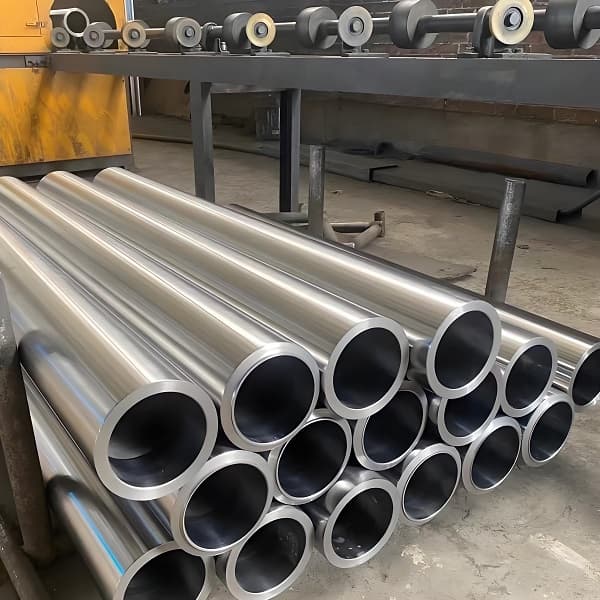
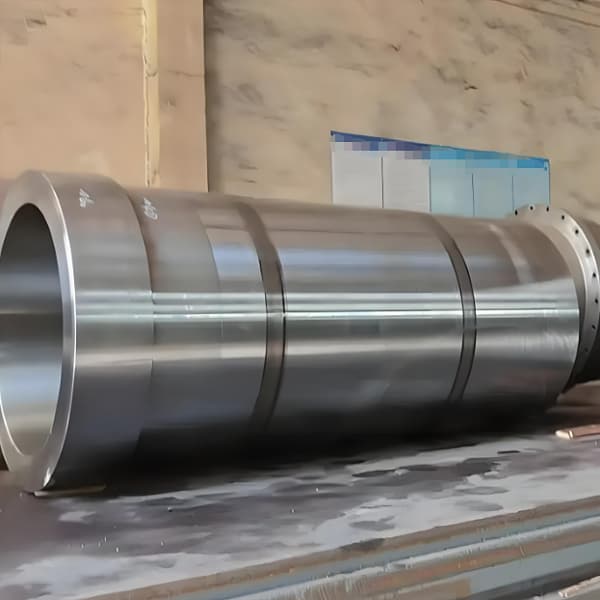
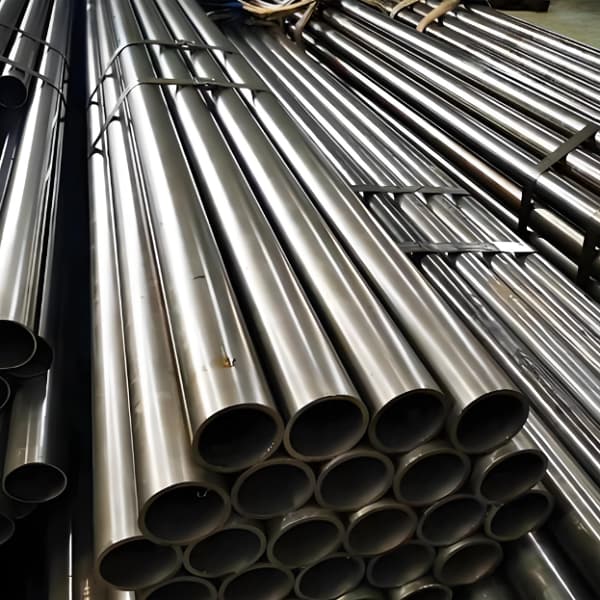
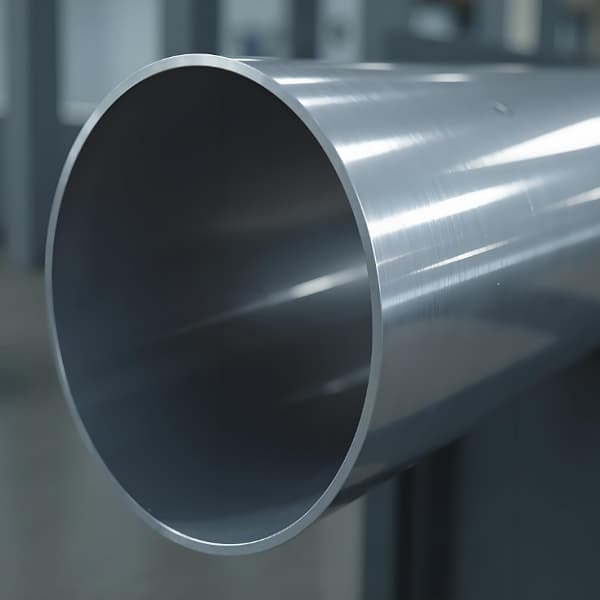
Polished Carbon Steel Honed Tubes are precision tubes made from high-quality carbon steel through a process called honing and polishing.
Honing is a finishing process in which a grinding stone rotates and reciprocates across the inner surface of the tube, removing microscopic irregularities and achieving an extremely high-precision surface quality.
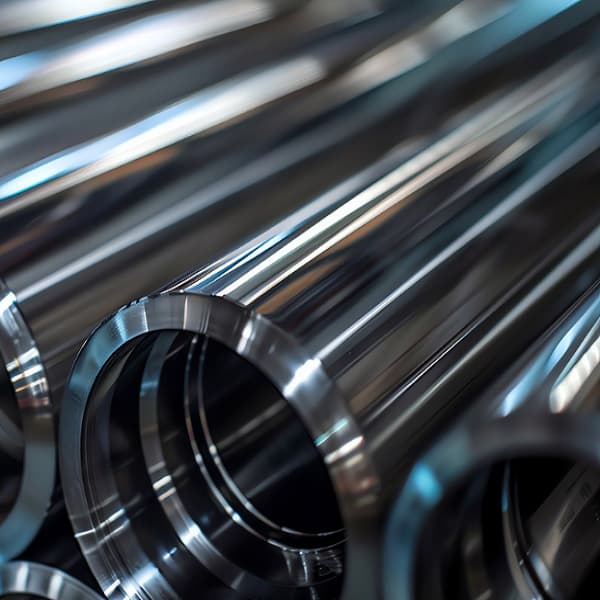
Subsequent polishing further enhances the tube’s surface finish to a mirror-like smoothness.
This combined process ensures that Polished Carbon Steel Honed Tubes offer unparalleled surface quality and dimensional accuracy, meeting the demands of the most demanding industrial applications.
The production of Polished Carbon Steel Honed Tubes involves several precision steps:
Material selection is paramount. Low-carbon or medium-carbon steel is typically used to ensure excellent processing and mechanical properties. Common materials include ST52, Q345, C20, and 1020.
Tube forming can be achieved through hot rolling or cold drawing. Cold drawing is particularly suitable for producing high-precision tubes, as it gradually draws the steel tube to the desired diameter and thickness through tension.
Honning is a key finishing process, using specialized honing equipment and grinding stones to refine the inner surface of the tube to achieve the required dimensional accuracy and surface finish.
Polishing further enhances the surface finish of the tube, achieving mirror-like smoothness through mechanical or electrolytic polishing.
Depending on the application requirements, heat treatment may include annealing, normalizing, or tempering to optimize material properties. Non-oxidizing bright heat treatment prevents surface oxidation and maintains the high finish of the steel tube.
Surface treatments may include galvanizing, phosphating, oiling, or anti-rust oiling to enhance corrosion resistance. Some specialized applications may require chromium-free Dacromet coating for environmentally friendly and effective corrosion protection.
Quality inspection is an integral part of the manufacturing process, including dimensional accuracy checks, surface quality assessments, mechanical property tests, and non-destructive testing to ensure products meet stringent standards.
Polished Carbon Steel Honed Tubes are widely used in the following areas:
Hydraulic and Pneumatic Systems: As key components in hydraulic and pneumatic cylinders, their high-precision inner walls ensure smooth piston movement and effective sealing.
Construction Machinery: Widely used in the hydraulic systems of equipment such as excavators, cranes, and loaders, subject to high pressure and heavy loads.
Automotive Industry: Used in shock absorbers, steering systems, and other precision components. Exhaust pipes in automotive manufacturing and heat exchangers in gas turbines require high-temperature and corrosion-resistant steel tubes.
Industrial Automation: Performing precision transmission functions in automated equipment and production lines requires high precision and reliability.
Chemical Industry: Within the chemical industry, these tubes are widely used in pipeline transportation systems operating under high-temperature and high-pressure environments. Their corrosion resistance enables them to operate stably and for extended periods in corrosive media.
Food and Beverage Industry: Because its smooth surface resists contaminant adhesion, it is also suitable for use in food and beverage processing equipment.
Several factors should be considered when selecting the appropriate Polished Carbon Steel Honed Tubes:
The application environment is the primary consideration, including operating pressure, temperature range, and the presence of corrosive elements. These factors will determine the required material specifications and surface treatment.
Dimensional accuracy requirements are crucial; appropriate inside diameter tolerances, roundness requirements, and straightness requirements should be determined based on system requirements.
Surface roughness should be selected based on the seal type and movement requirements, determining the appropriate surface finish grade.
Mechanical property requirements, including tensile strength, yield strength, and hardness, should be matched to the load conditions in the application.
Corrosion resistance is also important; use in harsh environments may require additional surface treatment or protective measures.
With the continuous advancement of industrial technology, Polished Carbon Steel Honed Tubes are moving towards higher performance, greater environmental friendliness, and smarter manufacturing.
Material innovation is one key trend. New alloy designs and processing techniques are further improving tube performance, including strength, durability, and corrosion resistance.
Manufacturing process optimization is also ongoing. Smart manufacturing and automation technologies are improving production efficiency and product consistency while reducing production costs.
Sustainable development is gaining increasing attention, with greater emphasis on environmentally friendly production processes and recyclable materials to reduce environmental footprint.
Expanding applications is another clear trend. With improved performance, these tubes are finding their way into more emerging and demanding fields, such as renewable energy and high-end equipment manufacturing.