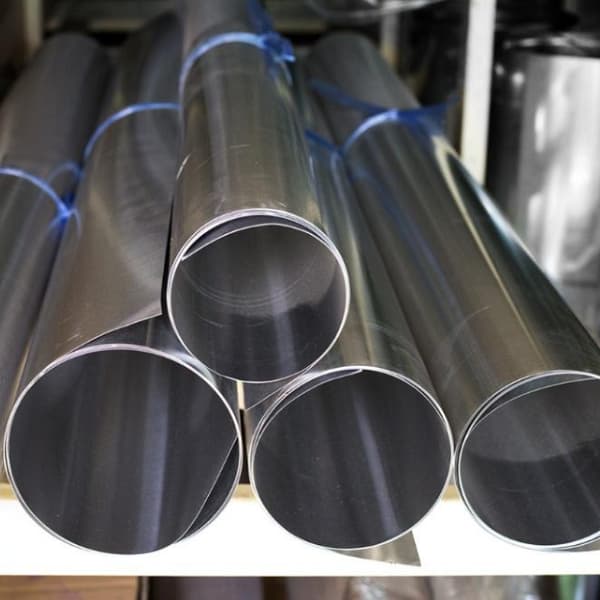
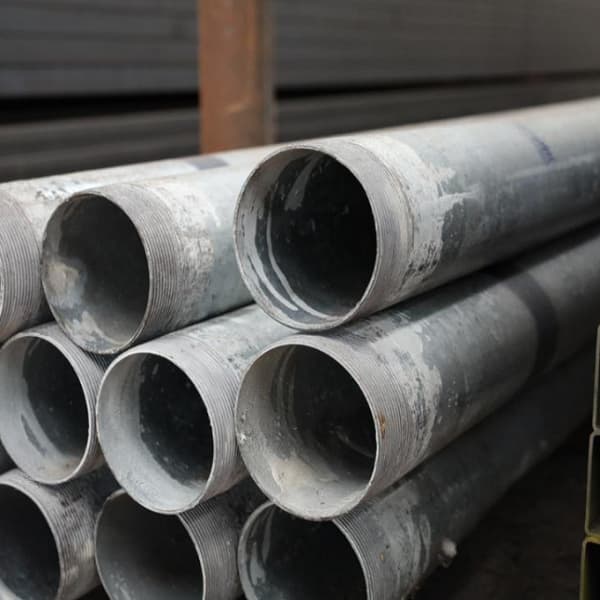
1. High-Quality Raw Materials Our raw materials are primarily sourced from renowned steel mills such as Jiangsu BOS Hydraulic Technology Co., Ltd., Baosteel, Ansteel, and Changjiang Steel Pipe.
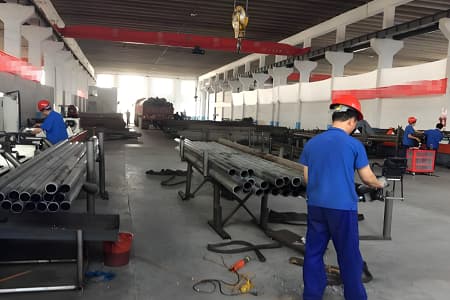
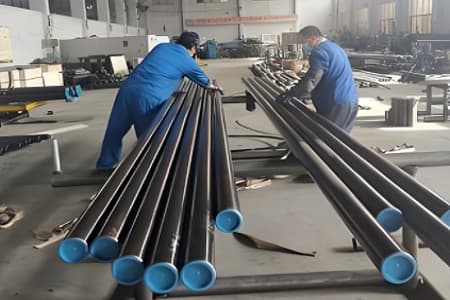
2. Advanced Production Equipment Our manufacturing facilities include cold drawing machines, honing machines, skiving and roller burnishing machines, straightening equipment,polishing machines, heat treatment furnaces, grinding machines, and more.
3. Rich production experience, strict quality control We implement a professional internal quality control system to conduct comprehensive inspections on all products.
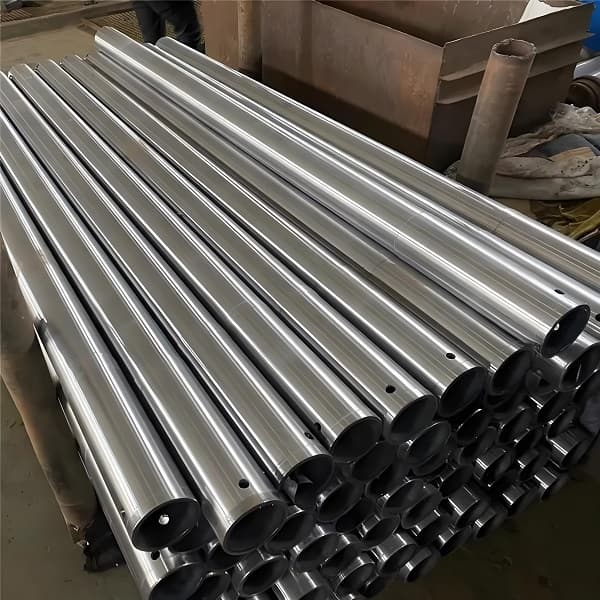
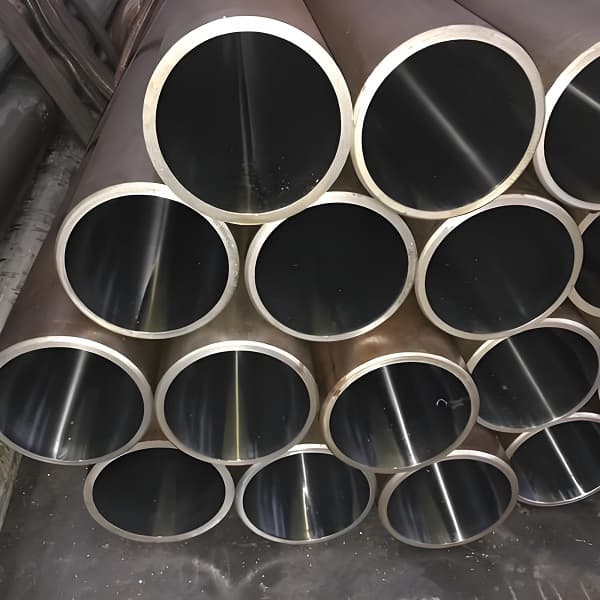
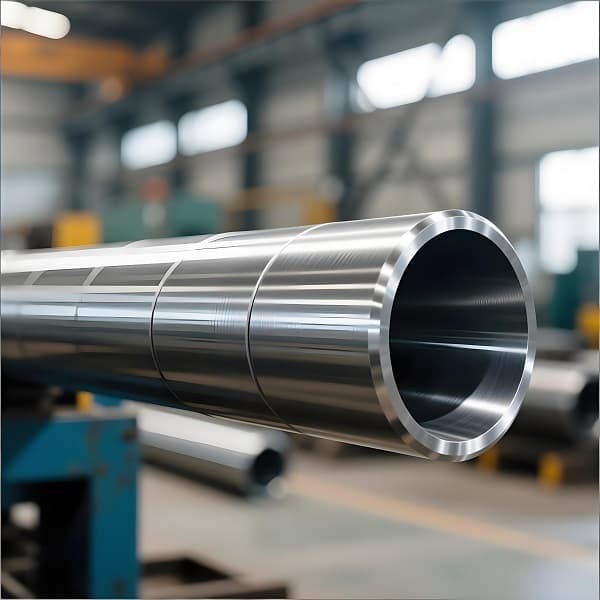
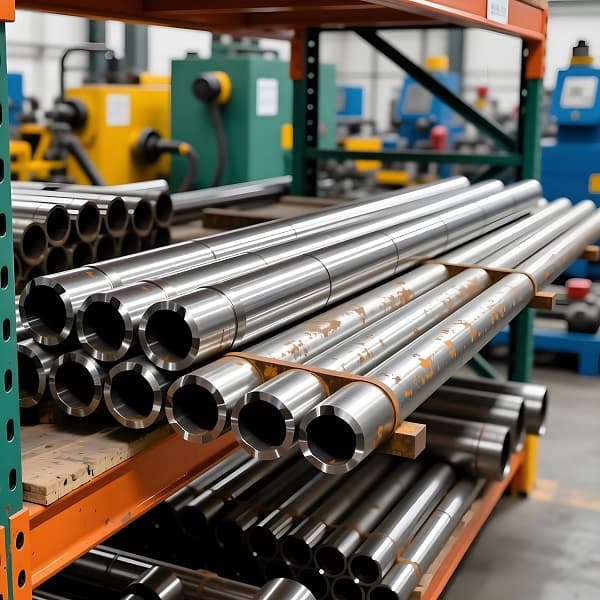
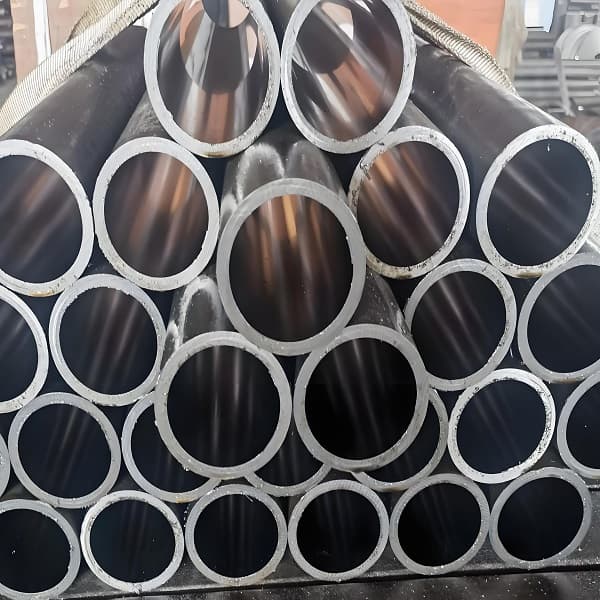
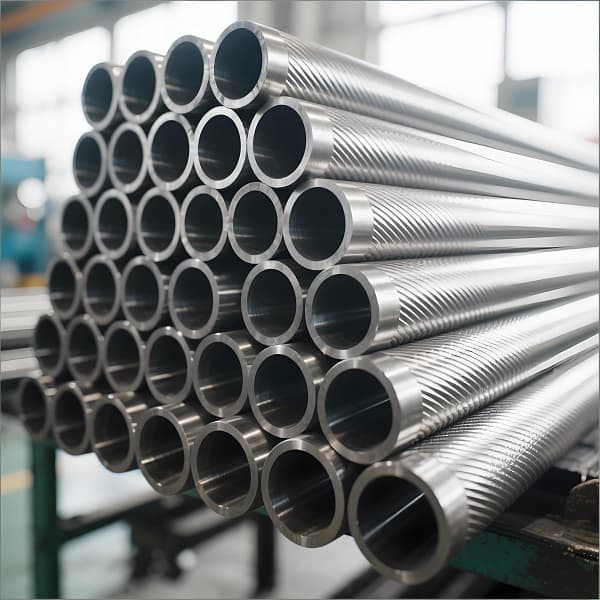
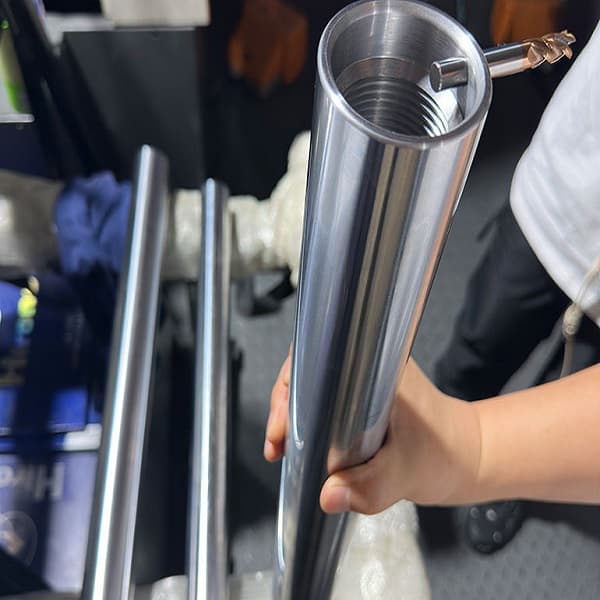
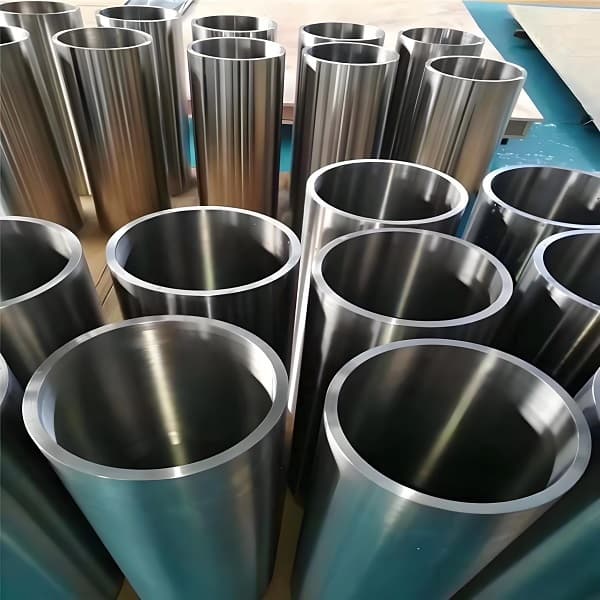
Thin-Wall Alloy Steel Honed Tube refers to alloy steel honed tubes with a very small wall thickness to inner diameter ratio (typically with specific standards, such as wall thickness significantly less than 1/10 of the outer diameter). This is not simply a matter of thinning the tube wall; rather, it represents a breakthrough in materials, processes, and quality control.
The performance advantages of Thin-Wall Alloy Steel Honed Tubes are primarily reflected in the following aspects:
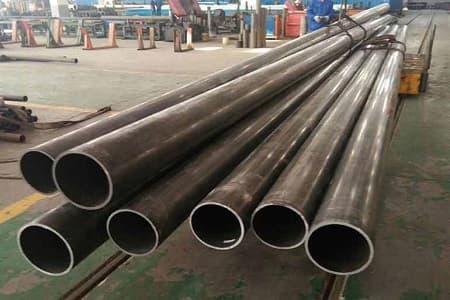
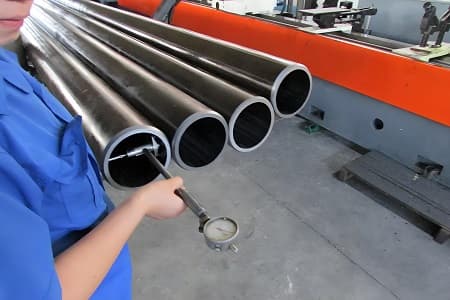
High Strength-to-Weight Ratio: The thin-wall design significantly reduces weight while maintaining strength, which is particularly important in weight-sensitive applications such as aerospace and transportation.
Excellent Dimensional Accuracy: Through cold drawing and honing processes, the tube achieves dimensional accuracy down to the micron level, ensuring system stability and reliability.
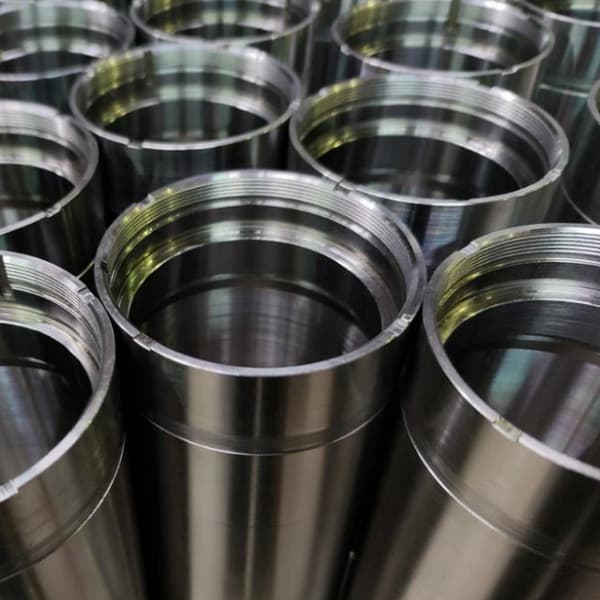
Excellent Surface Quality: The honing process achieves extremely low surface roughness on the tube interior, reducing friction and improving system efficiency.
Excellent Mechanical Properties: After proper heat treatment, alloy steel exhibits excellent strength, toughness, and wear resistance, extending its service life.
Thin-walled alloy steel honing tubes, due to their unique value, have become the preferred choice in the following high-end applications:
Aerospace: Aircraft landing gear actuators, aileron and rudder control cylinders, and certain actuators in aircraft engines. Every gram of weight reduction is crucial for increasing an aircraft’s payload and range.
Industrial Robots and Manipulators: Robot arm joint cylinders and high-precision servo hydraulic cylinders. Lightweight arms allow for faster and more flexible robot movement while reducing power consumption, which is key to improving robot performance.
High-End Medical Equipment: Precision motion actuators for surgical robots, CT scanners, X-ray machines, and other medical imaging equipment. These equipment’s stringent spatial requirements and precise motion perfectly complement the properties of thin-walled tubes.
Precision Testing Equipment: Semiconductor manufacturing equipment, coordinate measuring machines, fatigue testing machines, etc. These devices require actuators to provide precise movement with minimal deformation, making high-rigidity, thin-walled tubes an ideal choice.
New Energy Vehicles: Precision hydraulic cylinders used in brake systems, suspension systems, or battery production lines align with the automotive industry’s ongoing trend toward lightweighting.
Honing is the most critical step in the manufacturing of Thin-Wall Alloy Steel Honed Tube. This finishing process involves using a honing stone to micro-grind the inner wall of the tube, resulting in an internal bore with highly precise dimensions and low surface roughness.
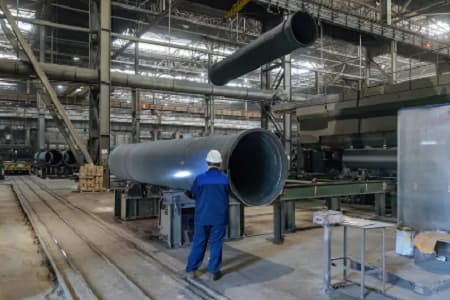
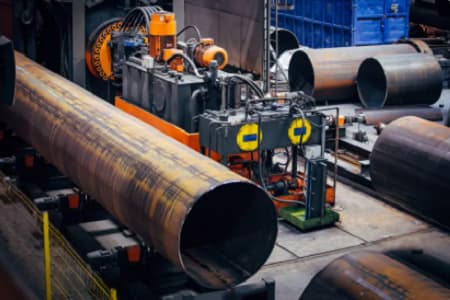
In recent years, honing technology has advanced continuously, with the emergence of various improved processes. Abrasive flow polishing can be used to polish the inner surface of tube fittings, significantly reducing polishing costs and improving polishing efficiency for precision tube fittings. Another emerging technology is Hawking mirror finishing technology, which can achieve even higher levels of surface roughness, easily achieving a mirror finish. This significantly improves the surface microhardness and wear resistance of mechanical components, effectively extending their service life.
For the production of ultra-thin-walled tubes, improvements have also been made to the traditional cold drawing method. An innovative method developed by Sumitomo Metal Industries, Ltd. utilizes a single die with a constant diameter and a plug or tapered mandrel with a gradually increasing diameter. This method achieves remarkable wall thickness reduction by expanding the center diameter of the tube while simultaneously reducing the wall thickness during drawing.
The production and application of thin-walled tubes present unique technical challenges. During the bending process, forming defects such as inner wall wrinkling and outer wall cracking are common. To address these issues, researchers have developed innovative methods such as the internal expansion bending process. Finite element simulations of the forming performance and wall thickness distribution of thin-walled tubes under different internal expansion pressures have effectively addressed these forming defects.
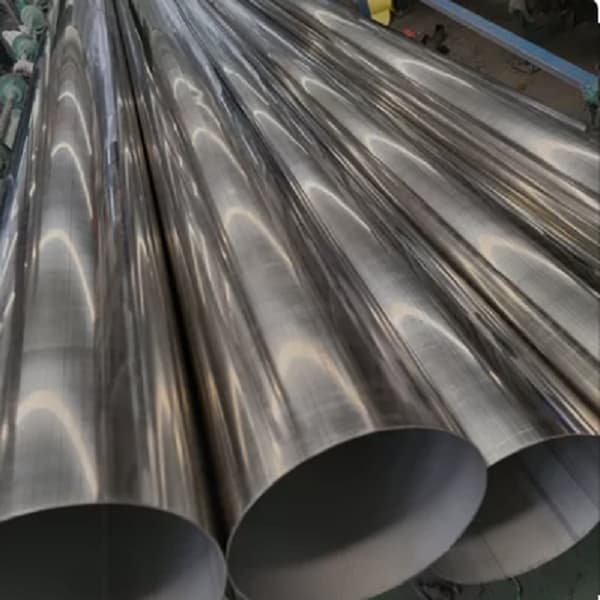
For the production of large-diameter, thin-walled steel tubes, the ED method (extrusion-drawing combined forming) demonstrates significant advantages. This method combines the advantages of hot extrusion and cold drawing, significantly improving dimensional accuracy and surface quality while maintaining material density.
Research has shown that the use of ultrasonic vibration and a DLC composite-coated mandrel is crucial for ensuring tube drawing accuracy. Ultrasonic vibration changes the motion between the core and the inner tube wall, reducing relative slip, facilitating lubricant incorporation, and improving lubrication conditions, thereby reducing drawing force by approximately 30%.
Thin-Wall Alloy Steel Honed Tube, with its superior performance and precision manufacturing, has become an irreplaceable key component in modern industry. With the continuous advancement of industrial automation and increasingly stringent requirements for equipment precision, demand for this high-performance thin-walled tubing will continue to grow, driving the further development of related technologies and applications.