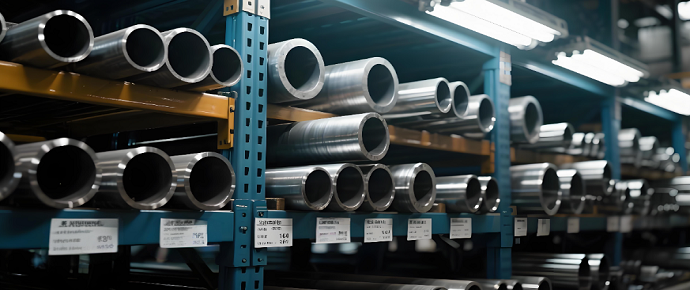
High-Pressure Hydraulic Honed Tubes: The Vascular System of Modern Industry
In subtle places imperceptible to the naked eye, precision steel tubes withstand hundreds of megapascals of pressure, silently supporting the operation of modern industry.
Behind the depths of oil drilling, the heights of aerospace, and the strength of engineering machinery lies a key component: high-pressure hydraulic honed tubes.
These precision seamless steel tubes are a core component of hydraulic systems, capable of transmitting hydraulic fluid under extreme pressure, providing powerful power for a variety of mechanical equipment. The global precision hydraulic seamless steel tube market reached RMB 1.877 billion in 2023 and is expected to grow to RMB 2.438 billion by 2029.
Technical Principles and Manufacturing Processes
High-Pressure Hydraulic Honed Tubes are core components of modern hydraulic systems. Their technical principles are based on the perfect combination of precision machining and materials science. This type of tubing uses a special honing process to create an exceptionally smooth surface on the inside, reducing friction and turbulence during fluid transmission, allowing it to withstand extremely high internal pressures.
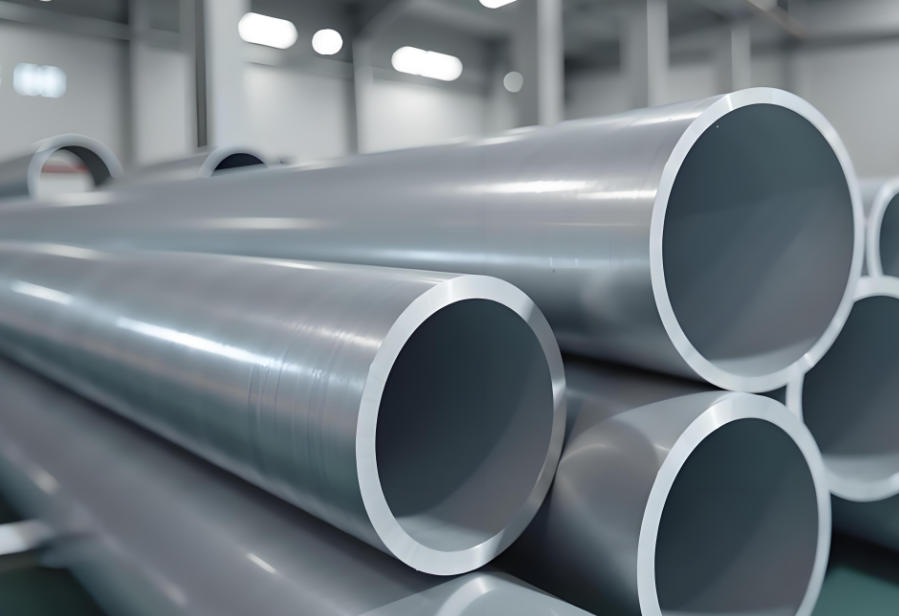
The manufacturing process begins with the selection of high-quality steel, typically high-strength alloy steel or stainless steel. The tube blank undergoes cold drawing, a process that includes multiple pre-treatment steps such as pickling, phosphating, and lubrication. This process is followed by an intermediate heat treatment at a strictly controlled temperature (approximately 760°C) to eliminate internal stresses and improve the material’s mechanical properties.
Honning is a critical step in the manufacturing process. A honing head with grinding bars is used to perform a fine finish on the tube’s inner bore. The honing head rotates and reciprocates, creating a crisscrossing grinding path that gradually eliminates microscopic irregularities left by the previous process. This precision machining can reduce the inner surface roughness to below Ra0.2μm, achieving a mirror-like finish.
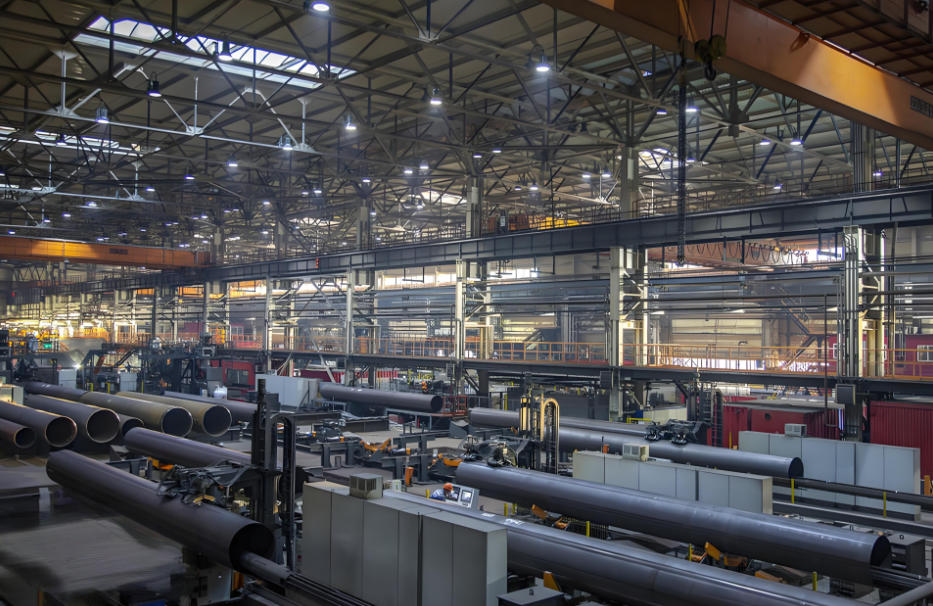
To further enhance pressure resistance, advanced manufacturing methods employ specialized processing techniques, such as adding abrasives like corundum to hydraulic oil and subjecting the pipe’s inner bore to prolonged flushing and polishing under high pressure. This creates a reinforced layer on the pipe wall, enabling it to withstand ultra-high-pressure operating environments exceeding 600 MPa.
Materials Science and Characterization
Materials Science: High-Pressure Hydraulic Honed Tubes are typically made from high-quality low-carbon alloy steels, such as the STKM series or AISI 4130. These materials are chosen for their excellent overall performance: their low carbon content ensures excellent cold-working plasticity (facilitating subsequent cold drawing and honing), while the addition of alloying elements (such as Cr and Mo) significantly enhances hardenability, strength, and toughness. Cold drawing and precision honing are the core of the manufacturing process. These processes not only achieve extremely high dimensional accuracy and geometric tolerances, but more importantly, induce intense plastic deformation and work hardening on the material surface, significantly refining the grain size and improving surface hardness and wear resistance.
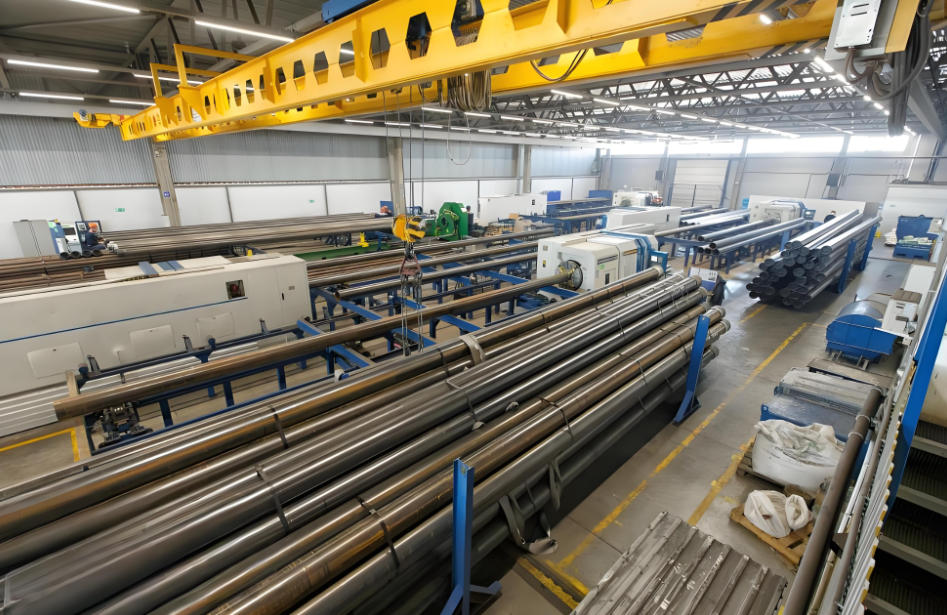
Characteristics: Excellent Surface Properties: The honing process creates an ultra-smooth inner surface with a specific crosshatch pattern (roughness Ra typically reaches 0.2-0.4μm). This microstructure not only provides an extremely low coefficient of friction, facilitating sealing and reducing motion resistance, but also effectively stores lubricant, ensuring adequate lubrication and significantly extending the life of the cylinder barrel and seals.
Excellent Mechanical Properties: Cold work hardening imparts high tensile strength (typically exceeding 500 MPa) and pressure resistance to the tube, enabling it to easily withstand sustained high-pressure pulses of tens of MPa without permanent deformation or cracking. Excellent material toughness provides sufficient resistance to shock loads.
High Dimensional Accuracy and Consistency: Strictly controlled straightness, roundness, and wall thickness uniformity ensure smooth and concentric piston rod movement, reducing vibration and eccentric wear, and fundamentally guaranteeing efficient and precise system operation.