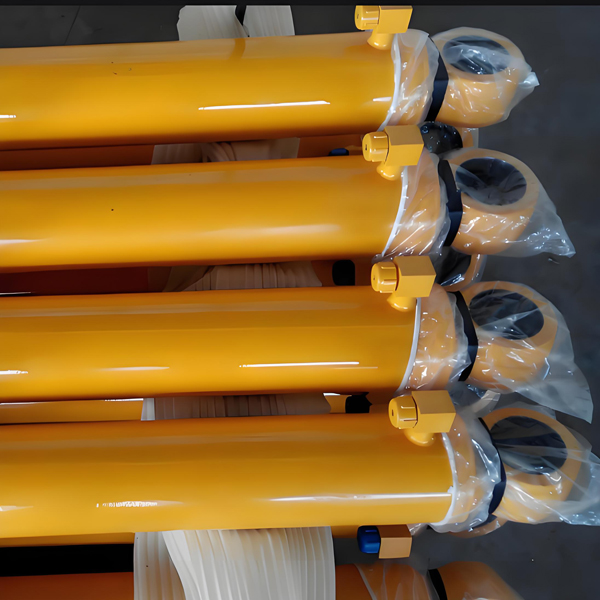
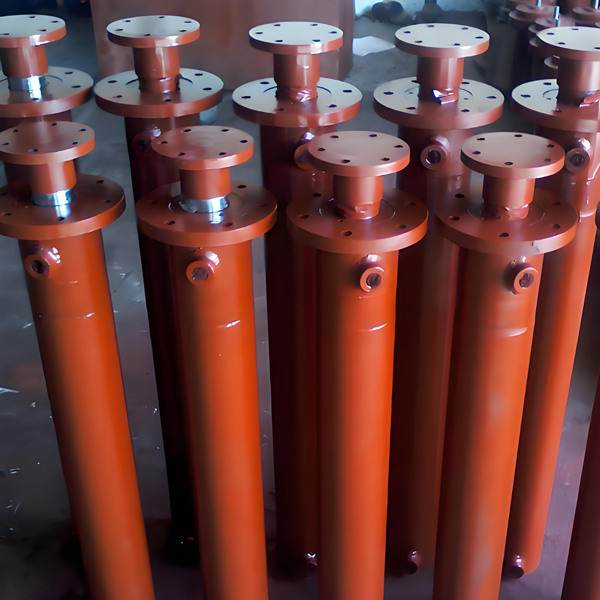
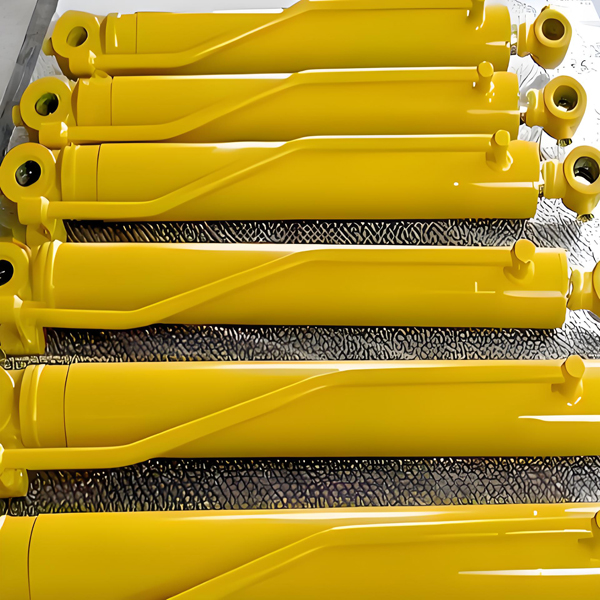
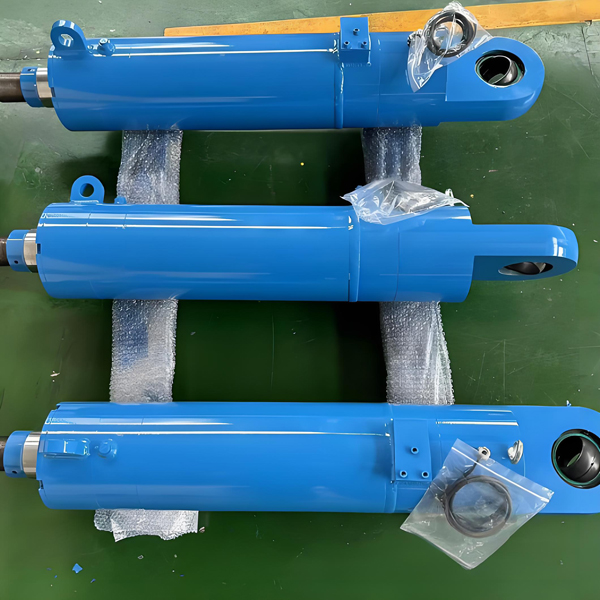
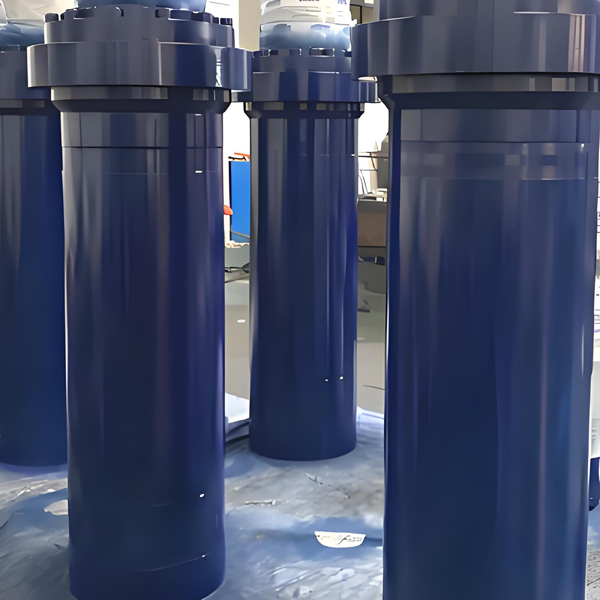
1. High-Quality Raw Materials Our raw materials are primarily sourced from renowned steel mills such as Jiangsu BOS Hydraulic Technology Co., Ltd., Baosteel, Ansteel, and Changjiang Steel Pipe.
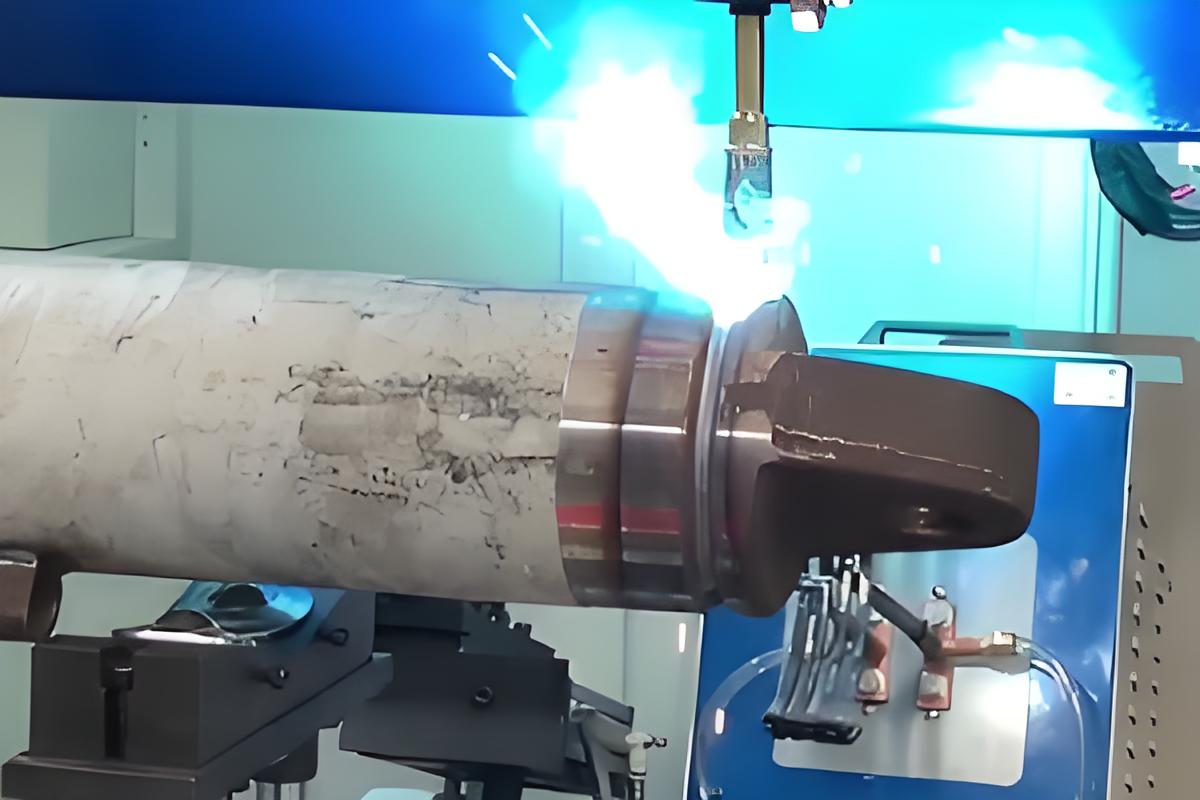
2. Advanced Production Equipment Our manufacturing facilities include cold drawing machines, honing machines, skiving and roller burnishing machines, straightening equipment,polishing machines, heat treatment furnaces, grinding machines, and more.
3. Rich production experience, strict quality control We implement a professional internal quality control system to conduct comprehensive inspections on all products.
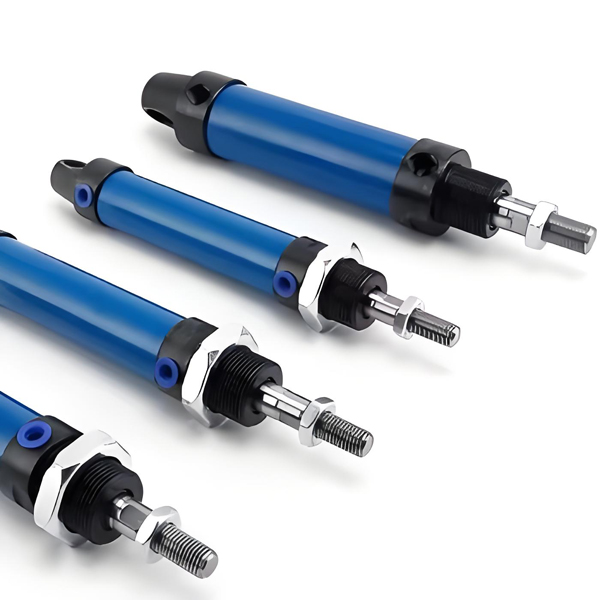
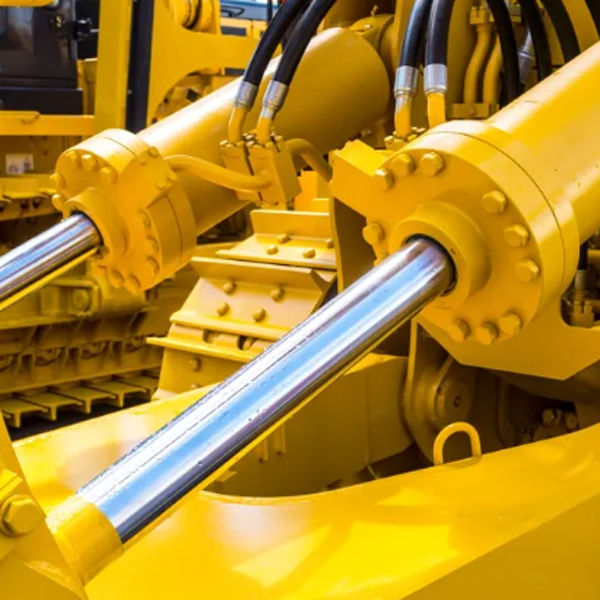
Engineering hydraulic cylinder is an energy conversion device that converts hydraulic energy into mechanical energy. It is mainly used to achieve linear reciprocating motion or swinging motion and is widely used in engineering machinery, machine tools and other equipment.
The reason why engineering hydraulic cylinders can stand out in many industrial fields is due to their following core key characteristics:
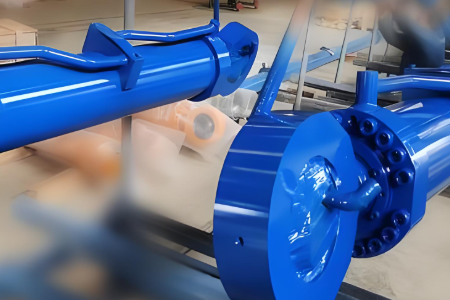
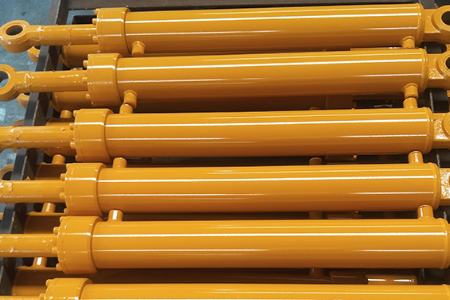
Huge output force: The hydraulic system generates tremendous thrust or tension on the piston with a small input force (provided by the pump station) through Pascal’s principle, which is incomparable to electric or pneumatic actuators.
Simple structure, sturdy and durable: The main components are cylinder barrel, piston rod, piston and sealing parts, compact structure, able to withstand harsh working conditions (such as heavy load, impact, vibration), and long service life.
Stable and precise control: By controlling the flow and pressure of hydraulic oil, it is possible to achieve stepless speed adjustment and precise position control, running smoothly without any “crawling” phenomenon.
High power density: Under the same volume and weight, hydraulic cylinders can output greater power than electric actuators, making them indispensable in heavy equipment with limited space.
Self lubrication and overload protection: Hydraulic oil itself acts as a lubricant, reducing internal wear. The safety valve equipped in the system can release pressure in case of overload, protecting the entire system from damage.
Engineering hydraulic cylinder (usually also known as hydraulic cylinder) is an actuator that converts hydraulic energy into linear mechanical force. It is the heart of the hydraulic system, responsible for completing the final ‘work’ action. Simply put, it is like a ‘super muscle’ that, through the push of hydraulic oil, causes the piston rod to extend or retract, resulting in linear movements such as pushing, pulling, pushing, lifting, and pressing. It is widely used in various construction machinery, industrial equipment, and heavy equipment, and is a key component for modern industrial power transmission.
The design of engineering hydraulic cylinders enables them to adapt to extremely diverse and demanding working conditions:
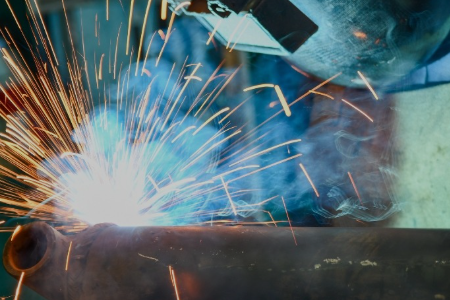
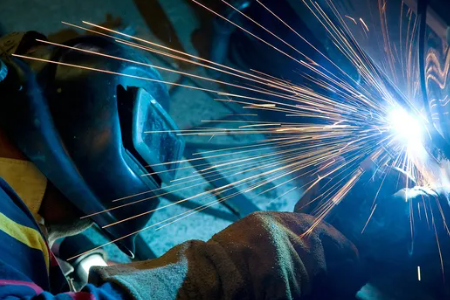
Wide load range: There are corresponding hydraulic cylinder models available for loads ranging from a few tons to thousands of tons.
Strong environmental tolerance: Through special surface treatments (such as hard chrome plating, spraying), sealing materials and designs, it can cope with environments such as humidity, dust, seawater corrosion, high temperature or extreme cold.
Flexible installation method: Provides multiple installation forms, such as earring, pin shaft, flange, base, etc., for easy integration into various host device structures.
Adjustable stroke and speed: Different piston rod strokes can be customized according to actual needs, and their movement speed can be precisely controlled through hydraulic circuits.
Basic composition: mainly composed of cylinder barrel, piston, piston rod, end cover and sealing device.
Working process:
Extension process: The hydraulic pump pressurizes the oil and enters the rodless chamber of the cylinder through port A. The pressure oil pushes the piston, and the piston drives the piston rod to extend outward. At this point, the oil in the rod chamber is pressed back into the tank through port B.
Retraction process: Pressurized oil enters the rodless chamber from port B, pushing the piston towards the rodless chamber and causing the piston rod to retract. The oil in the rodless chamber flows back to the oil tank from port A.
Generation of force: The thrust or tension generated by the piston is equal to the hydraulic pressure multiplied by the effective working area of the piston.
Construction machinery: arm movements of excavators, loaders, and bulldozers; The legs and arms of concrete pump trucks; Vibration compaction of road rollers.
Building equipment: hydraulic pile drivers, pipe jacking machines, and tower cranes’ lifting systems.
Metallurgical industry: tilting of steelmaking furnaces and pressing devices of rolling mills.
Mining equipment: hydraulic supports, rock drilling rigs, lifting carriages for mining dump trucks.
Ship and port machinery: servos, deck cranes, and lifting equipment for container cranes.
Aerospace: retraction and deployment of aircraft landing gear, driving of simulated flight platforms.
Special vehicles: fire ladder truck, garbage compactor truck.
Technical necessity: When application scenarios require large tonnage output, strong impact resistance, or long-term reliable operation in harsh environments, hydraulic solutions are usually the only or best choice.
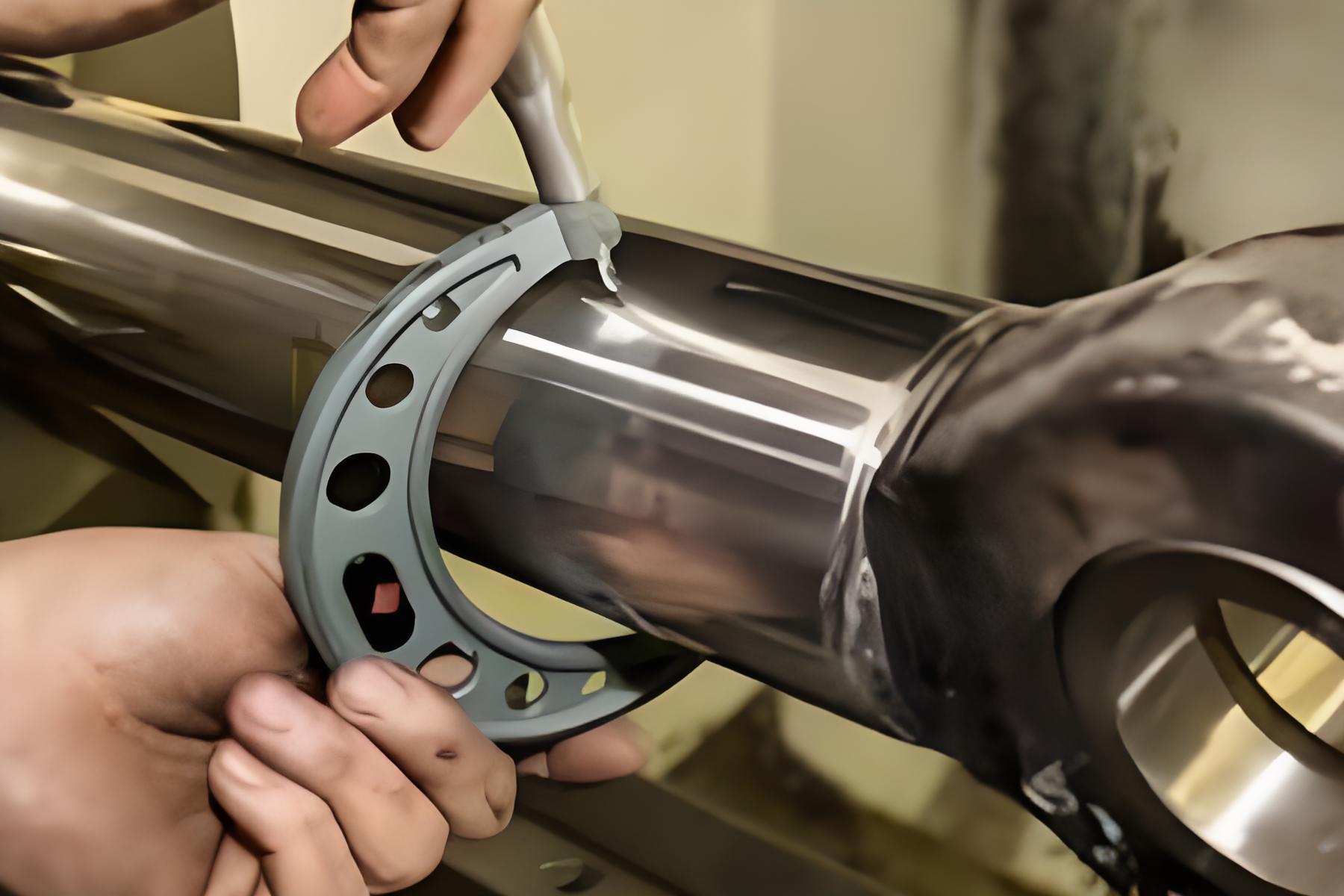
Cost effectiveness: For large equipment, electric solutions that achieve the same output power often have higher costs, larger volumes, and more complex maintenance.
Reliability and lifespan: Mature design, sturdy construction, and effective sealing technology ensure the long lifespan and low failure rate of hydraulic cylinders under heavy load cycles.
Control flexibility: It is easy to achieve complex functions such as stepless speed regulation, synchronous action, and safety locking, and seamlessly integrates with existing hydraulic systems.
Engineering hydraulic cylinder technology is developing towards higher efficiency, intelligence, and environmental friendliness
Lightweight and High Strength: Using high-strength steel, composite materials, and optimized structural design to reduce weight and improve energy efficiency of the host equipment while ensuring performance.
Intelligence and electro-hydraulic integration: integrating displacement and pressure sensors to achieve real-time monitoring of working conditions, fault diagnosis, and predictive maintenance. Combined with servo motors and frequency converters, it forms a more energy-efficient and precise electro-hydraulic servo/proportional system.
New materials and processes: Developing more wear-resistant and corrosion-resistant coating technologies, as well as high-performance and long-life sealing materials to cope with extreme working conditions.
Energy conservation and environmental protection: Developing low friction technologies to reduce internal leakage and improve efficiency. Use biodegradable and environmentally friendly hydraulic oil to reduce its impact on the environment.
Modularization and standardization: Through modular design, design and manufacturing cycles are shortened, costs are reduced, and quick replacement and maintenance are facilitated.