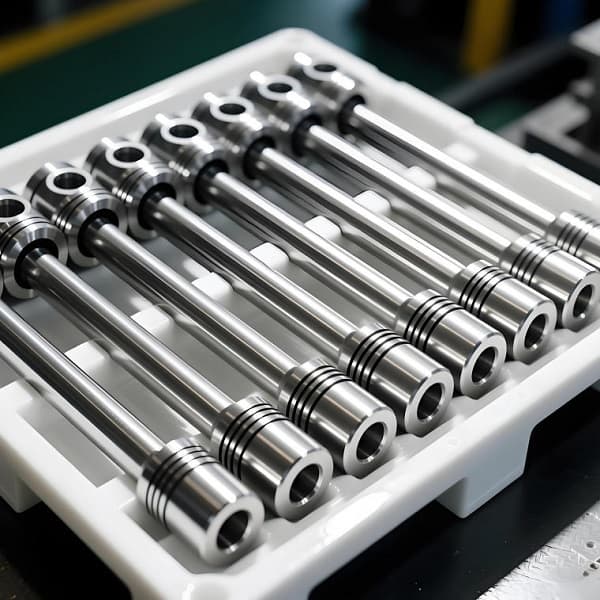
1. High-Quality Raw Materials Our raw materials are primarily sourced from renowned steel mills such as Jiangsu BOS Hydraulic Technology Co., Ltd., Baosteel, Ansteel, and Changjiang Steel Pipe.
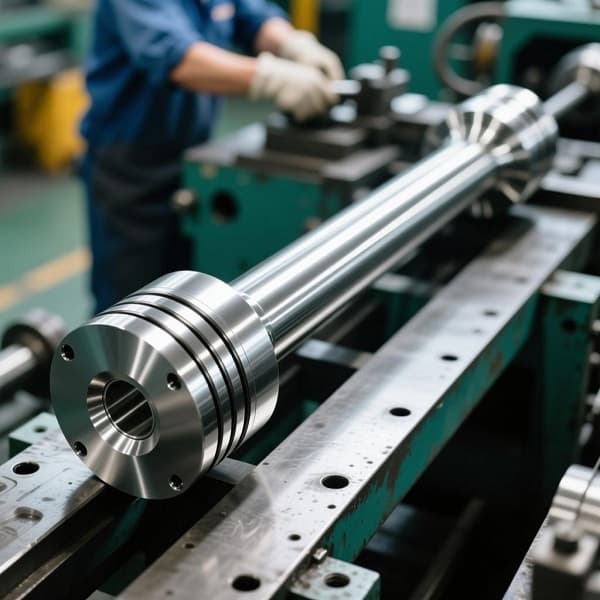
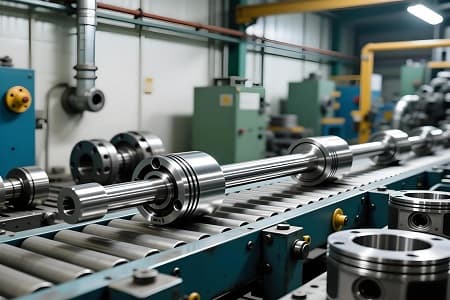
2. Advanced Production Equipment Our manufacturing facilities include cold drawing machines, honing machines, skiving and roller burnishing machines, straightening equipment,polishing machines, heat treatment furnaces, grinding machines, and more.
3. Rich production experience, strict quality control We implement a professional internal quality control system to conduct comprehensive inspections on all products.
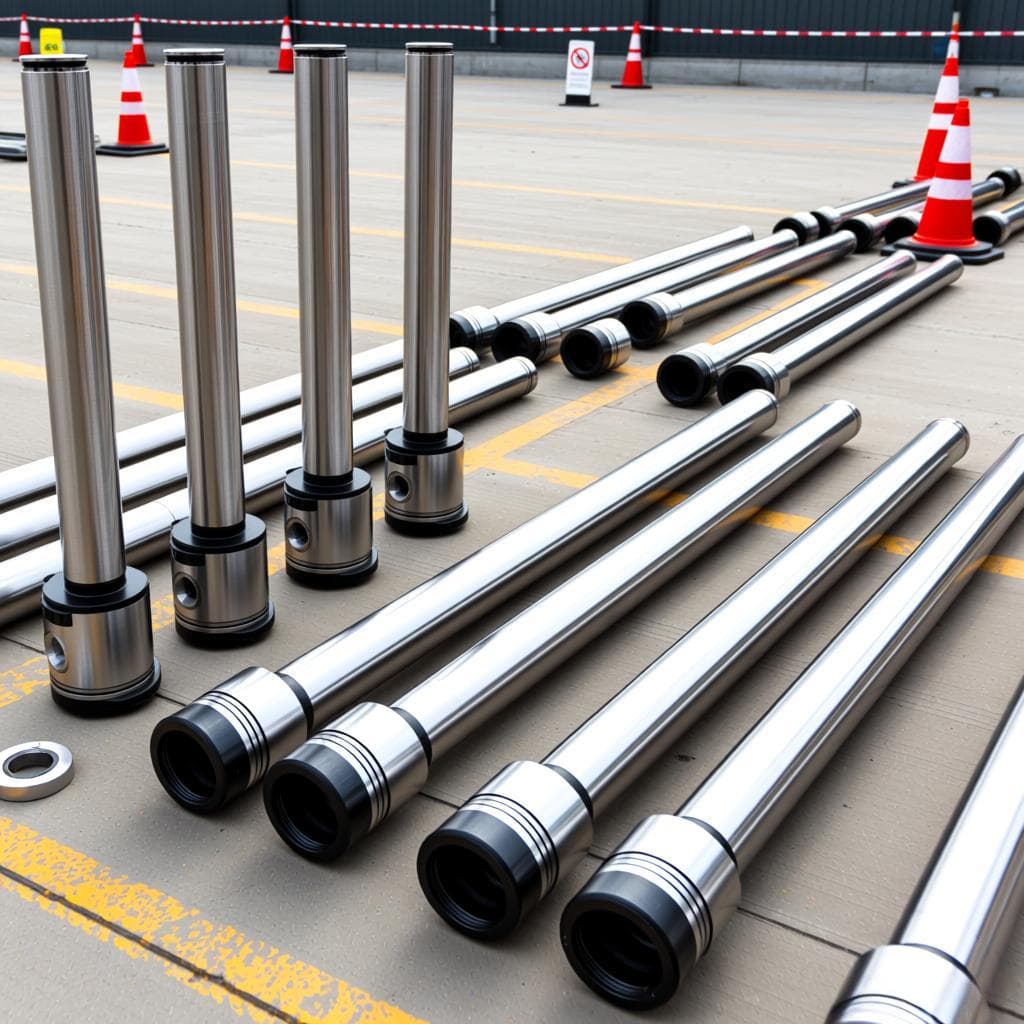
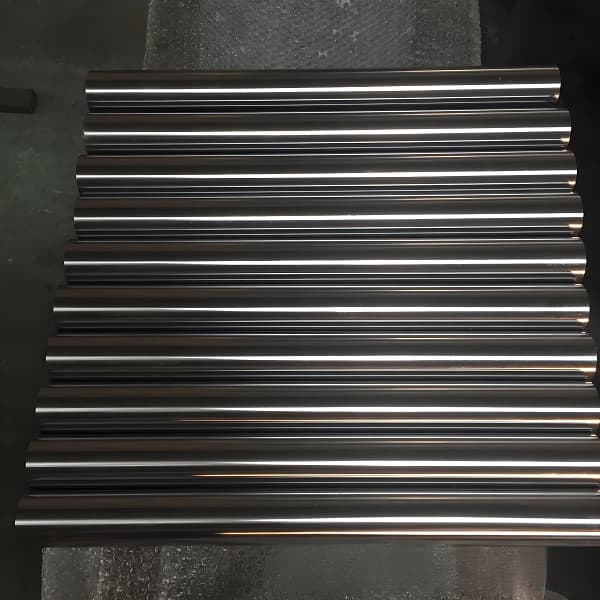
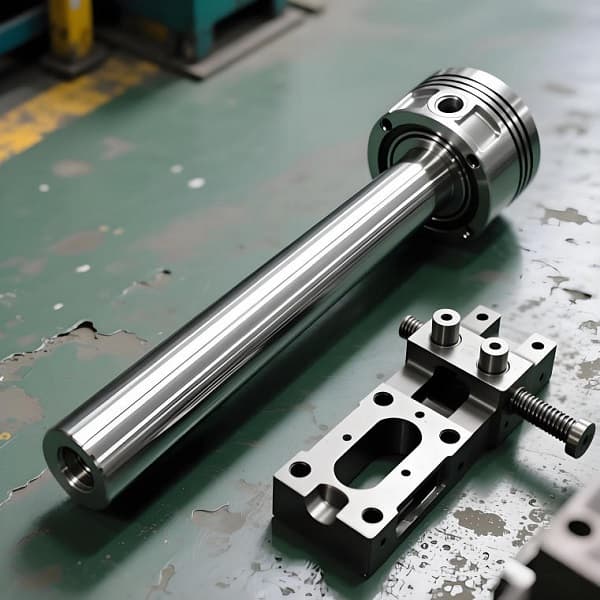
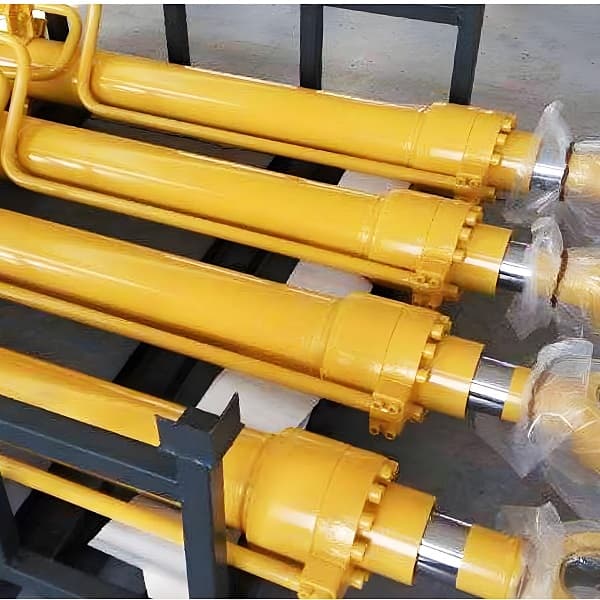
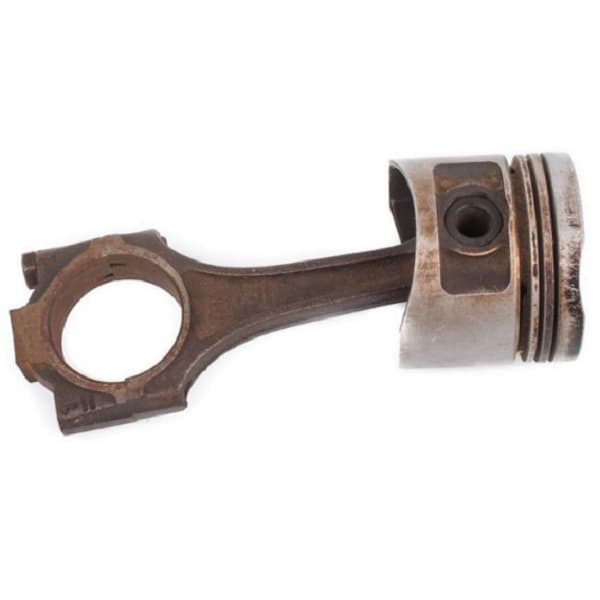
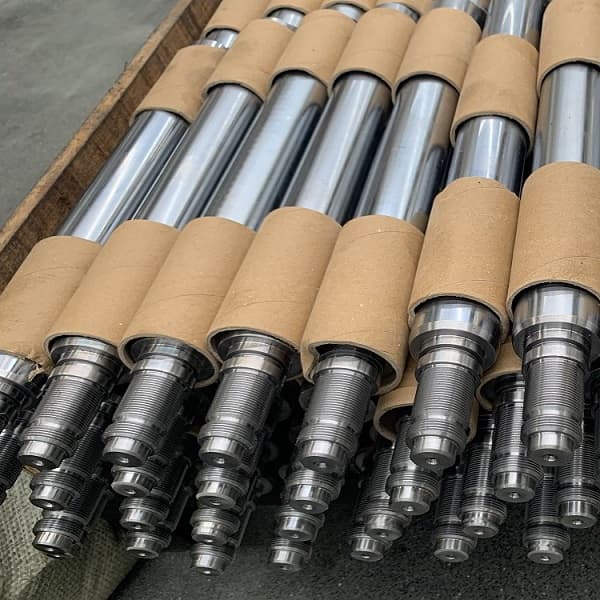
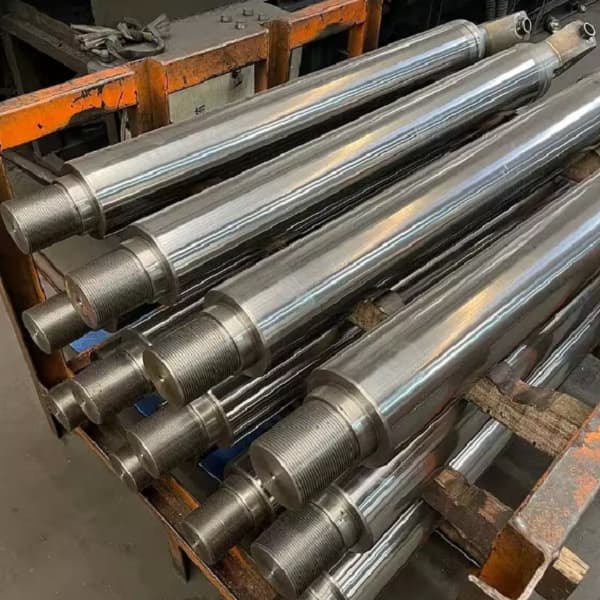
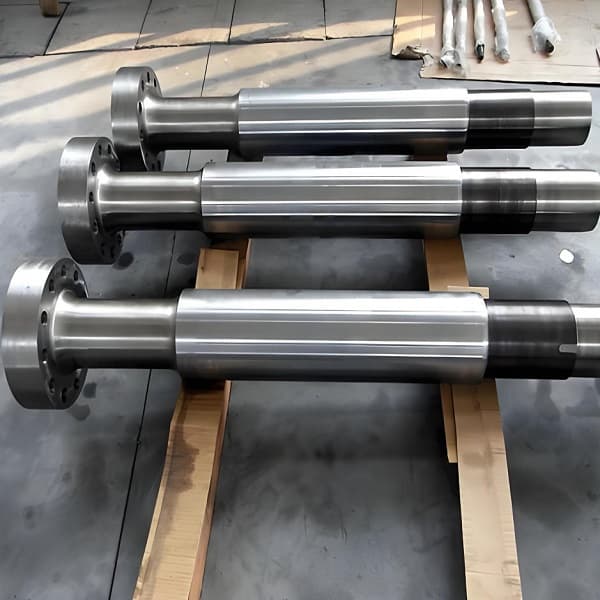
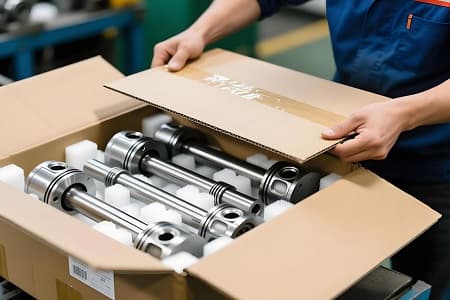
In modern industry, from automated equipment to heavy machinery, the hard chrome plated piston rod plays an indispensable role as a core component in hydraulic and pneumatic systems. With its exceptional wear resistance, corrosion resistance, and long service life, this specially treated piston rod is a key guarantee for reliable power transmission in engineering applications. This article will delve into the characteristics, manufacturing process, applications, and advantages of hard chrome plated piston rods.
Superior Wear Resistance, Preserving Precision: The most significant advantage of a hard chrome plated piston rod lies in its remarkable wear resistance. Under the harsh conditions of high-speed reciprocating motion and continuous friction with seals, the hard chrome layer effectively resists abrasive and adhesive wear, significantly delaying dimensional inaccuracy and seal failure caused by wear, and dramatically extending equipment maintenance intervals and service life.
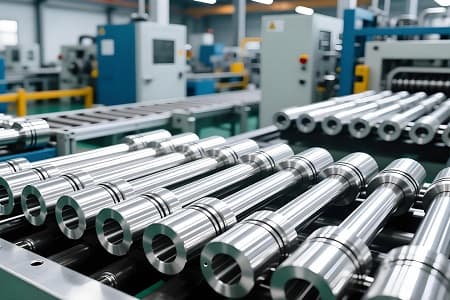
Corrosion Barrier, Resisting Environmental Challenges: Chromium itself possesses excellent chemical inertness. This dense hard chrome layer acts like a strong armor, providing superior barrier protection to the steel substrate, effectively resisting corrosion from humid air, industrial atmospheres, water (including seawater), chemical solvents, and various weak acids and bases. This makes hard chrome plated piston rods particularly suitable for environments with high corrosion risk, such as chemical processing, marine engineering, and food processing.
Reduced Friction, Enhanced Efficiency: The extremely smooth surface of the hard chrome plating (achieving mirror-like finish of Ra 0.1μm – 0.4μm after precision grinding and polishing) significantly reduces the dynamic friction coefficient with seals (such as polyurethane or PTFE). This not only reduces energy loss and improves system efficiency, but also effectively lowers the risk of abnormal seal wear and premature aging due to frictional heat.
High-Strength Substrate, Supporting Reliable Power: While the hard chrome layer is hard, it is relatively brittle; its superior performance relies on the support of a high-strength alloy steel substrate. The base material provides high tensile strength (typically >1000 MPa), excellent fatigue resistance, and toughness, ensuring the structural stability and reliability of the hard chrome-plated piston rod under heavy loads and high-frequency reciprocating motion.
In conjunction with the seals, it maintains system cleanliness: The smooth, hard chrome surface minimizes abrasion of the soft sealing material, reducing the risk of seal wear particles contaminating the hydraulic fluid, which is crucial for maintaining system cleanliness and protecting precision valves.
The manufacturing process of a hard chrome-plated piston rod involves precision machining and surface treatment technologies, with the chrome plating process being particularly critical. Hard chrome plating is a single-metal electroplating process, one of the three main types of plating. The entire process must be carried out under strictly controlled parameters to ensure the quality of the plating.
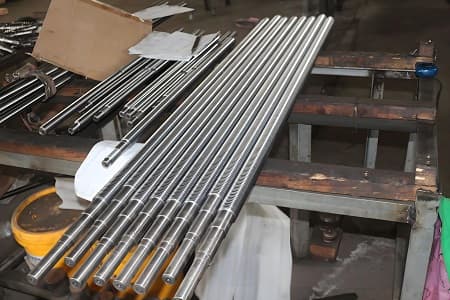
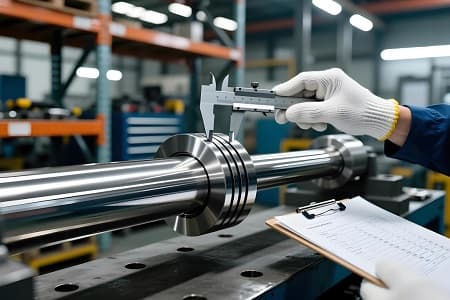
The core of the chrome plating process lies in the precise control of the plating solution concentration, temperature, and current density. The plating solution typically contains 2-10 g/L of chromium ions, 2.2-2.9 g/L of sulfuric acid, and 220-290 g/L of chromium trioxide. The temperature is generally controlled between 35-55°C, and the current density is maintained within the range of 30-50 A/dm². Precise control of these parameters is crucial for plating quality—excessive temperature reduces hardness, and excessive current increases brittleness.
Plating time directly affects the plating thickness. For hard chrome-plated piston rods, the typical plating thickness is 30-40 μm, but the thickness can be adjusted according to application requirements. For example, for pneumatic applications, a thickness of at least 0.02 mm is recommended, while hydraulic applications require a thicker coating.
Post-treatment processes are equally important. Hydrogen embrittlement treatment (at 180-200°C for a certain period) is a necessary step to eliminate hydrogen embrittlement caused during the plating process and improve the corrosion resistance and fatigue strength of the plating. Furthermore, precise grinding and polishing processes ensure that the piston rod achieves an extremely high surface finish (typically Ra 0.2-0.4 μm) and strict dimensional tolerances (e.g., IT6-IT9 grade).
Hard chrome-plated piston rods have a wide range of applications, encompassing almost all industrial sectors requiring linear motion and power transmission.
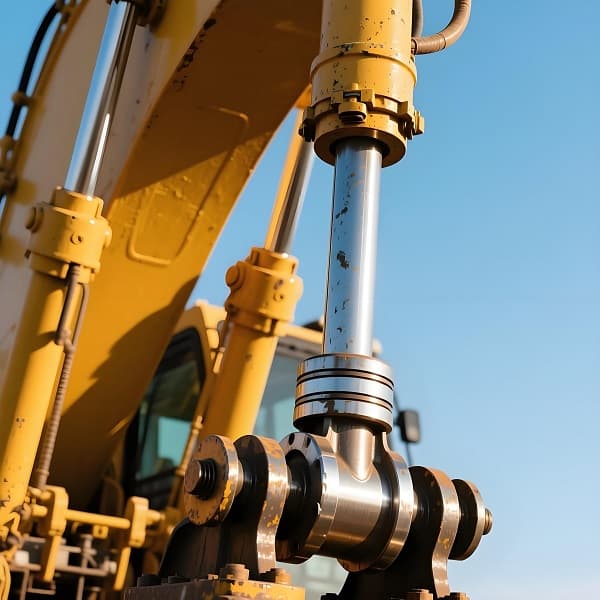
In hydraulic and pneumatic systems, they are core components of cylinders and actuators, used in engineering machinery, injection molding machines, die casting machines, and other equipment. These applications demand that the piston rod withstand high pressure, frequent reciprocating motion, and harsh environmental conditions.
In automation equipment and industrial robots, hard chrome-plated piston rods serve as precision linear motion components, ensuring accurate positioning and smooth operation of robotic arms and slides. Their low friction and high wear resistance allow automation systems to maintain precision over extended periods.
In the transportation equipment sector, these piston rods are widely used in forklift lift systems, automotive shock absorbers, and other material handling equipment. Their high strength and durability guarantee the safe and reliable operation of these critical components.
Furthermore, hard chrome-plated piston rods are commonly found in various industrial equipment such as textile machinery, printing machinery, and woodworking machinery, covering almost all industries requiring linear motion and power transmission.
With the continuous advancement of industrial technology, the performance requirements for hard chrome-plated piston rods are also increasing. Advanced chrome plating systems, such as DynaChrome® Plus, achieve higher production efficiency and more uniform coating thickness while reducing chemical consumption and environmental impact. These systems utilize platinum-titanium anodes for a completely lead-free process and recover the chromium electrolyte using ion exchange, significantly reducing water usage and wastewater generation.
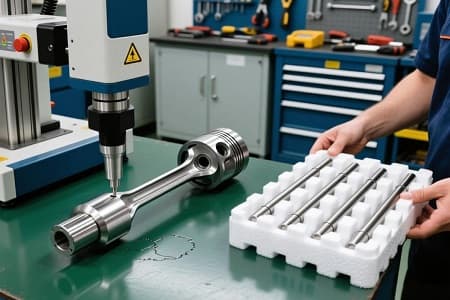
Surface treatment technologies are constantly innovating, including developing more environmentally friendly alternative coatings and improving traditional chrome plating processes to enhance deposition efficiency and minimize environmental impact. In-depth research into the microstructure control of the coating allows modern hard chrome-plated piston rods to achieve high hardness, high toughness, and excellent corrosion resistance simultaneously.
Developments in materials science also offer new avenues for improving piston rod performance. By using high-quality alloy steel materials (such as 42CrMo4, GCr15, etc.) and employing appropriate heat treatment processes (such as tempering and high-frequency quenching), the mechanical properties of the piston rod base material can be further improved, providing stronger support for the coating.
Hard chrome-plated piston rods represent the culmination of material science and surface engineering. With unparalleled hardness, wear resistance, corrosion resistance, and low friction, they form the robust and durable core moving parts of modern hydraulic and pneumatic systems. In this era of industrial innovation, where high reliability, long lifespan, and low maintenance are paramount, their superior performance continues to reliably support power transmission in everything from workshop machinery to large-scale engineering projects, making them an indispensable, wear-resistant cornerstone of precision industry.