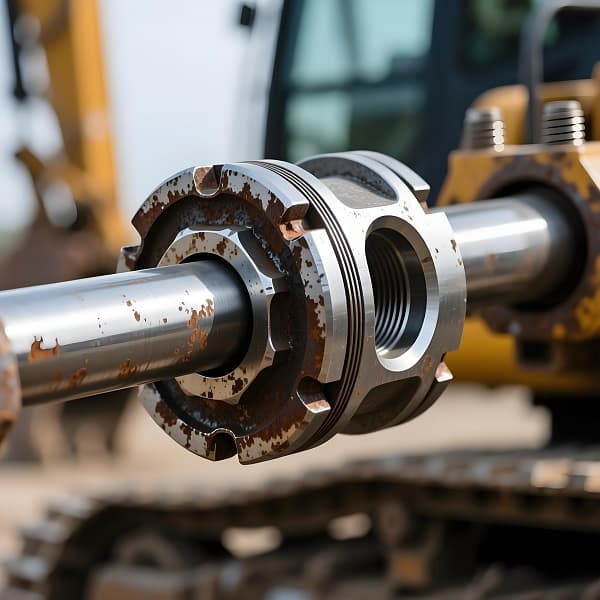
1. High-Quality Raw Materials Our raw materials are primarily sourced from renowned steel mills such as Jiangsu BOS Hydraulic Technology Co., Ltd., Baosteel, Ansteel, and Changjiang Steel Pipe.
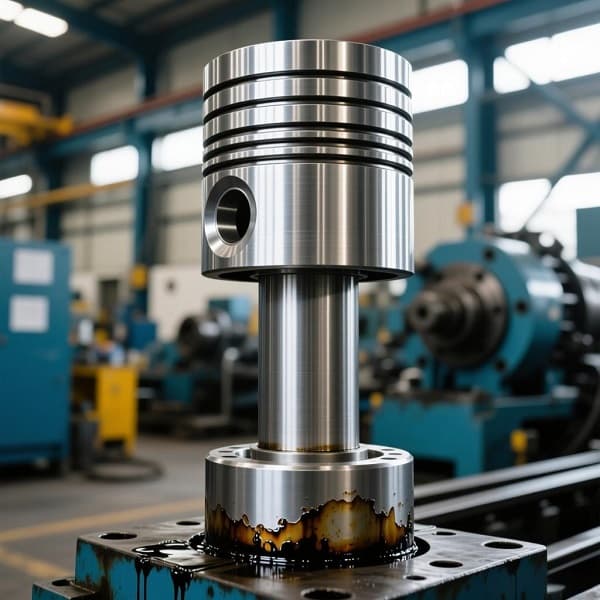
2. Advanced Production Equipment Our manufacturing facilities include cold drawing machines, honing machines, skiving and roller burnishing machines, straightening equipment,polishing machines, heat treatment furnaces, grinding machines, and more.
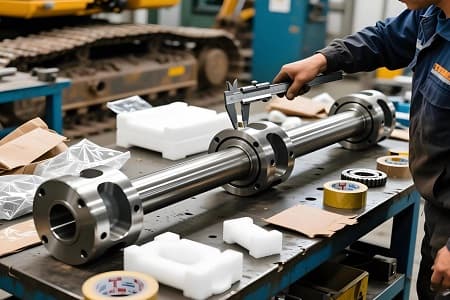
3. Rich production experience, strict quality control We implement a professional internal quality control system to conduct comprehensive inspections on all products.
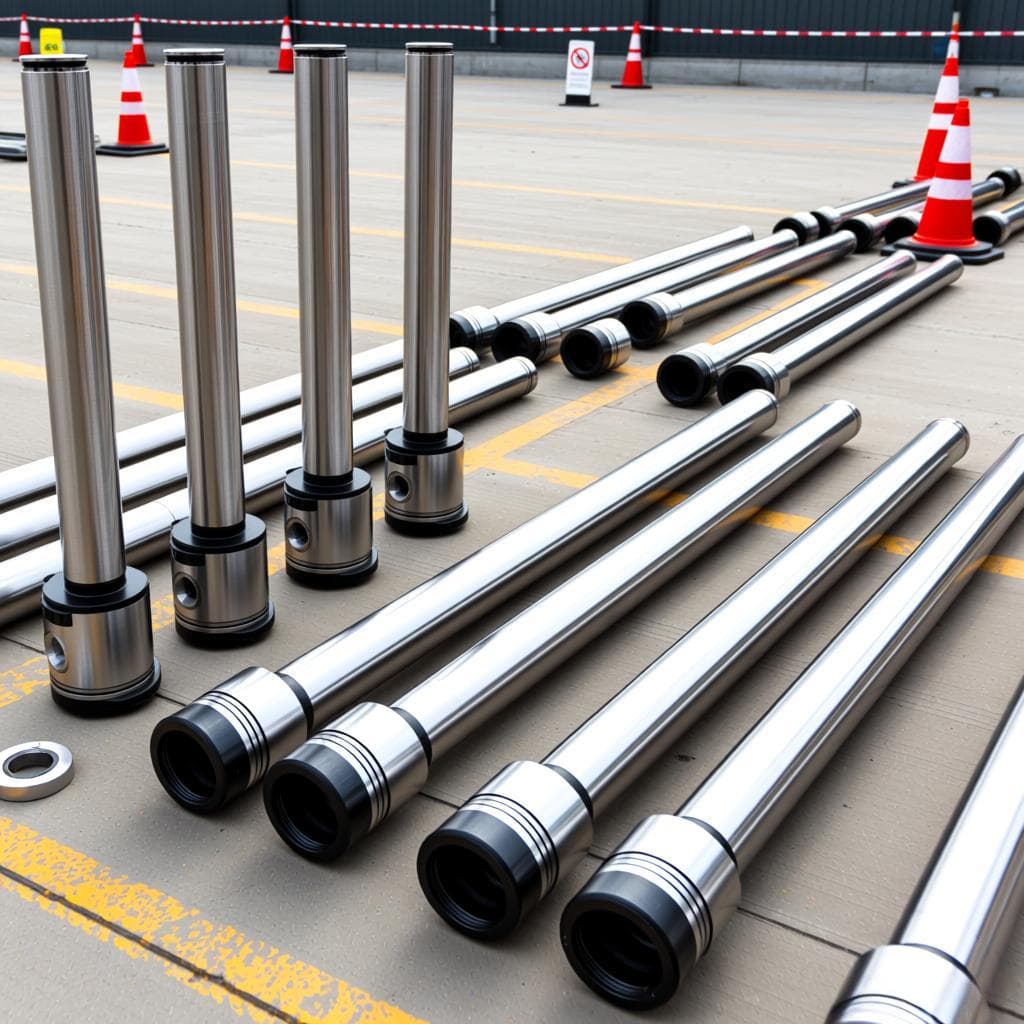
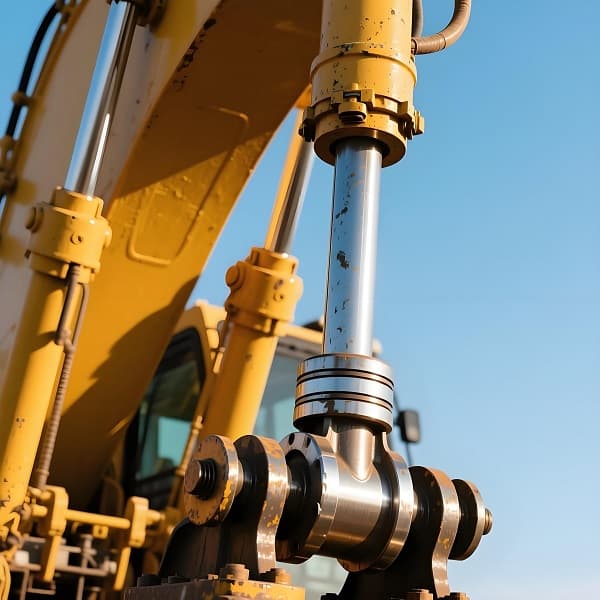
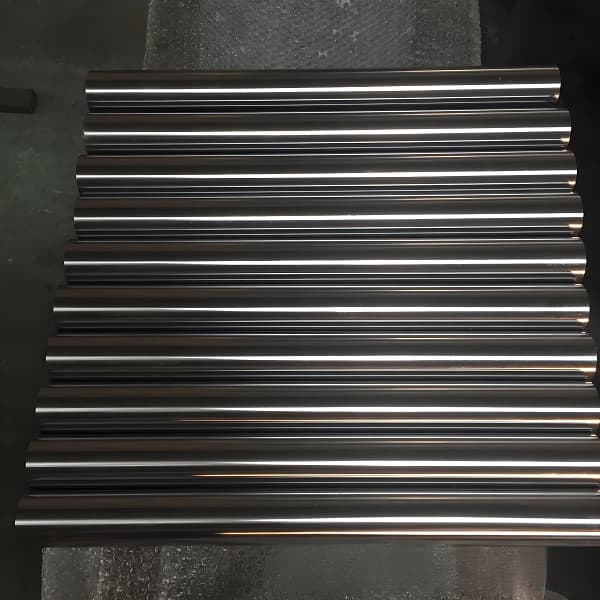
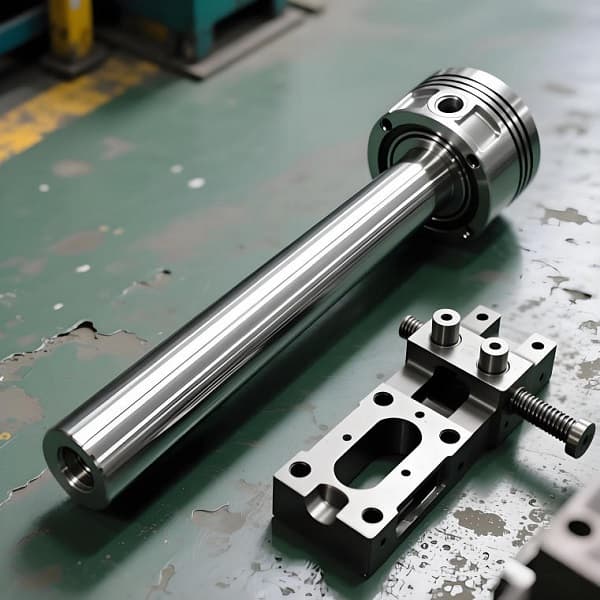
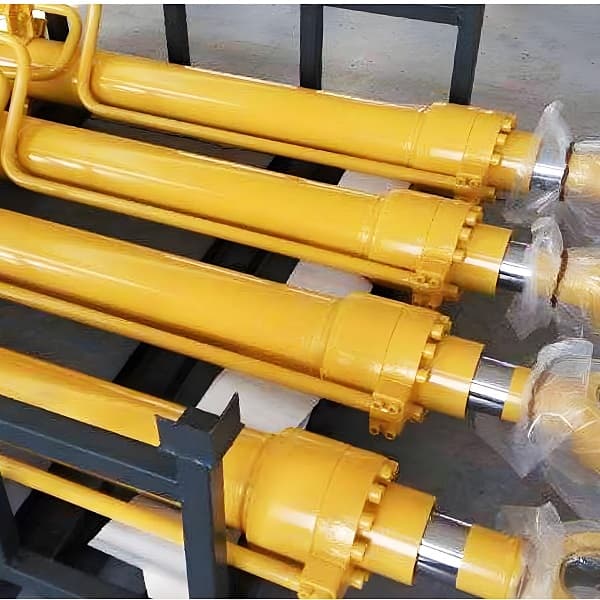
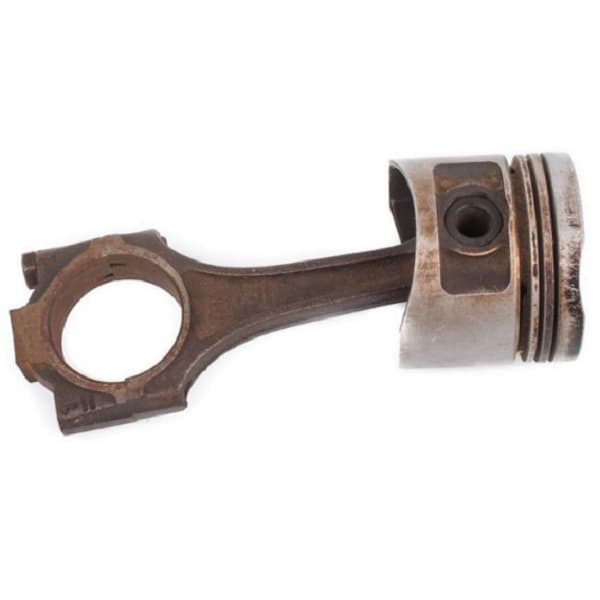
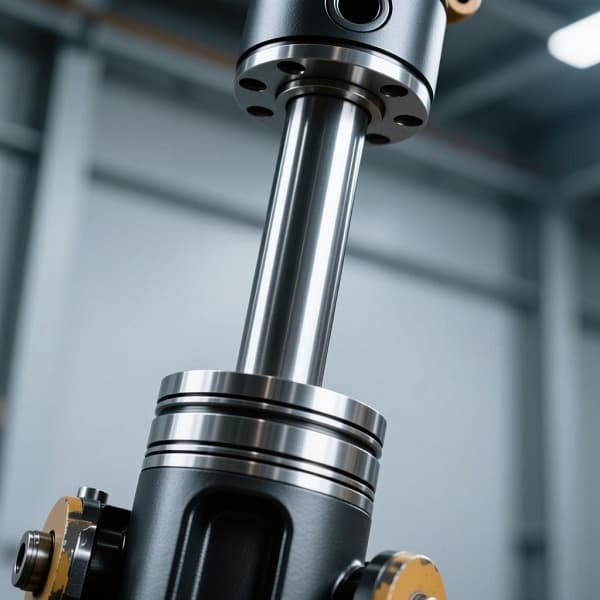
The hydraulic cylinder piston rod for heavy-duty excavators is able to operate efficiently under extreme working conditions thanks to a seemingly simple yet crucial component: the hydraulic cylinder piston rod. This seemingly ordinary metal rod is actually the core of the excavator's power transmission, enduring tremendous pressure, impact, and wear.
The performance of the piston rod directly determines the efficiency and reliability of the entire hydraulic system. In modern heavy-duty excavators, the design, materials, and manufacturing processes of the piston rod are meticulously calculated and repeatedly tested to ensure long-term and stable operation under heavy loads and high-frequency operating conditions.
Hydraulic cylinder piston rods for heavy-duty excavators must possess excellent mechanical properties and durability. Piston rods are typically made of 45-gauge high-quality carbon steel or 40CR alloy steel, which provide a high-strength foundation. All piston rod and piston components have a safety factor of at least five times the tensile strength at rated pressure at the smallest cross-section to ensure reliability under extreme working conditions.
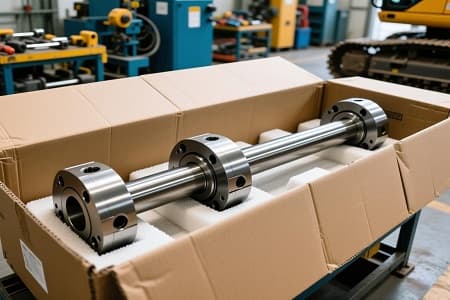
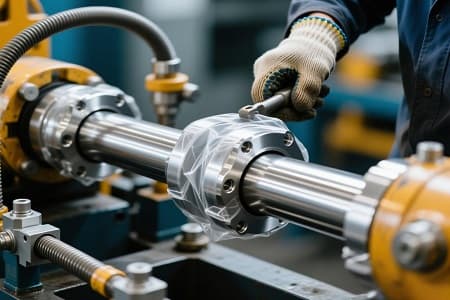
Surface treatment is crucial. The piston rod surface undergoes quenching, followed by hard chrome plating and mirror polishing to a high standard of Ra0.2μm to Ra0.4μm. This treatment not only provides excellent surface smoothness but also ensures exceptional wear and corrosion resistance, enabling it to withstand the harsh environmental conditions commonly encountered in excavator operations.
The manufacturing process for hydraulic cylinder piston rods for heavy-duty excavators requires sophisticated machining techniques and stringent quality control. The diameter tolerance of the piston rod is typically controlled to half of ISO f7, with a straightness requirement of 0.2/1000mm.
Ovality is also a critical parameter, requiring extremely tight tolerances to ensure a consistent fit with the seals and prevent leakage.
Precision cold-drawn seamless steel tubes and high-performance honing processes are the primary methods and materials used in cylinder body manufacturing. This combination ensures the smoothness and geometric accuracy of the cylinder inner wall, creating an excellent working environment for the piston rod.
Every hydraulic cylinder leaving the factory undergoes rigorous testing on a high-pressure test bench. These tests include pressure testing, leak testing, and performance testing to ensure the cylinder can operate reliably at rated operating pressures (typically 38 MPa) or even higher pressures (46 MPa).
The sealing system of a hydraulic cylinder piston rod for heavy-duty excavators is critical to its long-term reliability. The sealing system of a heavy-duty excavator hydraulic cylinder must meet the requirements of long service life, low starting pressure, and the ability to withstand high impact pressures and eccentric loads. The inner cylindrical surface of the guide sleeve houses a piston rod seal consisting of a composite metal support sleeve, a buffer ring, a sealing ring, and a double-lip dust seal.
The fit between the piston rod and the guide sleeve requires extreme precision: too tight will result in excessive friction, while too loose can easily cause binding and unilateral wear. This requires that parameters such as surface roughness, straightness, and roundness be controlled within strict ranges. Typically, the piston rod outer diameter roughness requirement is 0.3 to ensure smooth operation and sealing reliability.
Hydraulic Cylinder Piston Rods for Heavy-Duty Excavators offer numerous performance advantages. They are suitable for high-speed, high-pressure, high-temperature, and extremely heavy-load applications, capable of withstanding continuous high pressures up to 50 MPa and transient pressures up to 70 MPa. They maintain excellent performance over a wide operating temperature range, from -30°C to 110°C.
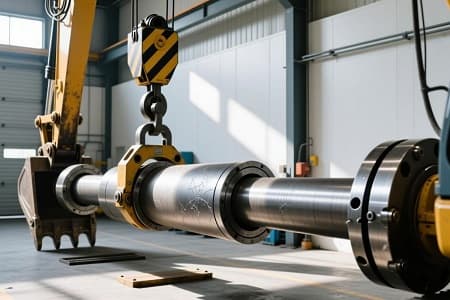
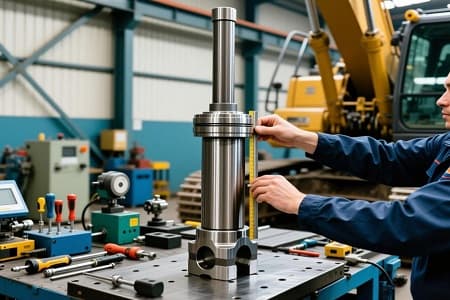
Cylinder barrel rolling and piston rod high-frequency quenching processes significantly improve fatigue life. The piston rod can be electroplated with nickel or chromium to further enhance corrosion resistance. A buffer structure can be designed into the two chambers to effectively reduce impact and extend service life. The buffer ring in the piston rod dynamic seal also effectively extends seal life.
Hydraulic Cylinder Piston Rods for Heavy-Duty Excavators have diverse performance requirements depending on the application. For excavators with a capacity of 10-75 tons, the piston rod diameter typically ranges from φ50 to φ140 mm.
Excavator arm cylinder piston rods must withstand significant bending moments and impact loads. This requires piston rods with higher strength and toughness, as well as excellent surface wear resistance.
Bucket cylinder piston rods have even higher wear resistance requirements, as they come into direct contact with the material during operation and are more susceptible to wear and corrosion.
Excavators of different tonnages have different piston rod requirements. Larger tonnage equipment requires piston rods with larger diameters, as well as higher material strength and quality control standards, to ensure safe and reliable operation.
Regular maintenance is crucial to ensuring the performance and life of your Hydraulic Cylinder Piston Rod for Heavy-Duty Excavators. Clean the exterior of the hydraulic cylinder regularly to remove accumulation of dirt, gravel, and other debris, preventing them from entering seals and internal components.
Inspecting seals is a crucial maintenance step. Regularly inspect hydraulic cylinder seals, including piston seals, rod seals, and end seals, to ensure they are intact. Inspect seals for leaks, aging, or wear, and replace any problems promptly.
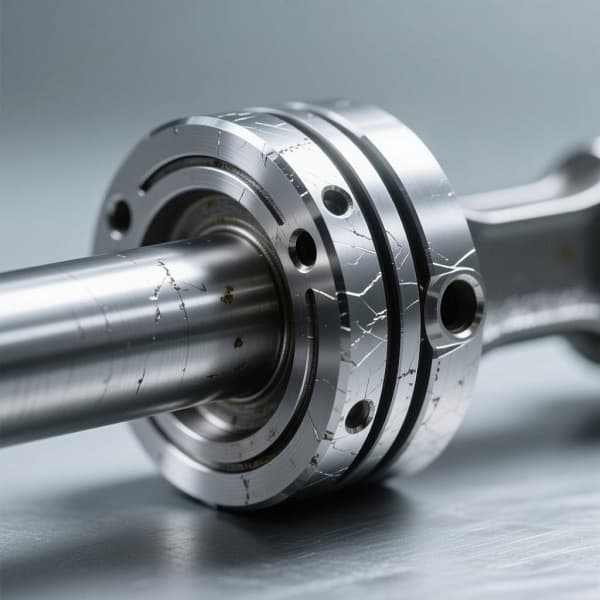
The condition of the piston rod itself also requires regular inspection to ensure its surface is smooth and free of obvious wear, corrosion, or pitting. If any problems are found with the piston rod, prompt repair measures such as grinding, polishing, or replacement should be implemented. Lubrication and maintenance are also essential. Ensure that the hydraulic cylinder’s lubricating components are functioning properly and perform lubrication and maintenance according to the manufacturer’s recommendations.
With the development of the construction machinery industry, the technology behind hydraulic cylinder piston rods for heavy-duty excavators is also continuously advancing. Innovative designs such as three-chamber hydraulic cylinders have begun to be used. This design hollows out the piston rod of a traditional hydraulic cylinder to create a separate chamber and adds a piston to form a piston pair. This design is connected to a hydraulic accumulator to efficiently recycle the potential energy of the working mechanism.
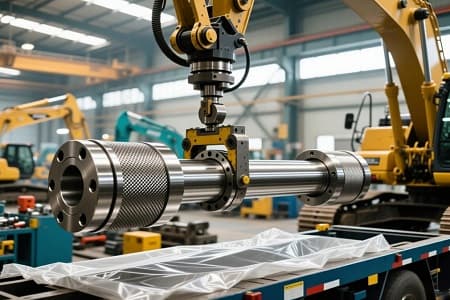
Research has shown that the use of a three-chamber hydraulic cylinder system in large mining hydraulic excavators can reduce main pump energy consumption by approximately 85.11% under no-load conditions and by approximately 62.22% under fully loaded bucket conditions. This innovation not only improves energy efficiency but also ensures smoother system operation.
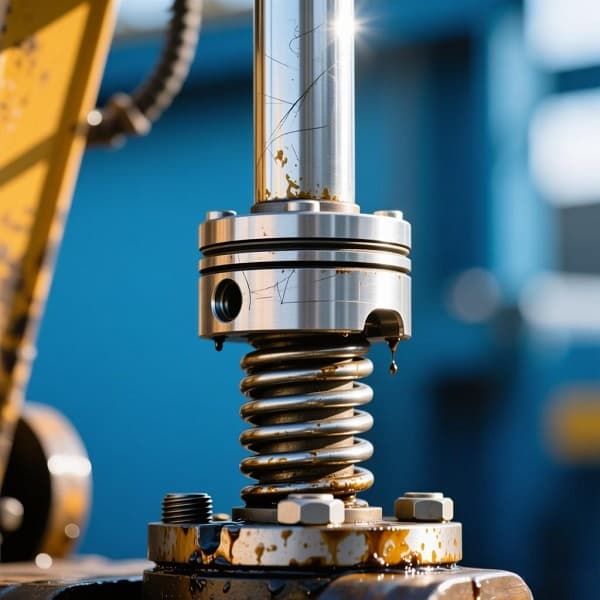
Common faults encountered with Hydraulic Cylinder Piston Rods for Heavy-Duty Excavators include external and internal leaks. External leaks may be caused by: damaged seals between the piston rod extension and the piston rod (possibly due to scratching of the piston cylinder or seal aging); damaged seals between the piston rod extension and the cylinder liner (mostly due to seal aging due to long-term use); cracked inlet and outlet joints of the cylinder; defects in the cylinder body or end cap; and damage to the piston rod, such as grooves or pits.
The main causes of internal leaks include: severe wear of the piston wear ring, causing friction between the piston and cylinder liner, damaging the cylinder liner, piston, and seals; failure of the seals due to long-term use, such as aging of piston seals (such as U-rings, V-rings, and Y-rings); and contaminated hydraulic fluid, with large amounts of impurities entering the cylinder and wearing out the piston seals.
Solving these faults requires following standard maintenance steps: first, stop the machine and check to ensure that the excavator is stopped and in a safe state, disconnect the power supply, and release the system pressure; then clean the oil leaking area and carefully check the wear of the leaking point and surrounding components; replace damaged seals according to the diagnosis results; repair or replace components that leak due to wear or damage; check the cleanliness and quality of the hydraulic oil and replace it with new hydraulic oil if necessary; finally, perform a system test to ensure that the hydraulic system is working properly and there is no oil leakage.