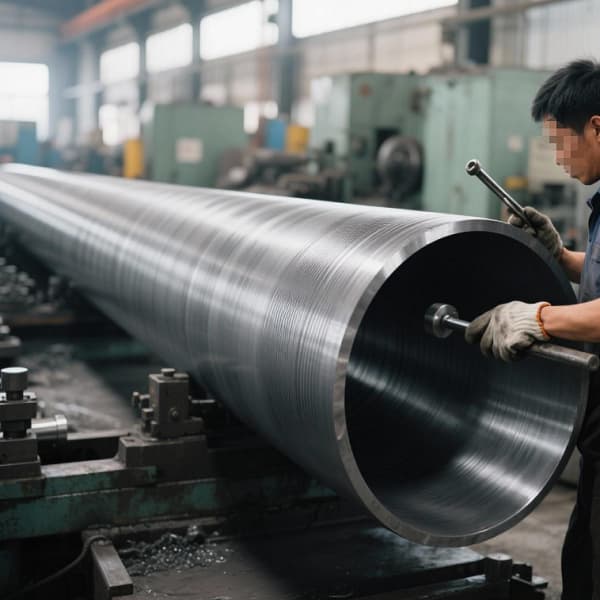
1. High-Quality Raw Materials Our raw materials are primarily sourced from renowned steel mills such as Jiangsu BOS Hydraulic Technology Co., Ltd., Baosteel, Ansteel, and Changjiang Steel Pipe.
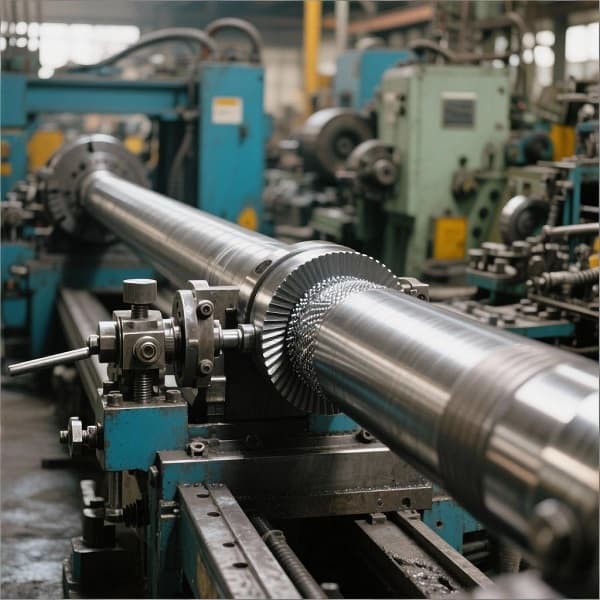
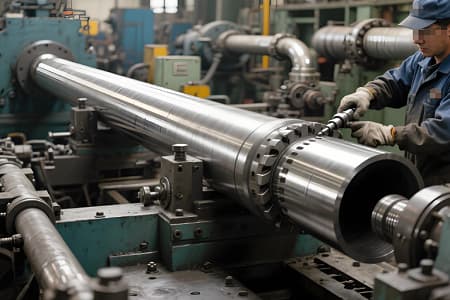
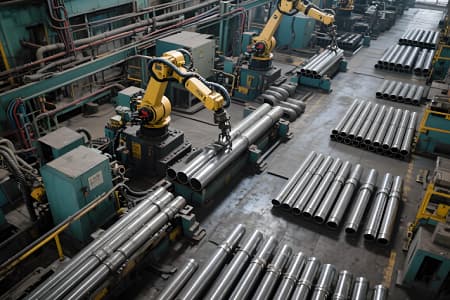
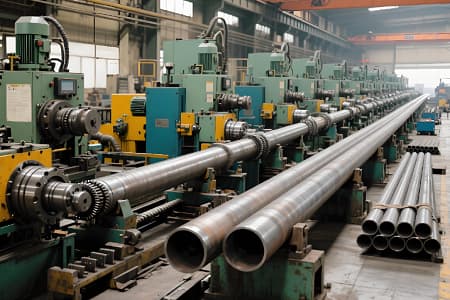
2. Advanced Production Equipment Our manufacturing facilities include cold drawing machines, honing machines, skiving and roller burnishing machines, straightening equipment,polishing machines, heat treatment furnaces, grinding machines, and more.
3. Rich production experience, strict quality control We implement a professional internal quality control system to conduct comprehensive inspections on all products.
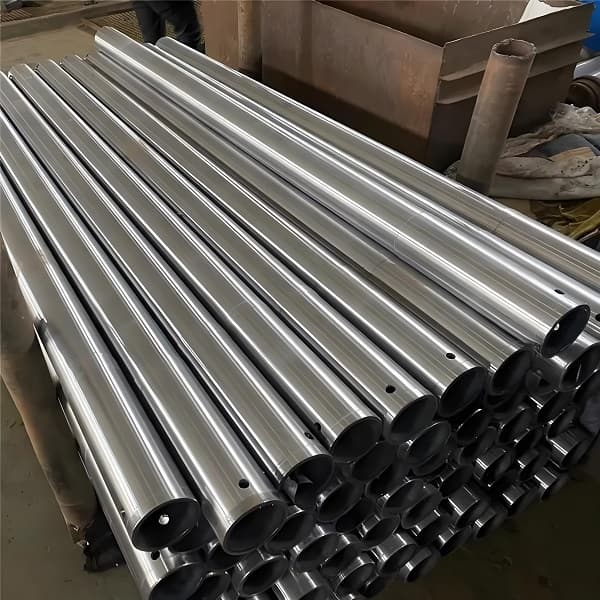
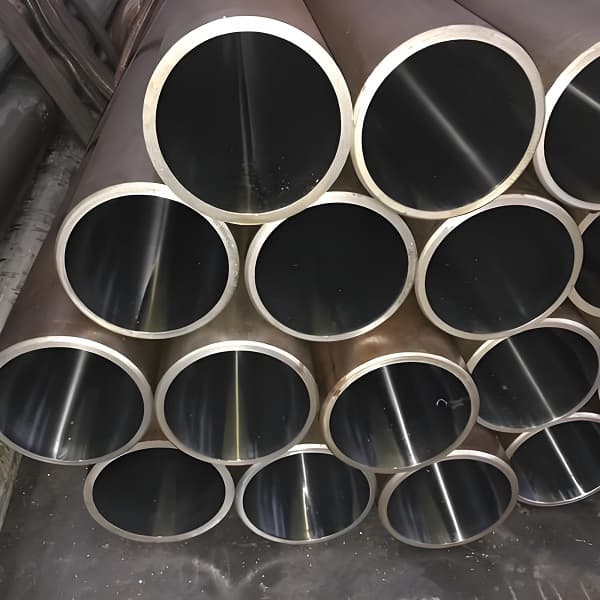
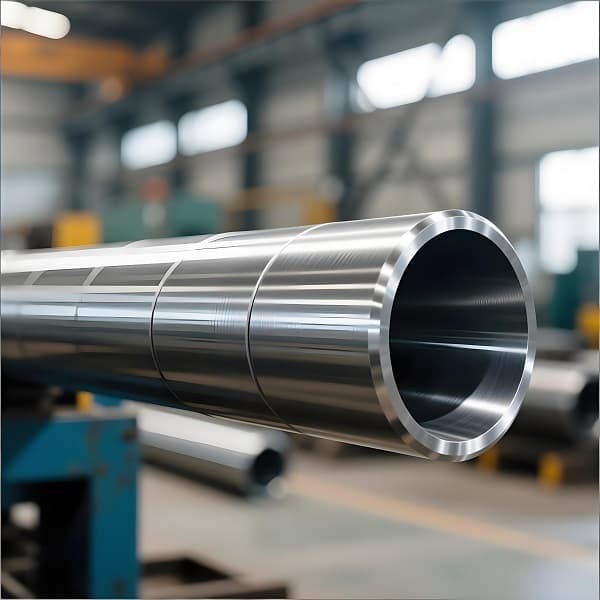
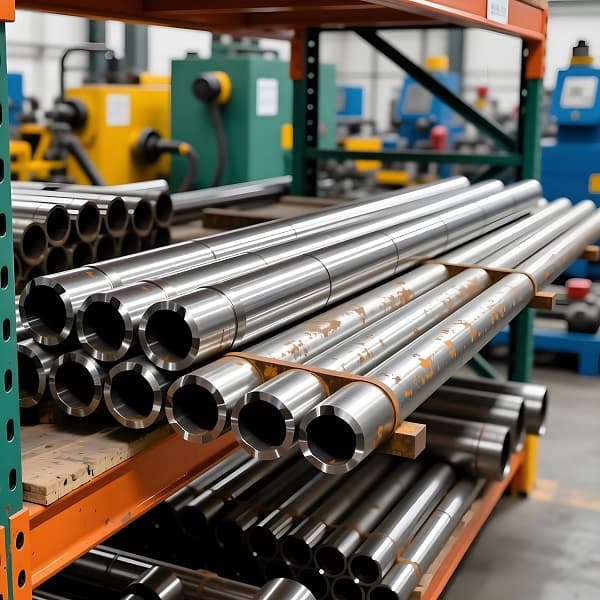
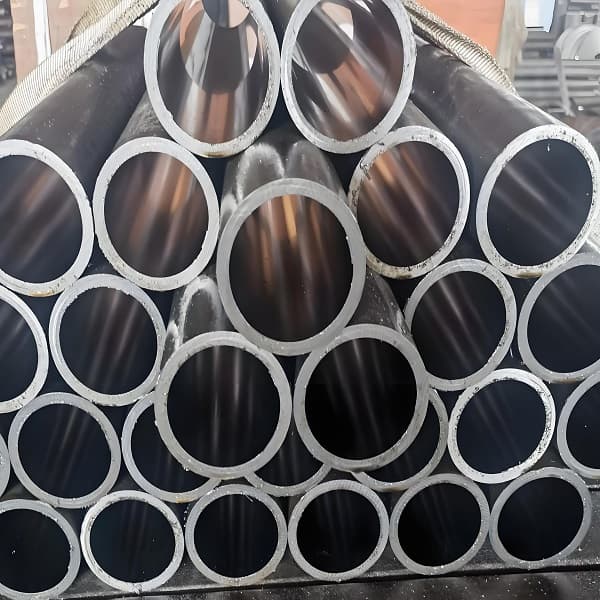
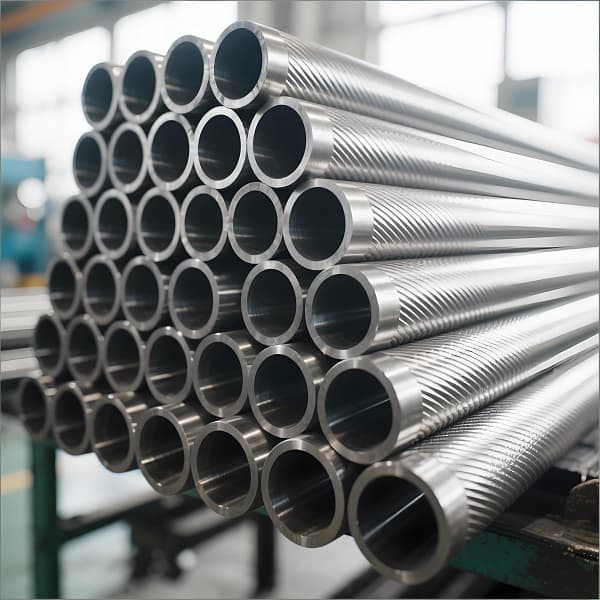
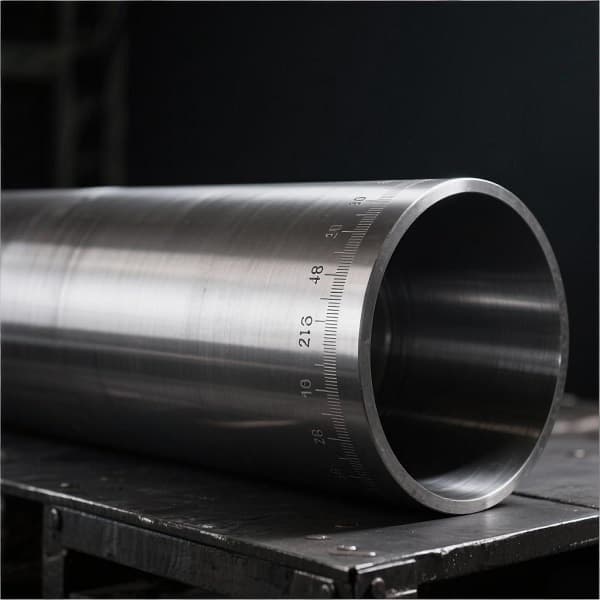
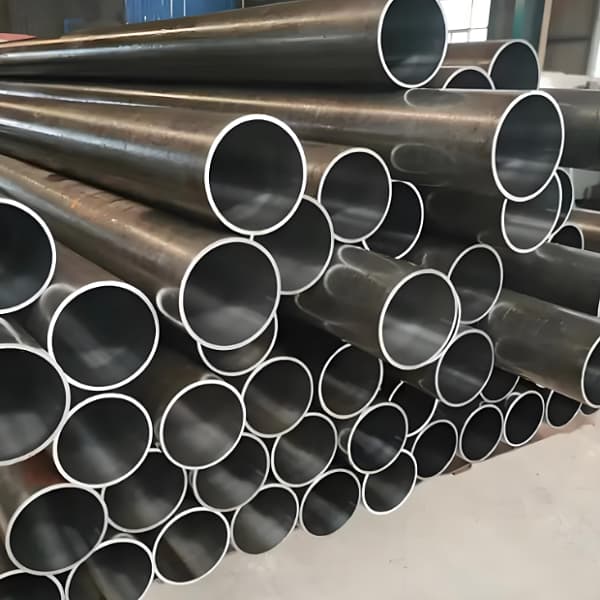
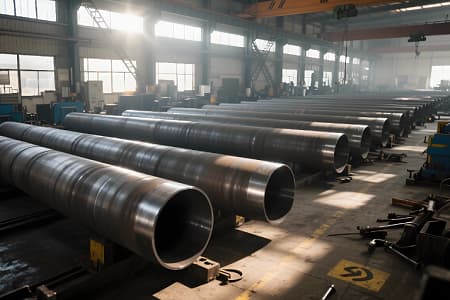
Inch-Size Alloy Steel Honed Tubes are alloy steel honed tubes manufactured to imperial unit (inch) standards, with dimensional specifications fully compliant with the imperial system. Common sizes range from 1 inch to 20 inches and larger, with wall thickness varying depending on application requirements.
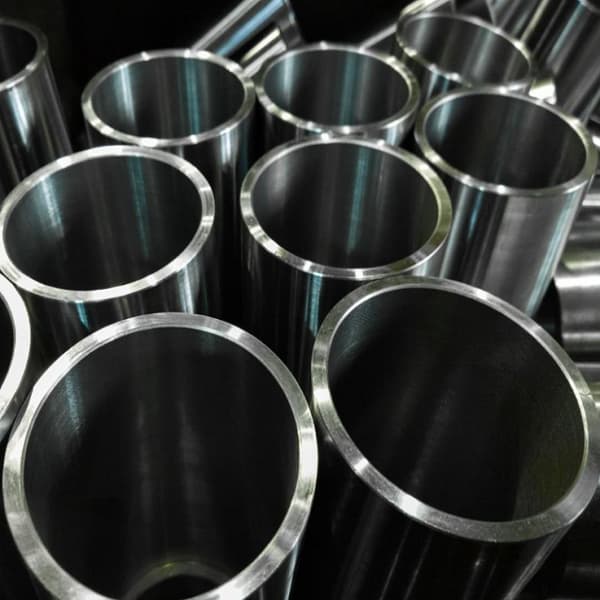
This tubing is manufactured according to stringent material standards. Commonly used alloy steel grades include 4140, 4340, 1020, and 1045, which offer excellent strength, wear resistance, and corrosion resistance. Through a precision honing process, the tube's interior surface achieves an exceptionally smooth finish, typically achieving a surface roughness of Ra 4-16 micro-inches (0.1-0.4 μm), ensuring an optimal operating environment for piston seals.
A key advantage of inch-size alloy steel honed tubes is their perfect compatibility with the existing imperial system. Many hydraulic components and fittings in North American industrial equipment are manufactured using imperial standards. Using inch-size alloy steel honed tubes avoids complex size conversions and adaptations, significantly simplifying equipment manufacturing and maintenance.
Manufacturing Process
Raw Material Selection: The first step in producing inch-size alloy steel finish tubes is to select standard alloy steel materials, typically containing elements such as chromium and nickel to ensure the tube’s strength and corrosion resistance.
Heat Treatment: Appropriate heat treatment processes, such as quenching and tempering, increase the material’s hardness and toughness, improving its mechanical properties.
Extrusion or Rolling: The raw material is processed through extrusion or rolling into the preliminary tube shape, ensuring that the tube’s outer diameter and wall thickness meet the design requirements.
Finishing: Fine grinding and polishing techniques are used to achieve the required internal and external surface finish and dimensional accuracy. The purpose of finishing is to ensure a smooth inner diameter for subsequent fluid transportation.
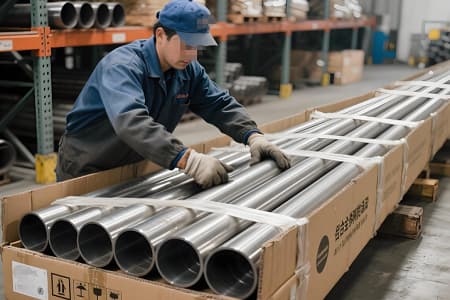
Inspection and Testing: Each tube undergoes rigorous quality inspection before shipment, including dimensional measurement, mechanical property testing (such as tensile strength and yield strength), and corrosion testing.
Technical Standards: Inch-Size alloy steel precision-finished tubes are manufactured in compliance with relevant industry standards, such as ASTM and ISO, to ensure compliance with material chemical composition, mechanical properties, and dimensional accuracy. Furthermore, specific industry application requirements must be adhered to to ensure safety and reliability in fields such as the petroleum and chemical industries.
Inch-Size alloy steel honed tubes are the preferred choice for numerous industrial applications due to their exceptional performance characteristics:
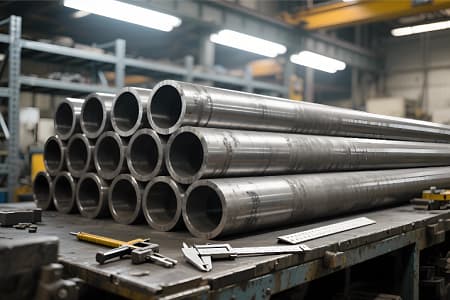
Extreme dimensional accuracy and consistency are the primary advantages of this type of tube. Precision-manufactured inch-size alloy steel honed tubes are held to tight tolerances, typically maintaining an outside diameter tolerance within ±0.005 inches. This minimizes straightness errors and ensures efficient operation of hydraulic systems.
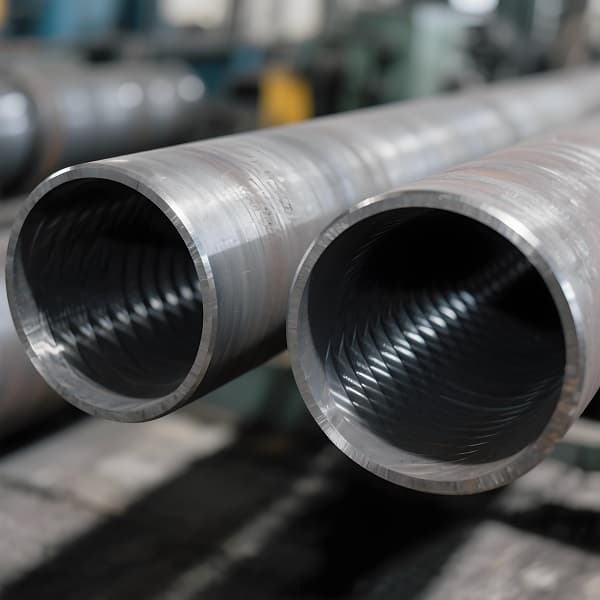
Excellent surface quality is another key feature. The internal surface achieved through the honing process not only has a high-quality finish but also features a specific texture pattern. This texture helps retain lubricant, reduces piston seal wear, and extends the service life of the entire hydraulic system.
Alloy steel material offers excellent mechanical properties. Typical 4140 grade alloy steel honed tubing has a tensile strength of 95-120 ksi (655-827 MPa) and a yield strength of at least 60 ksi (414 MPa), capable of withstanding extremely high operating pressures and shock loads.
Furthermore, this tubing offers excellent wear and corrosion resistance, making it suitable for a variety of demanding operating environments, including those with high temperatures, high pressures, and the presence of contaminants.
Hydraulic Systems:
Used in hydraulic cylinders, piston rods, and transmission components of construction machinery (such as excavators and cranes), its high-quality internal surface finish (Ra ≤ 0.4 μm) reduces friction loss and improves sealing.
Automotive and Aerospace:
Automotive engine oil circuits, brake systems, and key aerospace engine components must withstand high-temperature and high-pressure environments (e.g., operating temperatures of 150°C).
Special alloys (e.g., Incoloy 800H) can withstand highly corrosive media and are suitable for chemical equipment and offshore drilling platforms.
Precision Machinery and Military:
Air and oil circuits in high-precision equipment such as machine tools and generator sets rely on stable straightness of ≤0.5mm/m.
Military applications (e.g., hydraulic struts) require materials with both high strength (yield strength of 650MPa) and impact resistance.
Other Applications:
Ship hydraulic systems, building water supply and drainage, and medical devices benefit from its corrosion resistance and ease of installation.
This pipe, through customized processes (e.g., CNC honing with real-time testing), is adaptable to different operating conditions, making it a core component of modern industrial precision transmissions.
Selecting the appropriate inch-sized alloy steel honed tube requires consideration of several factors:
Dimensional specifications are the primary consideration. The exact outer diameter, inner diameter, and wall thickness dimensions must be determined based on the hydraulic system’s design requirements, while also considering the tube’s length requirements and straightness standards.
Material selection is crucial. Different alloy steel grades offer varying performance characteristics, such as strength, hardness, and corrosion resistance, and the appropriate grade must be selected based on the specific needs of the application.
Surface treatment options are also worth considering. Certain applications may benefit from additional surface treatments, such as chrome plating, phosphating, or special coatings, which can further enhance the tube’s wear and corrosion resistance.
Quality certifications and standards compliance are crucial. Especially for critical applications, ensuring that the tube meets relevant industry standards (such as ASTM, SAE) and quality certification requirements is essential to ensure safety and reliability.
Installation and maintenance considerations are equally important. Proper installation techniques, proper storage conditions, and regular inspection and maintenance can significantly extend the service life and performance of inch-sized alloy steel honed tubes.