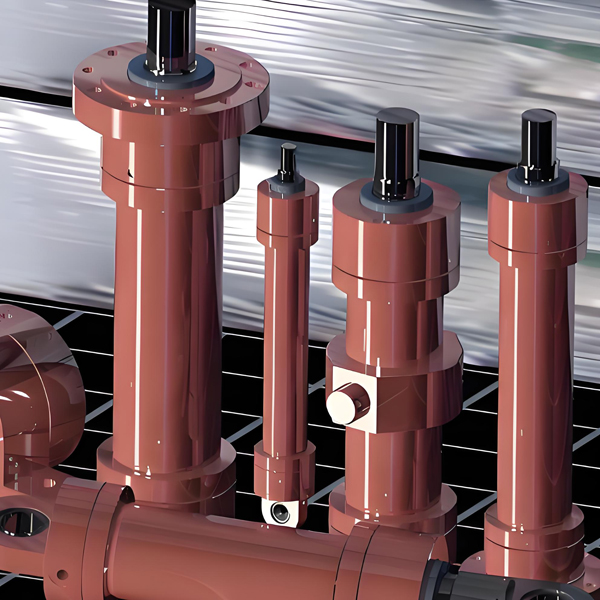
1. High-Quality Raw Materials Our raw materials are primarily sourced from renowned steel mills such as Jiangsu BOS Hydraulic Technology Co., Ltd., Baosteel, Ansteel, and Changjiang Steel Pipe.
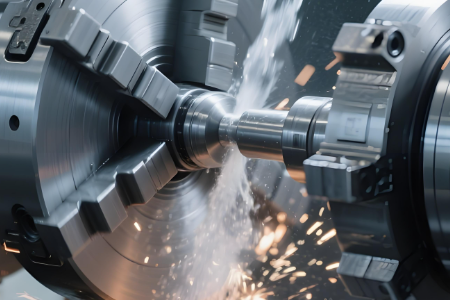
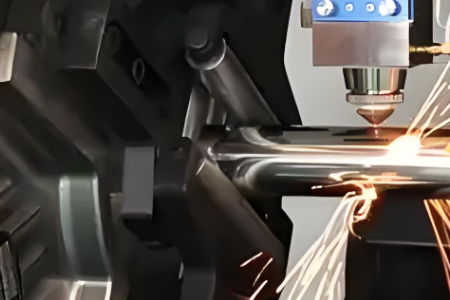
2. Advanced Production Equipment Our manufacturing facilities include cold drawing machines, honing machines, skiving and roller burnishing machines, straightening equipment,polishing machines, heat treatment furnaces, grinding machines, and more.
3. Rich production experience, strict quality control We implement a professional internal quality control system to conduct comprehensive inspections on all products.
In the metallurgical industry, where steel flows and flames are high, hydraulic cylinders serve as the core executing components, driving the entire production process with their powerful force and precise control. It is not only a symbol of strength, but also a guarantee for the reliability and efficiency of modern metallurgical equipment.
Ultimate high temperature and heat resistance: The core seal is made of materials such as fluororubber and polytetrafluoroethylene, and the piston rod coating undergoes special heat treatment, which can withstand up to 200 ° C or even higher radiation and conduction heat near the rolling line or furnace area for a long time, ensuring that the seal does not fail and the action is not stuck.
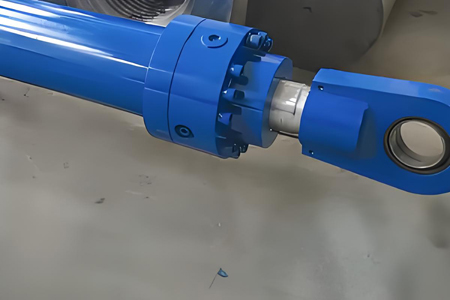
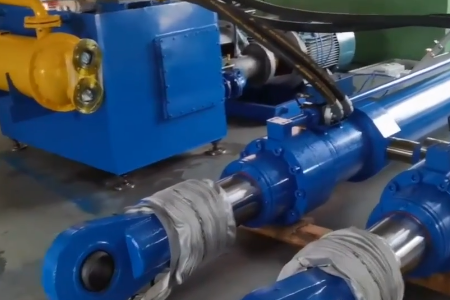
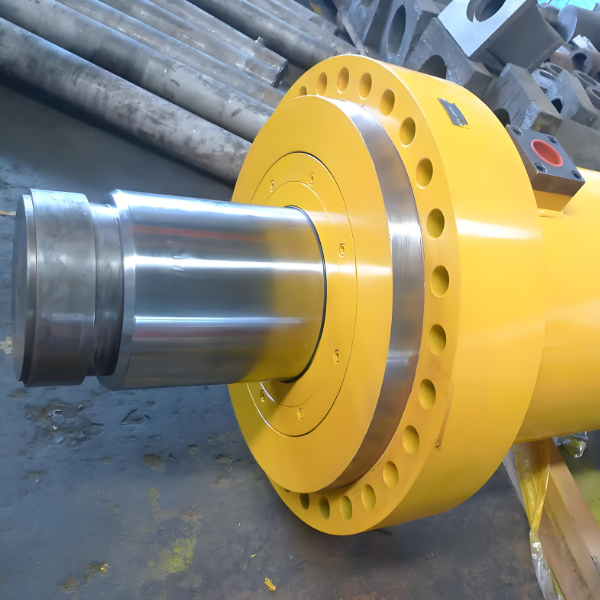
Excellent anti pollution and wear resistance: In an environment filled with oxide scale, dust, and water vapor, multiple sealed dust-proof combinations are used. The inner wall of the cylinder and the surface of the piston rod are precision ground and treated with a hard chrome coating, greatly reducing wear and tear caused by impurities entering.
Extraordinary load and impact resistance: The design strength is much higher than that of conventional oil cylinders, and it can withstand huge loads, strong vibrations, and frequent pressure impacts in metallurgical production. The structure is sturdy and has a long service life.
Reliable sealing performance: A specialized sealing system designed for high temperature and high pressure working conditions, which can effectively prevent internal and external leakage even when the viscosity of the oil changes due to high temperature, ensuring action accuracy and efficiency.
Efficient cooling and protection design: often equipped with accessories such as air cooling, water cooling sleeves, or heat shields, actively cooling the oil cylinder body, and using high-temperature resistant paint and fire-resistant design to resist on-site high-temperature baking and splashing of molten steel.
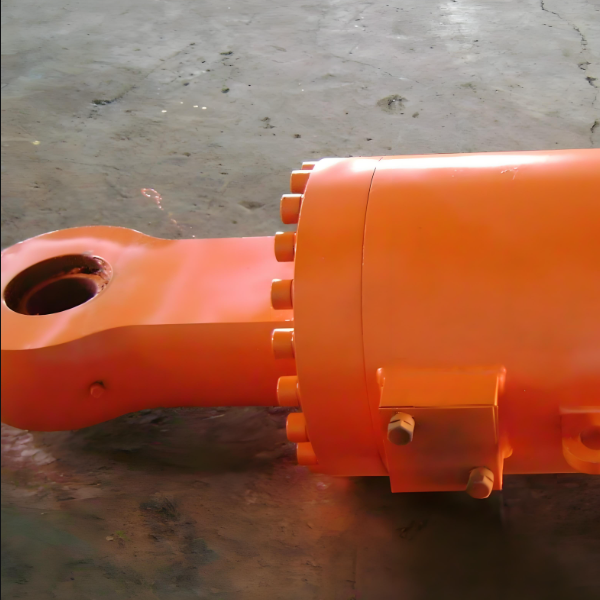
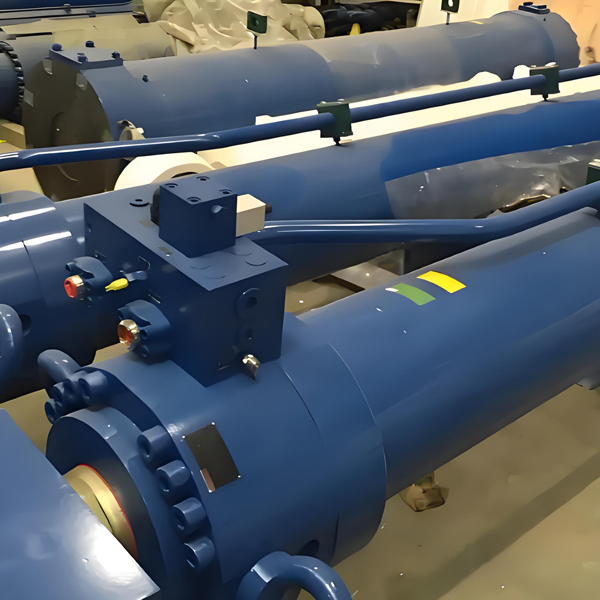
Metallurgical hydraulic cylinder is a special hydraulic actuator specially designed for extremely harsh working conditions in the metallurgical industry, such as ironmaking, steelmaking, continuous casting, steel rolling, etc. It converts the pressure energy of hydraulic oil into mechanical energy for linear motion, thereby outputting enormous pushing, pulling, and lifting forces to precisely control various actions of metallurgical equipment, such as lifting and lowering of steel ladles, rolling of rollers, vibration of crystallizers, straightening of plates, etc. It is an indispensable “muscle” and “joint” in metallurgical equipment.
The strength of metallurgical hydraulic cylinders lies in their adaptability to local conditions:
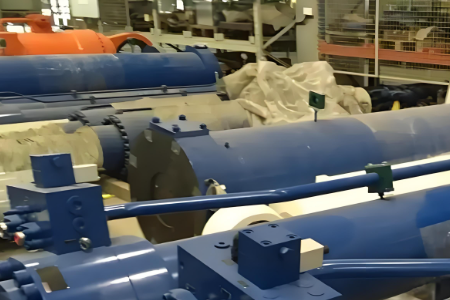
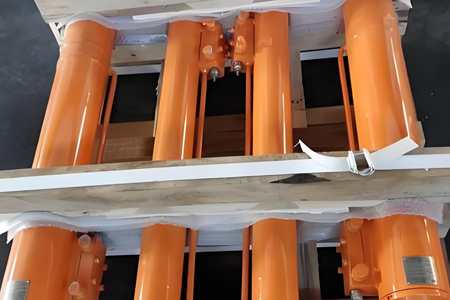
High temperature zone: such as continuous fan segments and near heating furnaces, high-temperature resistant seals, insulation boards, and forced cooling systems are used.
Heavy load impact zone: such as rolling mill pressing system and straightening machine, using coarse piston rod, high-strength cylinder material and buffer structure.
Dusty water spraying area: such as phosphorus removal machines and conveyor rollers, equipped with super strong dust rings and special rod cover seals to prevent the intrusion of iron oxide scale and cooling water.
High precision requirement area: such as AGC (Automatic Thickness Control) system, which uses high-precision displacement sensors and low friction seals to achieve micrometer level control accuracy.
Through different materials, sealing combinations, and structural designs, metallurgical hydraulic cylinders can perfectly adapt to various complex working conditions throughout the entire process from molten metal processing to finished material processing.
Pressure input: The high-pressure oil generated by the hydraulic pump station enters the rodless or rodless chamber of the oil cylinder through the hydraulic pipeline.
Force conversion: Oil pressure acts on the effective area of the piston, generating a huge linear thrust or tension.
Extension: Pressure oil enters the rodless chamber, pushing the piston rod outward.
Retraction: Pressure oil enters the rod chamber, pushing the piston rod inward.
Action execution: The linear motion of the piston rod drives the load equipment (such as rollers and lifting platforms) directly through connecting components (such as joint bearings) to complete the predetermined action.
Position and speed control: By controlling the flow and direction of the oil cylinder through servo valves, proportional valves, etc., precise control of the piston rod’s movement speed and position is achieved.
Ironmaking system: blast furnace top equipment, mud cannons, opening machines, etc.
Steelmaking and continuous casting: converter tilting, ladle rotary table lifting and rotating, ladle slide hydraulic cylinder, large ladle long nozzle control of continuous machine, crystallizer width adjustment and vibration, sector light pressing, etc.
Hot rolling and cold rolling: rolling mill press down cylinder, bending roll cylinder, running roll cylinder, AGC cylinder, coiling machine tension cylinder, straightening machine press down upper cylinder, etc.
Auxiliary equipment: scrap steel baler, shearing machine, roller changing trolley, lifting and translation of walking beam heating furnace, etc.
Choosing a professional metallurgical hydraulic cylinder is a strategic decision based on long-term benefits:
Extremely high reliability: minimizing unplanned downtime caused by cylinder failures, ensuring continuous production, time is money.
Long lifespan and low maintenance costs: Although the initial investment is high, its ultra long service life and extremely low failure rate significantly reduce the total cost of spare parts replacement and repair.
Ensuring production safety: In harsh environments with high temperatures and heavy loads, a malfunctioning ordinary oil cylinder may lead to serious safety accidents. Metallurgical specialized oil cylinders are an important line of defense for safety production.
Ensuring product quality: The high-precision oil cylinder ensures the stability of key process parameters such as rolling thickness and plate shape, which directly affects the quality of the final product.
High return on investment: Taking into account production efficiency, maintenance costs, safety risks, and product quality, choosing a professional metallurgical hydraulic cylinder is a highly profitable investment.
In order to meet the requirements of intelligent manufacturing and green metallurgy, metallurgical hydraulic cylinders are developing towards a more intelligent, efficient, and durable direction:
Intelligence and state monitoring: Integrated with built-in displacement, pressure, and temperature sensors, real-time monitoring of the health status of the oil cylinder, achieving predictive maintenance, and avoiding sudden failures.
Application of new materials and processes, such as ceramic coated piston rods, ultra high temperature resistant composite material seals, laser cladding technology, etc., to further enhance wear resistance, corrosion resistance, and high temperature resistance.
Lightweight and compact design: By optimizing the structure and using high-strength lightweight materials while ensuring strength, the volume and weight of the oil cylinder are reduced, making installation and maintenance easier.
Energy saving and environmental protection: Developing low friction sealing technology to reduce energy loss; Improve sealing reliability, completely eliminate oil leakage, and meet strict environmental requirements.
Higher integration: valve blocks, sensors, and other components are highly integrated onto the oil cylinder to form functional modules, simplify the system structure, and improve response speed and reliability.