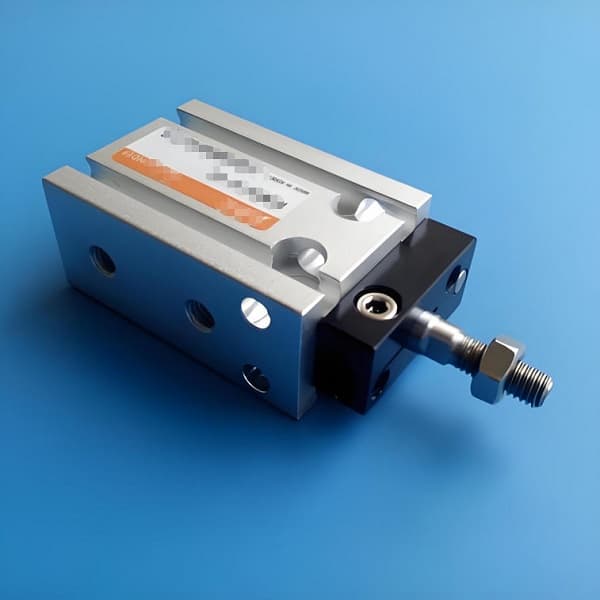
1. High-Quality Raw Materials Our raw materials are primarily sourced from renowned steel mills such as Jiangsu BOS Hydraulic Technology Co., Ltd., Baosteel, Ansteel, and Changjiang Steel Pipe.
2. Advanced Production Equipment Our manufacturing facilities include cold drawing machines, honing machines, skiving and roller burnishing machines, straightening equipment,polishing machines, heat treatment furnaces, grinding machines, and more.
3. Rich production experience, strict quality control We implement a professional internal quality control system to conduct comprehensive inspections on all products.
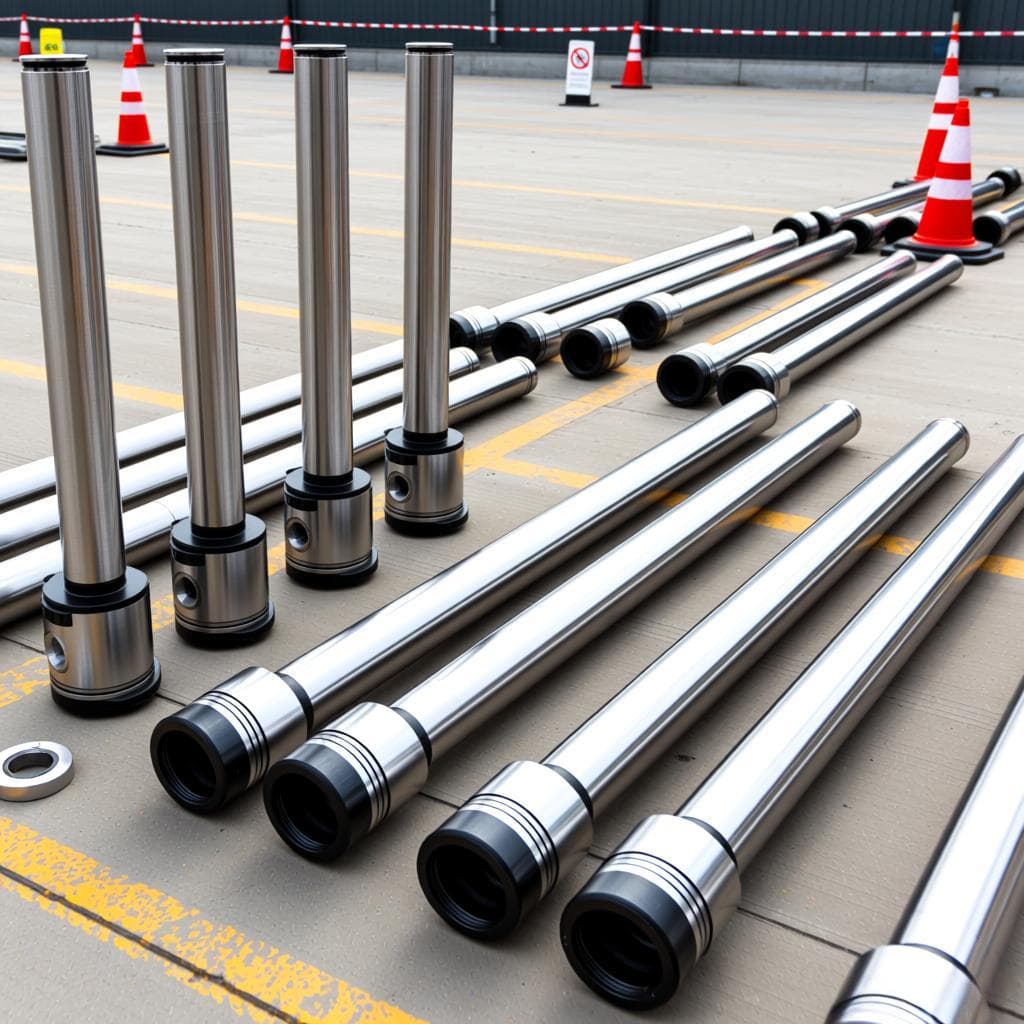
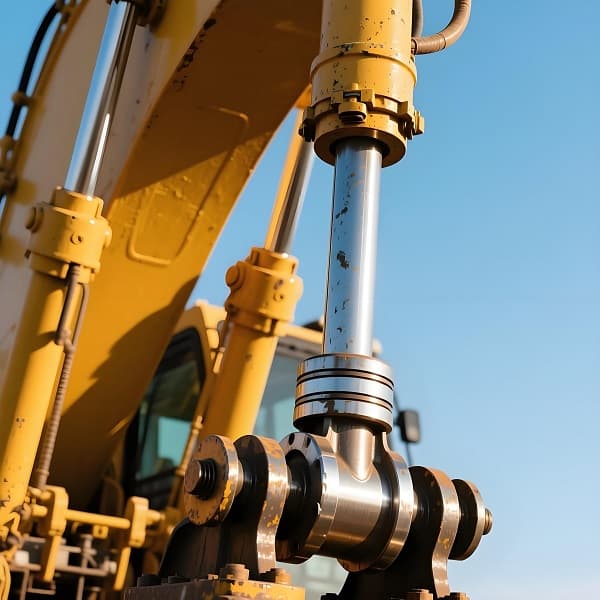
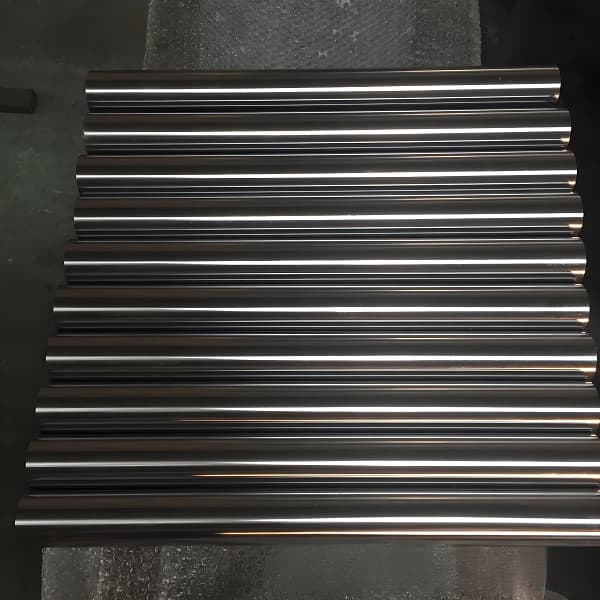
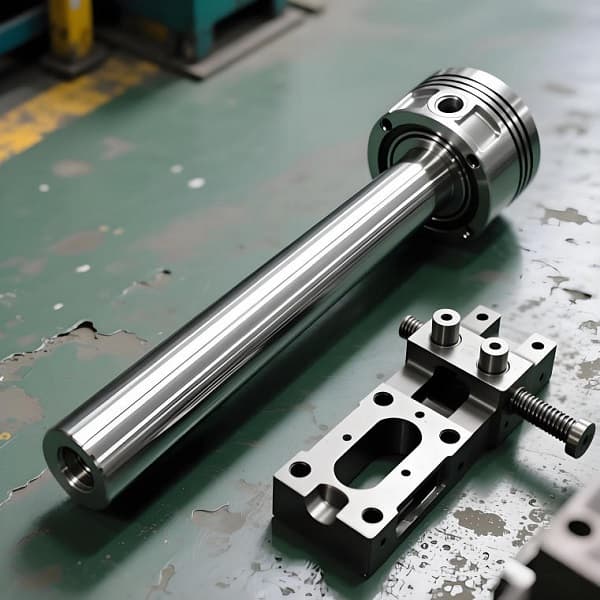
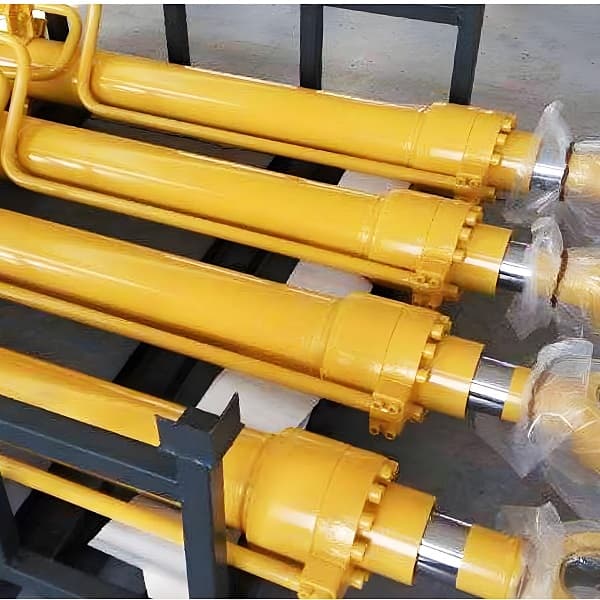
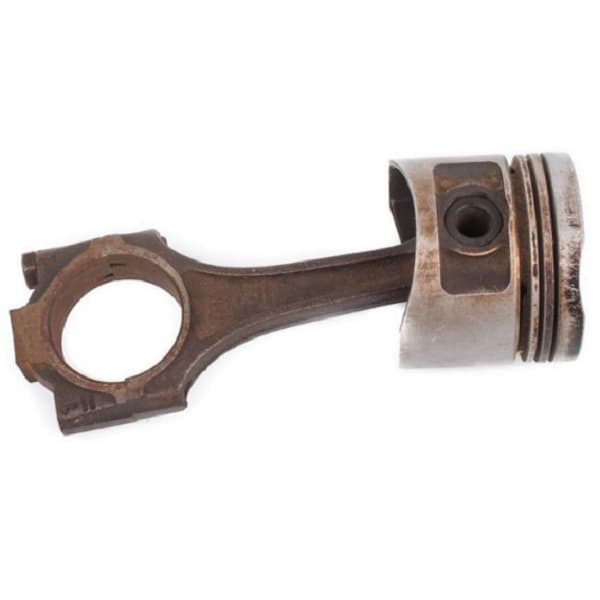
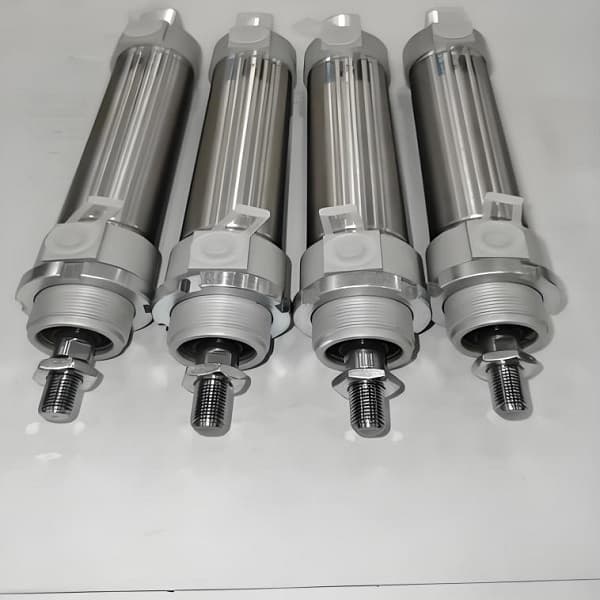
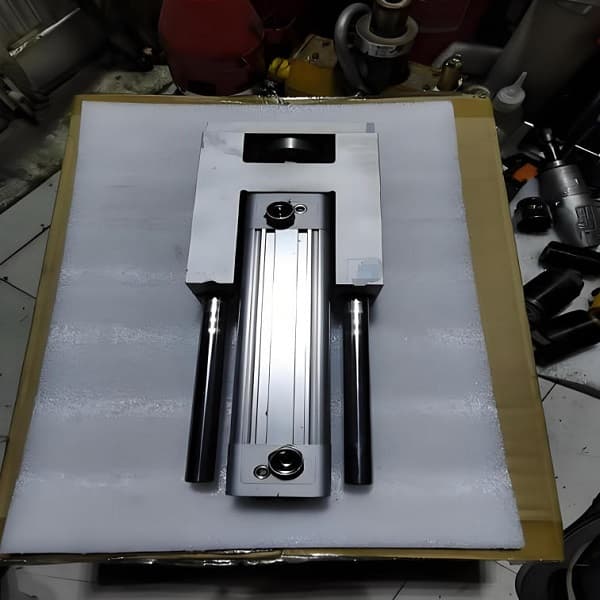
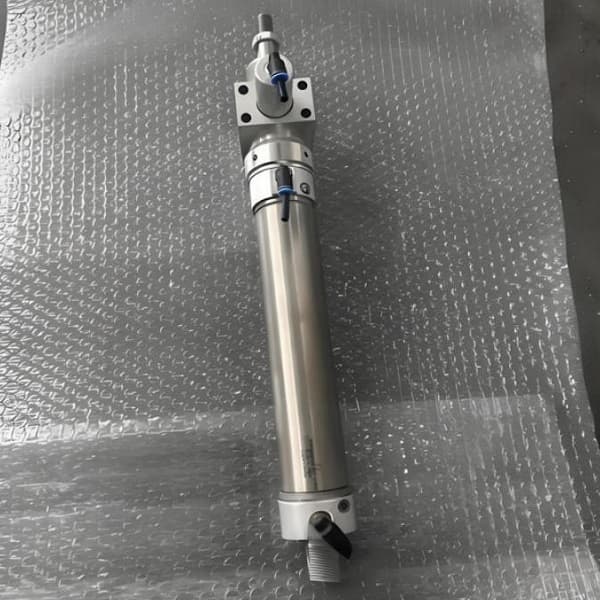
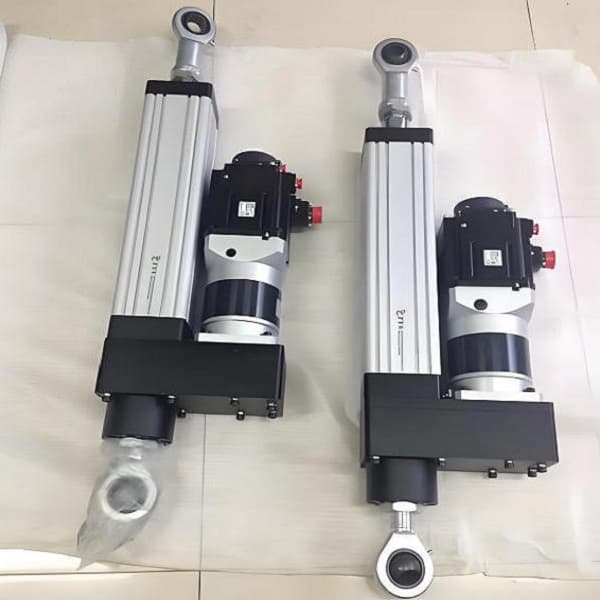
In modern industrial automation, the piston rod with an integrated sensor mount, through its ingenious design, seamlessly integrates sensing functionality into the power actuator, subtly enhancing the intelligence and operational efficiency of equipment.
In the field of modern industrial automation, the piston rod, as a core actuator in pneumatic and hydraulic systems, has a design and function that directly impacts the performance of the entire system.
Integrating sensor mounting functionality into the piston rod is a significant innovation in industrial sensing technology. It achieves integration of actuation and sensing, greatly improving equipment intelligence and production efficiency.
The core innovation of the piston rod with an integrated sensor mount lies in directly integrating the sensor mounting structure into the piston rod body or related connecting parts. Through meticulous mechanical design, such as designing dedicated mounting holes, threaded interfaces, or magnetic mounting points on the end or inside of the piston rod, displacement, position, or force sensors can be directly and stably attached to the moving parts. This design typically includes a transition block structure (such as the removable transition block in patented technology) to accommodate different sensor models, significantly improving compatibility and ease of maintenance.
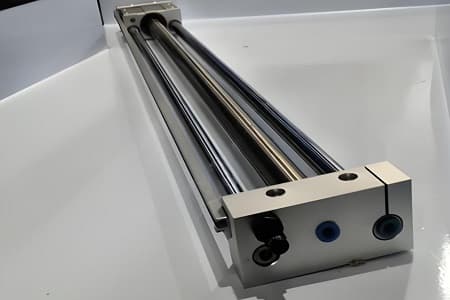
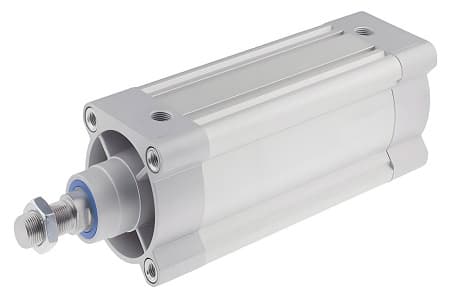
For example, some designs utilize countersunk holes and grooves on the left end of the piston, along with a transition block and radial mounting holes, to achieve modular installation of sensors (such as displacement sensors). This integrated design avoids the difficulties of manually tapping threads on the piston rod end face (especially for high-hardness materials like 42CrMo), solving problems of low processing efficiency, large errors, and poor interchangeability.
The advantages of the piston rod with an integrated sensor mount are evident in several aspects:
Real-time Status Monitoring: Integrated sensors can directly measure the displacement, speed, force, or position parameters of the piston rod, providing real-time data feedback for system control, enabling precise motion control and fault warning.
Enhanced System Reliability: By monitoring parameter changes, it can detect seal failure, abnormal loads, or potential structural problems in a timely manner, preventing sudden failures and equipment damage.
Simplified Installation and Maintenance: Modular design (such as the use of transition blocks) eliminates size limitations for sensor installation, improving interchangeability, and avoids the need to replace the entire piston rod during maintenance. Enhanced Environmental Adaptability: Sensor integration design often includes sealing and protection measures to ensure stable operation in high-temperature, high-pressure, or corrosive environments.
Furthermore, this integrated design reduces the space and complexity of separately installed external sensors, resulting in a more compact system, particularly suitable for space-constrained applications.
Manufacturing a high-performance piston rod with an integrated sensor mount involves the integration of precision machining, materials science, and sensor technology:
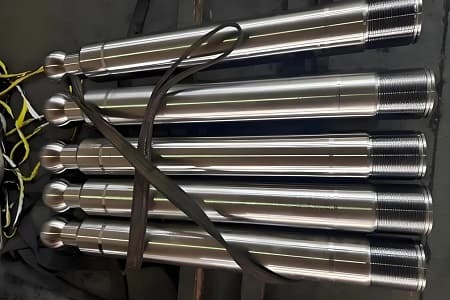
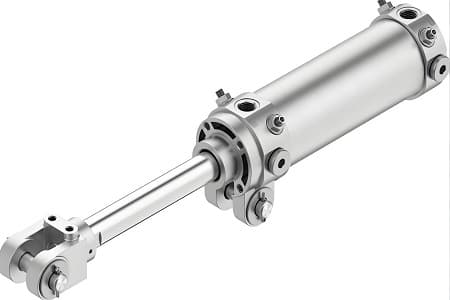
Precision Machining: The piston rod requires high-precision machining, with a surface roughness typically specified at Ra 0.4–0.8 μm to ensure accurate sensor mounting and smooth movement. Surface treatments such as roller burnishing enhance surface hardness, wear resistance, and fatigue strength.
Material Selection: The base material is typically a high-strength material such as alloy steel or stainless steel, heat-treated for optimal mechanical properties. Components like transition blocks may use materials with better machinability to accommodate the sensor.
Sensor Integration Technology: This includes magnetic positioning, threaded interface design, and shielding and protection of signal transmission lines to ensure accurate and reliable sensor data.
Sealing and Protection: The integrated sensor area requires special sealing to prevent coolant, dust, or chemical agents from infiltrating and affecting sensor performance.
From Industrial Automation to High-End Equipment
The application of piston rods with integrated sensor mounts is rapidly expanding across several key fields:
Industrial Automation and Robotics: Used in pneumatic grippers, injection molding robots, etc., to monitor piston position in real time, ensuring precise gripping and placement.
Hydraulic Systems: In construction machinery (e.g., hydraulic cylinders), monitoring piston rod displacement and load enables precise control and predictive maintenance.
Shock Absorption and Safety Devices: In devices like viscous dampers, integrated sensors monitor damping force and displacement, enhancing the safety of buildings and bridges.
Energy and Transportation: Used in wind turbine actuators, commercial vehicle transmissions, etc., to monitor mechanical status and improve efficiency and reliability.
High-End Manufacturing and Testing Equipment: In material testing machines and precision machine tools, it provides high-precision feedback, ensuring processing and testing quality.
Piston rod technology with integrated sensor mounts is evolving towards higher precision, greater compatibility, and greater intelligence. With the growing adoption of Industrial Internet of Things (IIoT) technology, future integrated sensors for piston rods will offer more than just basic position detection capabilities.
Wireless communication features are likely to become standard in the next generation of products, reducing the need for wired connections and further enhancing system flexibility and reliability.
Advances in materials science will also drive this technology forward; the use of corrosion-resistant, high-temperature resistant, and wear-resistant materials will broaden the application range of integrated sensor piston rods.
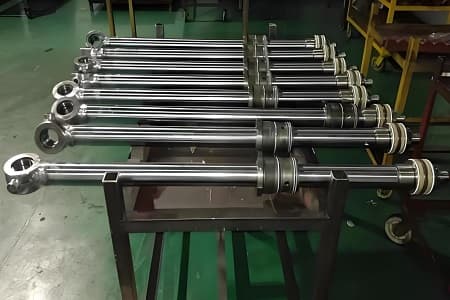
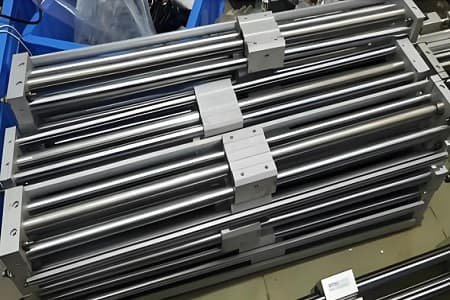
We have already seen products that can operate reliably over a temperature range of -20°C to 80°C, or even wider, while maintaining high corrosion resistance.
As standardization progresses, we expect more manufacturers to adopt similar design concepts, further promoting the widespread adoption and broader application of this technology.