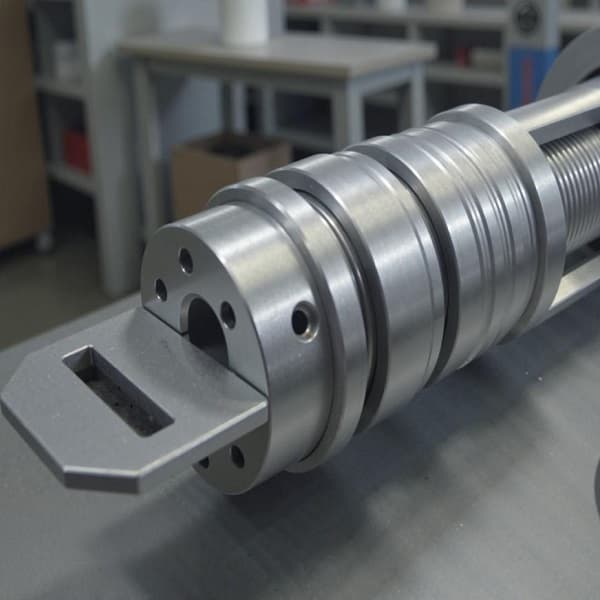
1. High-Quality Raw Materials Our raw materials are primarily sourced from renowned steel mills such as Jiangsu BOS Hydraulic Technology Co., Ltd., Baosteel, Ansteel, and Changjiang Steel Pipe.
2. Advanced Production Equipment Our manufacturing facilities include cold drawing machines, honing machines, skiving and roller burnishing machines, straightening equipment,polishing machines, heat treatment furnaces, grinding machines, and more.
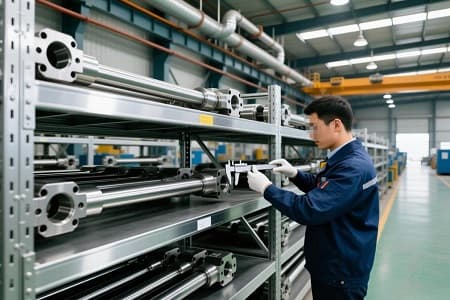
3. Rich production experience, strict quality control We implement a professional internal quality control system to conduct comprehensive inspections on all products.
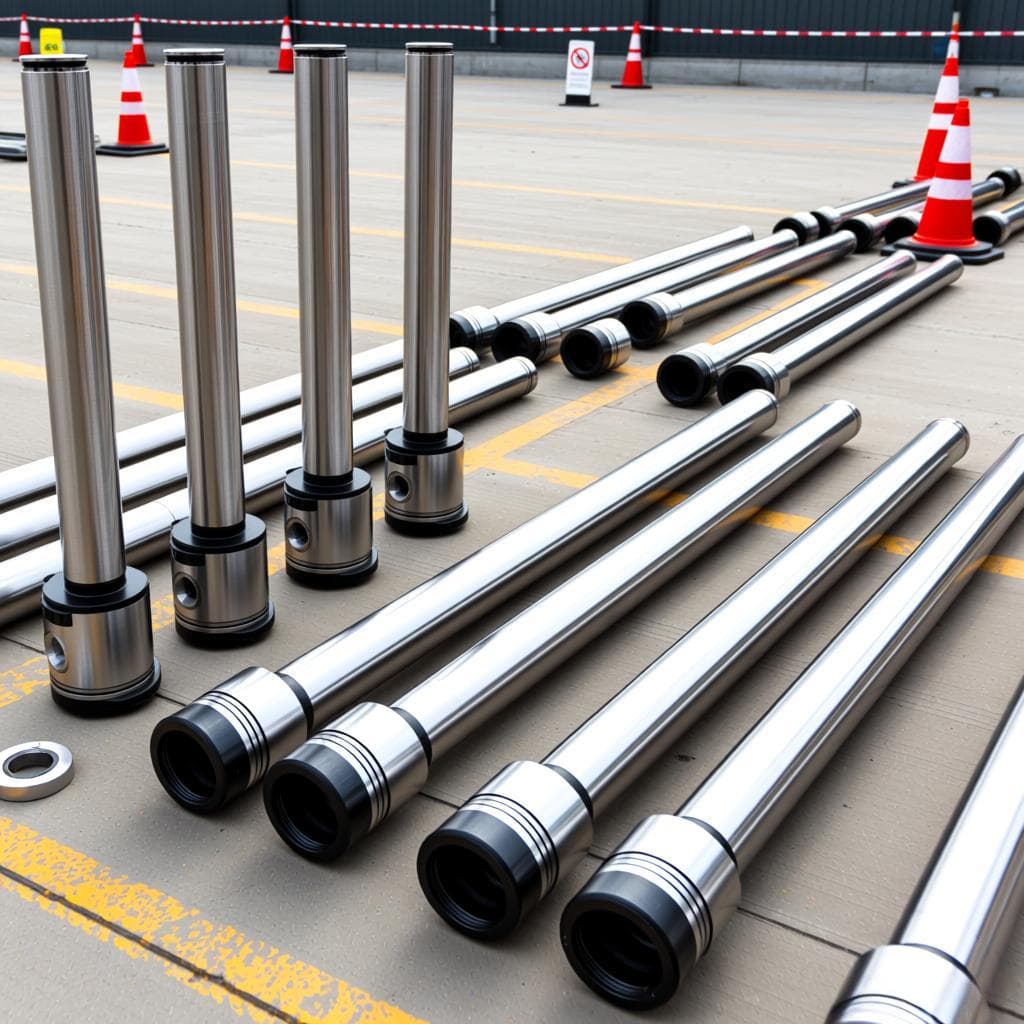
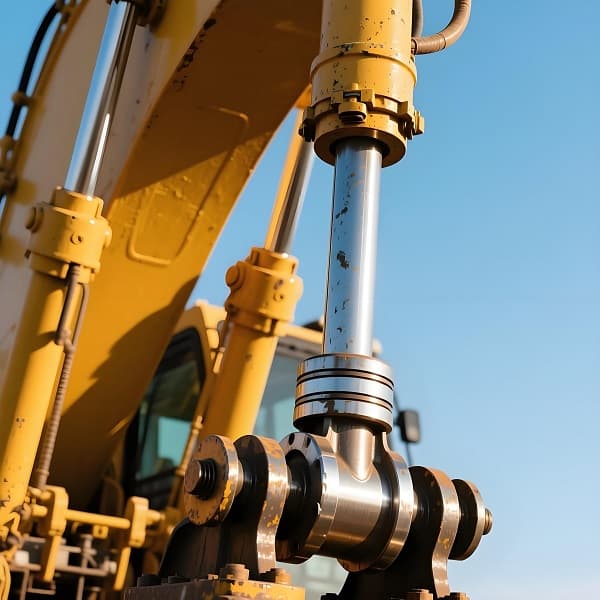
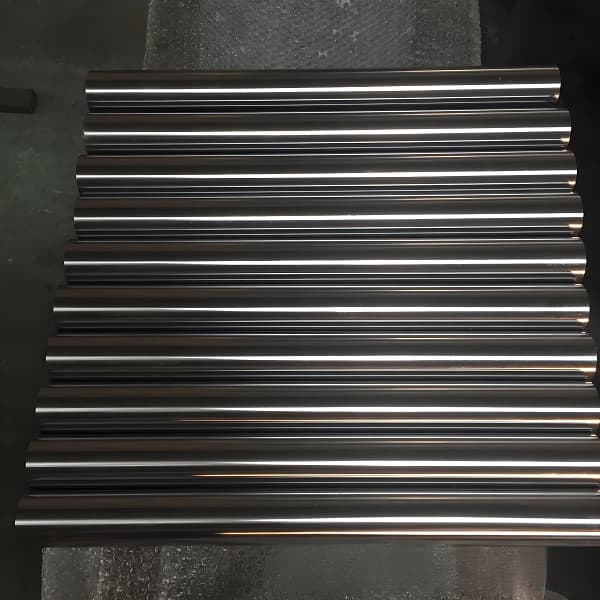
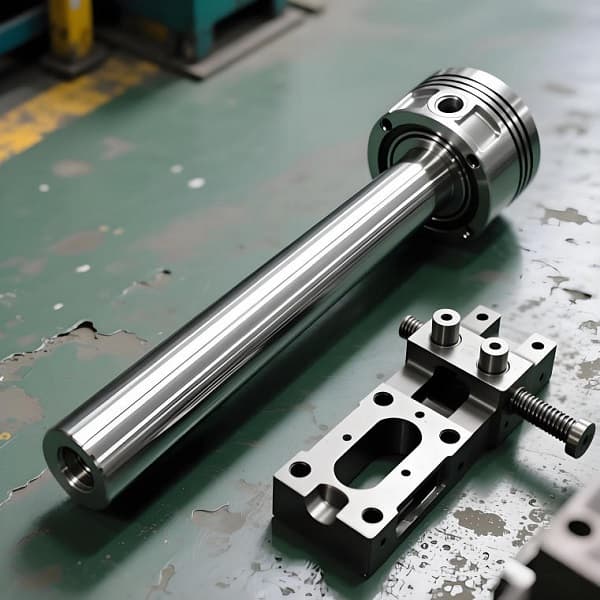
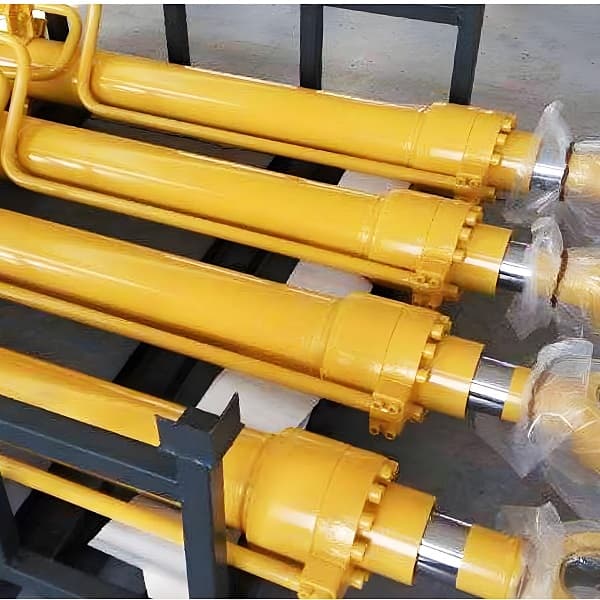
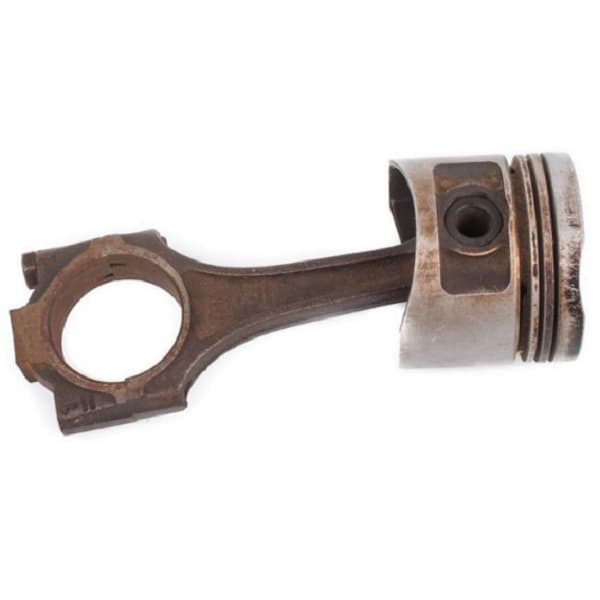
In the world of hydraulic systems, reliability and structural integrity are paramount, and welded-body hydraulic piston rods are essential core components.
Welded-body hydraulic piston rods are crucial actuators in modern hydraulic systems, converting hydraulic energy into mechanical energy and motion. They are widely used in a variety of industrial equipment and mobile machinery. This design, with its compact size, high strength, and high-pressure resistance, has become the preferred solution for many demanding applications.
The core feature of the welded-body hydraulic piston rod is its permanently connected cylinder body. Unlike traditional tie-rod hydraulic cylinders, welded-body hydraulic cylinders utilize a high-strength welding process to permanently connect the cylinder barrel to the end cap, creating a more rigid, integrated structure.
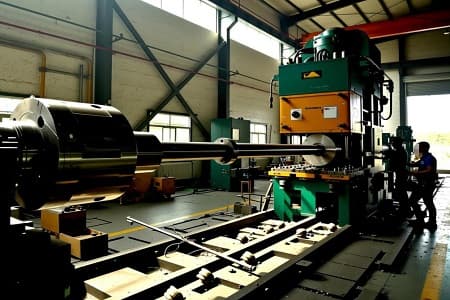
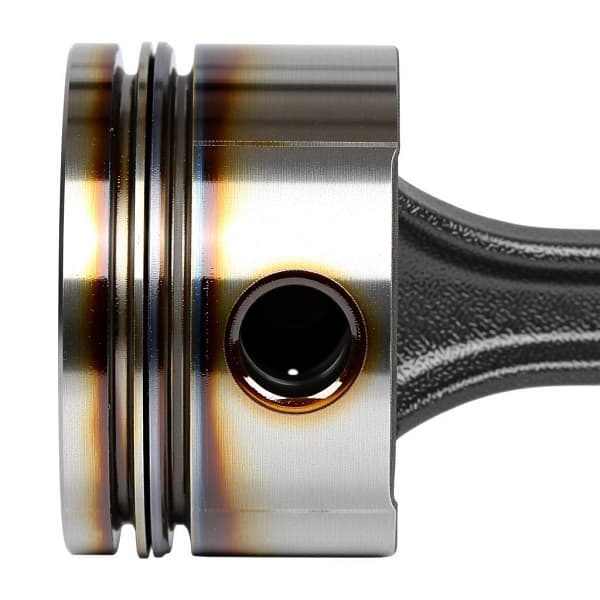
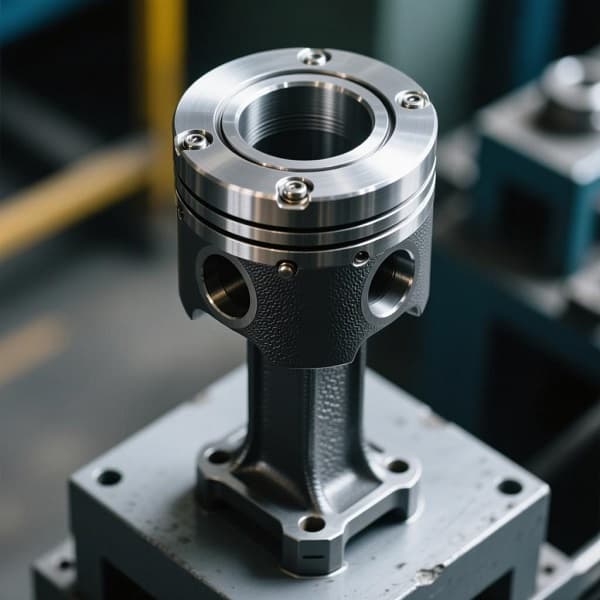
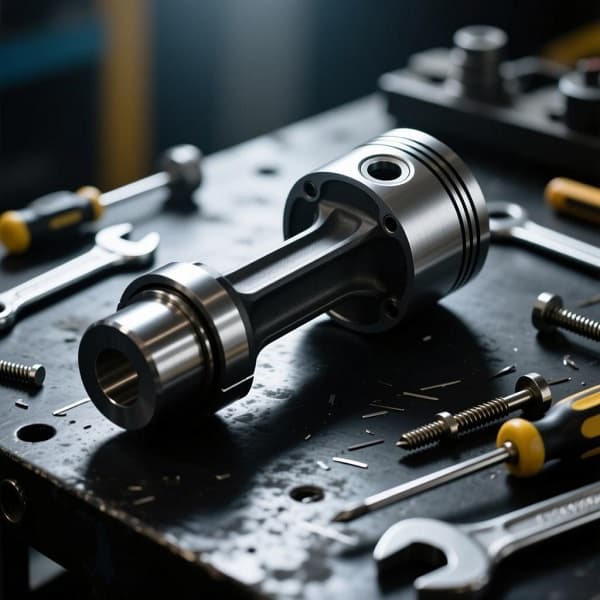
This design eliminates the need for flanges and tie rods, resulting in a relatively smaller external diameter. This allows for a larger cylinder bore within the same installation space, thereby providing higher working force output. A typical welded-body hydraulic piston rod system consists of components such as the piston rod, piston, barrel, end cap, and sealing system, all of which work together to ensure efficient and reliable power transmission.
Welded-body hydraulic piston rods offer several significant performance advantages. Their compact design is particularly suitable for space-constrained applications, while the reduced number of parts reduces maintenance requirements. The welded structure also offers an excellent strength-to-weight ratio, enabling lighter equipment designs without sacrificing performance.
These characteristics have made welded-body hydraulic piston rods widely used in various industries, including industrial equipment, mobile equipment, and construction machinery. According to market research reports, the welded hydraulic cylinder market size is expected to continue to grow, with a steady growth trend from 2024 to 2030.
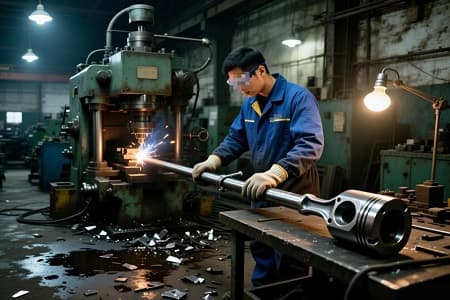
The manufacturing of welded-body hydraulic piston rods involves precision machining and specialized welding techniques. The piston rod is typically made of high-quality carbon steel (such as 20# or 45# steel) and hard-chrome plated (typically 0.015-0.025mm thick) for excellent wear and corrosion resistance.
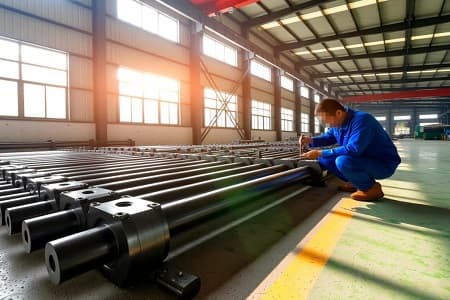
The sealing system utilizes high-quality seals (such as Hallite or Parker) to ensure reliability and long life in high-pressure environments. Products generally comply with international standards such as RoHS and ISO9001, and some also meet the TS16949 automotive industry quality standard, ensuring product reliability and consistency.
Welded Body Hydraulic Piston Rods offer a variety of types and configurations to meet diverse application requirements:
Single-Acting: Provides hydraulic pressure in one direction only, relying on external force or spring force to return.
Double-Acting: Provides hydraulic pressure in both directions for more precise control.
Multi-Stage/Tandem: Provides longer stroke lengths while maintaining a compact retracted size.
These different types of Welded Body Hydraulic Piston Rods meet a wide range of industrial needs, from simple push-pull to complex precision control.
New Material Applications: Research and development of new, high-performance alloys will continue to enhance the wear and corrosion resistance of piston rods to meet even more demanding operating environments.
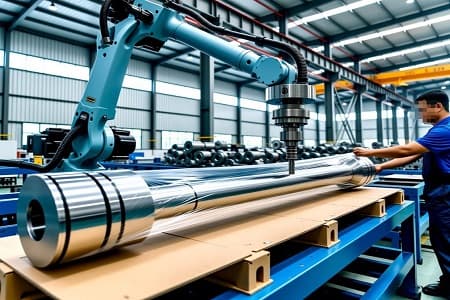
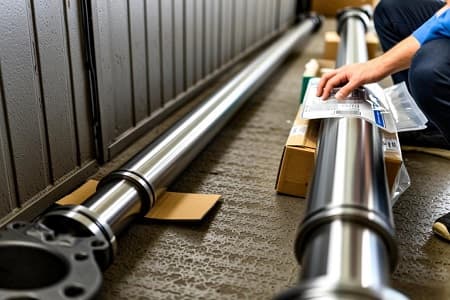
Smart Manufacturing Technology: The introduction of smart manufacturing technology to improve production efficiency and pipe quality control will become a key development direction for the industry.
Environmental Protection and Sustainable Development: During production, companies will prioritize environmental protection, adopting clean production processes and material recycling mechanisms to meet sustainable development requirements.
Demand for Customized Products: With the diversification of the market, customer demand for customized welded-body hydraulic piston rods is increasing, and manufacturers need to flexibly adjust their production strategies to meet this demand.
Application of New Technologies: With the continuous advancement of hydraulic system technology, welded-body piston rods will find more applications in emerging fields such as smart devices and robotics.
Several factors should be considered when selecting the appropriate welded-body hydraulic piston rod:
Working Pressure Requirements: Typical welded hydraulic cylinders have operating pressures of 2500-3000 psi (approximately 17-21 MPa).
Temperature Range: Select the appropriate temperature rating based on the application.
Installation Space Constraints: While welded designs inherently save space, accurate measurement of available space is still required.
Seal Compatibility: Select the appropriate sealing material based on the hydraulic fluid.
To ensure the long life and reliable operation of a welded-body hydraulic piston rod, regular inspection and maintenance are crucial. This includes regularly checking the seal condition, keeping the piston rod surface clean, and ensuring proper lubrication.
As a key component in hydraulic systems, welded body hydraulic piston rods have become an indispensable material in modern industry due to their superior performance and broad application prospects. With the continuous advancement of technology and the diversification of market demands, this field will usher in more innovation and development, providing higher-quality solutions for various industries.