1. High-Quality Raw Materials Our raw materials are primarily sourced from renowned steel mills such as Jiangsu BOS Hydraulic Technology Co., Ltd., Baosteel, Ansteel, and Changjiang Steel Pipe.
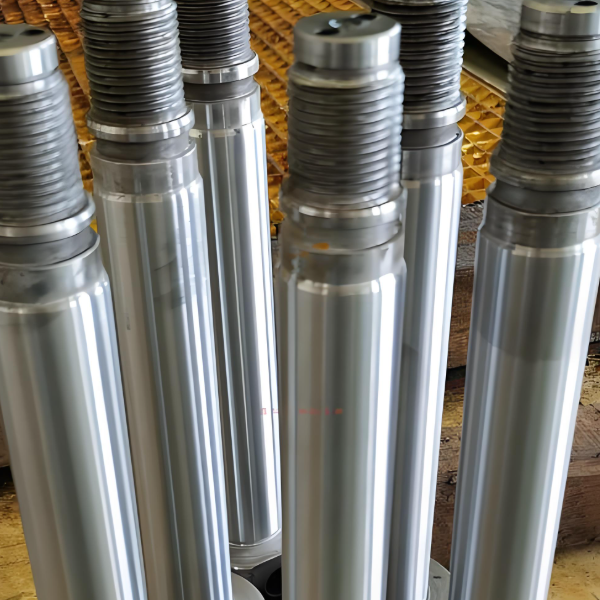
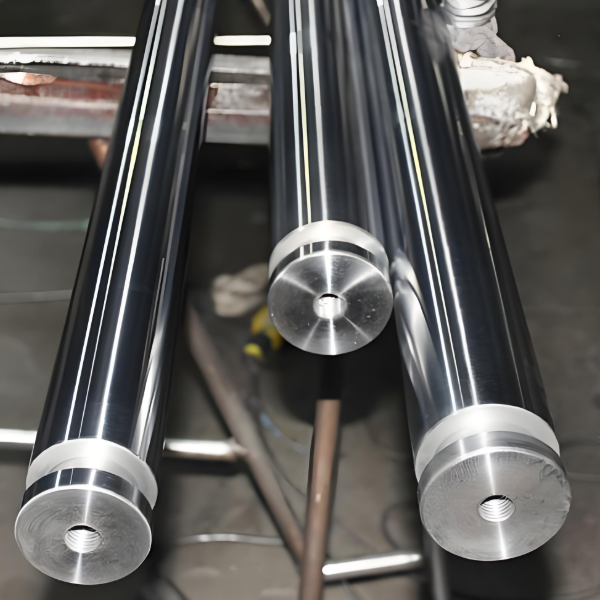
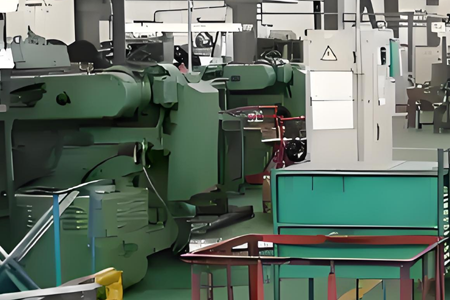
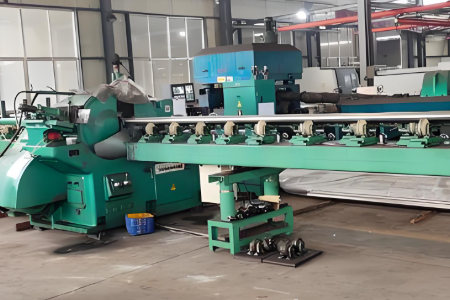
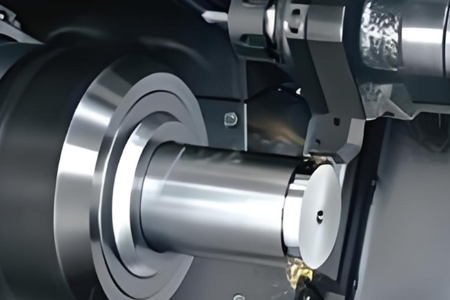
2. Advanced Production Equipment Our manufacturing facilities include cold drawing machines, honing machines, skiving and roller burnishing machines, straightening equipment,polishing machines, heat treatment furnaces, grinding machines, and more.
3. Rich production experience, strict quality control We implement a professional internal quality control system to conduct comprehensive inspections on all products.
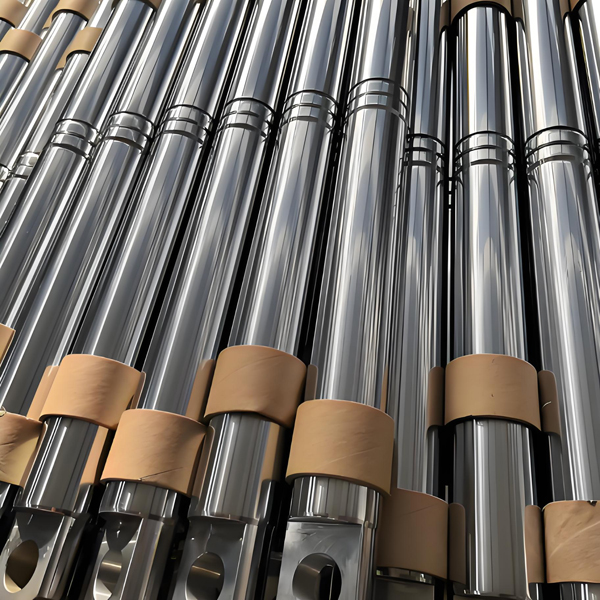
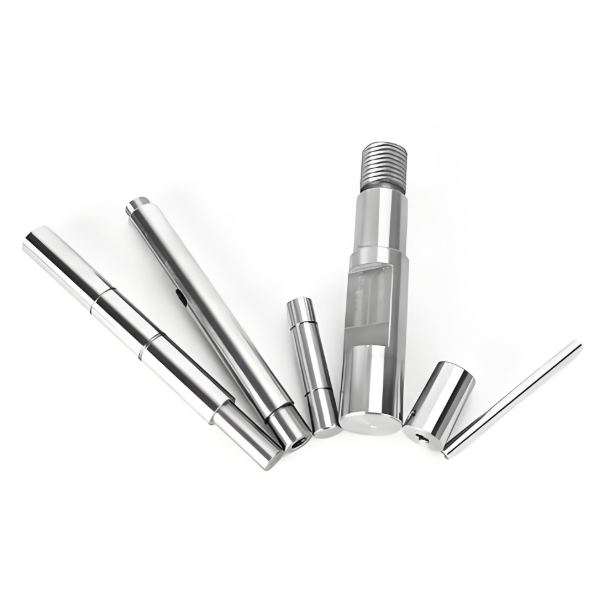

Although the cylinder piston rod is a seemingly simple component, it is an indispensable cornerstone of modern industrial automation. The material science, precision manufacturing, and design wisdom behind it ensure that it can always provide reliable and efficient power output in the face of diversified industrial challenges, and constantly radiate new vitality with technological development.
Excellent strength and rigidity: As a direct output component of force, the piston rod must be able to withstand enormous push, pull, and potential lateral forces without bending or breaking.
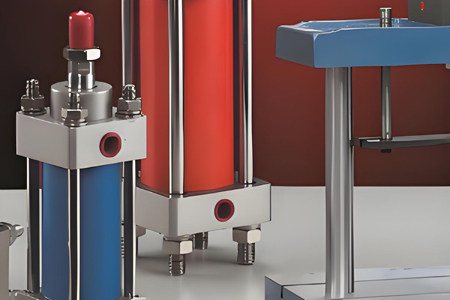
Extremely high wear resistance and corrosion resistance: It requires high-speed reciprocating motion within the cylinder and frequent friction with seals, while potentially being exposed to harsh environments such as humidity, chemicals, or high temperatures. High wear resistance ensures longevity, and high corrosion resistance ensures stable performance.
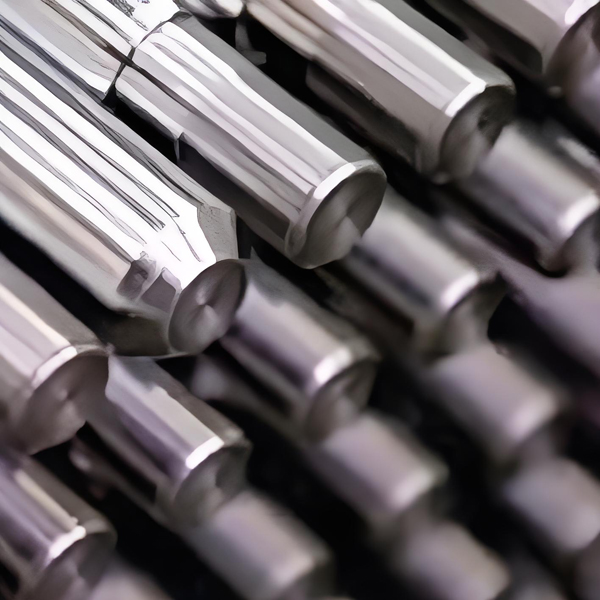
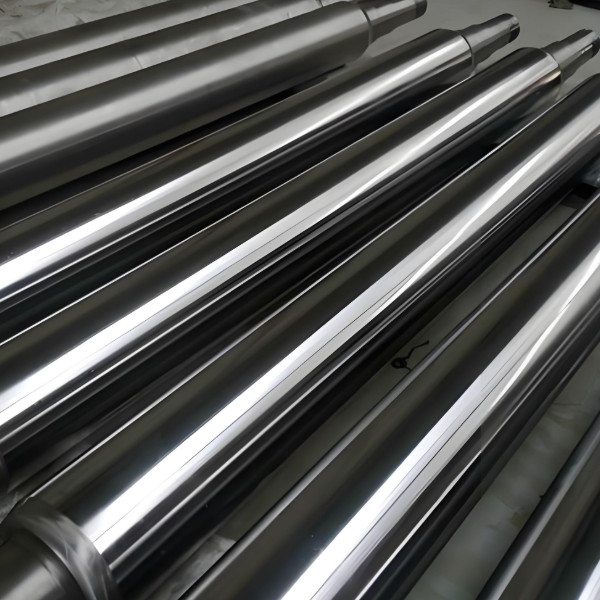
Excellent surface smoothness: The mirror like smooth surface treated with precision grinding and hard chrome plating can minimize friction resistance with seals, reduce wear and leakage, ensure smooth operation, and extend overall life.
Accurate neutrality and straightness: The extremely high straightness can prevent jamming, crawling, or eccentric wear during motion, ensuring efficient and accurate power transmission, and reducing abnormal losses to the sealing system and bearings.
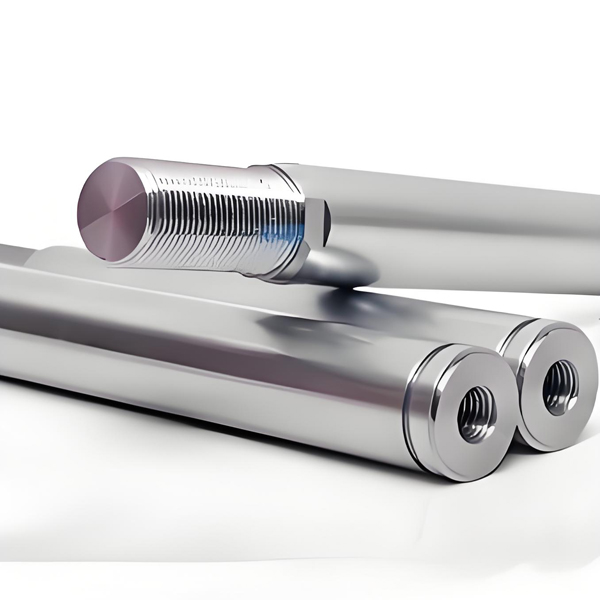
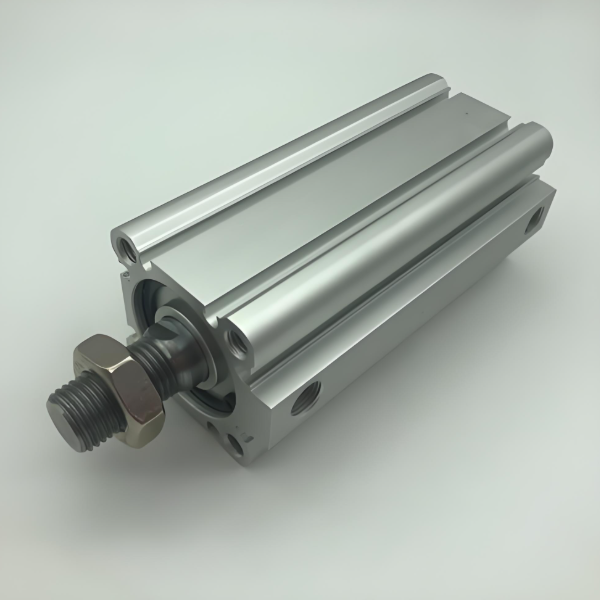
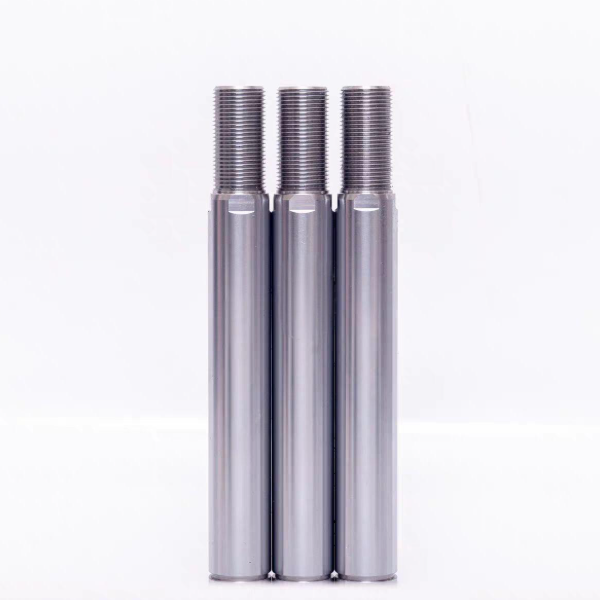
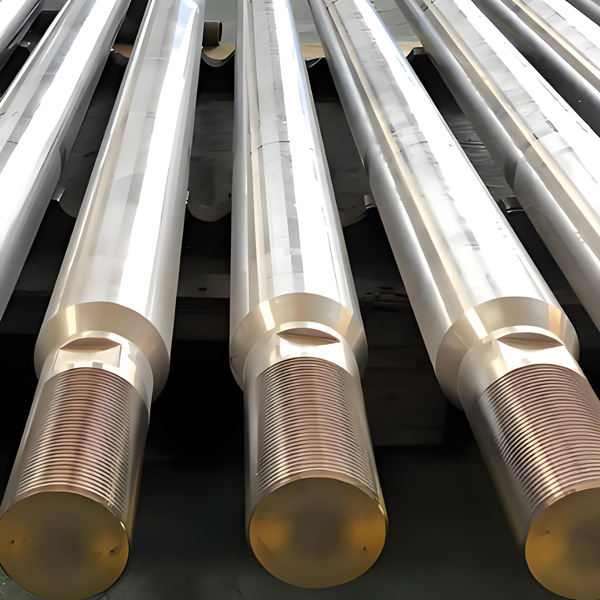
The cylinder piston rod (also known as the “pull rod” or “push rod”) is a core moving component in the cylinder. It is usually a sturdy metal rod, with one end firmly connected to the piston inside the cylinder and the other end extending outside the cylinder for connecting and driving external loads.
In order to meet the ever-changing needs of industrial applications, piston rods have demonstrated excellent adaptability in design, materials, and surface treatment: diverse materials, strengthened surface treatment, and optimized structural design
Energy input: Compressed air enters the cylinder from one end and acts on one end face of the piston.
Energy conversion: Gas pressure generates enormous thrust on the piston end face.
Power transmission: This thrust is directly transmitted to the connected piston rod through the piston.
External work: The piston rod linearly outputs this force to external mechanisms (such as robotic arms, molds, valves, etc.), causing them to produce linear motion and complete actions such as pushing, pulling, pushing, and pressing.
Reset: When compressed air is introduced to the other side, the piston and piston rod move in the opposite direction.
Automation equipment: robotic arms, conveyor belt locators, assembly robots, material handling mechanisms.
Automobile manufacturing: welding fixtures, lifting mechanisms, stamping machines, spraying equipment.
Packaging machinery: driving components for packing, sealing, palletizing, and labeling machines.
Plastic and rubber machinery: the opening and closing mechanism of injection molding machines and the auxiliary device of extruders.
Food and beverage industry: execution components of filling machines, capping machines, and cutting machines (mostly made of stainless steel material).
Machine tool industry: tool changing mechanism and workpiece clamping device for CNC machine tools.
Mature technology and low cost: The structure is simple, the technology is very mature, and the manufacturing and maintenance costs are much lower than those of electric servo systems.
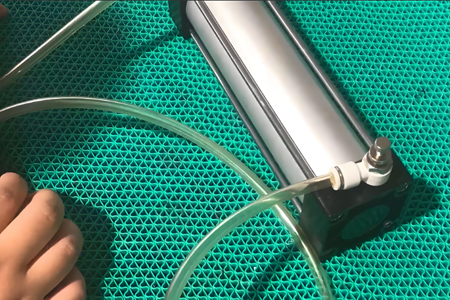
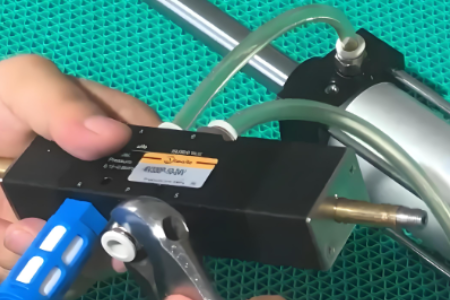
High power to weight ratio: Pneumatic systems are typically lighter and more compact while providing the same thrust.
High speed and fast response: Compressed air flows quickly and can achieve extremely high motion speeds, especially suitable for high-speed, high-frequency reciprocating motion.
Strong overload resistance: Even if blocked at the end of the stroke, the system is usually not damaged, and electric actuators may burn out due to overload.
Good environmental adaptability: high temperature resistance, explosion-proof, moisture resistance, stable and reliable performance in harsh industrial environments.
Easy to maintain: With a high degree of standardization, diagnosing and replacing components in the event of a malfunction is simple and quick.
With the advancement of Industry 4.0 and intelligent manufacturing, cylinder piston rods and the pneumatic technology in which they are located are also constantly evolving:
Intelligence and integration: The “intelligent” piston rod and cylinder with integrated position sensors and pressure sensors will become the norm, providing real-time feedback on motion status, achieving precise control and predictive maintenance.
Innovation in Materials and Surface Treatment: Developing lighter, stronger, and more durable new materials (such as composite materials and new alloys) and more environmentally friendly and durable surface treatment technologies (such as chromium free coatings).
Energy saving and efficiency: Optimize sealing technology to reduce friction losses, decrease air consumption, and improve energy efficiency.
Internet of Things (IoT) integration: By connecting the working status of cylinders to the factory IoT through data interfaces, remote monitoring, data analysis, and overall production efficiency optimization can be achieved.
Personalization and Customization: To meet the unique needs of specific industries and applications, we provide more customized solutions in terms of size, materials, and connection methods.