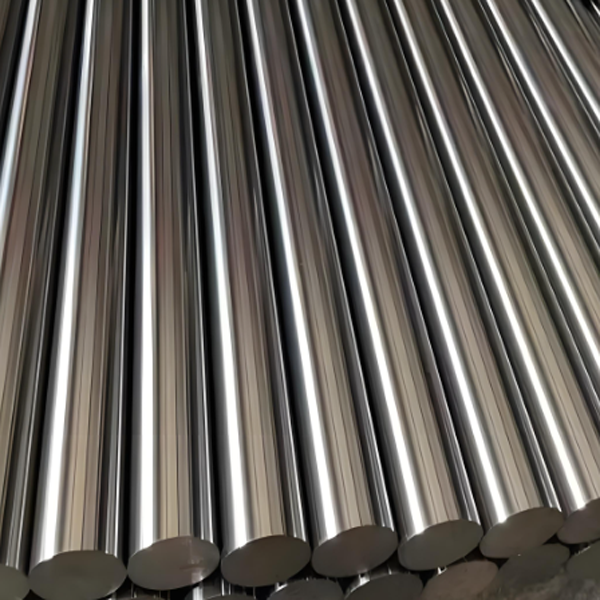
1. High-Quality Raw Materials Our raw materials are primarily sourced from renowned steel mills such as Jiangsu BOS Hydraulic Technology Co., Ltd., Baosteel, Ansteel, and Changjiang Steel Pipe.
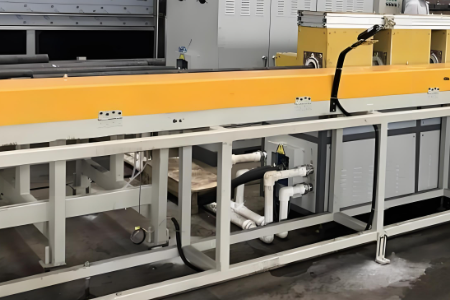
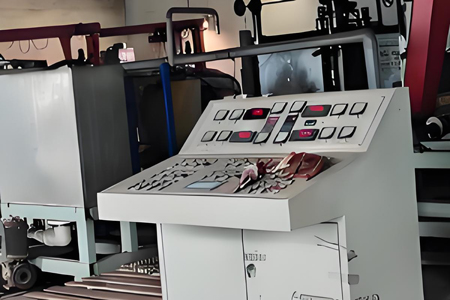
2. Advanced Production Equipment Our manufacturing facilities include cold drawing machines, honing machines, skiving and roller burnishing machines, straightening equipment,polishing machines, heat treatment furnaces, grinding machines, and more.
3. Rich production experience, strict quality control We implement a professional internal quality control system to conduct comprehensive inspections on all products.
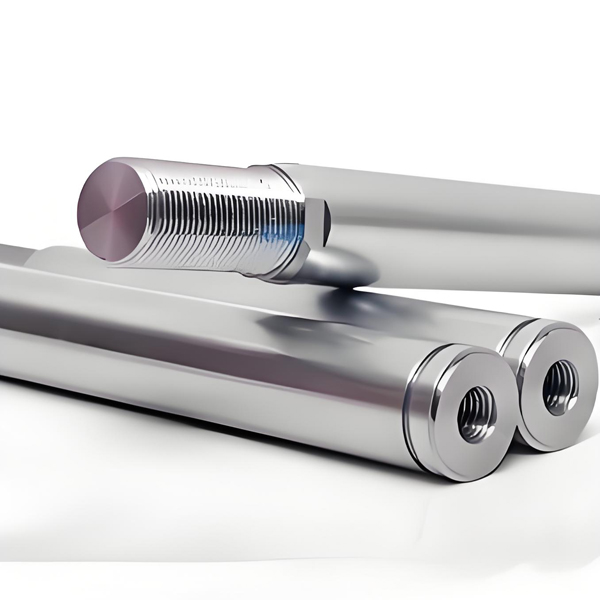
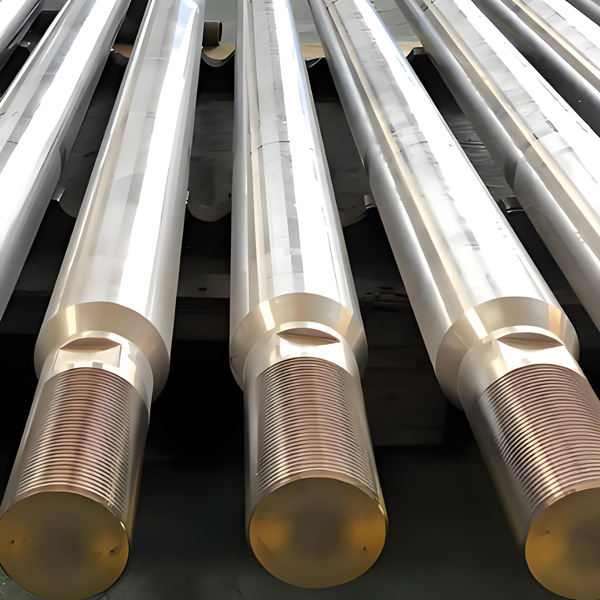
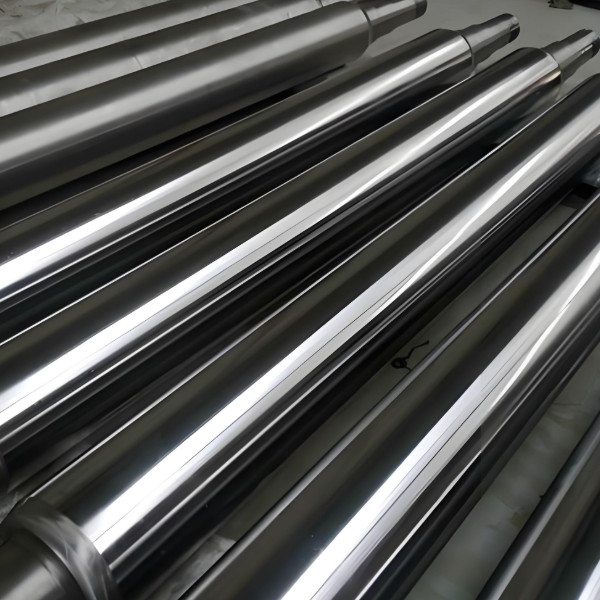
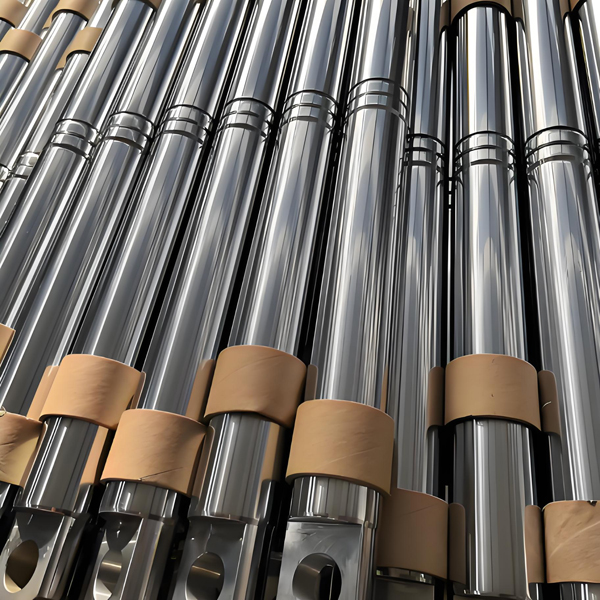
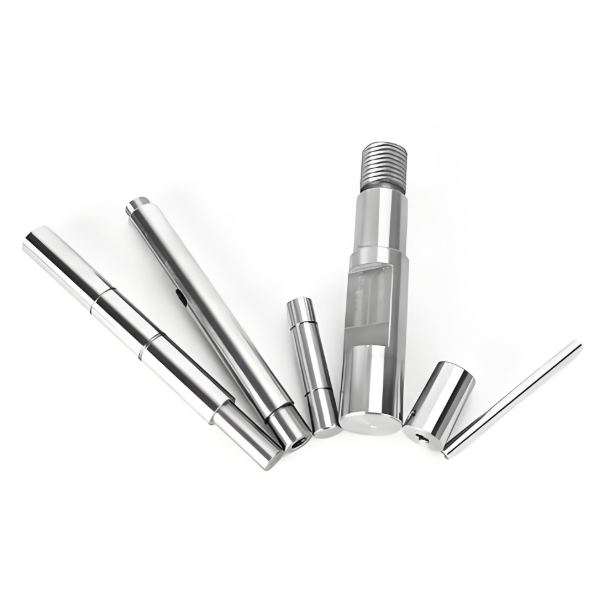
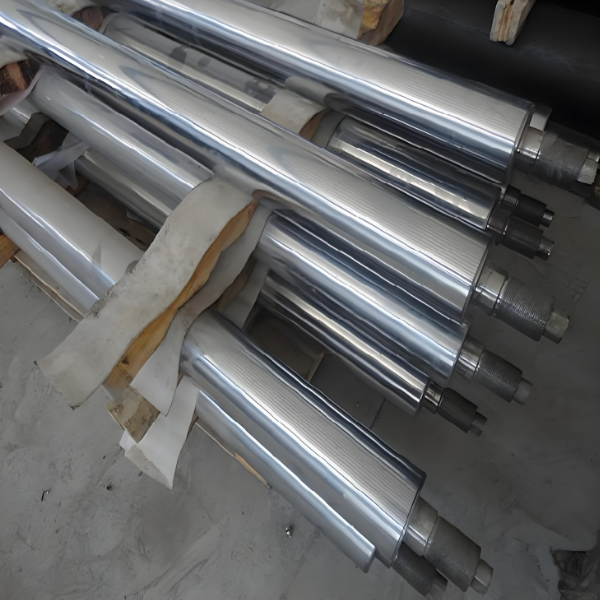
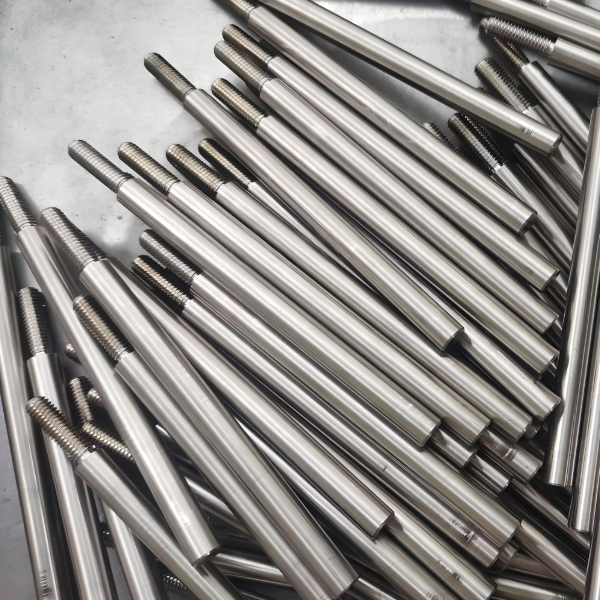
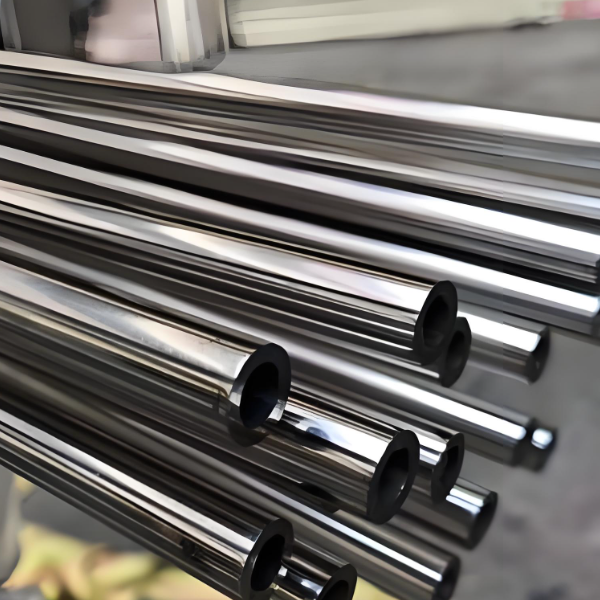
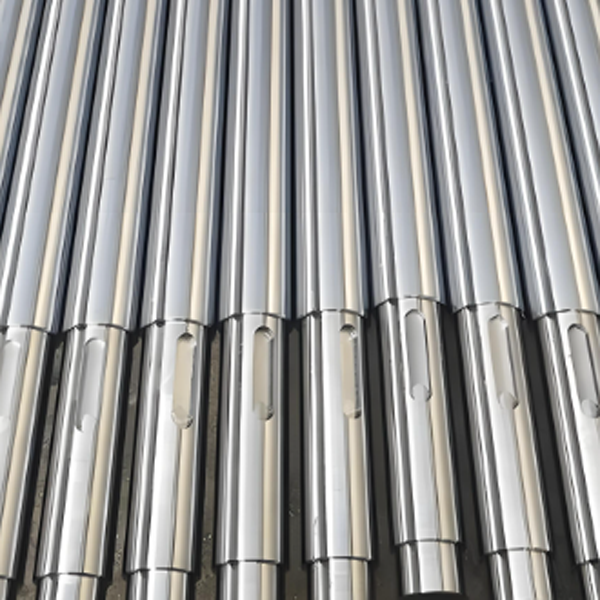
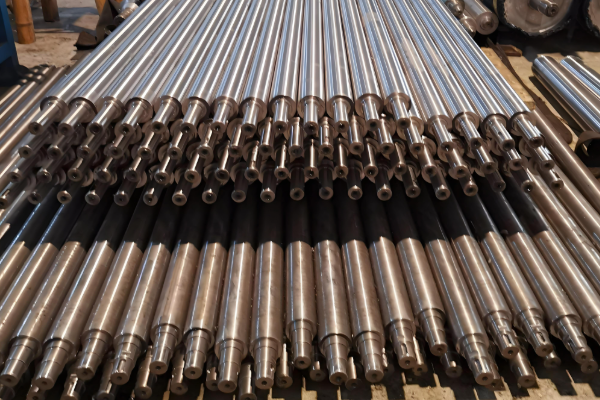
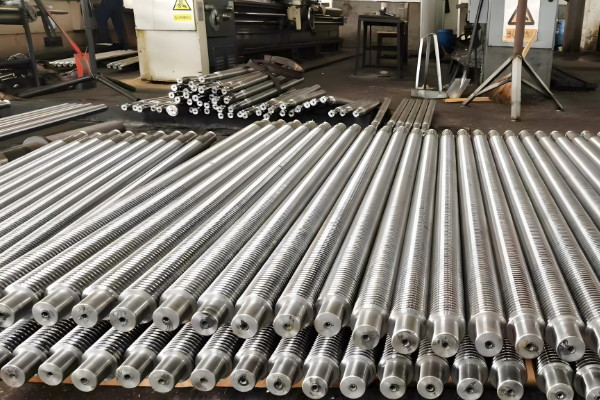
Stainless steel piston rods are usually connected at one end to the piston and at the other end to the working components of the equipment, performing linear reciprocating motion inside the cylinder to transmit power. Named after its main material being stainless steel, its main advantages lie in its excellent corrosion resistance and beautiful metallic texture.
Excellent corrosion resistance: This is its core advantage. It can resist the erosion of various media such as water vapor, chemicals, salt, etc., avoiding leakage, jamming or system pollution caused by corrosion, greatly extending the service life of equipment.
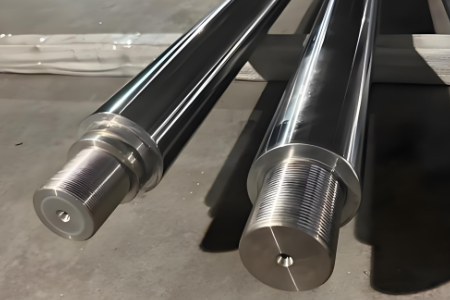
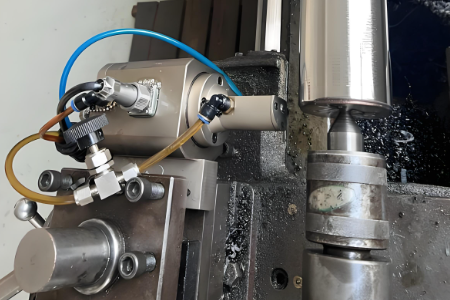
Extremely high hardness and wear resistance: Through precise surface treatment such as high-frequency quenching and hard chromium plating, the surface hardness can reach HRC60 or above, which can effectively withstand friction and lateral loads during reciprocating motion, and has strong wear resistance.
Excellent surface smoothness: After precision grinding and polishing, the surface roughness is extremely low (up to Ra0.2 or below). This not only reduces the friction coefficient and minimizes the wear of seals, but also ensures the reliability of dynamic sealing and prevents medium leakage.
High strength and toughness: The matrix material has high tensile strength and yield strength, which can withstand huge push, pull, and certain impact loads without permanent deformation or fracture.
Good stability: It can maintain good mechanical properties and dimensional stability even in high or low temperature environments, and is not easily deformed due to temperature changes.
These characteristics work together to make stainless steel piston rods far superior to ordinary carbon steel piston rods in terms of reliability, durability, and maintenance costs.
Stainless steel piston rod is a critical precision component in hydraulic cylinders or air cylinders, typically a straight, smooth rod-shaped metal piece. One end of it is connected to the piston, and the other end is connected to the external load through the seal of the cylinder head.
Its main function is to transmit the linear reciprocating motion generated by the piston in the cylinder to the external mechanism under the drive of pressure oil or compressed air, thereby achieving various actions such as pushing, pulling, lifting, and pressing of mechanical equipment. In short, it is a “transmission shaft” that converts fluid pressure energy into mechanical power.
The excellent performance of stainless steel piston rods endows them with unparalleled adaptability, enabling them to handle various complex and demanding working conditions with ease
High humidity and underwater environment: such as ocean platforms, ship machinery, sewage treatment equipment, etc., their corrosion resistance ensures long-term stable operation of the equipment.
Chemical corrosion environment: In industries such as chemical engineering, electroplating, and pharmaceuticals, it can resist the erosion of chemical media such as acids, alkalis, and solvents.
Food and pharmaceutical industry: High specification stainless steel such as 304 or 316 is used to meet food grade hygiene requirements, which is corrosion-resistant and easy to clean and disinfect.
High temperature and low temperature environments: From metallurgical high-temperature equipment to cold chain low-temperature equipment, stable performance can be maintained.
High cleanliness is required in environments such as dust-free workshops and semiconductor manufacturing, where smooth surfaces are not prone to accumulating dust and pollutants.
Power input: Pressure fluid (oil or gas) is pumped into one end of the cylinder and acts on one side of the piston.
Pressure transmission: The piston generates thrust under pressure.
Motion output: Due to the rigid connection between the piston and the piston rod, this thrust is transmitted through the piston rod, pushing the external load to make linear motion.
Reciprocal cycle: By controlling the valve to change the direction of fluid entry and exit, the piston rod can achieve reciprocating motion of extension and retraction.
Throughout the entire process, the piston rod relies on its smooth and hard surface to tightly fit with the seal of the cylinder head, ensuring smooth movement and preventing leakage of pressure fluid.
Construction machinery: bucket arms for excavators and loaders; The injection unit of an injection molding machine.
Automotive manufacturing: automotive shock absorbers, braking systems.
Metallurgical industry: pressure cylinders and lifting platforms for steel rolling equipment.
Mining equipment: hydraulic supports, propulsion cylinders for tunneling machines.
Aerospace: Landing gear retraction system, rudder control system.
Food packaging: actuators for filling machines and sealing machines.
Medical equipment: lifting mechanisms for operating tables and dental chairs.
Robot technology: Linear drive unit for industrial robot joints.
Lower lifecycle cost: Although the initial purchase cost may be higher than that of ordinary chrome plated carbon steel rods, their extremely long service life and low maintenance and replacement frequency significantly reduce the total cost of ownership of the equipment.
Ensuring system reliability: In critical equipment, the failure of the piston rod may cause the entire production line to shut down, resulting in significant losses. The high reliability of stainless steel rods is the cornerstone of ensuring production continuity.
Compliance with regulations and hygiene standards: In industries such as food and medicine, the use of corrosion-resistant and easy to clean stainless steel materials is a mandatory requirement for industry regulations and hygiene certification.
Enhancing product image and value: The exquisite and durable stainless steel appearance can enhance the quality and market competitiveness of the entire equipment.
Dealing with special environments: When there is a risk of corrosion in the working environment, stainless steel piston rods are necessary rather than optional.
With the advancement of industrial technology, stainless steel piston rods are also constantly developing and evolving:
Innovation in Materials Science: Developing new stainless steel materials and composite materials with higher strength, corrosion resistance, self-lubricating or lighter weight.
Surface treatment technology upgrade: new technologies such as laser cladding, ultra high speed laser cladding, PVD (Physical Vapor Deposition) coating, etc. can prepare surface coatings that are more wear-resistant, environmentally friendly, and have stronger adhesion than traditional hard chromium plating.
Intelligence and state monitoring: Integrated sensors enable real-time monitoring and predictive maintenance of piston rod force, temperature, and wear status.
Green Manufacturing and Environmental Protection: Reduce environmental pollution caused by traditional processes such as electroplating, and adopt more environmentally friendly surface treatment technologies and recyclable materials.
Customization and High Performance: Providing customized solutions for extreme working conditions in specific industries such as semiconductors and new energy, with higher cleanliness, ultra-high vacuum, or chemical resistance.