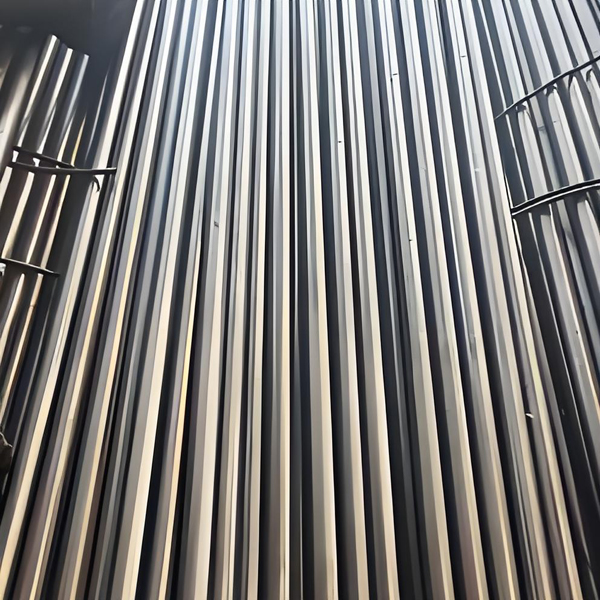
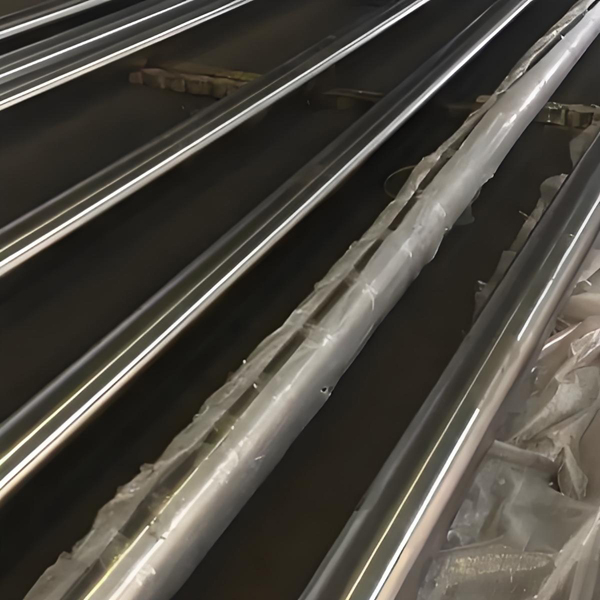
1. High-Quality Raw Materials Our raw materials are primarily sourced from renowned steel mills such as Jiangsu BOS Hydraulic Technology Co., Ltd., Baosteel, Ansteel, and Changjiang Steel Pipe.
2. Advanced Production Equipment Our manufacturing facilities include cold drawing machines, honing machines, skiving and roller burnishing machines, straightening equipment,polishing machines, heat treatment furnaces, grinding machines, and more.
3. Rich production experience, strict quality control We implement a professional internal quality control system to conduct comprehensive inspections on all products.
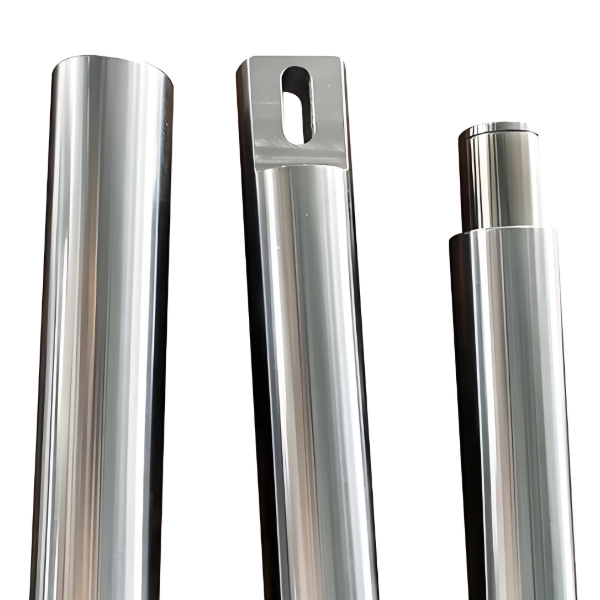
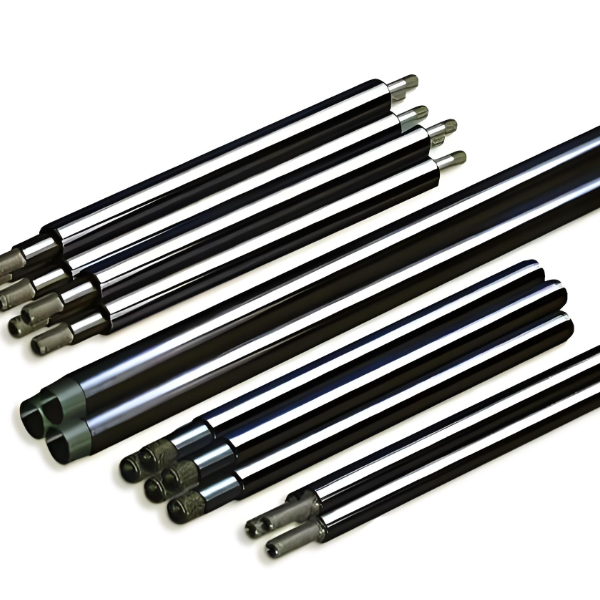
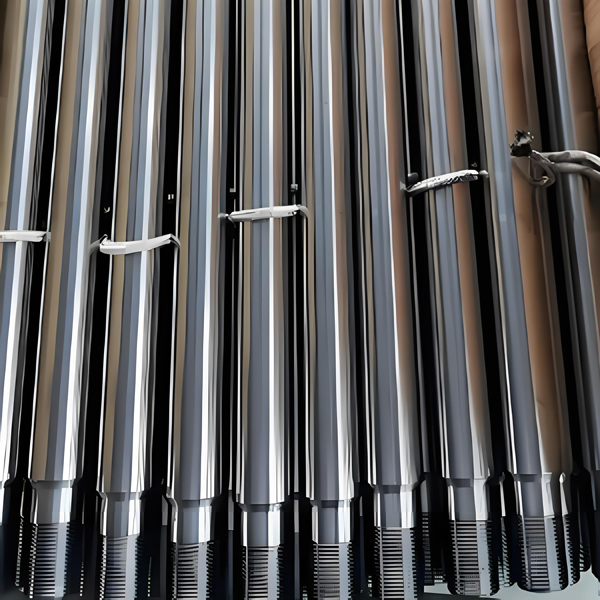
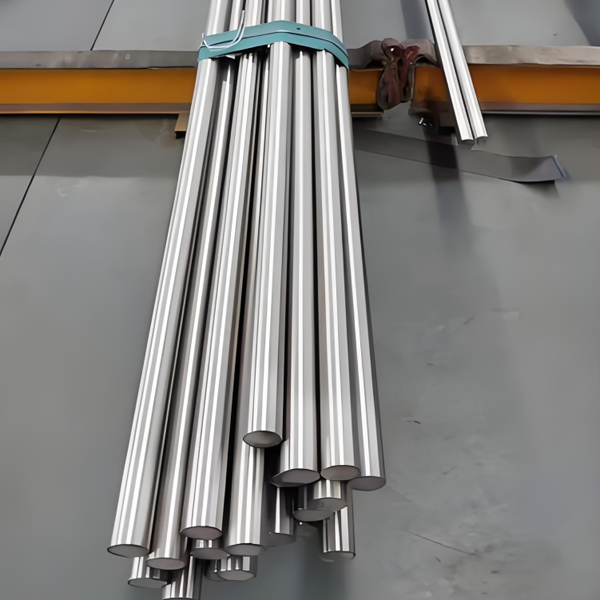
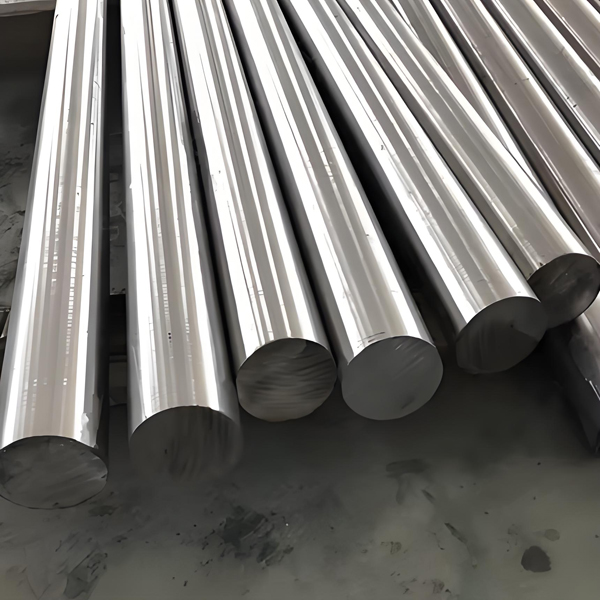
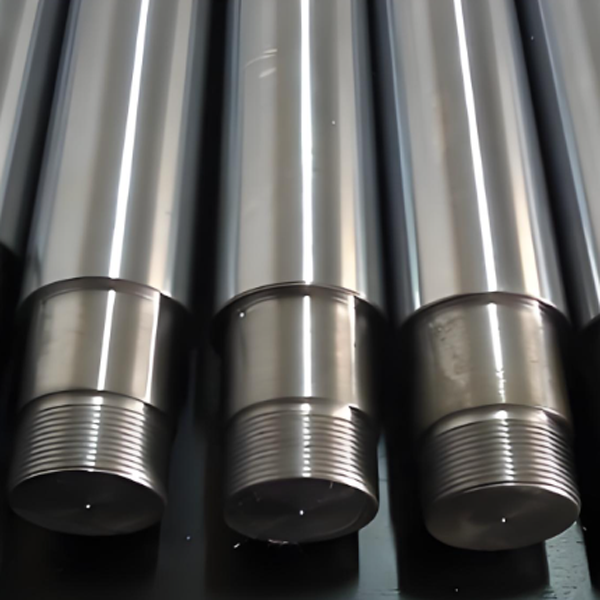
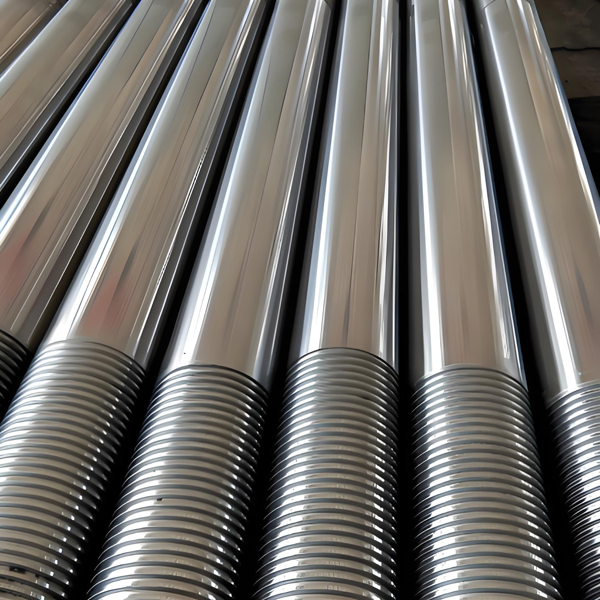
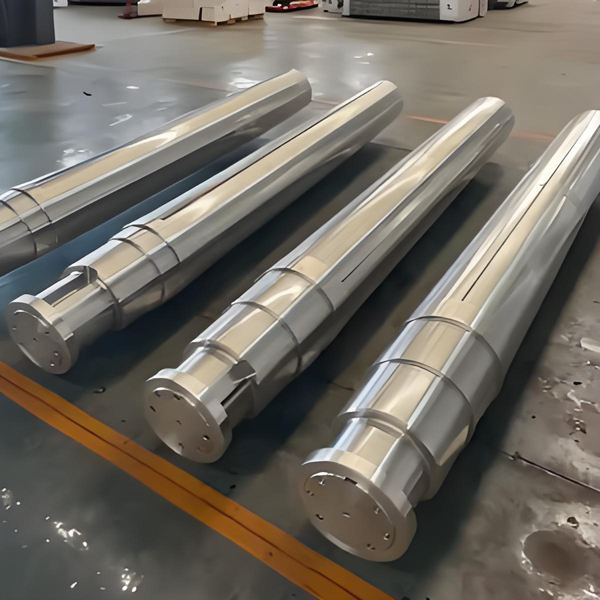
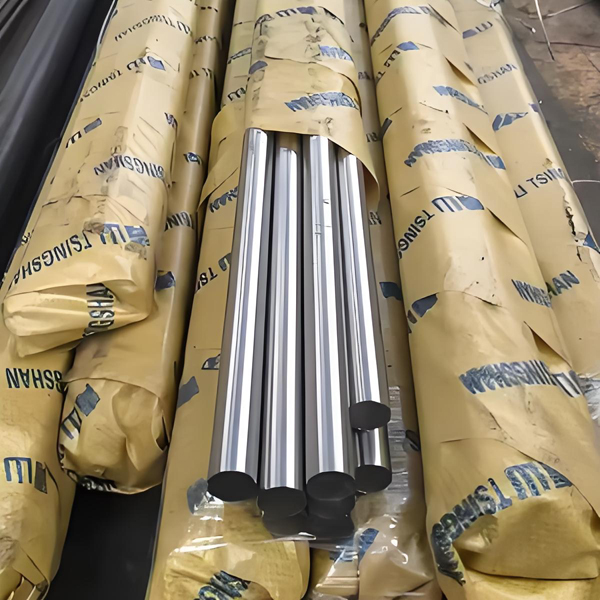
17-4PH stainless steel piston rod is a mechanical transmission component made of 17-4PH martensitic precipitation hardened stainless steel, widely used in hydraulic systems, engineering machinery, automotive manufacturing and other fields. 17-4PH stainless steel has good corrosion resistance and processing performance. Using rolling process to reduce surface roughness to Ra0.4-0.8 μ m, and enhancing wear resistance and corrosion resistance through chrome plating treatment. The thickness of hard chromium is controlled between 0.015-0.025mm, and the dimensional accuracy meets the f7-f8 tolerance standard.
Ultra high strength and hardness: Through simple “aging treatment”, its hardness can easily reach HRC 40 or above, with a tensile strength of over 1300MPa, providing extremely high wear and scratch resistance.
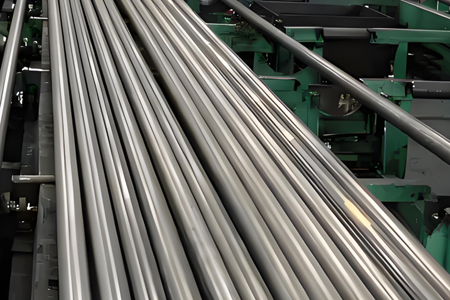
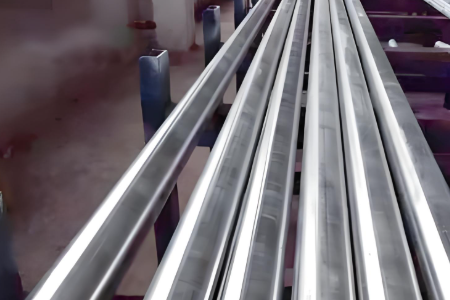
Excellent corrosion resistance: Its corrosion resistance is close to 304 stainless steel and can effectively resist the erosion of water vapor, salt spray, and various chemical media, far exceeding ordinary carbon steel and 400 series stainless steel.
Extremely small heat treatment deformation: Its “precipitation hardening” process is carried out at lower temperatures, and compared to traditional quenching, the deformation is minimal, which is crucial for ensuring the straightness and dimensional accuracy of the long piston rod.
Excellent fatigue strength: able to withstand the alternating stress caused by long-term high-frequency reciprocating motion, with excellent fatigue resistance, ensuring the safety and service life of the equipment under dynamic loads.
From a material perspective: 17-4PH is a high-tech alloy steel, named after its key chemical composition: approximately 17% chromium (Cr), 4% nickel (Ni), and precipitation hardening effect achieved by adding copper (Cu) and niobium (Nb).
From the perspective of components: as the core component of hydraulic cylinders or air cylinders, it is responsible for converting hydraulic or pneumatic energy into mechanical energy for linear motion, directly bearing loads, transmitting power, and being exposed to the working environment.
From the perspective of craftsmanship, it is not an ordinary “stainless steel rod”, but a high-performance component made through a series of precision thermal and mechanical processing such as solution treatment and aging treatment (such as precision grinding and surface hard chrome plating).
Coping with high loads and high impacts: Its ultra-high strength matrix can withstand enormous thrust, tension, and unexpected impacts, preventing bending or fracture.
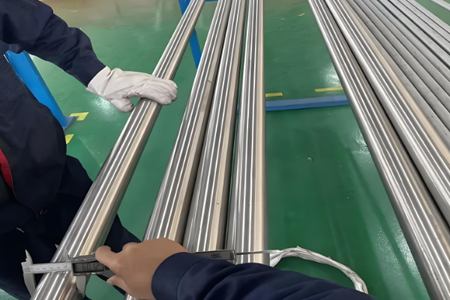
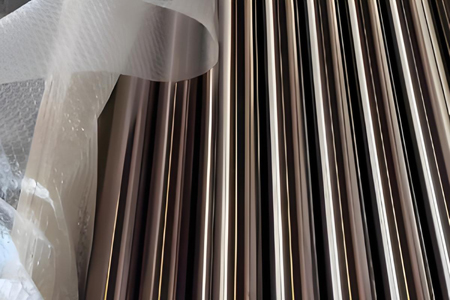
Dealing with corrosive environments: Whether it is humid marine atmospheres, coastal areas rich in salt spray, or cleaning and disinfecting agents in the food and pharmaceutical industry, it can handle them calmly and avoid rusting.
Dealing with abrasive wear: In environments with dust and debris such as construction machinery and mining equipment, its high hardness body and surface coating can effectively resist abrasive wear and extend its service life.
Coping with high and low temperature environments: Within a certain temperature range (such as -40 ° C to 300 ° C), it can maintain good mechanical properties and stability.
Power transmission: In a closed oil cylinder or cylinder, one end of the piston rod is connected to the piston, and the other end is exposed outside the cylinder body. When the pressure medium (hydraulic oil or compressed air) pushes the piston, the force is directly transmitted to the piston rod through the piston.
Linear motion: The piston rod performs precise and stable linear reciprocating motion under the guidance of the guide sleeve, thereby driving external loads (such as robotic arms, molds, cutting tools, etc.) to complete predetermined actions.
Sealing and support: There is a precise seal between the piston rod and the end cap to prevent medium leakage. The high hardness and smooth surface of 17-4PH ensure a long-lasting and tight fit with the seal, reducing wear and leakage.
Aerospace: Aircraft landing gear actuators, flight control system hydraulic cylinders – requiring extreme safety and strength to weight ratio.
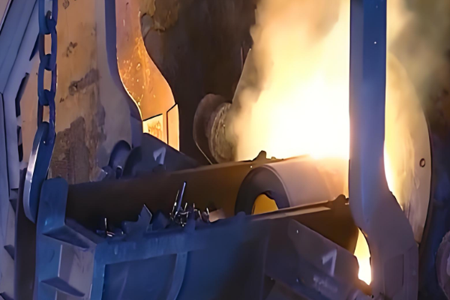
Marine engineering: ship servos, offshore platform lifting systems, submarine equipment – must resist severe salt spray corrosion.
High end manufacturing: large injection molding machines, die-casting machine clamping cylinders, precision machine tool feed cylinders – to meet long-term high load and precision requirements.
Food and pharmaceuticals: filling and packaging equipment – resistant to frequent cleaning and disinfection, meeting hygiene standards.
Chemical and Energy: Valve actuators, reactor control cylinders – in contact with chemical media, high reliability is required.
Heavy engineering machinery: hydraulic cylinders for excavators and cranes – stable operation in mud, dust, and impact.
Investing in reliability: Its excellent fatigue and impact resistance greatly reduces the risk of unexpected equipment failure during operation.
Investing in the lifecycle: A longer lifespan means less downtime and replacement frequency, and although the initial cost is higher, the total lifecycle cost may be lower.
To maintain cost investment: excellent corrosion resistance and wear resistance, reducing daily maintenance workload and spare parts consumption.
Investing in performance improvement: For manufacturers who pursue the ultimate performance of equipment and explore new markets, adopting high-end components is the key to enhancing product competitiveness.
With the progress of industry, the development of 17-4PH piston rods will tend towards:
Performance Maximization: By optimizing heat treatment processes and fine-tuning composition, we strive for a higher combination of strength and toughness.
Surface treatment technology innovation: Explore new surface technologies such as ultra high speed laser cladding and high-performance ceramic coatings to replace traditional electroplating hard chromium and achieve more environmentally friendly and durable surface protection.
Lightweight and integrated: In the fields of aviation and aerospace, lightweight is achieved through structural optimization design while ensuring strength.
Intelligent manufacturing: Combining IoT technology, sensors are integrated on the piston rod to monitor its stress and temperature status in real time, achieving predictive maintenance.