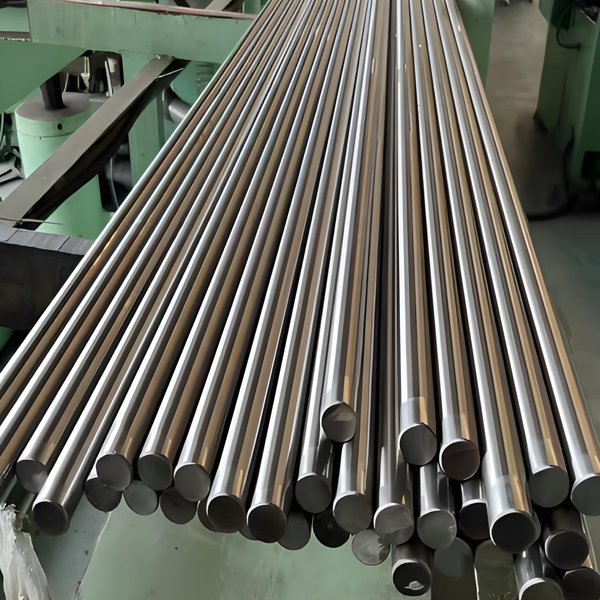
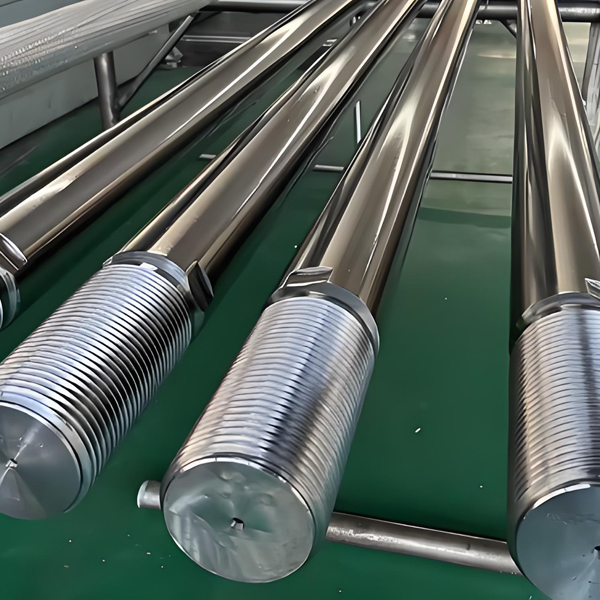
1. High-Quality Raw Materials Our raw materials are primarily sourced from renowned steel mills such as Jiangsu BOS Hydraulic Technology Co., Ltd., Baosteel, Ansteel, and Changjiang Steel Pipe.
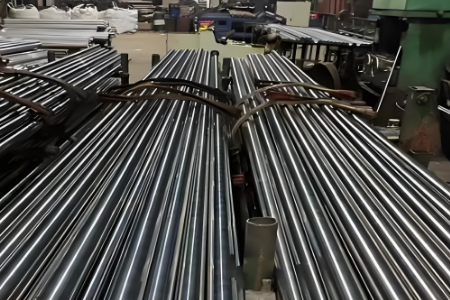
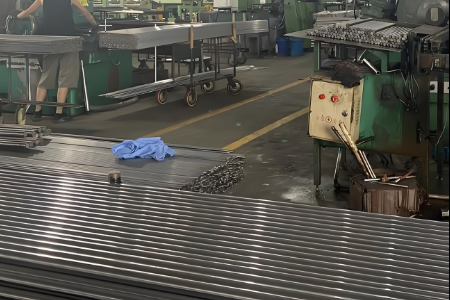
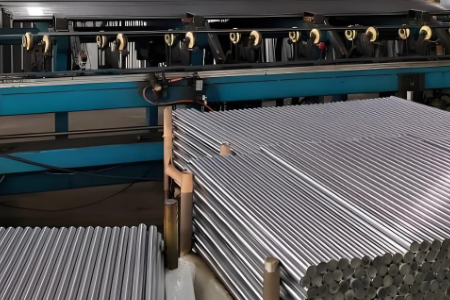
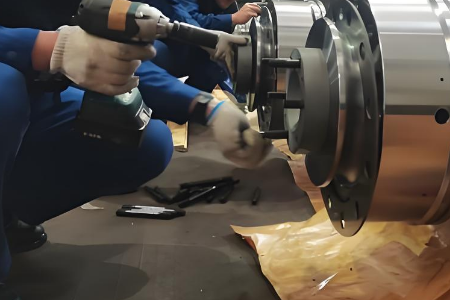
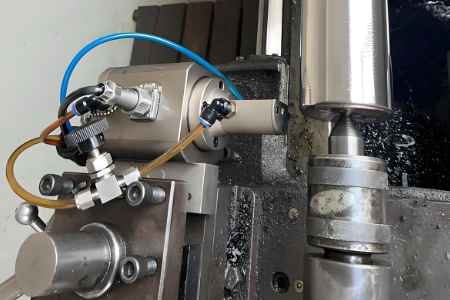
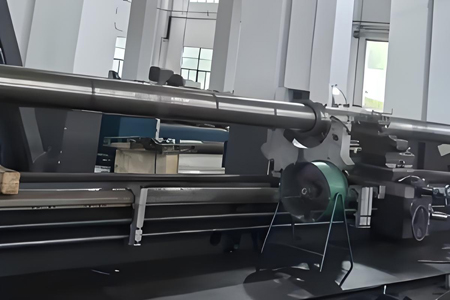
2. Advanced Production Equipment Our manufacturing facilities include cold drawing machines, honing machines, skiving and roller burnishing machines, straightening equipment,polishing machines, heat treatment furnaces, grinding machines, and more.
3. Rich production experience, strict quality control We implement a professional internal quality control system to conduct comprehensive inspections on all products.
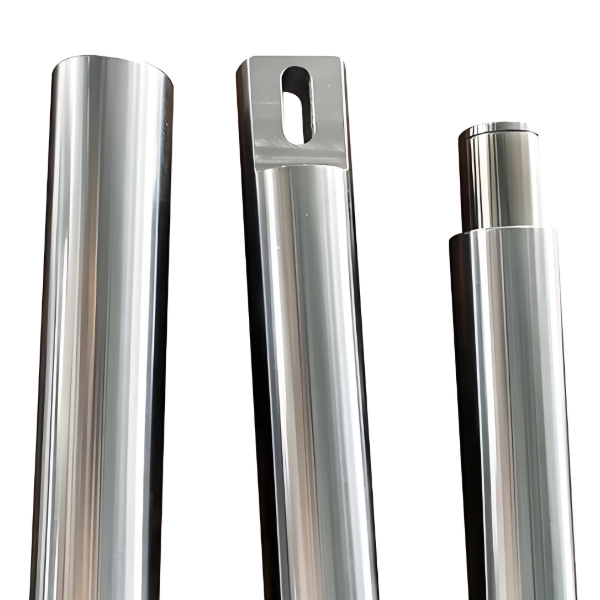
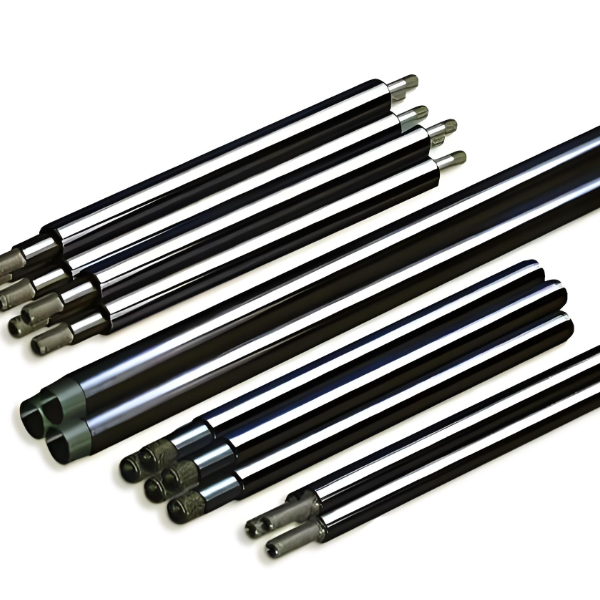
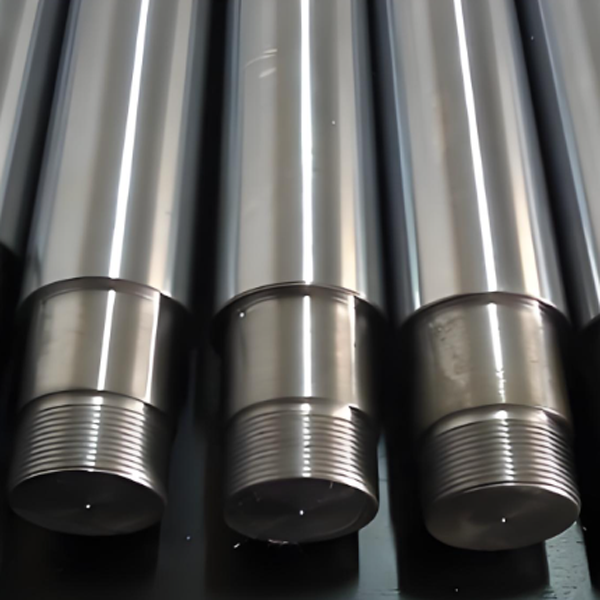
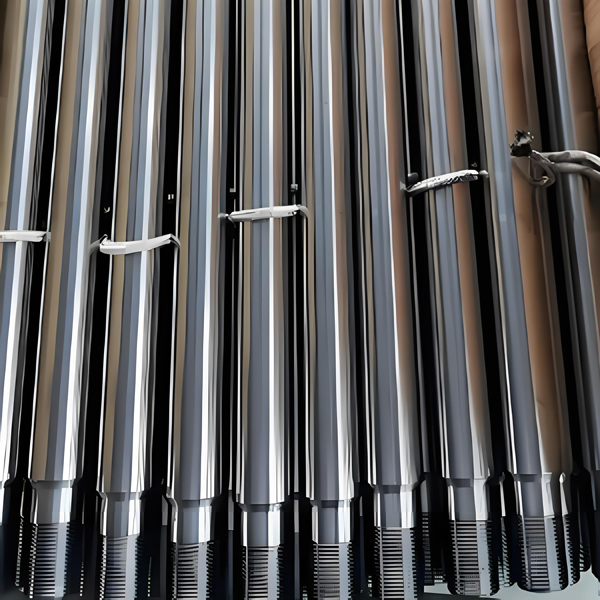
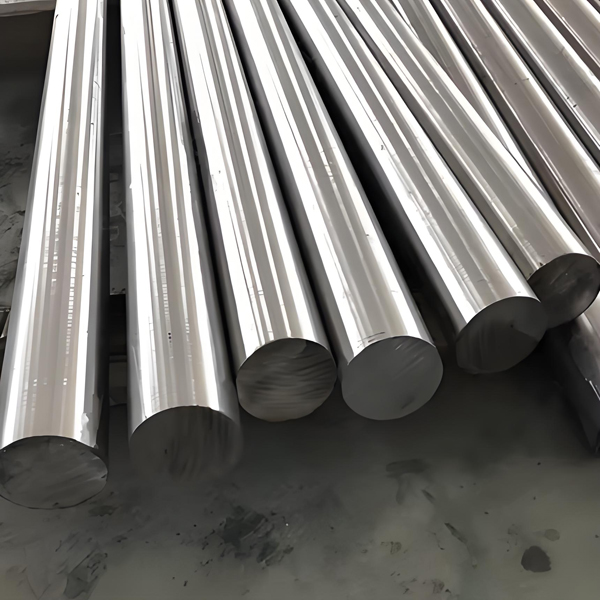
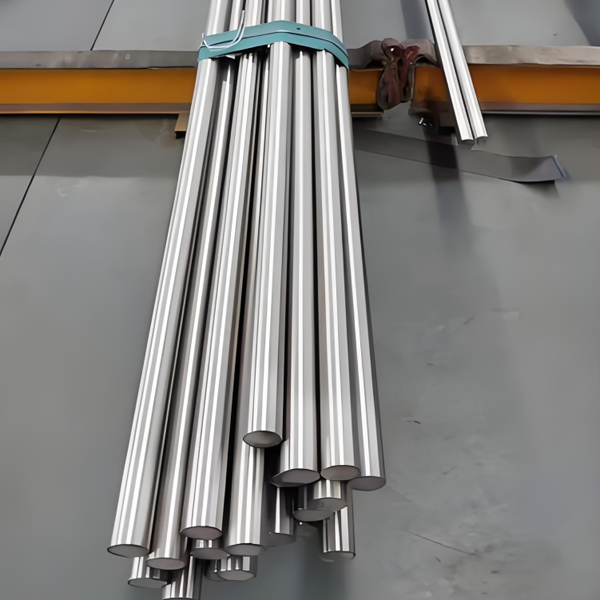
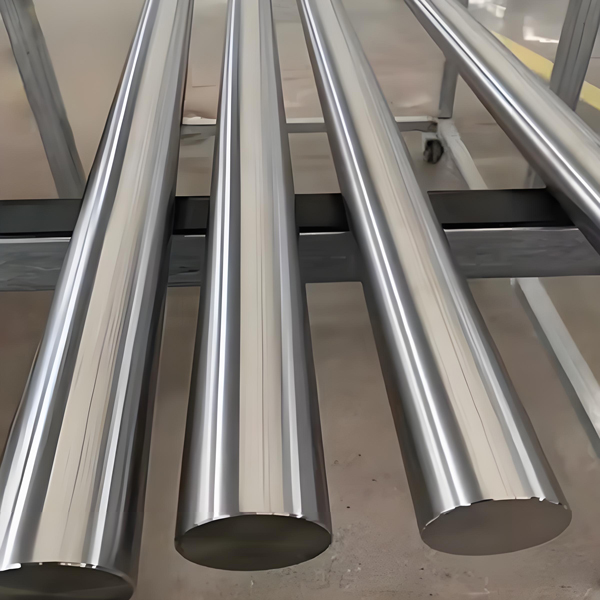
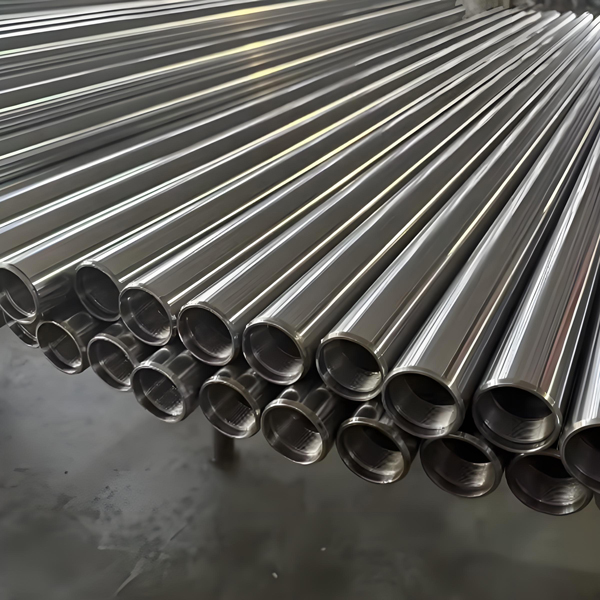
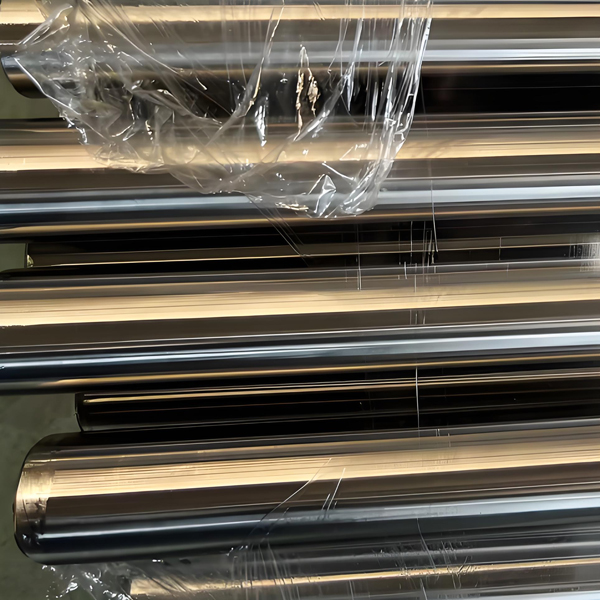
316 stainless steel piston rod is a key motion executing component in hydraulic and pneumatic systems, usually cooperating with seals, cylinder barrels, and pistons to convert hydraulic or pneumatic energy into mechanical energy for linear reciprocating motion. It is special because its substrate is made of 316 austenitic stainless steel.
The reason why 316 stainless steel piston rods stand out among many materials and become the first choice in harsh environments is due to their three core characteristics:
Excellent corrosion resistance
Excellent mechanical performance
Excellent hygiene and surface performance
316 stainless steel piston rod is a key core transmission component in hydraulic and pneumatic systems. It uses 316 austenitic stainless steel as the substrate and is made through precision machining and surface treatment (usually hard chrome plating). It is connected to the piston at one end and extends out of the cylinder at the other end, responsible for converting the pressure energy of fluid (hydraulic oil or compressed air) into mechanical energy of linear reciprocating motion, and outputting force and motion to the outside.
The excellence of 316 stainless steel piston rods lies in their wide adaptability to various working conditions, especially in areas where 304 stainless steel is not suitable:
High chloride environment: marine engineering, ship hydraulic systems, outdoor equipment in coastal areas, and ice salt spraying vehicles.
Strong chemical medium environment: chemical production equipment, electroplating production lines, spraying equipment, pesticide and fertilizer machinery.
Environment with high hygiene and cleanliness requirements: food and beverage processing (in contact with saltwater and acidic substances), pharmaceutical machinery, medical equipment, and biotechnology cleanrooms.
High temperature and high humidity environment: Under high temperature conditions, the corrosiveness of chlorides will intensify, and 316 stainless steel can exhibit more stable performance in this environment.
Its working principle is consistent with that of ordinary piston rods, and it is the foundation of fluid transmission technology:
In a sealed cylinder, the piston rod is tightly connected to the piston. When pressure oil or compressed air enters one end of the cylinder, the pressure acting on the piston generates thrust, pushing the piston to move and then driving the rigidly connected piston rod to perform linear reciprocating motion. This motion is transmitted to the external mechanism through the end of the piston rod, thereby completing a series of mechanical actions such as pushing, pulling, lifting, and clamping.
With its superior corrosion resistance, 316 piston rods have become the preferred choice for the following demanding industries:
Marine and Shipbuilding Industry: Marine hydraulic cylinders, servos, anchors, offshore platform equipment.
Food and pharmaceutical industry: filling machines, packaging machines, mixers, pharmaceutical tablet presses, sterile filling lines.
Chemistry and Electroplating Industry: Chemical Process Pumps, Electroplating Equipment, Waste Gas Treatment Tower Spray Systems.
Environmental protection and water treatment: sewage treatment equipment, seawater desalination plants, high-pressure cleaning machines.
High end outdoor equipment: construction machinery and fire protection systems used in corrosive atmospheric environments.
The choice of 316 instead of the more economical 304 is based on rational considerations of long-term operational reliability and total cost of ownership. The key to decision-making lies in:
Environmental medium determination: Is there a chloride or acidic medium present? This is the most fundamental criterion for judgment. As long as there is a risk of salt spray, seawater, or chlorinated chemicals, it must be upgraded to 316.
Maintenance costs and downtime losses: On critical production lines or equipment, downtime losses and maintenance costs caused by corrosion and failure of piston rods are much higher than the cost difference of material upgrades during initial procurement.
Industry standards and quality image: In fields such as food and medicine, using 316 materials is an effective means to comply with industry standards, improve equipment quality, and avoid risks.
High end material: Develop ultra-low carbon, high-purity, nitrogen-containing 316 derivative grades to cope with more extreme and demanding corrosive environments.
Environmental protection of surface treatment: New environmentally friendly surface treatment technologies such as chromium free electroplating and high-energy beam surface alloying will gradually be applied, which not only maintain high performance but also better meet the requirements of green manufacturing.
Intelligence and integration: Integrating sensors inside the piston rod to achieve real-time monitoring and predictive maintenance of operating status, load, and health.
Customized solutions: providing deep customized services from materials, heat treatment to surface treatment for the unique needs of specific industries such as semiconductors and new energy.