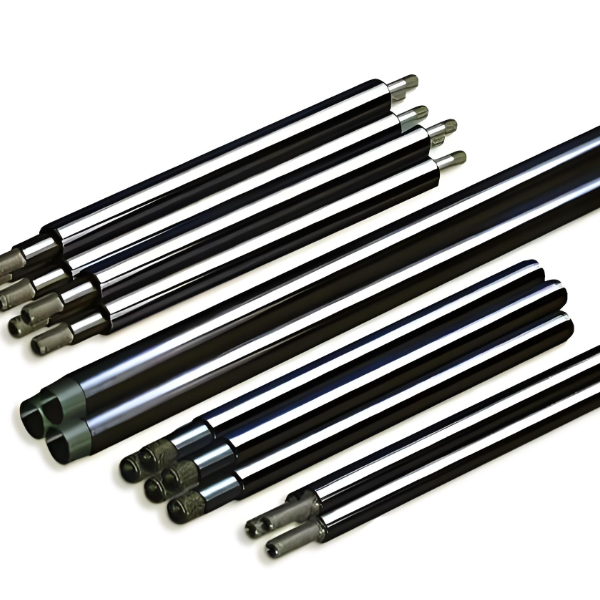
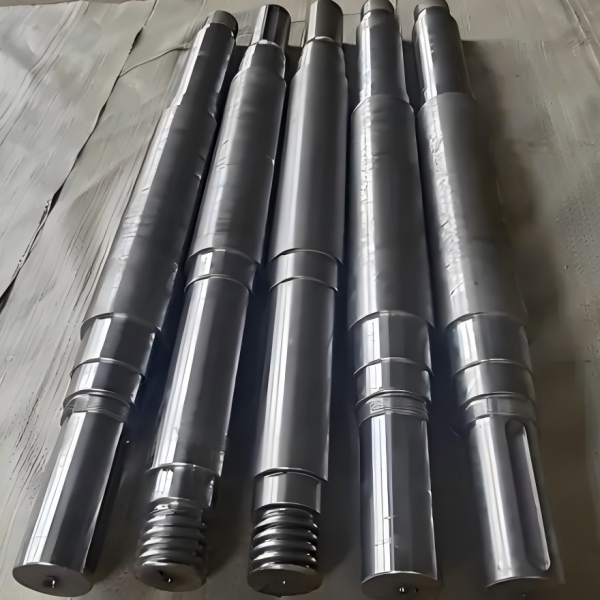
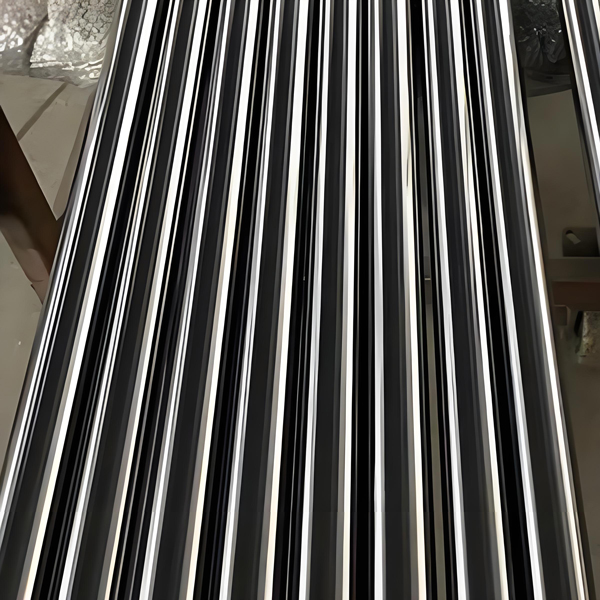
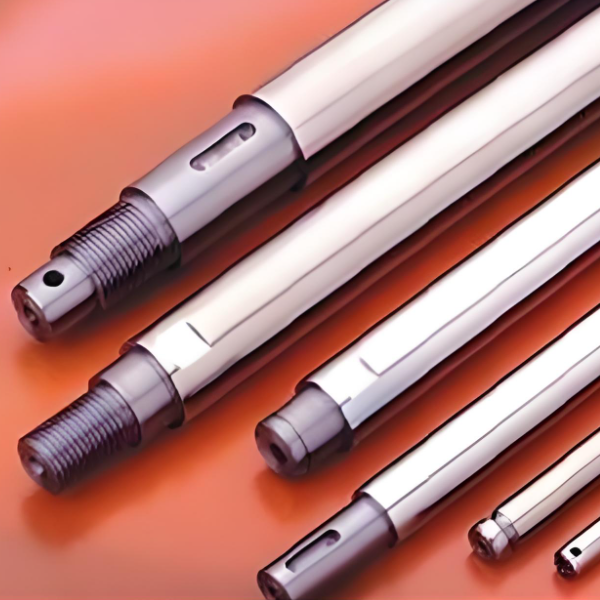
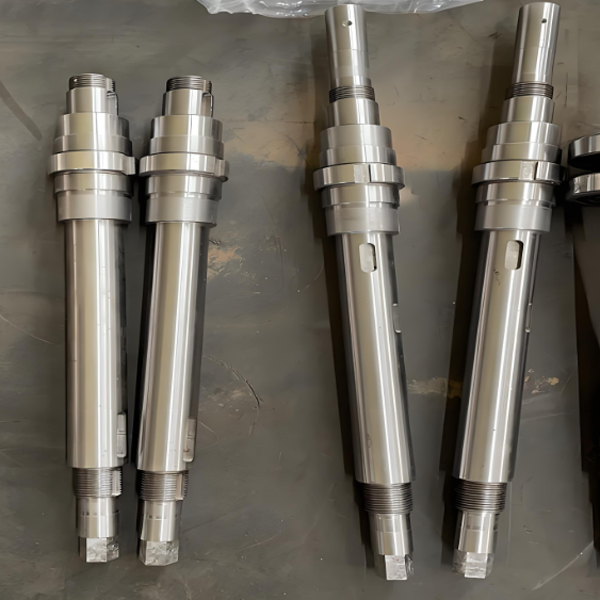
1. High-Quality Raw Materials Our raw materials are primarily sourced from renowned steel mills such as Jiangsu BOS Hydraulic Technology Co., Ltd., Baosteel, Ansteel, and Changjiang Steel Pipe.
2. Advanced Production Equipment Our manufacturing facilities include cold drawing machines, honing machines, skiving and roller burnishing machines, straightening equipment,polishing machines, heat treatment furnaces, grinding machines, and more.
3. Rich production experience, strict quality control We implement a professional internal quality control system to conduct comprehensive inspections on all products.
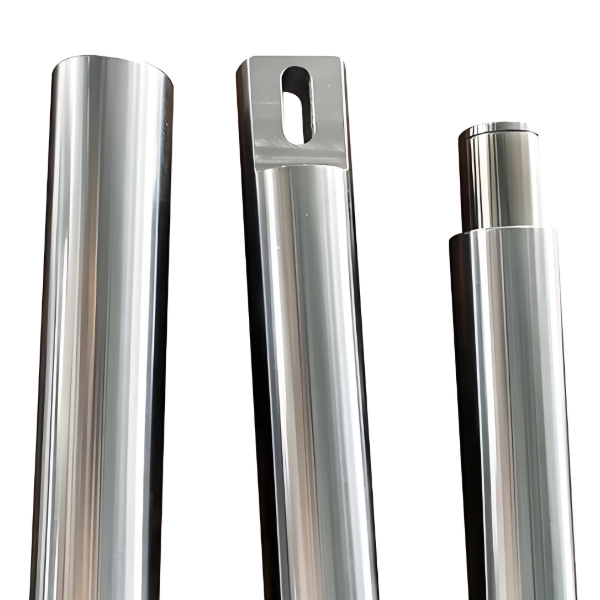
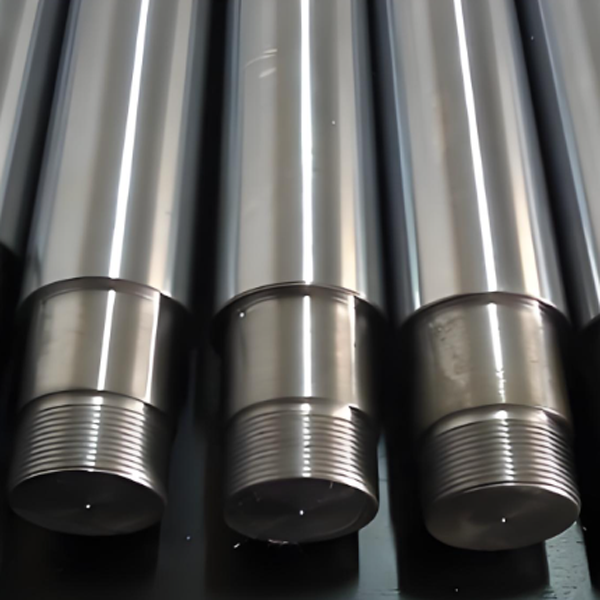
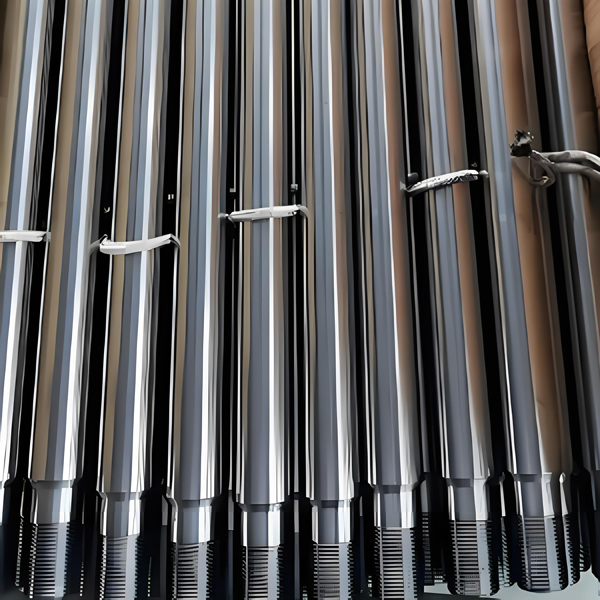
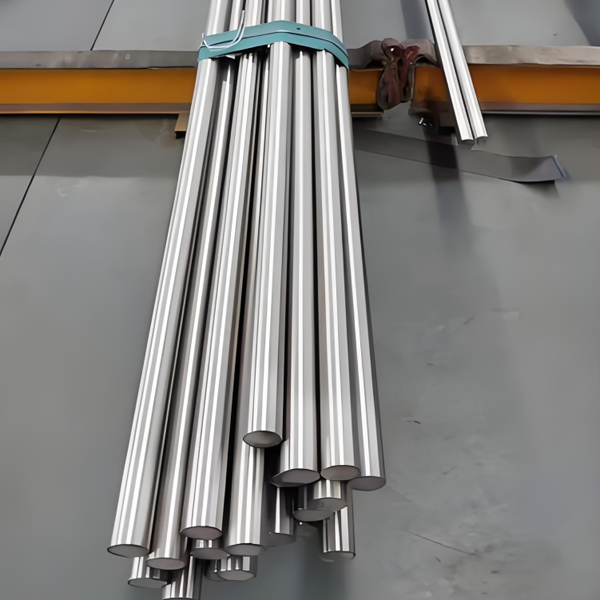
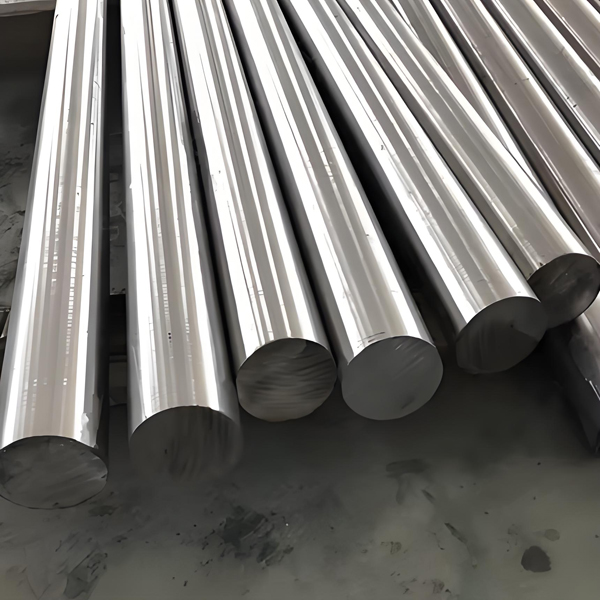
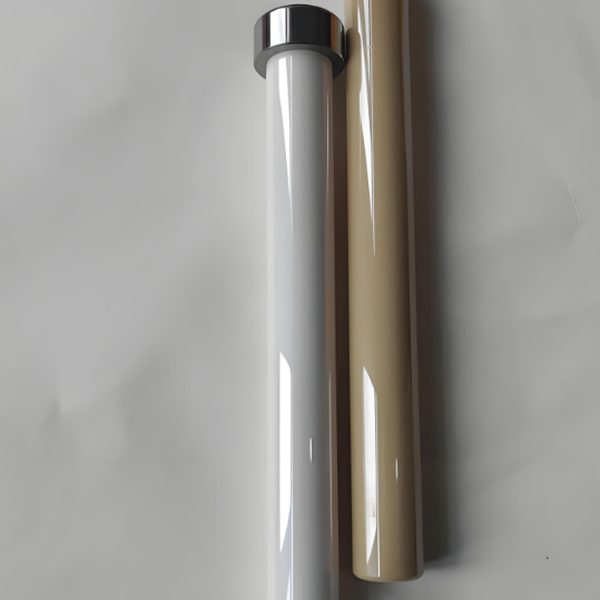
Ceramic piston rods are the top solution for solving wear and corrosion problems under harsh working conditions, known for their long service life and excellent stability. Ceramic piston rod is a high-performance component designed to solve the problems of piston rod wear and corrosion under harsh working conditions due to its long service life and excellent stability.
The reason why ceramic piston rods can stand alone is due to several disruptive advantages brought by their materials themselves:
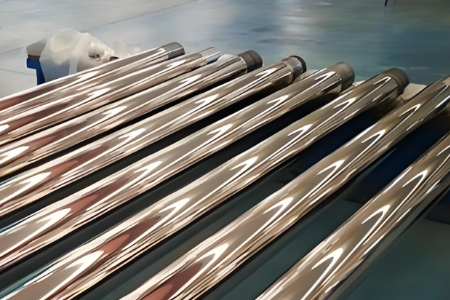
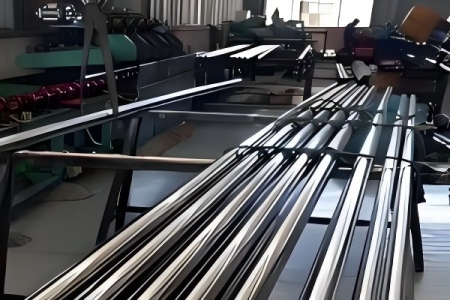
Ultimate Wear Resistance: Its hardness is second only to diamond, and its wear resistance is several times or even tens of times that of traditional chrome plated steel rods. It can effectively resist particle wear in the medium and greatly extend the service life of equipment.
Excellent corrosion resistance: It has excellent resistance to most acidic and alkaline solvents, chlorides, etc., completely eliminating corrosion and pitting problems like metal rods.
Low friction coefficient: The surface is smooth like a mirror, with an extremely low friction coefficient, which not only reduces motion resistance and energy consumption, but also avoids the “crawling” phenomenon caused by friction, making the operation smoother.
High strength and lightweight: It has high mechanical strength and compressive strength, and its density is much lower than steel, which can effectively reduce the weight of moving parts and improve system response speed.
High stability: With a small coefficient of thermal expansion, the size remains stable under temperature changes, ensuring accuracy in precision transmission. Simultaneously possessing excellent insulation properties.
Ceramic piston rods are not made of ordinary daily-use ceramics, but are rod-shaped components made of high-performance engineering ceramic materials (such as zirconia, alumina, silicon nitride, etc.) through a series of cutting-edge processes such as powder metallurgy, isostatic pressing, precision grinding, and polishing. It is usually used as an extension of the piston in hydraulic cylinders or cylinders, performing reciprocating linear motion inside the cylinder to transmit power and motion. Its structure is often a dense ceramic layer firmly composite on a metal core rod, which combines the surface properties of ceramics with the structural strength of metals.
The excellent performance of ceramic piston rods enables them to handle various complex and harsh working conditions with ease:
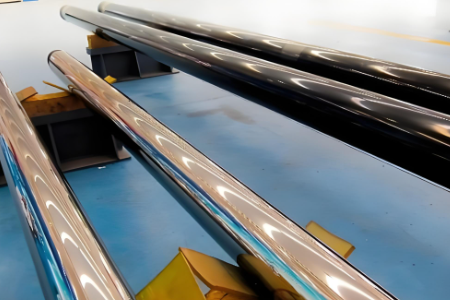
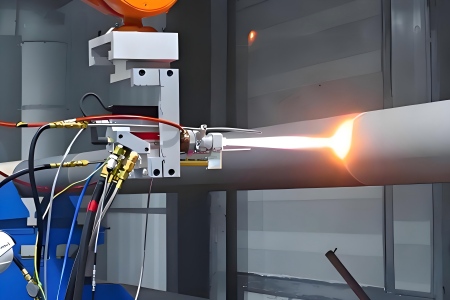
Extreme corrosive environments, such as electroplating equipment, chemical production lines, marine platforms, sewage treatment plants, etc., can easily cope with the erosion of acid, alkali, and salt spray.
High wear conditions: In environments filled with hard particles such as mining machinery, coal transportation, and cement production, it exhibits extraordinary anti-wear particle wear ability.
High cleanliness requirements: In industries such as food, pharmaceuticals, and electronic semiconductors, its characteristics of no pollution, no corrosion, and easy cleaning fully comply with hygiene standards.
High and low temperature environments: The material has good stability and can maintain performance over a wide temperature range, making it suitable for special industrial furnaces or refrigeration equipment.
Its working principle is consistent with traditional metal piston rods, both based on Pascal’s principle, which converts the pressure energy of fluids (hydraulic oil or compressed air) into mechanical energy. Specifically:
Pressure fluid enters one end of the cylinder and pushes the piston.
The piston drives the ceramic piston rod rigidly connected to it to extend outward, outputting thrust and linear motion.
When the direction of the fluid changes, the piston rod retracts under reverse pressure or external load.
Throughout the process, the surface of the ceramic piston rod fits tightly with the seal and slides in the cylinder head guide sleeve. Its ultra hard and ultra smooth surface greatly reduces friction and wear with seals and guide rings, ensuring long-term stable sealing effect and motion accuracy.
Construction machinery: hydraulic cylinders for excavators and cranes, especially equipment used for operations in areas with high sediment content.
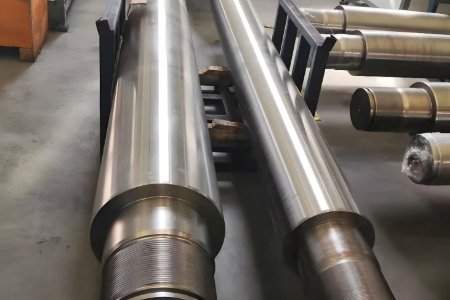
Chemical and pharmaceutical industries: metering pumps, reactor stirring shafts, corrosion-resistant valve actuators.
Food and beverage: filling machines, packaging machines, meat processing equipment, compliant with FDA, EU and other certifications.
Oceans and ships: servos, hatch cover hydraulic systems, resistant to salt spray corrosion.
Semiconductors and Electronics: Ultra high cleanliness wafer handling robots and lithography machine platforms.
Water treatment and environmental protection: gate opening and closing machines and sludge filter presses for sewage treatment plants.
Choosing ceramic piston rods is a strategic decision based on long-term value and system reliability:
Reduce total cost of ownership: Although the initial purchase cost may be higher than ordinary chrome plated rods, their long service life greatly reduces the frequency of downtime, maintenance, and replacement caused by wear and corrosion. From the perspective of the entire lifecycle, the total cost is significantly reduced.
Improve equipment reliability: avoid sealing failure and medium leakage caused by piston rod corrosion and wear, and ensure the continuous and stable operation of the production line.
Ensuring product quality: In industries such as food and electronics, the risk of contamination caused by metal debris or rust products is eliminated.
Energy saving and environmental protection: Low friction operation helps reduce driving energy consumption, which is in line with the trend of green manufacturing.
Material innovation: Develop composite ceramics and nano ceramic materials with higher toughness and better comprehensive performance.
Intelligent integration: In the future, sensors may be embedded in ceramic layers to achieve real-time monitoring of piston rod stress, temperature, and other states, moving towards intelligent predictive maintenance.
Manufacturing process upgrade: The application of additive manufacturing (3D printing) technology may enable integrated manufacturing with more complex structures and lower costs.
Expanding application areas: With the decrease in costs and the increase in awareness, it will penetrate from high-end fields to more ordinary industrial scenarios.