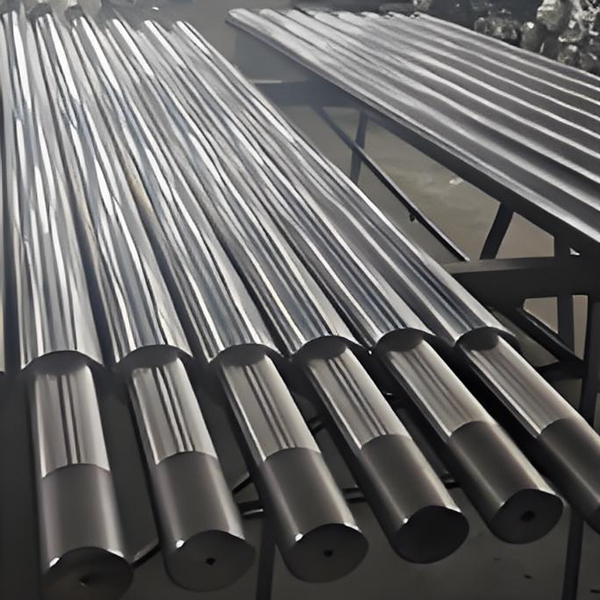
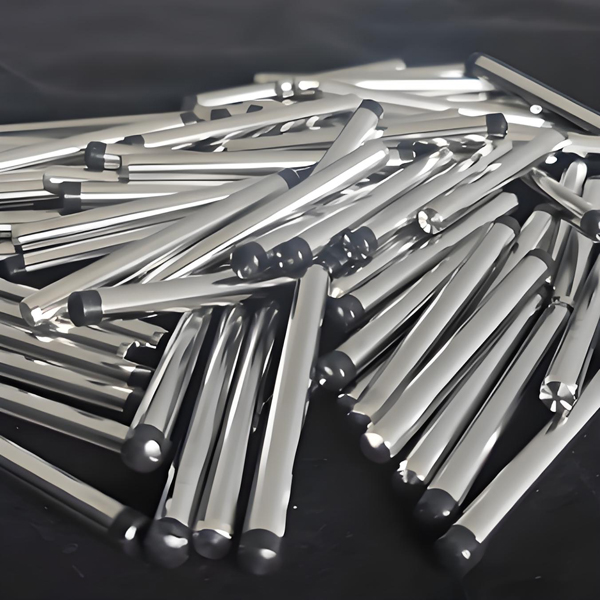
1. High-Quality Raw Materials Our raw materials are primarily sourced from renowned steel mills such as Jiangsu BOS Hydraulic Technology Co., Ltd., Baosteel, Ansteel, and Changjiang Steel Pipe.
2. Advanced Production Equipment Our manufacturing facilities include cold drawing machines, honing machines, skiving and roller burnishing machines, straightening equipment,polishing machines, heat treatment furnaces, grinding machines, and more.
3. Rich production experience, strict quality control We implement a professional internal quality control system to conduct comprehensive inspections on all products.
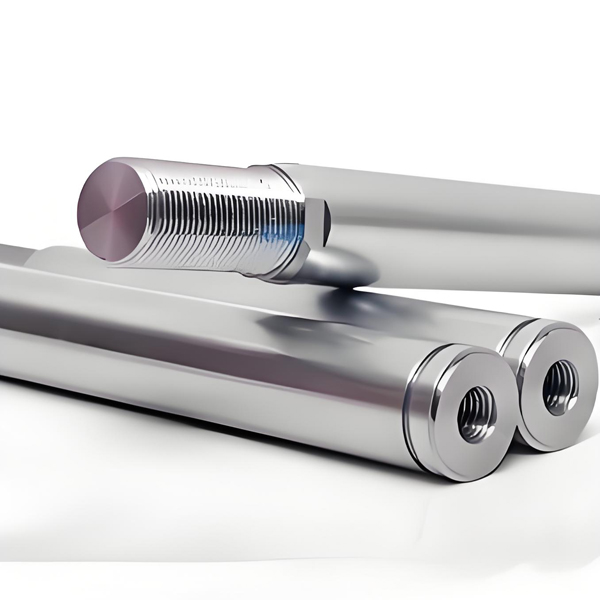
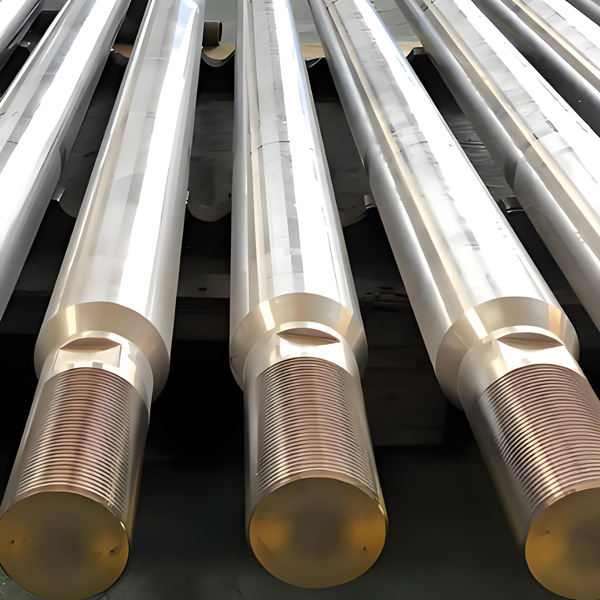
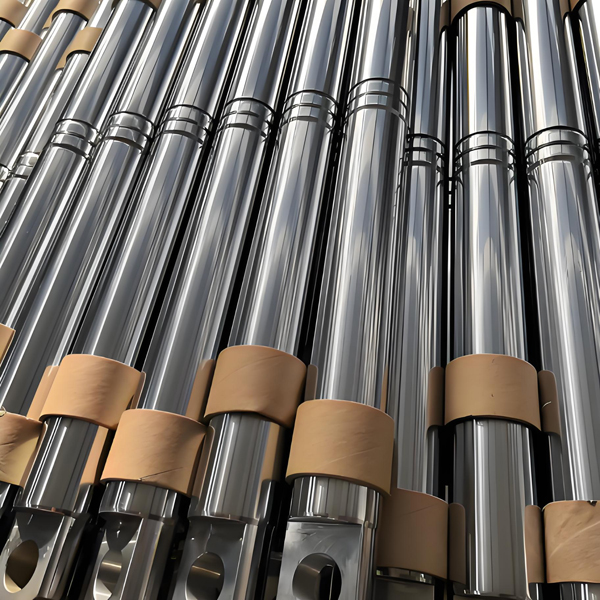
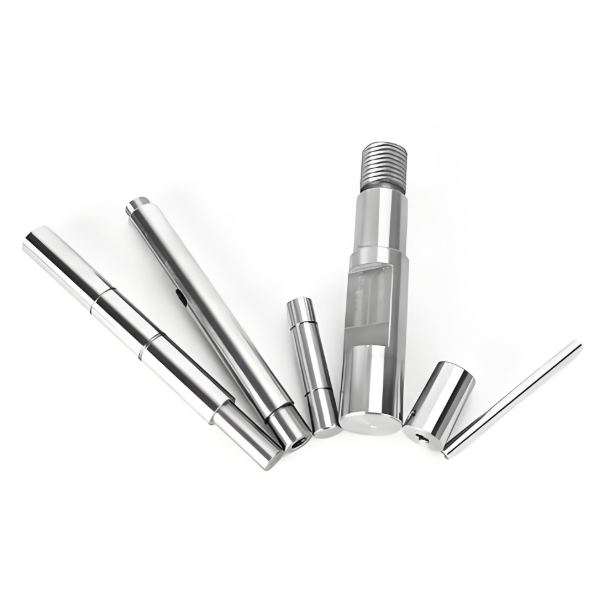

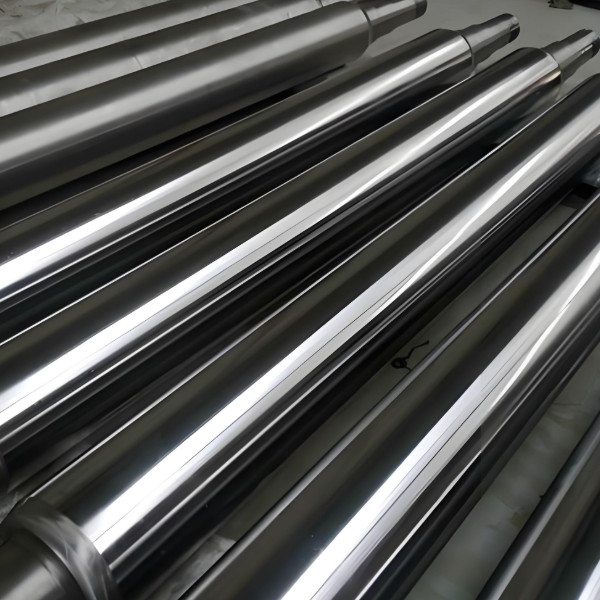
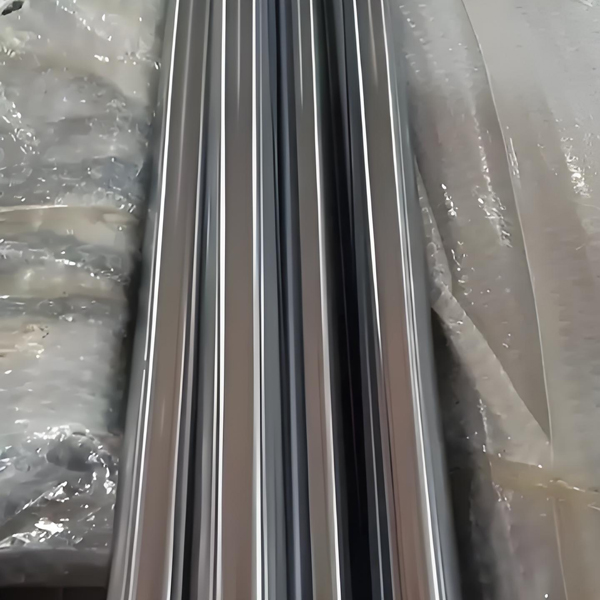
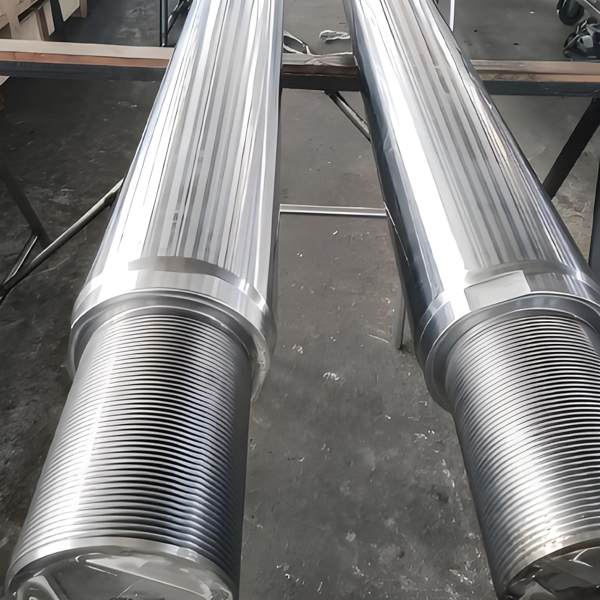
High precision polished piston rods are key components in hydraulic and pneumatic systems, and their performance directly determines the reliability, lifespan, and work efficiency of the equipment. It has become an indispensable core component in the field of industrial automation by maintaining stable motion accuracy and wear resistance under specific working conditions
Ultimate surface quality: After precision polishing treatment, the surface roughness can reach Ra0.1-0.8 μ m, and some can even achieve a super smooth surface with Ra ≤ 0.2 μ m, greatly reducing the frictional resistance during movement.
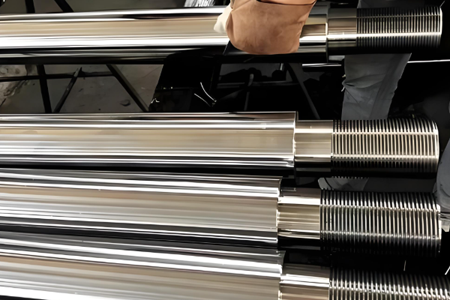
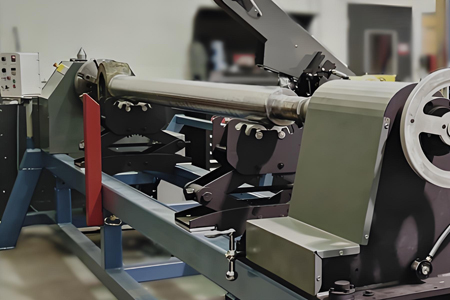
Extraordinary surface hardness: Through high-frequency quenching or surface chrome plating treatment, the surface hardness can reach HRC58-64 or HV700-1150, which is more than 30% higher than the wear resistance of ordinary piston rods.
Excellent corrosion resistance: The thickness of the chrome plating layer is usually 0.015-0.035mm, and some can achieve a level of 720 hours without corrosion in salt spray testing through special treatment.
Precise structural characteristics: The straightness is controlled at 0.05-0.10mm/m or even higher, and the radial runout tolerance is only 0.02-0.05mm, ensuring smooth and error free motion.
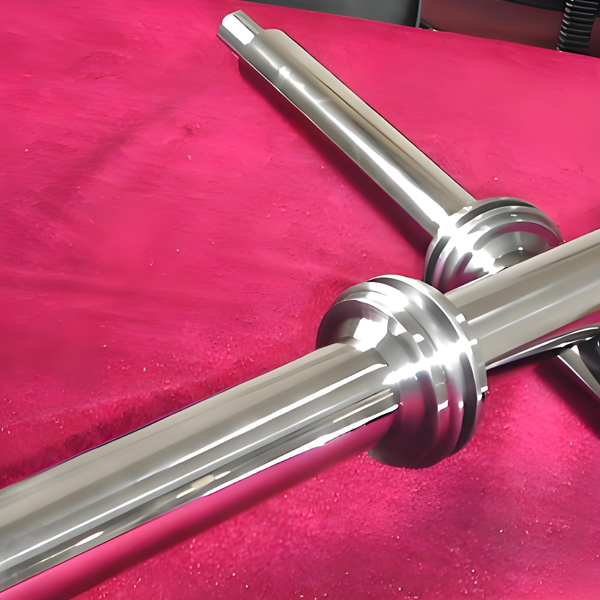
High precision polished piston rod is a connecting component that supports piston work. It is mostly used in oil cylinders and cylinder motion execution components, and is a frequently moving and technically demanding moving component
High precision polished piston rods can adapt to various complex working environments:
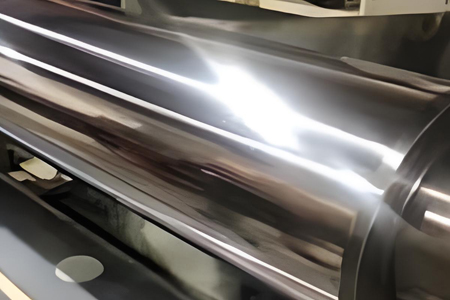
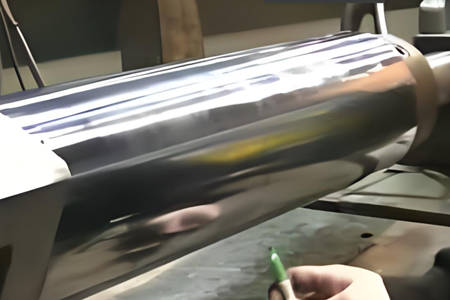
High load conditions: Through tempering treatment and surface nitriding, the hardness of the piston rod core is 28-32HRC, and the surface hardness reaches 62-65HRC, which is both tough and wear-resistant.
Alternating load environment: Rolling processing forms residual compressive stress on the surface, which helps to delay the generation and expansion of fatigue cracks and increase fatigue strength by 25%.
Corrosive working conditions: The thick chrome plating layer and precision polished surface form a protective barrier, which can resist the erosion of hydraulic oil, chemicals, and humid environments.
Extreme temperature scenarios: From refrigeration equipment to high-temperature industrial furnaces, special material formulations and heat treatment processes ensure the stability of piston rods at different temperatures.
High frequency quenching principle: Place the piston rod in an inductor formed by winding a hollow copper tube, and apply high-frequency alternating current to form an induced current of the same frequency on the surface, quickly heating the surface to 800-1000 ℃ and then rapidly cooling it to achieve high hardness.
Principle of Rolling Processing: Utilizing the cold plasticity characteristics of metals at room temperature, a rolling tool is used to apply a certain pressure to the surface, causing plastic flow of the surface metal and filling it into the original residual low concave valleys, reducing surface roughness.
Accuracy guarantee mechanism: Adopting a unified benchmark principle with two center holes for positioning, combined with the use of follower and center frames, to overcome the problems of poor rigidity and easy deformation of slender shaft parts.
Hydraulic and pneumatic systems: As key moving components in various types of oil cylinders and cylinders, their service life is 2-3 times longer than that of ordinary piston rods.
Construction machinery: In the boom system of excavators, chrome plated piston rods that have undergone special treatment maintain over 92% of their initial performance even after 2000 hours of continuous operation.
Textile and printing and dyeing machinery: The ± 0.05mm precision control of the piston rod ensures the uniformity of fabric processing.
Plastic injection molding equipment: used for injection molding machine guide rods, top rods, and four column press guide columns, with friction resistance characteristics that extend the service life of seals.
Modern office equipment: guide shafts for modern office machinery such as fax machines and printers.
High end precision manufacturing: fields that require ultra-high precision motion, such as semiconductor equipment and optical instruments.
The life cycle cost has been significantly reduced: although the initial investment is high, the overall service life of the oil cylinder has been increased by 2-3 times, reducing replacement and shutdown losses.
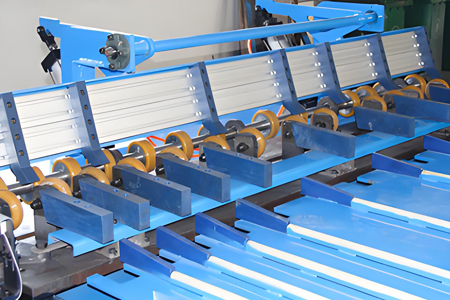
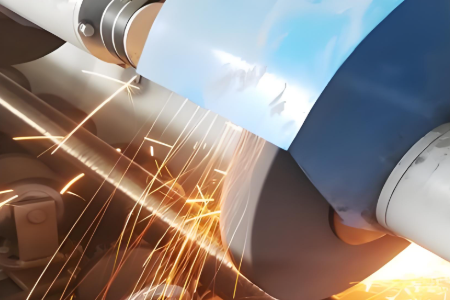
Energy efficiency improvement: The reduction of surface roughness value reduces the frictional damage to the seals during piston movement, while also reducing power consumption.
Wide process adaptability: Manufacturers usually provide flexible customization services, which can adjust coating parameters according to special working conditions or design irregular structures.
Significant reduction in maintenance costs: Excellent wear resistance extends the lifespan of the sealing system, reducing maintenance frequency and accessory replacement costs.
Production efficiency improvement: The rolling process is about 15 times more efficient than the grinding process, which helps to shorten the delivery cycle.
The technological evolution of high-precision polished piston rods is moving towards greater precision, intelligence, and environmental friendliness
The application of new polishing technology: Advanced processes such as magnetorheological (MR) polishing technology will gradually become popular, which can meet the strict precision requirements of industries such as aerospace, electronics, and healthcare.
Intelligent manufacturing: Intelligent polishing machines that integrate real-time monitoring, automatic compensation, and process databases will reduce reliance on operator experience and improve the consistency of batch products.
Application of composite materials: Special composite materials that can adapt to different working conditions will gradually replace traditional steel, balancing weight, strength, and wear resistance.
Integration of ultra precision machining technology: Combining ultra precision machining systems to achieve sub micron machining accuracy, meeting the extreme requirements of high-end optical components, semiconductor equipment and other industries.
Green manufacturing concept: Equipment manufacturers pay more attention to environmentally friendly manufacturing practices, combined with the needs of sustainable development.