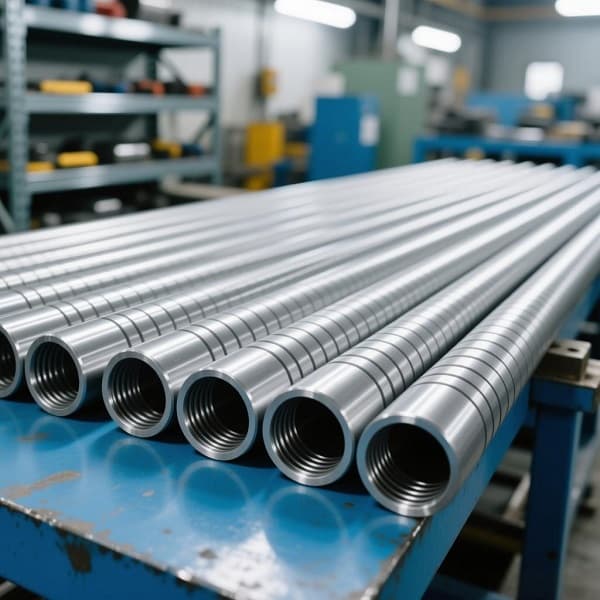
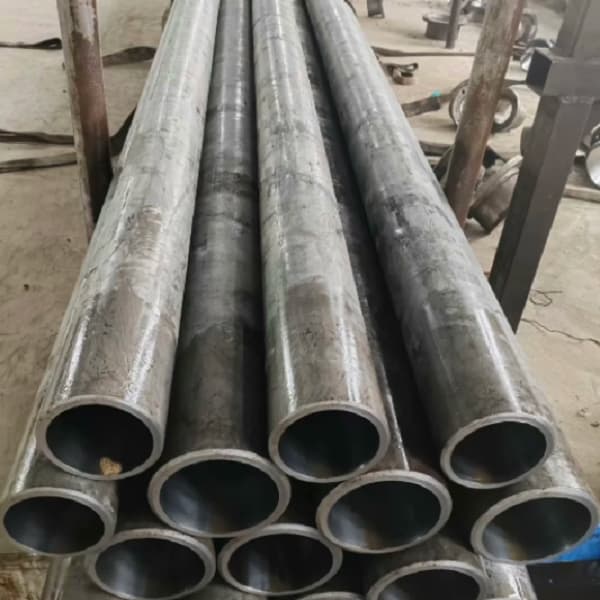
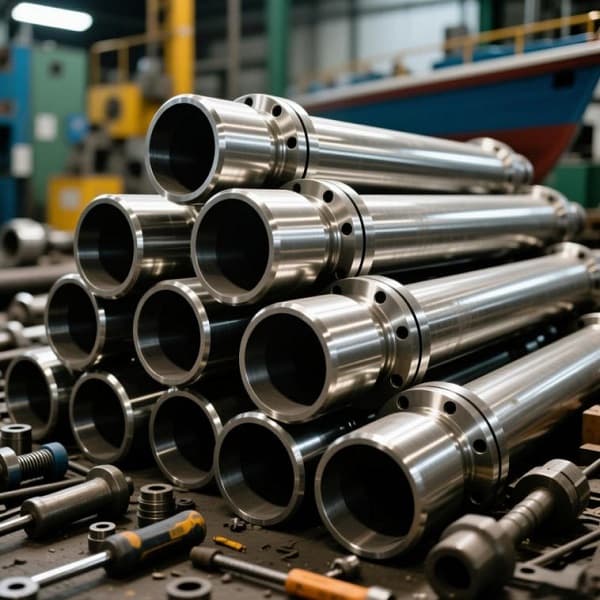
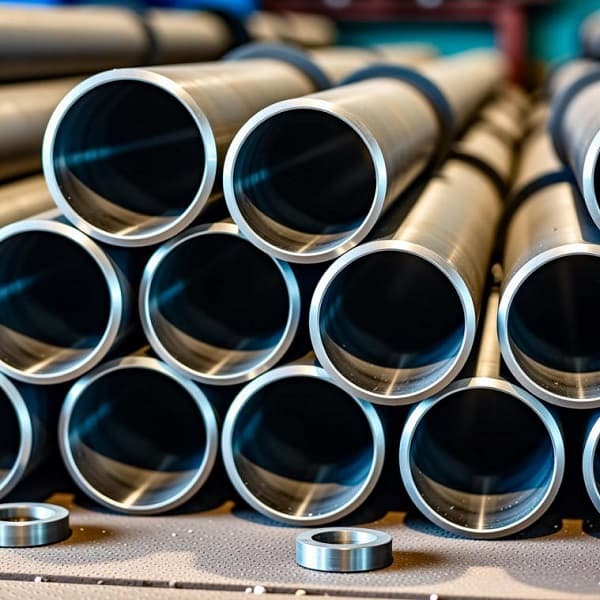
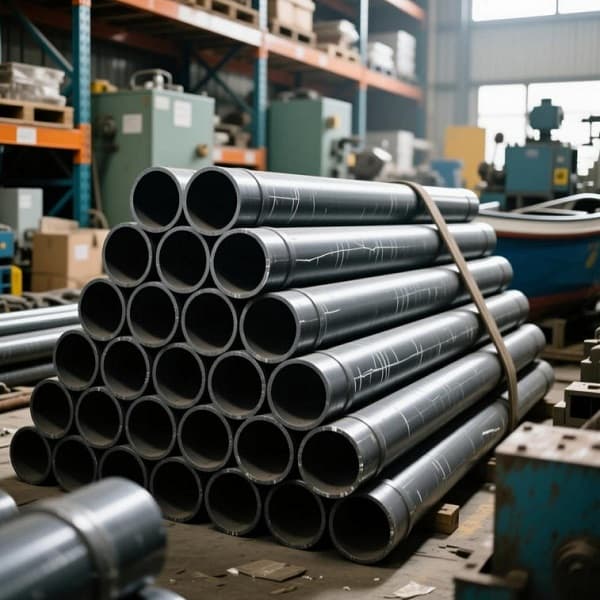
1. High-Quality Raw Materials Our raw materials are primarily sourced from renowned steel mills such as Jiangsu BOS Hydraulic Technology Co., Ltd., Baosteel, Ansteel, and Changjiang Steel Pipe.
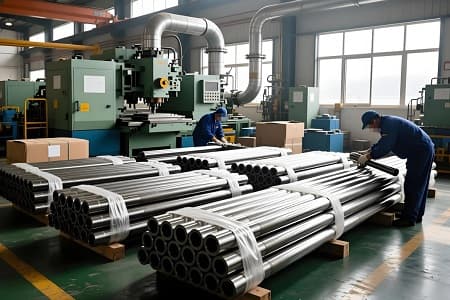
2. Advanced Production Equipment Our manufacturing facilities include cold drawing machines, honing machines, skiving and roller burnishing machines, straightening equipment,polishing machines, heat treatment furnaces, grinding machines, and more.
3. Rich production experience, strict quality control We implement a professional internal quality control system to conduct comprehensive inspections on all products.
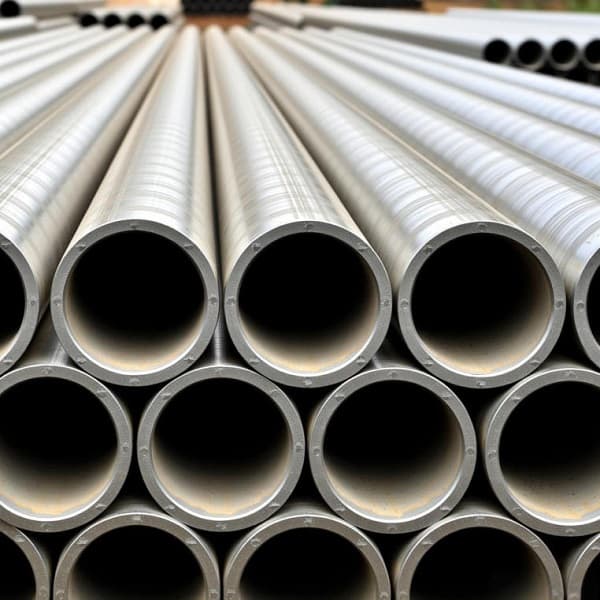
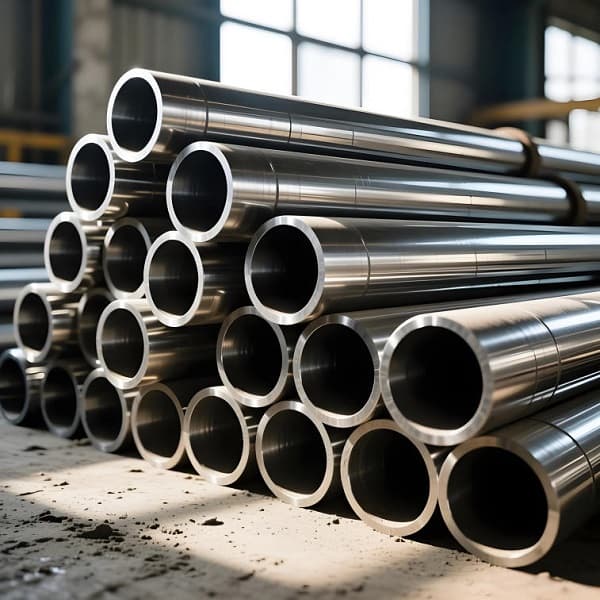
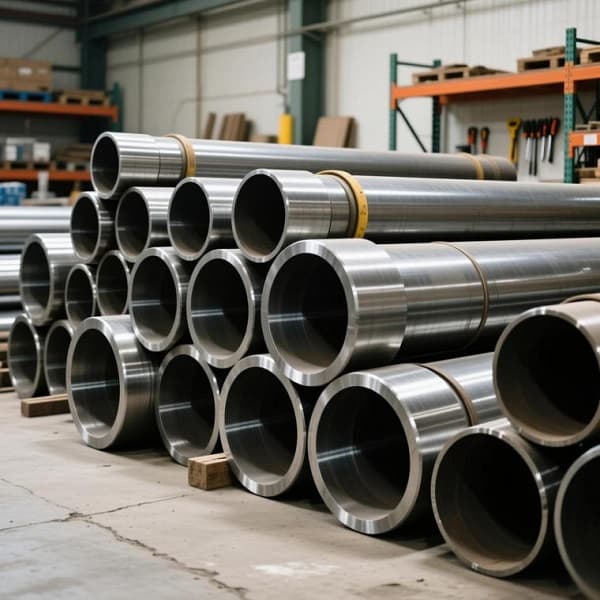
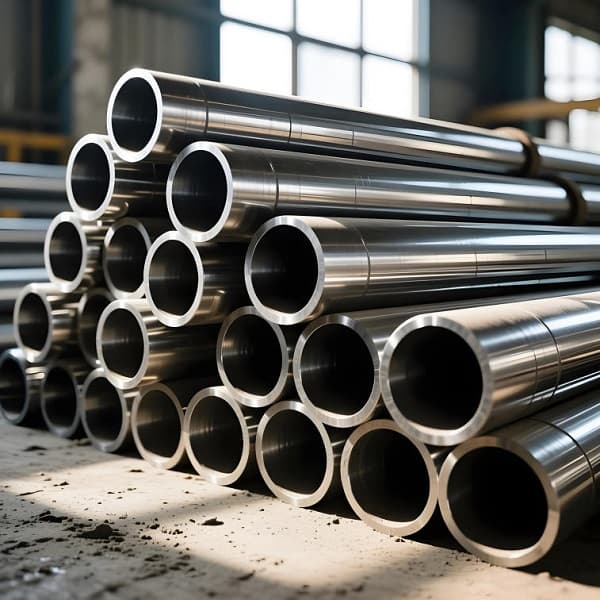
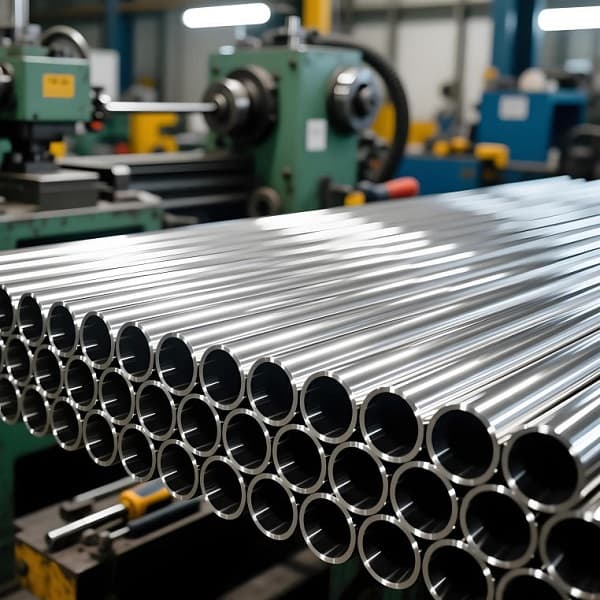
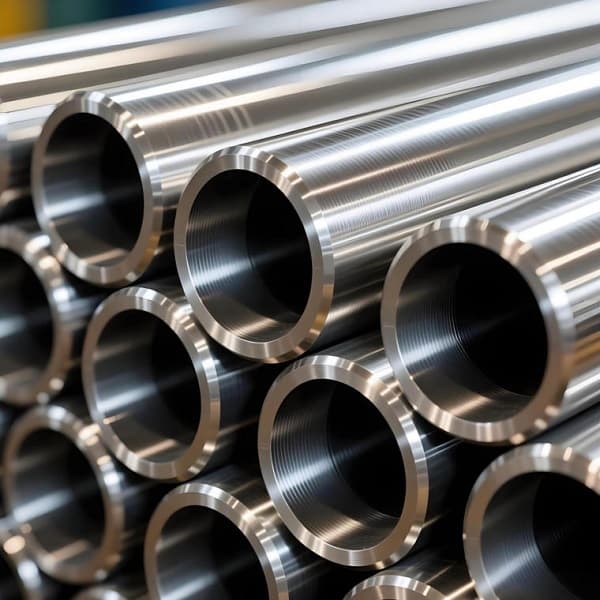
In the marine and shipbuilding industries, Marine Hydraulic Honed Tube (Marine Hydraulic Honed Tube), a key component of hydraulic systems, is an indispensable core element in various marine equipment and offshore machinery due to its exceptional precision, superior surface quality, and excellent corrosion resistance. This specially processed tubing achieves exceptional dimensional accuracy and surface finish through a honing process, providing a reliable solution for the harsh marine environment.
Marine hydraulic honed tubes are precision-honed steel tubes designed specifically for use in ship and vessel hydraulic systems. Honing is a finishing process that uses polishing stones and sandpaper to remove small amounts of material to achieve extremely precise inner diameter dimensions and an excellent surface finish. This process results in extremely high dimensional accuracy and very low surface roughness, typically achieving a surface roughness (Ra) of 0.2-0.4μm. These properties make them particularly suitable for critical hydraulic components in ship hydraulic cylinders, offshore platform hydraulic systems, and various other maritime equipment.
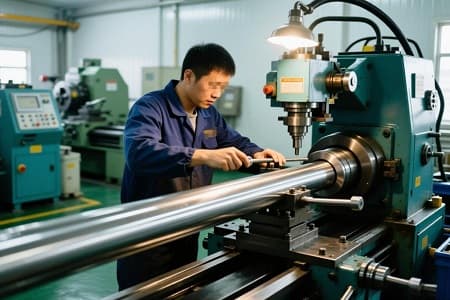
The manufacturing of Marine Hydraulic Honed Tube is a multi-stage precision engineering process. The raw material, typically high-quality carbon steel such as DIN ST52 or SAE1020, is formed into a tube blank through cold drawing or hot rolling. Honing is a key step in ensuring the dimensional accuracy and surface finish of the tube’s inner wall, a process that requires specialized techniques and high-precision equipment.
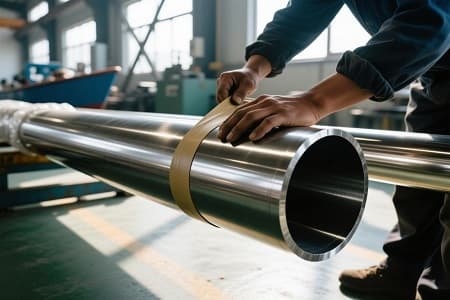
For marine applications, these tubes require enhanced corrosion resistance and durability. After manufacturing, Marine Hydraulic Honed Tube typically undergoes various heat treatments and surface treatments to improve its mechanical properties and corrosion resistance. These treatments may include heat treatments such as normalizing, quenching, and tempering, as well as surface treatments such as chrome plating, phosphating, or coating to ensure it can withstand salt spray corrosion and the harsh operating conditions of the marine environment.
Marine Hydraulic Honed Tube incorporates several superior properties, making it particularly suitable for marine applications:
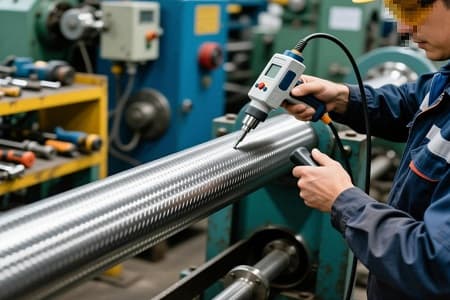
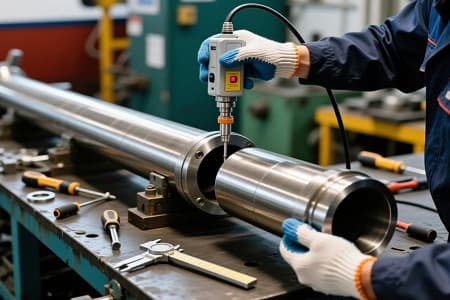
High Precision and Smooth Surface: The honing process ensures the accuracy of the tube’s internal dimensions and surface finish, with a surface roughness of up to 0.2-0.4μm. This reduces friction loss and seal wear, ensuring the sealing performance and motion accuracy of the hydraulic system.
Excellent Corrosion Resistance: Through the selection of special materials and surface treatment, Marine Hydraulic Honed Tube is resistant to corrosion from seawater and the marine atmosphere, making it suitable for long-term operation in harsh marine environments.
High Strength and High Rigidity: The thick-walled design provides excellent structural strength and deformation resistance, capable of withstanding extremely high internal pressures and external loads, ensuring the safety and reliability of marine hydraulic systems under heavy-duty operations.
Long Service Life: Excellent wear and corrosion resistance significantly extends the maintenance intervals and service life of hydraulic systems, reducing equipment downtime and improving the operational efficiency of marine engineering projects.
Shock Resistance: The tube can withstand the vibration and shock loads found in marine environments, maintaining the stability and reliability of the hydraulic system.
Marine Hydraulic Homogenized Tube plays a key role in a variety of offshore engineering equipment and ship systems:
Marine Hydraulic Systems: As the primary material for hydraulic cylinders in steering gear systems, deck machinery, and hatch covers, it is widely used in a variety of commercial and military vessels. Its precise inner diameter and smooth surface ensure the reliability and efficiency of hydraulic systems.
Offshore Platform Equipment: It is crucial in the hydraulic systems of offshore drilling platforms, production platforms, and wind turbine installation vessels, serving as hydraulic actuators for lifting systems, mooring systems, and drilling equipment.
Subsea Operation Systems: The hydraulic systems used in remotely operated underwater vehicles (ROVs), underwater production systems, and subsea pipeline repair equipment are designed to withstand the high pressures and corrosive conditions of deep-sea environments.
Port Machinery: As a key actuator in the hydraulic systems of port cranes, container handling equipment, and channel dredging equipment, it withstands high pressures and frequent operation, ensuring the continuity and reliability of port operations.
Marine Rescue Equipment: Specialized hydraulic systems used in salvage vessels, rescue ships, and firefighting boats provide reliable power output in emergencies.
The production of Marine Hydraulic Honed Tube for use in marine environments presents several unique technical challenges:
The high salinity, high humidity, and microbial environment in the marine environment place extremely high demands on the material’s corrosion resistance. Offshore engineering equipment often withstands greater shock loads and fluctuating pressures, which places even higher demands on the fatigue performance of the tubing. Manufacturers have developed a variety of innovative solutions to address these challenges:
Using high-strength, corrosion-resistant materials such as special alloy steels and stainless steels; developing specialized surface treatment technologies for seawater environments, such as enhanced chrome plating and specialized coatings; optimizing heat treatment processes to enhance the material’s overall mechanical properties and corrosion resistance; and maintaining stringent quality control and testing standards to ensure the product meets the demanding requirements of marine applications.
Quality control for Marine Hydraulic Honed Tube encompasses multiple aspects to ensure it meets the stringent requirements of marine applications:
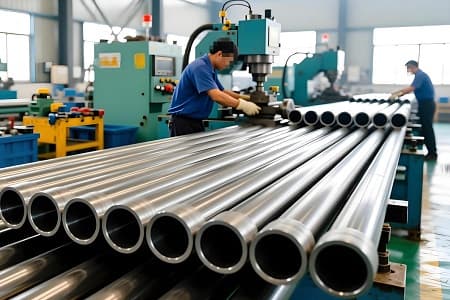
Dimensional accuracy control includes parameters such as inner diameter tolerance, wall thickness uniformity, straightness, and roundness. Honed tubing for marine hydraulic applications typically requires an inner bore accuracy of H8, H9, or H10, with straightness controlled within a certain range.
Surface quality testing includes surface roughness measurement, coating thickness testing, and porosity inspection. The surface treatment layer must be uniform and continuous, free of defects such as cracks and flaking, to ensure the hydraulic system’s sealing performance and durability.
Mechanical property testing includes hardness testing, compressive strength testing, and pressure resistance testing to ensure the pipe can withstand the designed operating pressure and environmental stresses. For marine applications, corrosion and fatigue testing are often required to simulate actual marine operating conditions.
In terms of industry standards, marine hydraulic hose pipes generally adhere to international standards such as DIN2391, DIN17175, EN10305, and ISO8535, as well as various maritime industry-specific specifications and requirements, such as classification society certification standards.
With the continuous expansion of global marine resource development and the continuous advancement of marine engineering technology, the demand for marine hydraulic hose pipes is showing a steady growth trend. Future development trends include:
Material Innovation: Developing higher-strength and more corrosion-resistant material systems, such as duplex stainless steel, nickel-based alloys, and specialty steels, to further optimize pipe performance and meet the extreme demands of deepwater applications.
Process Optimization: Improving honing and surface treatment processes will increase production efficiency and product consistency, reduce production costs, and enhance product performance and quality stability.
Intelligent Manufacturing: Introducing automated and intelligent manufacturing processes to improve product consistency and quality stability, enabling precise control and real-time monitoring of the production process.
Environmentally Friendly Technologies: Utilizing more environmentally friendly surface treatment processes to reduce environmental impact while improving product durability and recyclability.
Customized Solutions: Developing honed pipe products optimized for specific applications and equipment types to meet the individual needs of the offshore engineering industry.