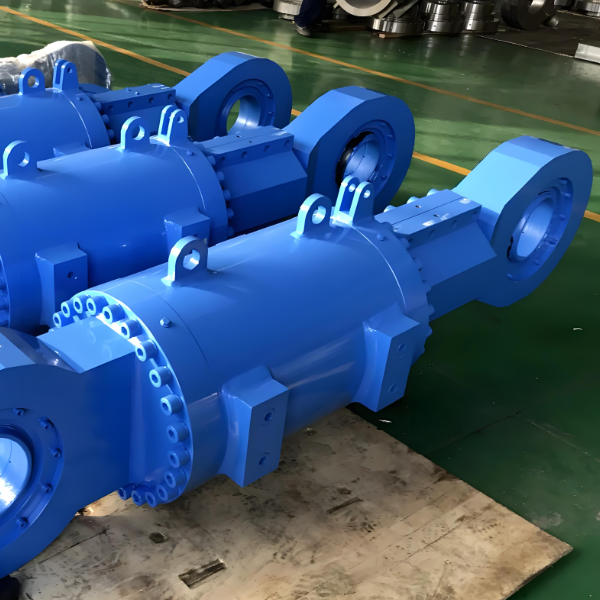
1. High-Quality Raw Materials Our raw materials are primarily sourced from renowned steel mills such as Jiangsu BOS Hydraulic Technology Co., Ltd., Baosteel, Ansteel, and Changjiang Steel Pipe.
2. Advanced Production Equipment Our manufacturing facilities include cold drawing machines, honing machines, skiving and roller burnishing machines, straightening equipment,polishing machines, heat treatment furnaces, grinding machines, and more.
3. Rich production experience, strict quality control We implement a professional internal quality control system to conduct comprehensive inspections on all products.
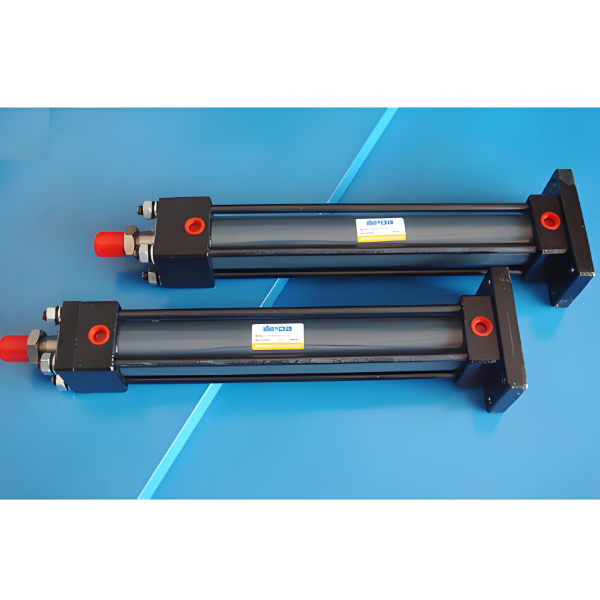
The plunger hydraulic cylinder is a key and unique actuator in hydraulic systems, known for its simple structure, enormous thrust, durability, and reliability. It plays an irreplaceable role in many overloaded and long-distance application scenarios.
high thrust: hydraulic oil only enters from one end, pushing the plunger to extend in one direction. The return journey relies on external forces (such as self weight or springs). This structure enables it to concentrate all hydraulic pressure on the plunger end face, achieving maximum output thrust.
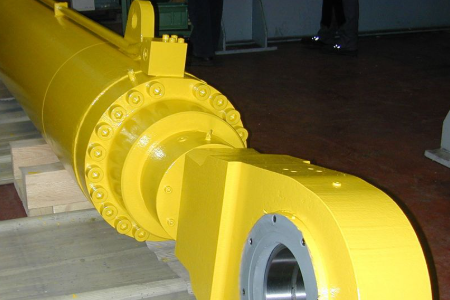
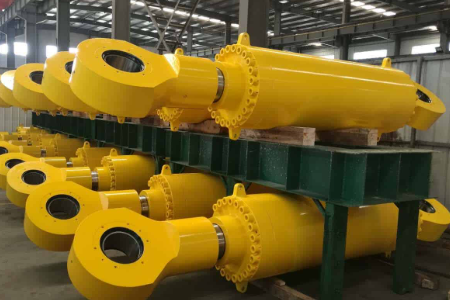
Simple structure, sturdy and durable: Compared with piston cylinders, plunger cylinders have a simpler internal structure and no complex internal seals (only guide sleeves and seals at the cylinder inlet). The plunger itself has high strength and can withstand heavy loads and impact loads.
Proficient in long stroke: Due to the sufficient support of the plunger outside the cylinder body and its solid rod, it has high bending strength and is very suitable for long stroke applications, without easily bending like slender piston rods.
Easy maintenance: The seals are concentrated in the guide sleeve of the cylinder head. Once a leak occurs, it is very convenient to repair or replace the seals, usually without removing the entire cylinder block from the equipment.
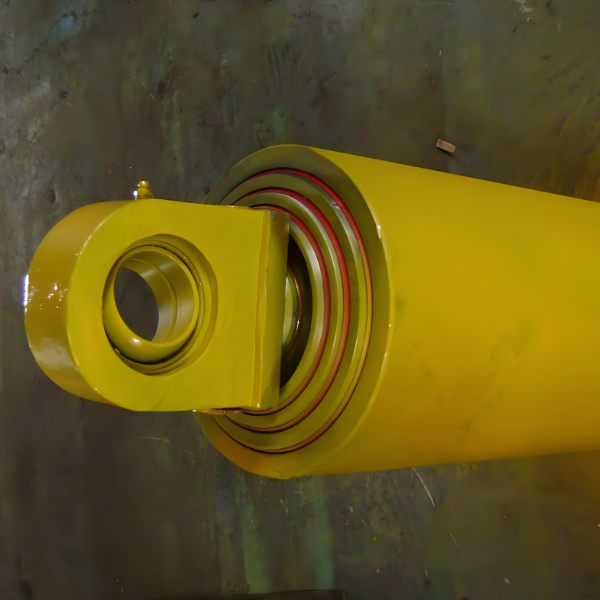
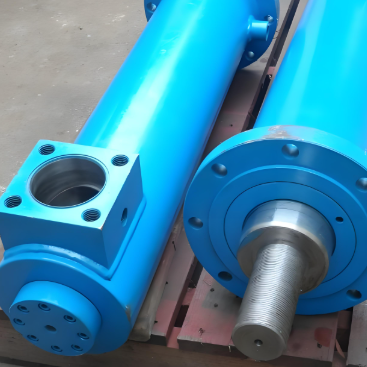
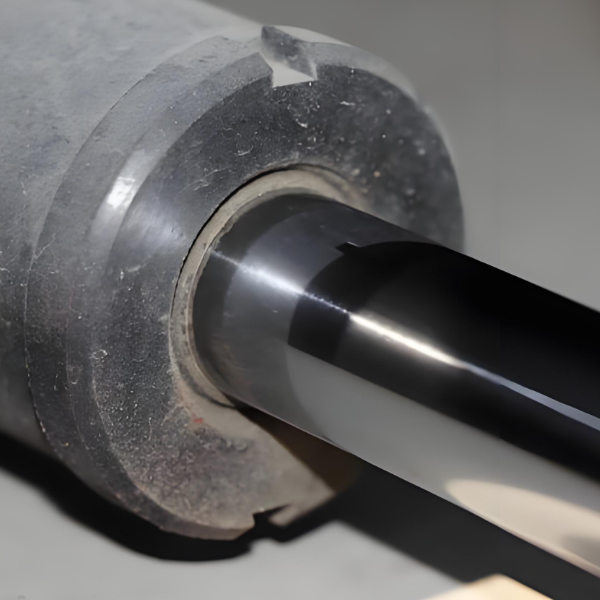
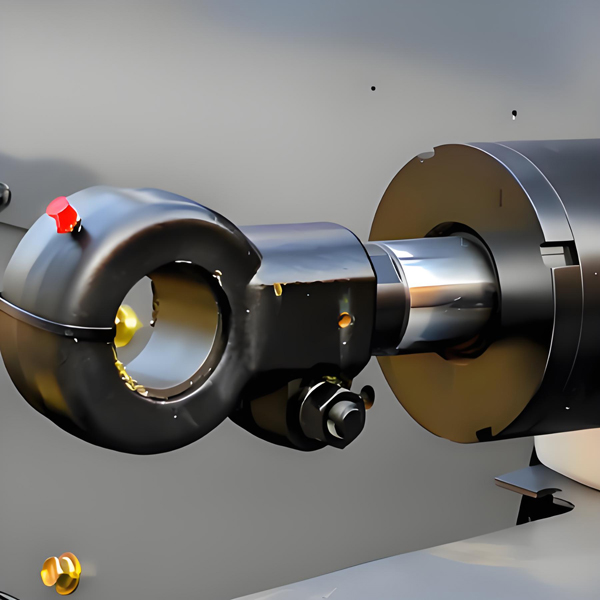
A plunger hydraulic cylinder is an actuator that converts hydraulic energy into linear mechanical force. Its core structure consists of a cylinder barrel, a solid plunger rod, a cylinder head/guide sleeve (containing seals and dust rings), and inlet and outlet ports.
The design of the plunger hydraulic cylinder enables it to easily cope with various harsh and variable working conditions:
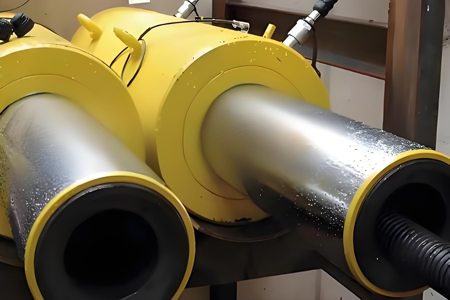
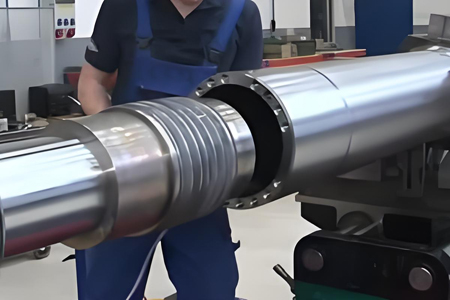
Heavy duty condition: With its solid plunger rod, it can withstand extremely high pressure and is commonly used in jacks, presses, etc.
Long range operating conditions: Excellent performance in equipment that requires long-distance transportation, such as construction machinery (such as pile drivers) and large machine tools.
Harsh environment: Simple structure means fewer failure points, seals are easy to protect, and can work stably in environments with high dust and humidity.
Vertical installation: The most common installation method utilizes the self weight of the load to achieve return, perfectly fitting its working mode.
Its working principle is based on Pascal’s law and is a typical process of “hydraulic pressure mechanical force” conversion:
Extension process: The hydraulic pump presses high-pressure oil into the bottom of the cylinder through the oil port. The hydraulic pressure acts on the end face of the plunger, generating a huge pushing force. This force overcomes external loads, pushes the plunger outward, and lifts the heavy object.
Retraction process: When the plunger needs to retract, the system control valve cuts off or releases the oil pressure. At this point, relying on external forces (such as the self weight of the lifted load, the elastic force of the attached spring, or the action of another hydraulic cylinder) to push the plunger to move in the opposite direction, the oil in the cylinder is discharged back to the oil tank.
The entire process is concise and efficient, with direct energy conversion.
Construction machinery: hydraulic jacks, pile drivers, jacking equipment, crane legs.
Metallurgical industry: adjustment mechanism for ladle elevators and steel rolling equipment.
Heavy duty machine tools: the main power cylinder of presses and bending machines.
Shipbuilding industry: servos, hatch opening and closing devices.
Water conservancy and hydropower: gate opening and closing machine.
Car lifting: four column lift, car maintenance trench.
Cost effectiveness: Simple structure means lower manufacturing and maintenance costs.
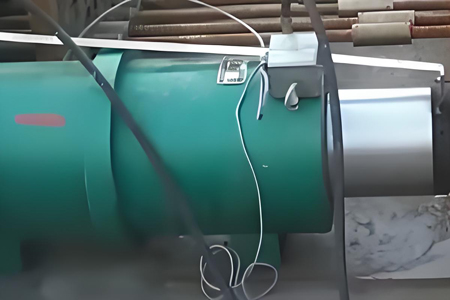
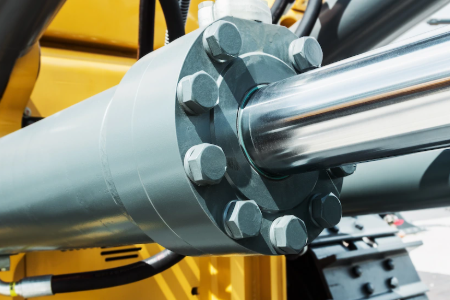
Thrust requirement: When the primary requirement of the application scenario is a huge one-way thrust, it is the most efficient choice.
Space and Travel: In situations where space allows and long vertical lifting is required, it is the best solution.
Reliability requirement: Its simple structure provides assurance in harsh operating conditions that require high reliability and easy maintenance.
Natural return force: When the self weight of the load or the structure of the equipment can provide reliable return force, there is no need for a complex double acting system.
With the advancement of industrial technology, plunger hydraulic cylinders are also constantly evolving, and the future development trend is mainly reflected in:
Materials Science and Lightweight: Adopting new materials such as high-strength alloys and composite materials to reduce self weight and improve energy efficiency while ensuring load-bearing capacity.
Surface treatment technology: more advanced coatings (such as ceramic coatings, composite coatings) and heat treatment processes are used to significantly improve the wear resistance, corrosion resistance, and scratch resistance of the plunger surface, extending its service life.
Intelligence and state monitoring: Integrated sensors (such as displacement sensors, pressure sensors) are used to monitor the position, load, and health status of the plunger in real time, achieve predictive maintenance, and interface with the Industrial Internet of Things (IIoT).
Higher working pressure and compact design: In order to meet the demand for higher power density of equipment, plunger cylinders will develop towards higher working pressure and more compact structural design.
Environmental protection and energy conservation: optimizing sealing technology to achieve zero leakage; Adapt to the use of environmentally friendly hydraulic oil (such as biodegradable oil) and reduce its impact on the environment.
In summary, plunger hydraulic cylinders have a solid position in specific industrial application fields due to their design philosophy of “being clever but not working”. It may not be the most complex hydraulic component, but it is one of the most reliable and powerful solutions, continuously driving the operation of heavy industry behind the scenes.