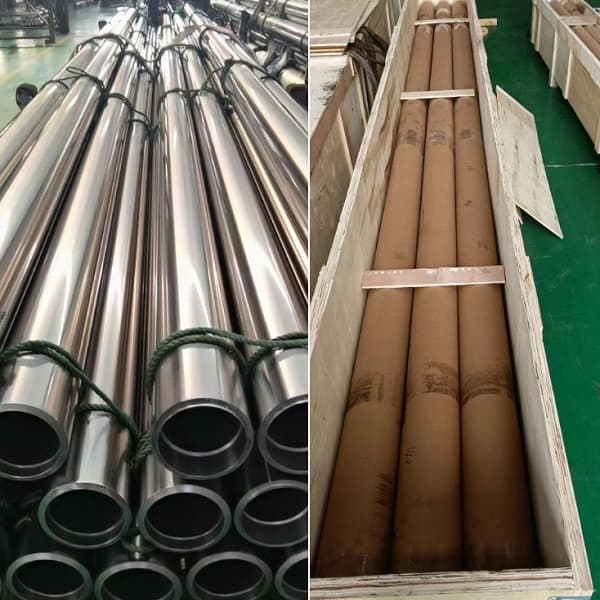
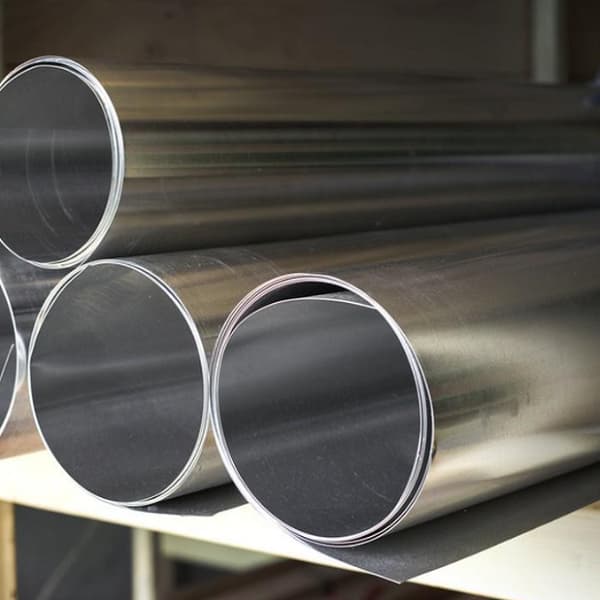
1. High-Quality Raw Materials Our raw materials are primarily sourced from renowned steel mills such as Jiangsu BOS Hydraulic Technology Co., Ltd., Baosteel, Ansteel, and Changjiang Steel Pipe.
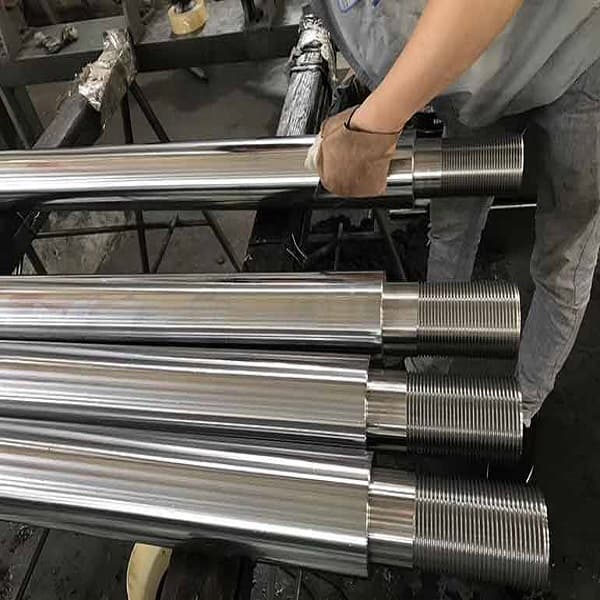
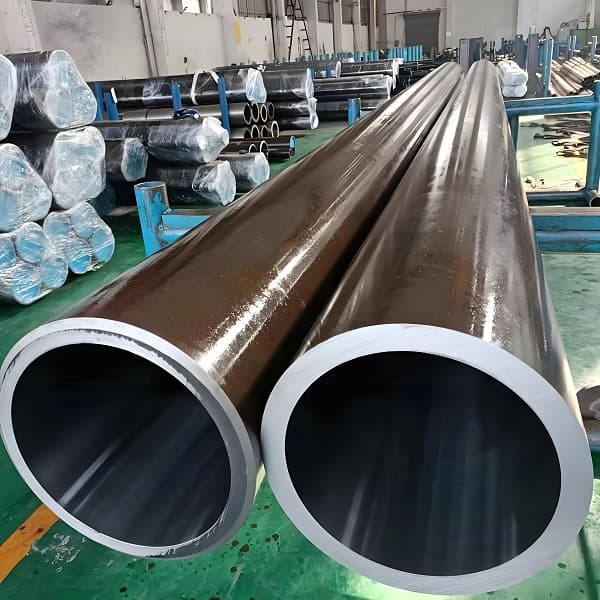
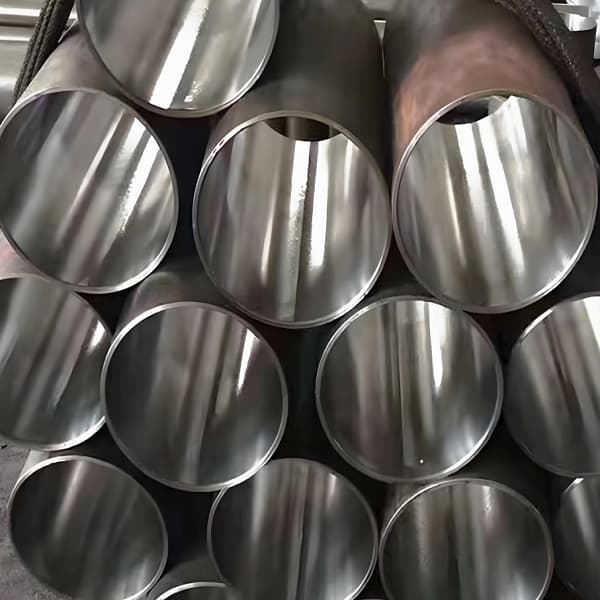
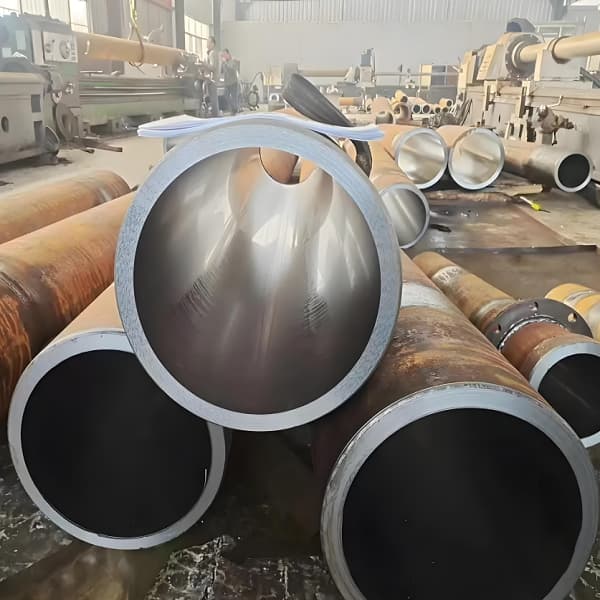
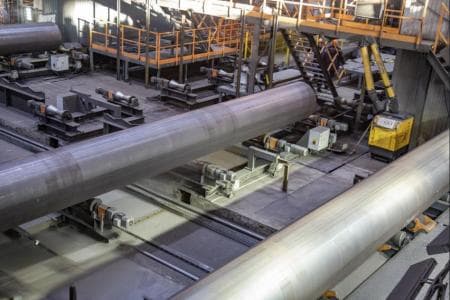
2. Advanced Production Equipment Our manufacturing facilities include cold drawing machines, honing machines, skiving and roller burnishing machines, straightening equipment,polishing machines, heat treatment furnaces, grinding machines, and more.
3. Rich production experience, strict quality control We implement a professional internal quality control system to conduct comprehensive inspections on all products.
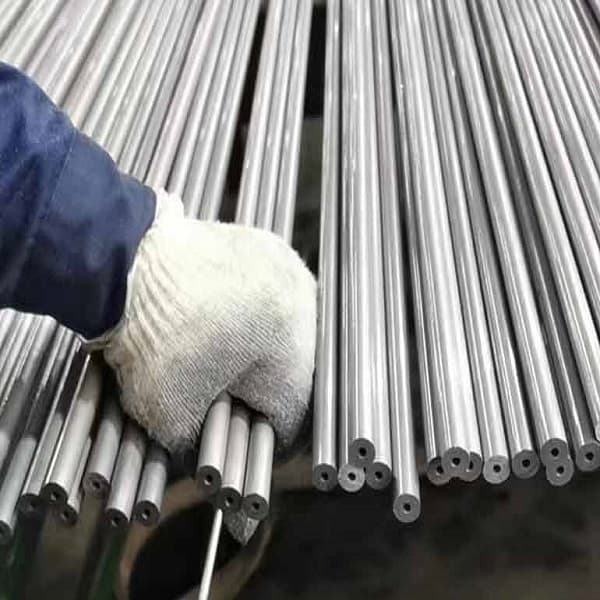
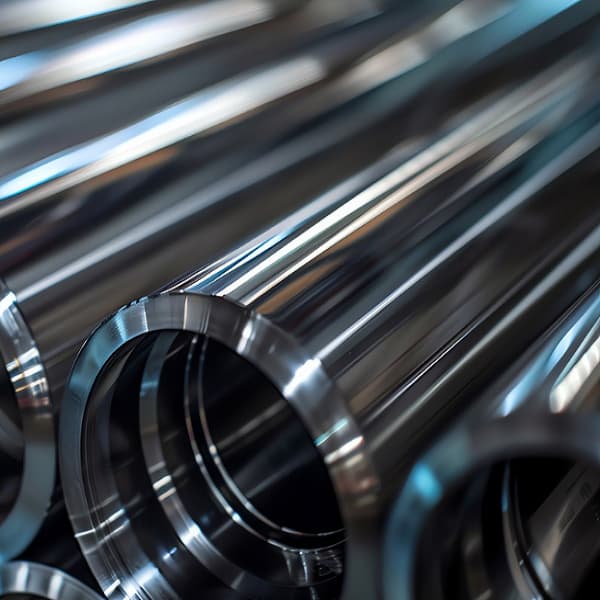
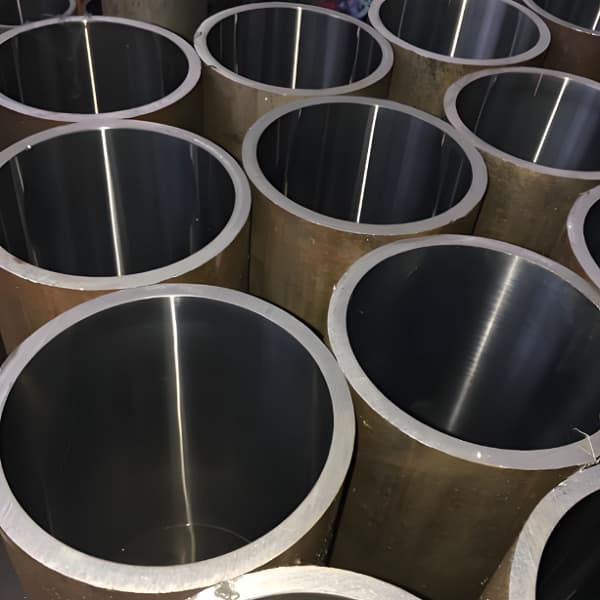
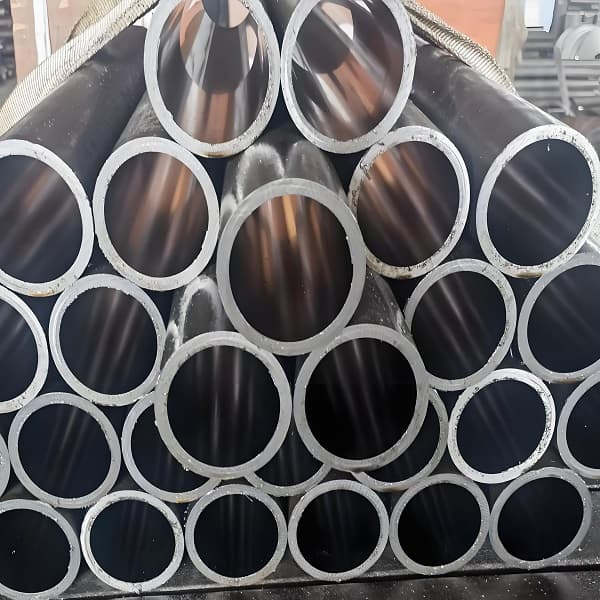
To understand the value of 316LVM stainless steel precision tubes, we must first decode each letter in their name:
316: Designates the stainless steel grade. It belongs to the austenitic stainless steel family and contains molybdenum (Mo), which gives it superior resistance to chloride corrosion and pitting corrosion compared to 304 stainless steel.
L: Stands for "Low Carbon." Its carbon content is strictly controlled to a low level (typically ≤ 0.03%), which greatly reduces the risk of chromium carbide precipitation at grain boundaries during welding or heat treatment, effectively preventing intergranular corrosion and ensuring corrosion resistance in welds.
VM: This is its most fundamental difference from ordinary 316L stainless steel and stands for "Vacuum Melted." This means the steel undergoes a vacuum environment during the smelting process, significantly removing gases (such as oxygen, hydrogen, and nitrogen) and non-metallic inclusions from the material.
Precision Tubes: They have undergone processes such as precision cold drawing, rolling, or honing, resulting in extremely high dimensional accuracy, tight tolerance control, and excellent surface finish and geometry (such as straightness and roundness).
Thus, 316LVM stainless steel Precision Tubes are ultra-low carbon molybdenum alloy stainless steel tubes that are vacuum-melted to achieve extremely high purity and then precision-machined.
Precision Tube Manufacturing: The Transformation from Bar to Perfect Tube
Once you have high-quality 316LVM stainless steel bar, the next step is to transform it into precision tubes through precision machining. This process goes far beyond the production of ordinary seamless steel tubes; it pursues the ultimate in dimensional tolerances, internal and external surface finish, and consistent mechanical properties.
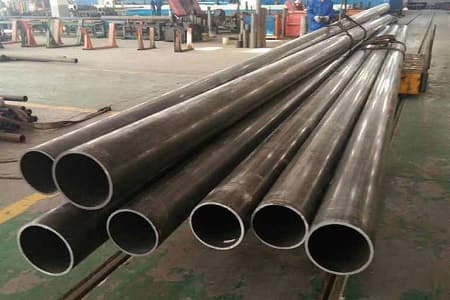
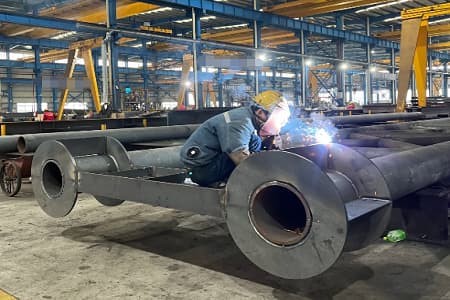
Cold Rolling/Drawing: This is the core forming process. At room temperature, the tube blank is reduced and sized through a series of dies. This process produces work hardening, significantly increasing the material’s strength and hardness while achieving extremely tight dimensional tolerances (outer diameter anda wall thickness) and a superb surface finish.
Bright Annealing: After cold working, the tubing becomes hard and brittle. Annealing is necessary to restore its toughness and eliminate internal stresses. Bright annealing is performed in a vacuum or a high-purity protective atmosphere (such as hydrogen or argon) to prevent oxidation of the tubing surface at high temperatures. This eliminates the need for subsequent pickling and preserves the metal’s original bright, clean surface, which is crucial for preventing any contamination.
Precision Straightening and Cutting: The annealed tubing is then straightened using a precision straightener to ensure perfect straightness. Finally, it is cut to length according to customer specifications using high-speed precision cutting technology, ensuring a smooth, burr-free cut.
Through these precision manufacturing processes, the resulting 316LVM stainless steel precision tubing features extremely tight inner and outer diameter tolerances, uniform wall thickness, mirror-smooth inner and outer surfaces (achieving extremely low Ra values), and excellent straightness.
The Pursuit of Ultimate Purity
For medical implants and certain high-purity fluid systems, even the slightest internal defect can be fatal.
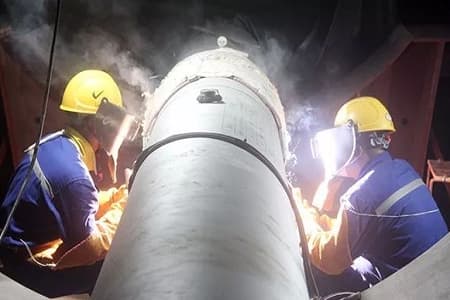
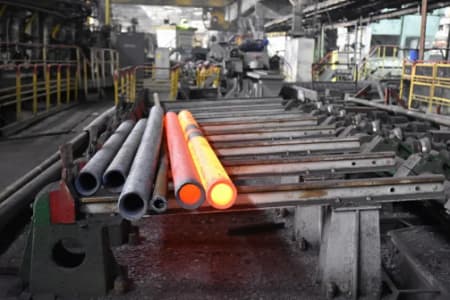
Reducing Non-Metallic Inclusions: Steel produced in conventional electric arc furnaces contains inclusions such as sulfides and oxides. These inclusions can serve as corrosion initiation sites. In the in vivo environment, they can cause localized pitting, release metal ions, or directly reduce the material’s fatigue strength. Vacuum melting (typically using vacuum induction melting (VIM) or combined with electroslag remelting (ESR)) effectively removes these impurities, creating an extremely uniform and clean microstructure.
Extremely Low Gas Content: The vacuum environment removes dissolved gases from the material, reducing the risk of porosity during subsequent processing or use, and further improving the material’s toughness and corrosion resistance.
Excellent Biocompatibility: The material’s exceptional purity ensures excellent biocompatibility during long-term contact with human tissue and blood, minimizing allergic or toxic reactions. This is a prerequisite for passing relevant medical device certifications (such as ISO 13485 and ASTM F138).
Choosing 316LVM stainless steel Precision Tubes means infusing your product with the following core advantages:
Ultimate Purity and Biocompatibility: Meets the most stringent medical implant standards, ensuring safety and reliability.
Excellent Corrosion Resistance: Resists corrosion from body fluids, disinfectants, high-purity chemicals, and chlorides, ensuring a long lifespan.
High Strength and Fatigue Resistance: Suitable for manufacturing small, complex implant components subject to cyclic loading.
Excellent Machinability and Weldability: The low carbon content makes it easier to machine and weld, with stable post-weld performance.
High Precision and Smooth Surface: Ensures unimpeded fluid flow and easy cleaning and sterilization without residue.
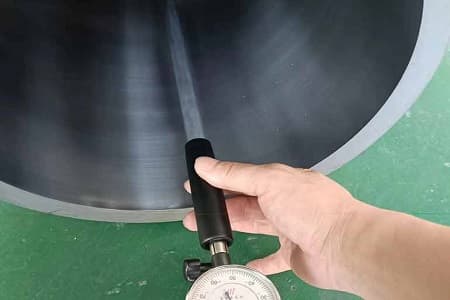
In short, 316LVM stainless steel precision tubing is far more than just ordinary metal tubing. It’s the culmination of cutting-edge materials science and cutting-edge manufacturing techniques, representing one of the highest standards in stainless steel tubing manufacturing. From the exceptional corrosion resistance and biocompatibility of 316LVM stainless steel itself, to the ultimate purity achieved through vacuum melting, to the microscopic dimensional accuracy and macroscopic surface quality achieved through precision cold working and heat treatment, every step demonstrates our unwavering commitment to exceptional quality.