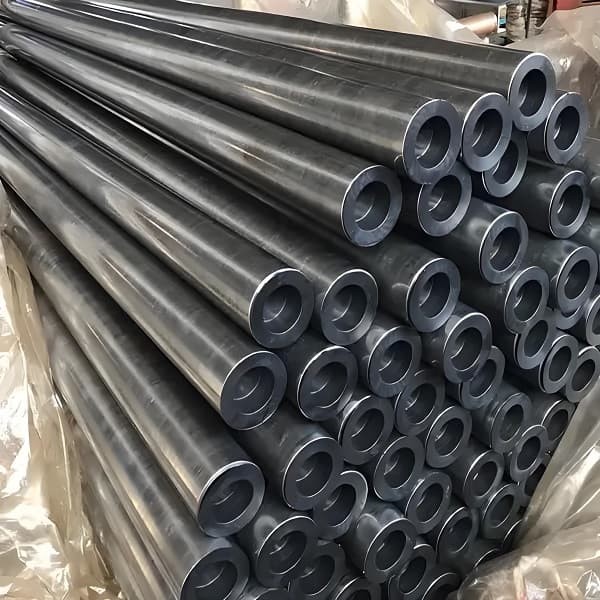
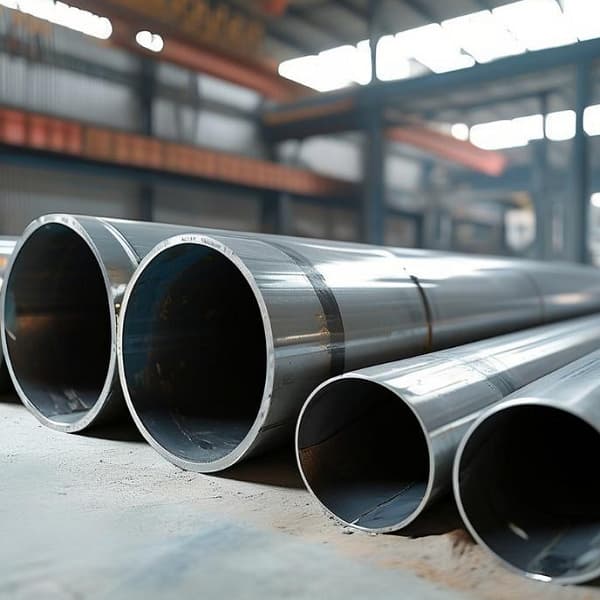
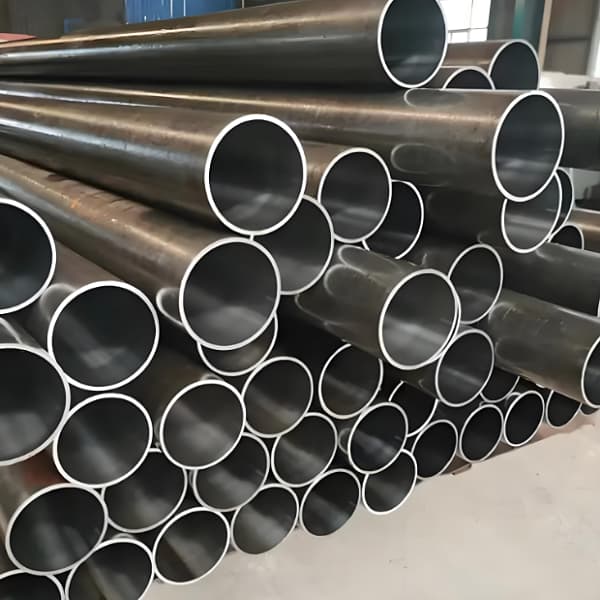
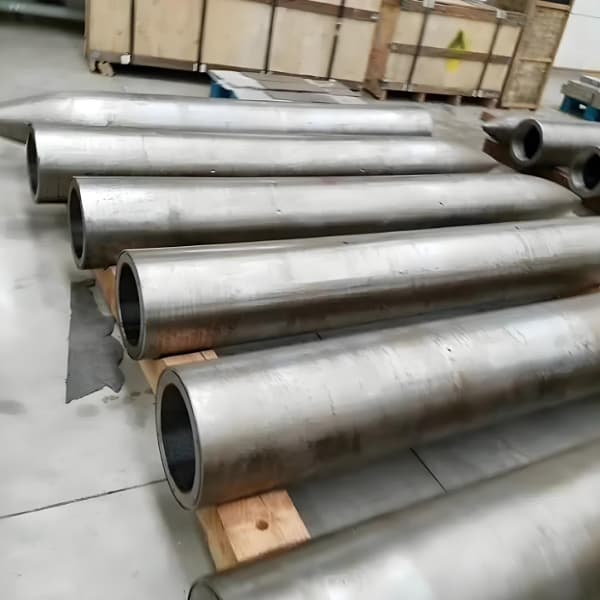
1. High-Quality Raw Materials Our raw materials are primarily sourced from renowned steel mills such as Jiangsu BOS Hydraulic Technology Co., Ltd., Baosteel, Ansteel, and Changjiang Steel Pipe.
2. Advanced Production Equipment Our manufacturing facilities include cold drawing machines, honing machines, skiving and roller burnishing machines, straightening equipment,polishing machines, heat treatment furnaces, grinding machines, and more.
3. Rich production experience, strict quality control We implement a professional internal quality control system to conduct comprehensive inspections on all products.
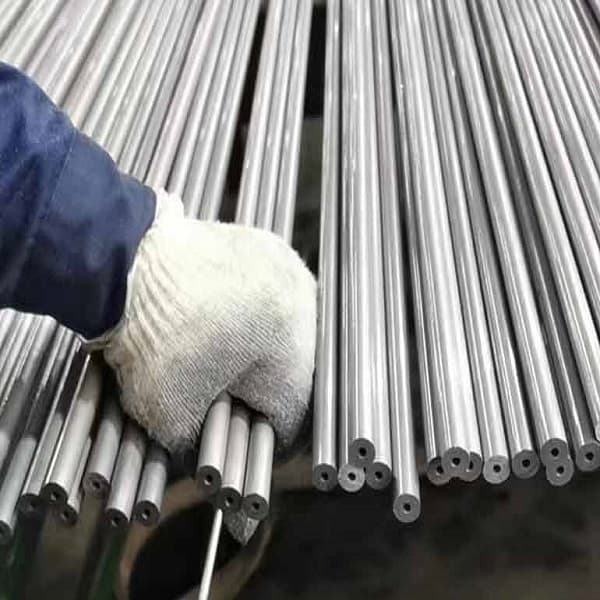
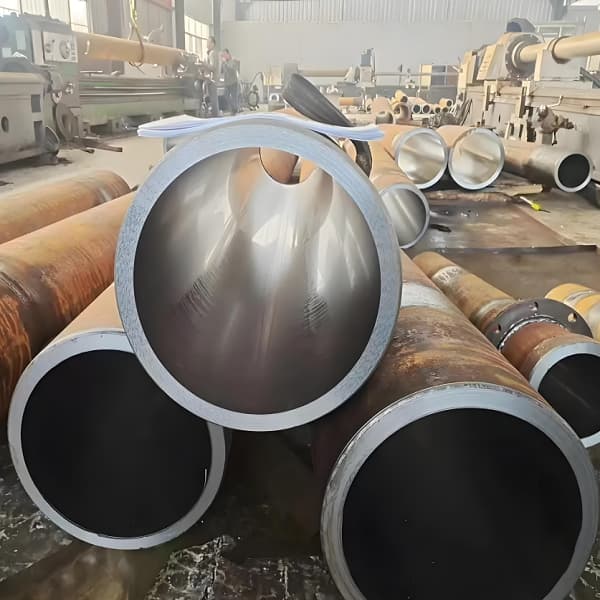
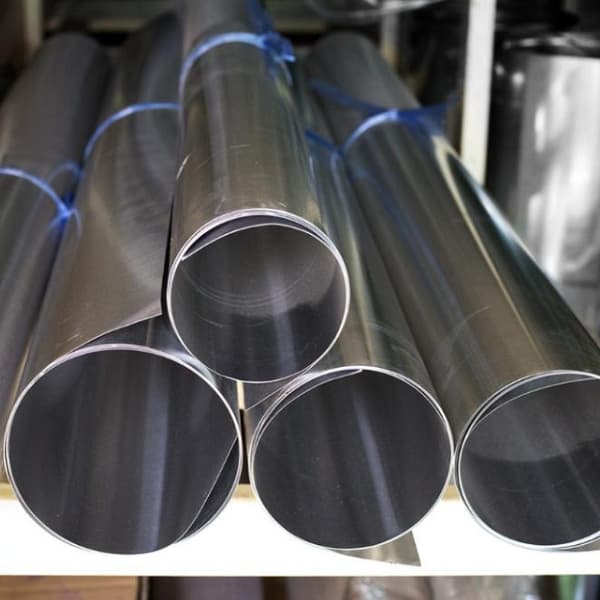
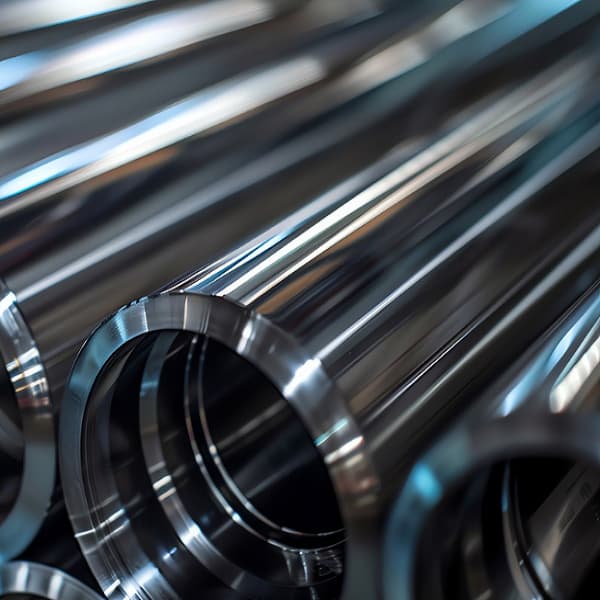
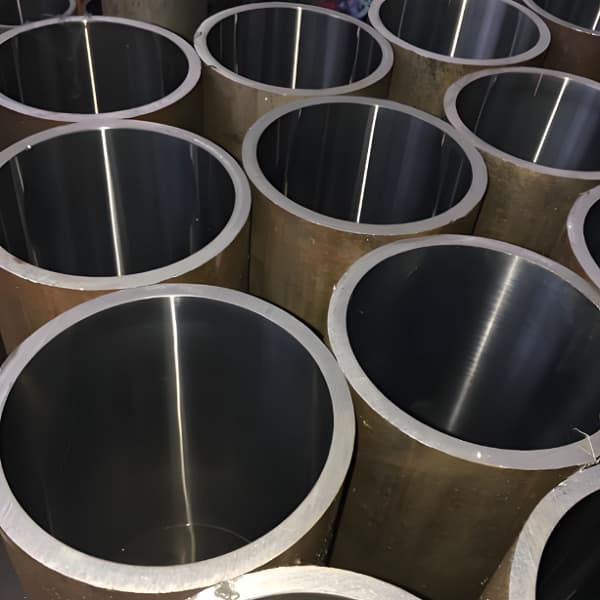
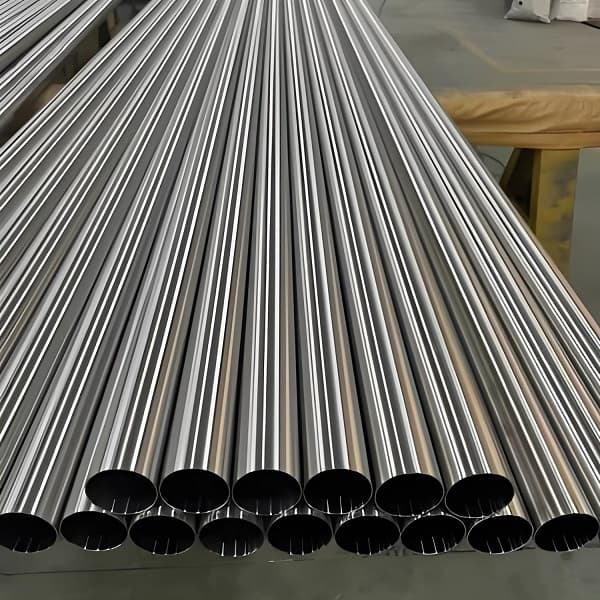
304 stainless steel is a classic chromium-nickel austenitic stainless steel. Its chemical composition typically includes: Carbon (C) ≤ 0.08%, Silicon (Si) ≤ 1.00%, Manganese (Mn) ≤ 2.00%, Chromium (Cr) 18.00-20.00%, Nickel (Ni) 8.00-10.50%, and strictly controlled levels of the harmful elements phosphorus and sulfur. This composition imparts several excellent properties:
Excellent Corrosion Resistance: 304 stainless steel is resistant to atmospheric corrosion and is resistant to attack by a wide range of chemical media. The dense passive film formed on its surface effectively prevents further oxidation, making it suitable for applications requiring high environmental hygiene, such as food processing, chemical processing, and medical applications.
Excellent Mechanical Properties: Tensile strength reaches 515-1035 MPa, conditional yield strength ≥ 205 MPa, and elongation ≥ 40%. This balance of strength and toughness enables honing tubes to withstand high operating pressures and impact loads.
Excellent Machinability: 304 stainless steel exhibits excellent hot workability in stamping, bending, and other processes, exhibits no heat-hardening, and has a wide operating temperature range (-196°C to 800°C). This facilitates the manufacturing and subsequent processing of honed tubes.
Honing is a finishing process designed to improve the dimensional accuracy, geometric precision, and surface quality of the inner surface of a tube. Although the search results do not directly describe the honing process, its core value can be understood by referring to similar precision machining techniques such as magnetic lapping:
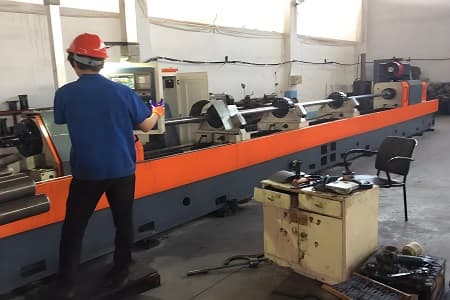
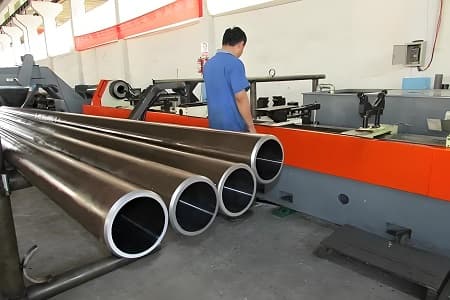
High Precision and Consistency: Through precision machining, honed tubes can achieve extremely tight dimensional tolerances and extremely high roundness and straightness requirements.
Excellent Surface Quality: Honing removes microscopic surface irregularities, achieves a specific surface roughness, reduces friction and wear, and improves lubricant retention.
Stress-Free Machining: The honing process generates minimal heat, preventing surface damage and the generation of residual stress.
Due to its excellent performance, 304 stainless steel honed tube plays an important role in several key areas:
Hydraulic and Pneumatic Systems: It is the primary material for the manufacture of hydraulic and pneumatic cylinders. Its smooth inner surface reduces friction, improving seal life and system efficiency.
Food and Beverage Processing: It meets food safety standards and is used in piping systems for conveying materials, steam, and process water, as well as in mechanical components that come into direct contact with food.
Medical Equipment: It is suitable for applications requiring extremely high surface finish and cleanliness, such as surgical instruments and medical gas pipelines.
Semiconductor Manufacturing: In ultra-high-purity fluid delivery systems, its polished inner surface effectively prevents particle deposition and microbial growth.
The manufacture of 304 stainless steel honed tube typically combines basic stainless steel tube production processes with precision honing technology:

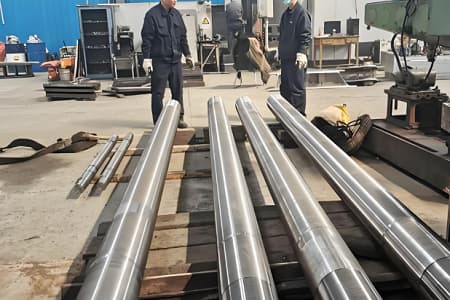
The base tube can be produced through cold drawing or cold rolling, followed by solution treatment (rapid cooling at 1010-1150°C) to relieve stress and restore material properties. Honing, as a finishing step, uses a honing head with grinding bars that rotates and reciprocates within the tube to achieve the required dimensional accuracy and surface finish. Each batch of products undergoes rigorous dimensional inspection, surface quality checks, and non-destructive testing (such as hydrostatic testing or flaw detection) to ensure it meets application requirements.
With advances in industrial technology, the performance requirements for 304 stainless steel honed tubes are continuously increasing:
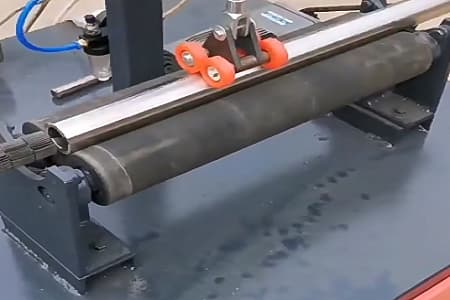
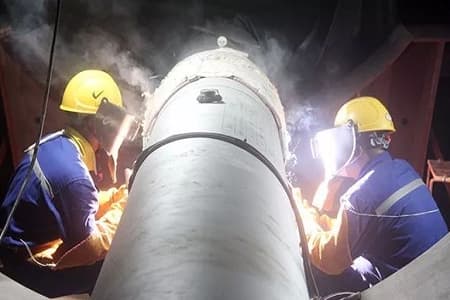
Surface treatment technology upgrades: New processes such as magnetic grinding may be introduced, enabling nanometer-level precision control (up to Ra 0.05μm mirror finish) and seamless processing of complex structures.
Smart Manufacturing and Quality Control: Integrating visual inspection systems with MES systems enables real-time monitoring of equipment status and improves product yield (reaching over 99.2%).
Green Manufacturing: Developing more environmentally friendly processing technologies, reducing energy consumption and waste emissions, and adapting to sustainable development requirements.
Although seemingly ordinary, 304 stainless steel honed tubes are essential components in many high-end equipment and precision systems. With the continuous advancement of materials science, manufacturing technology and automation, its performance will be further improved and its application areas will continue to expand. For designers and engineers, a deep understanding of the characteristics of this material and the correct selection and application are the key to improving product performance and reliability.