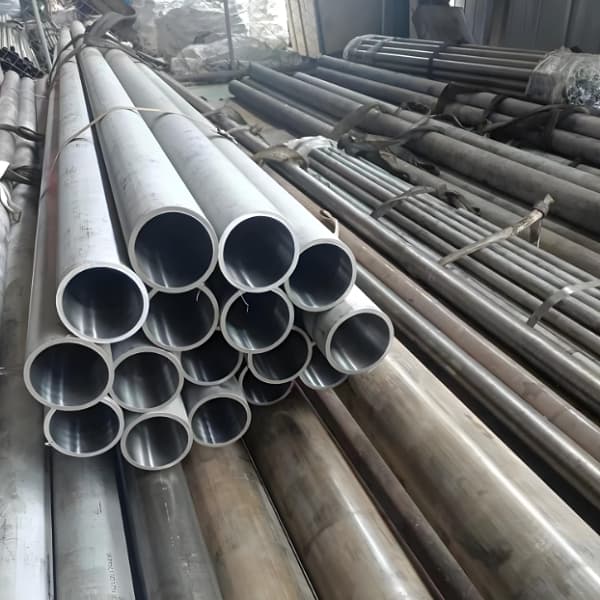
1. High-Quality Raw Materials Our raw materials are primarily sourced from renowned steel mills such as Jiangsu BOS Hydraulic Technology Co., Ltd., Baosteel, Ansteel, and Changjiang Steel Pipe.
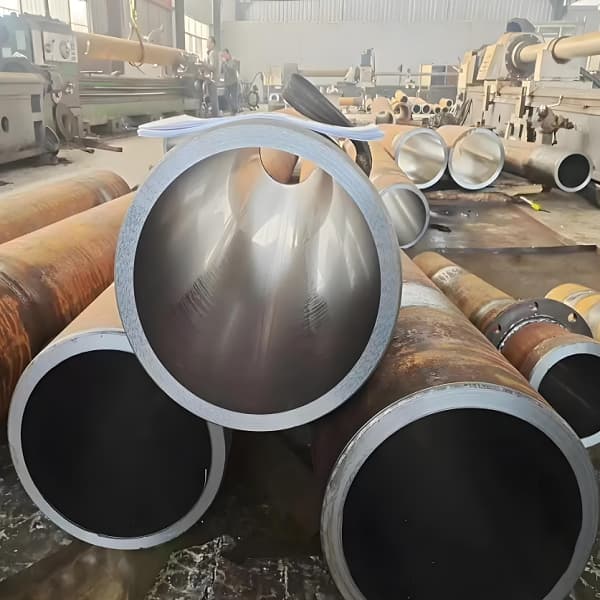
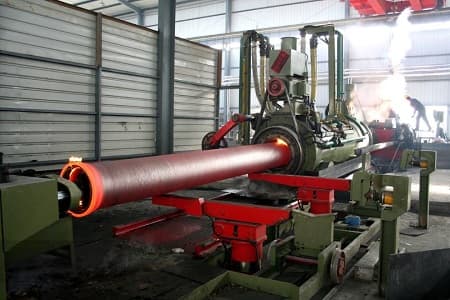
2. Advanced Production Equipment Our manufacturing facilities include cold drawing machines, honing machines, skiving and roller burnishing machines, straightening equipment,polishing machines, heat treatment furnaces, grinding machines, and more.
3. Rich production experience, strict quality control We implement a professional internal quality control system to conduct comprehensive inspections on all products.
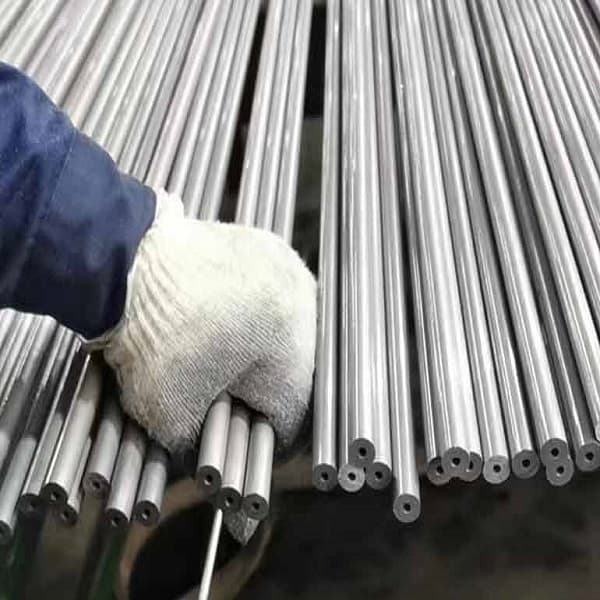
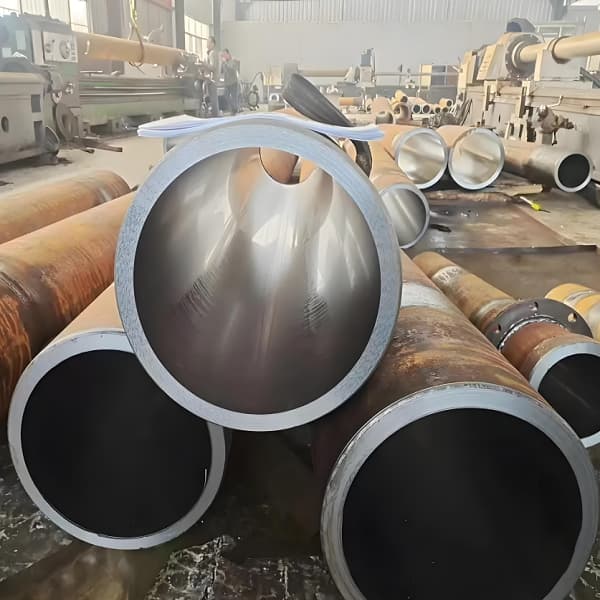
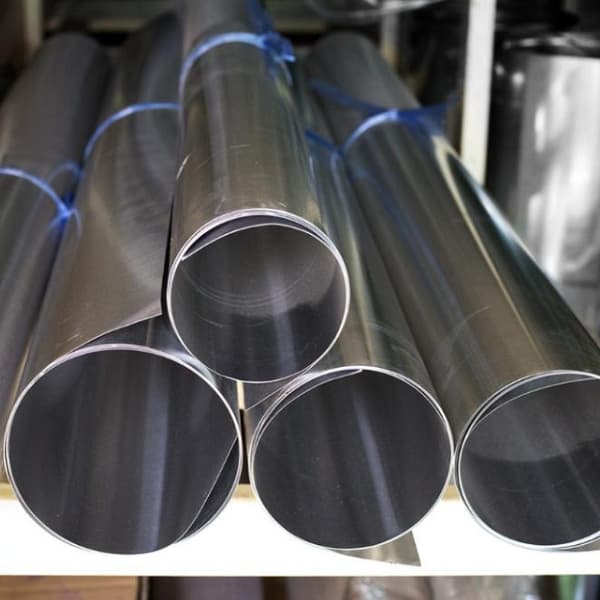
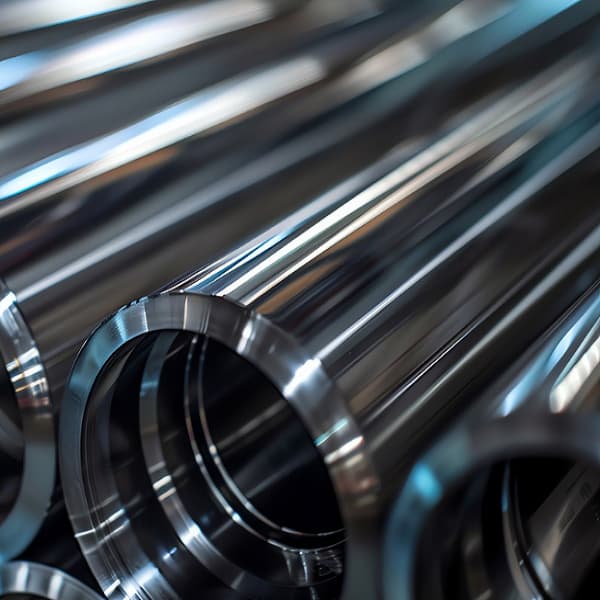
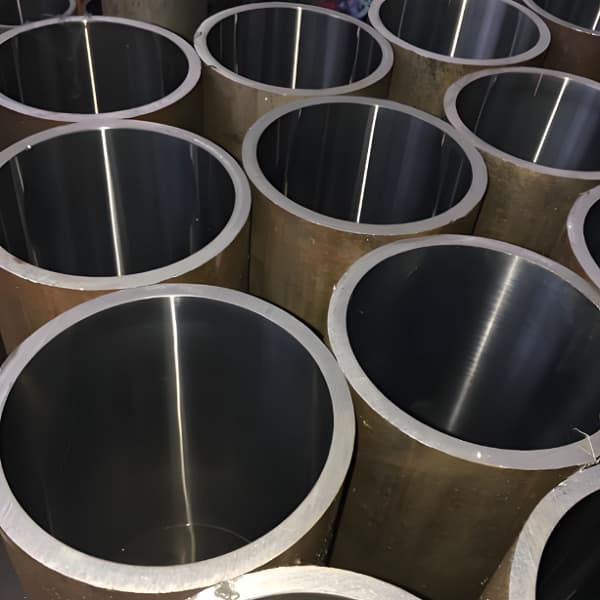
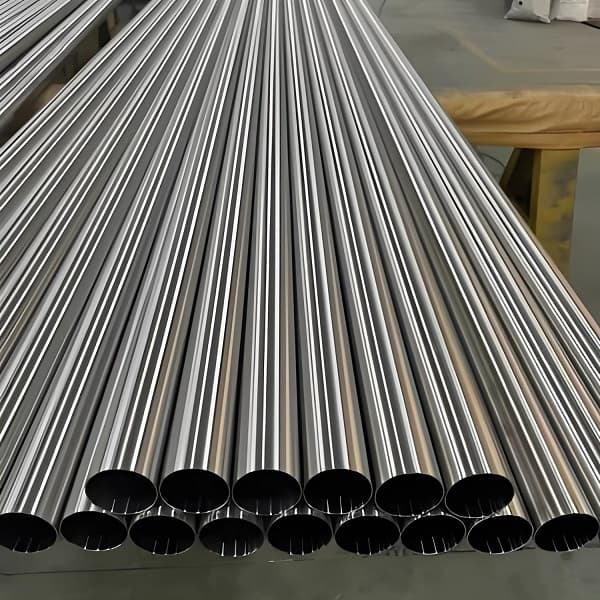
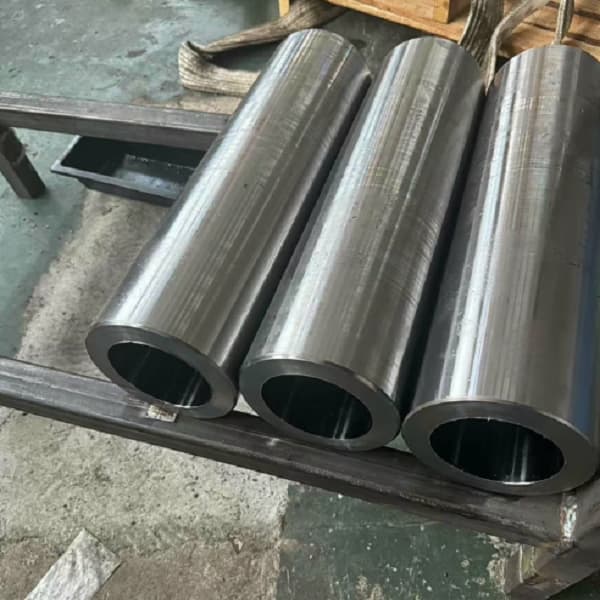
316-316L Stainless Steel Honed Tubes offer a variety of excellent properties:
First, its exceptional corrosion resistance. The addition of molybdenum significantly improves its resistance to chlorides and other corrosive media, making it suitable for use in a variety of harsh environments. This characteristic makes 316-316L Stainless Steel Honed Tubes particularly suitable for use in chemical and marine environments.
Second, its excellent mechanical properties. 316L stainless steel boasts a tensile strength of ≥515 MPa, a yield strength of ≥205 MPa, and an elongation of ≥40%. It offers exceptional strength and high-temperature resistance, maintaining excellent mechanical properties even at high temperatures and resisting deformation.
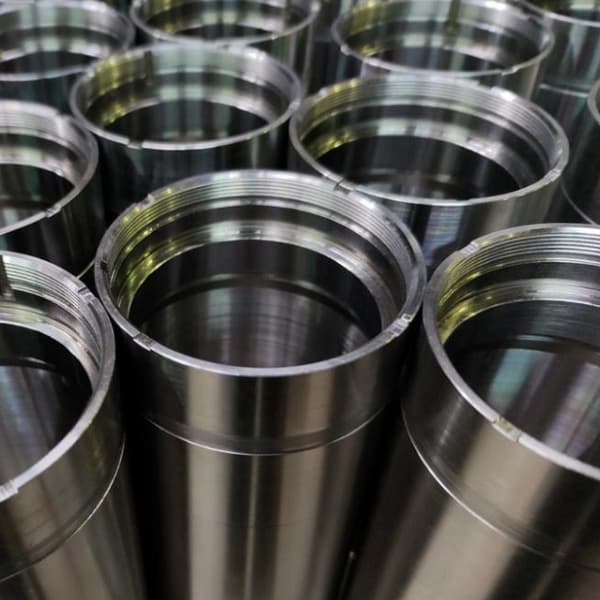
Third, its highly smooth inner surface. Honing creates an exceptionally smooth inner surface, reducing resistance to fluid flow and preventing contaminant adhesion. This is particularly important in industries with stringent hygiene requirements, such as the food and pharmaceutical industries.
316-316L Stainless-Steel Honed Tubes have a wide range of applications:
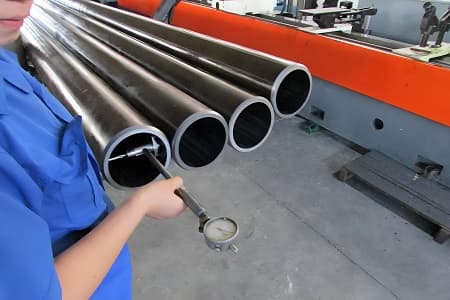
In the chemical industry, they are used in reactors and pipelines to handle corrosive media such as acids, alkalis, and saline solutions. A chemical company in Wuxi uses φ159×6mm 316L tubes to transport sodium hypochlorite solution.
In the food and pharmaceutical industries, these honed tubes are used for sterile piping and fermentation tanks, complying with GMP standards. Surface polishing to Ra ≤ 0.8μm and sanitary welding ensures compliance with stringent hygiene requirements.
In marine engineering, 316-316L Stainless-Steel Honed Tubes are used in seawater desalination equipment and ship condensers, offering resistance to chloride ion corrosion. The Lianyungang Port seawater system selected 316L instead of ordinary carbon steel, extending its service life by three times.
In the energy sector, these tubes are used in nuclear power steam generator heat transfer tubes to resist stress corrosion.
316-316L Stainless Steel Honed Tubes are also widely used in architectural decoration, furniture manufacturing, and other fields due to their smooth, fine surface and unique metallic texture.
The production of 316-316L Stainless Steel Honed Tubes combines advanced stainless steel manufacturing technology with precision honing techniques. The manufacturing process includes advanced processes such as melting, rolling, and drawing, and finally honing to achieve the required surface finish and dimensional accuracy.
Honing is a finishing process that uses a grinding stone to precisely machine the inner surface of the tube, removing minor defects and achieving excellent surface roughness and dimensional accuracy. This process ensures the consistent high quality and reliable performance of 316-316L Stainless Steel Honed Tubes.
For quality control, multiple tests are performed during the production process, including ultrasonic flaw detection and intergranular corrosion testing. Mandatory inspections typically include ultrasonic flaw detection (GB/T 5777) and intergranular corrosion testing (GB/T 4334) to ensure that each tube meets stringent quality standards.
When choosing 316-316L stainless steel honed tubes, consider several factors:
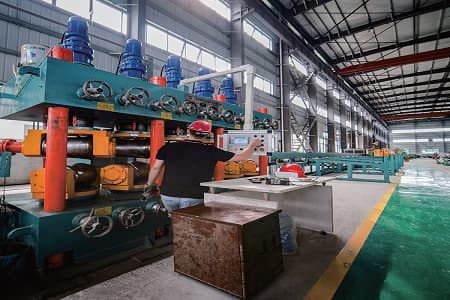
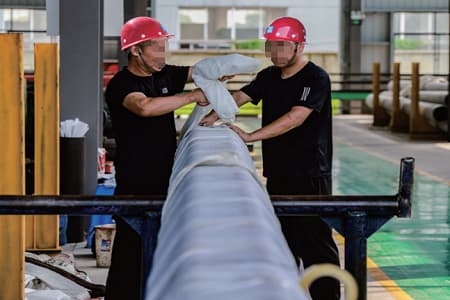
Select the appropriate wall thickness based on the pressure requirements. This should be calculated based on the pressure using the formula: S = PD / (2σt × 0.85). For high-pressure applications (PN > 16 MPa), seamless tubes are generally recommended.
Select the material based on the corrosive environment: 316L performs better in highly corrosive media (such as hydrochloric acid and seawater). However, in highly corrosive environments with Cl⁻ concentrations > 1000 ppm, a higher grade of stainless steel may be required.
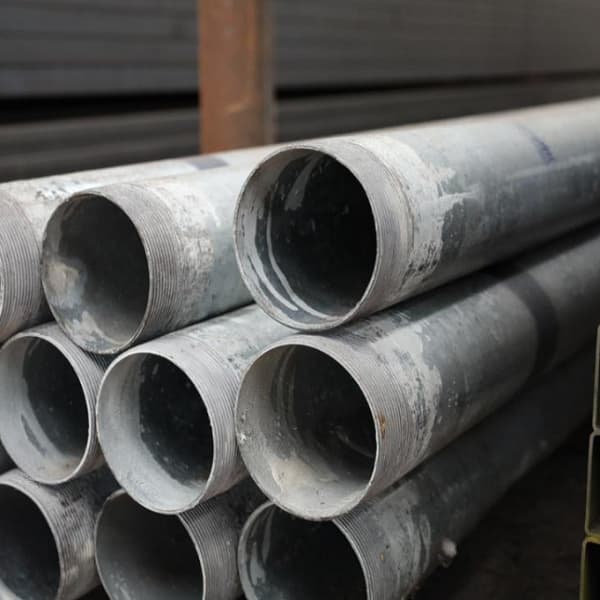
Select based on size requirements: The outer diameter typically ranges from 6-610 mm (18-325 mm is common), and the wall thickness ranges from 0.5-50 mm.
When installing and using 316-316L stainless steel honed tubes, it is necessary to adopt appropriate welding techniques (such as TIG welding), use ER316L welding wire, and avoid direct contact with carbon steel to prevent galvanic corrosion.
With the increasing requirements for material performance across various industries, market demand for 316-316L stainless steel honed tubes continues to grow. Demand for these high-precision, high-performance stainless steel tubes is particularly strong in sectors such as environmental protection, energy, and high-end manufacturing.
Wuxi and Foshan are important production bases and trading centers for 316-316L stainless steel honed tubes in China, with numerous companies specializing in the production of various specifications of 316-316L stainless steel tubes.
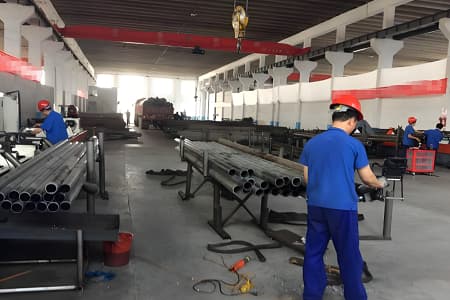
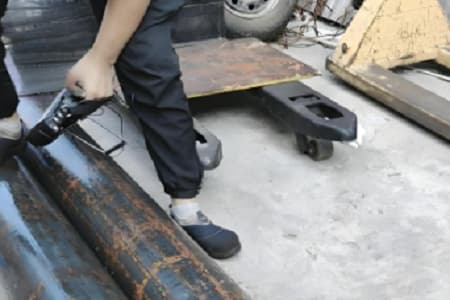
316-316L Stainless Steel Honed Tubes have become the material of choice across numerous industries due to their exceptional corrosion resistance, excellent mechanical properties, and highly precise manufacturing process. With continuous technological advancements and expanding applications, these high-performance stainless steel tubes will continue to provide reliable solutions for various industries, meeting the demands of increasingly demanding environments.