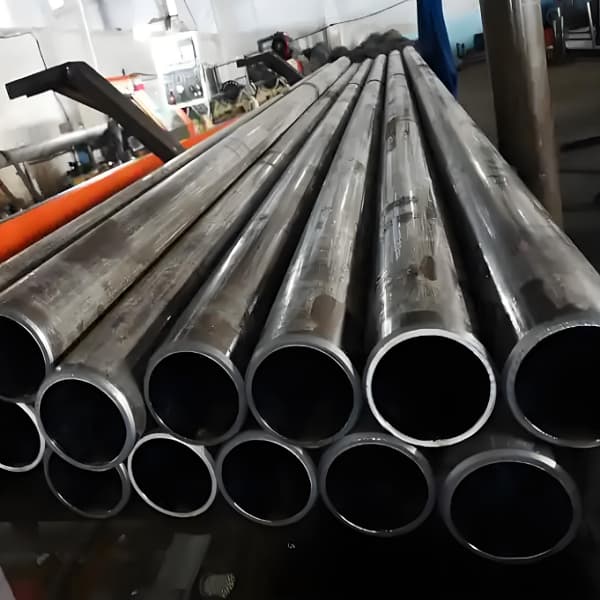
1. High-Quality Raw Materials Our raw materials are primarily sourced from renowned steel mills such as Jiangsu BOS Hydraulic Technology Co., Ltd., Baosteel, Ansteel, and Changjiang Steel Pipe.
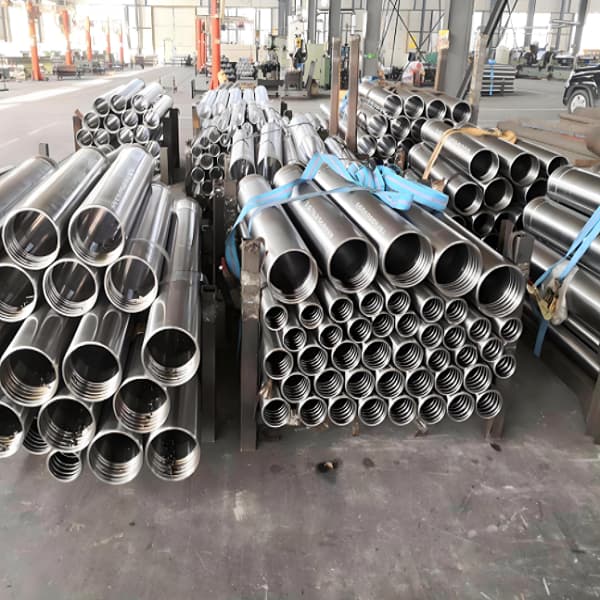
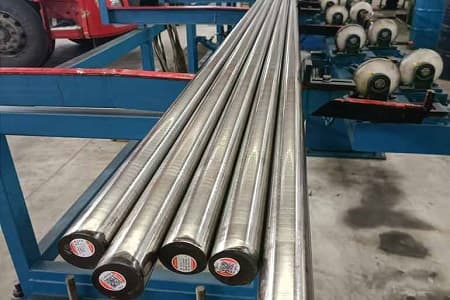
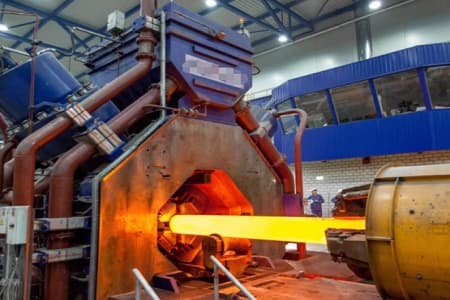
2. Advanced Production Equipment Our manufacturing facilities include cold drawing machines, honing machines, skiving and roller burnishing machines, straightening equipment,polishing machines, heat treatment furnaces, grinding machines, and more.
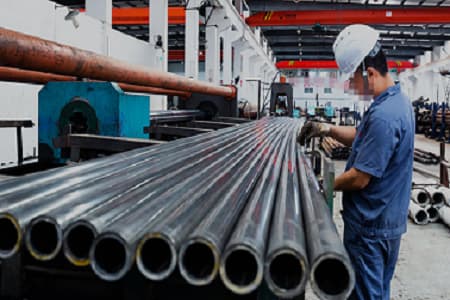
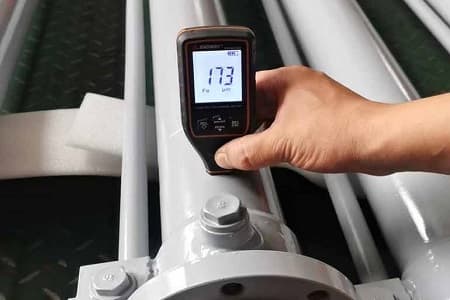
3. Rich production experience, strict quality control We implement a professional internal quality control system to conduct comprehensive inspections on all products.
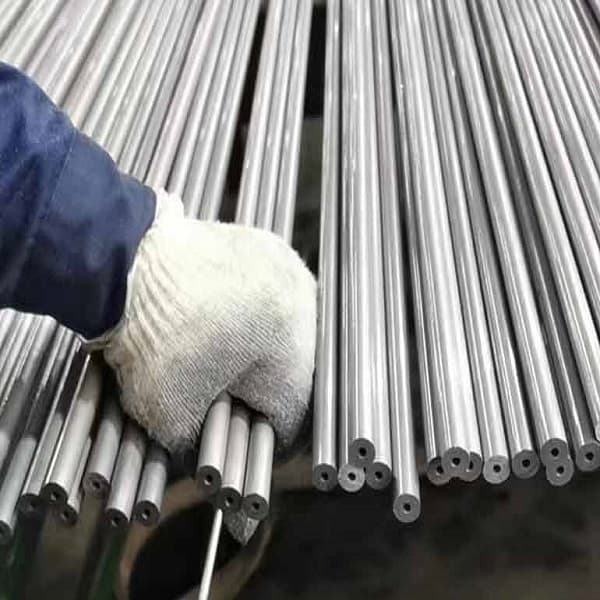
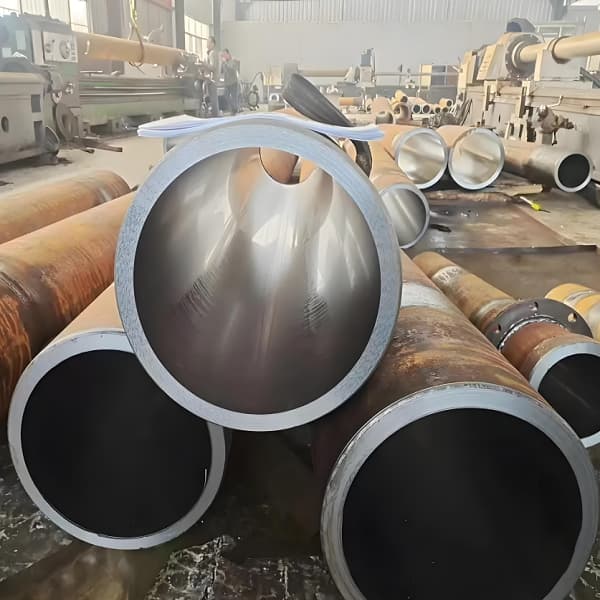
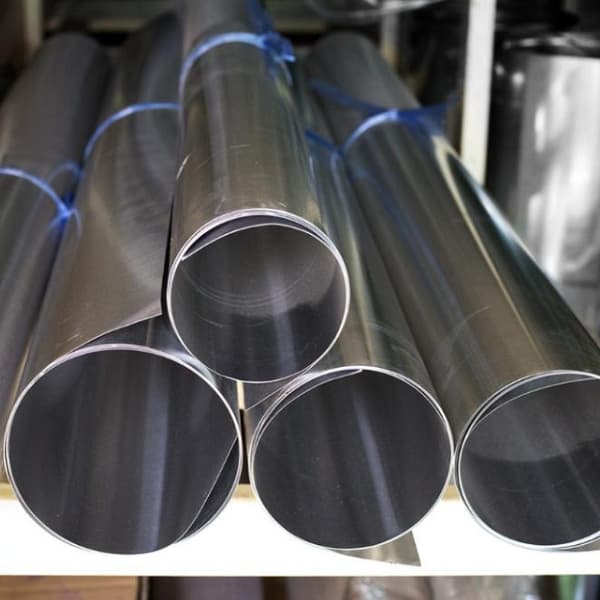

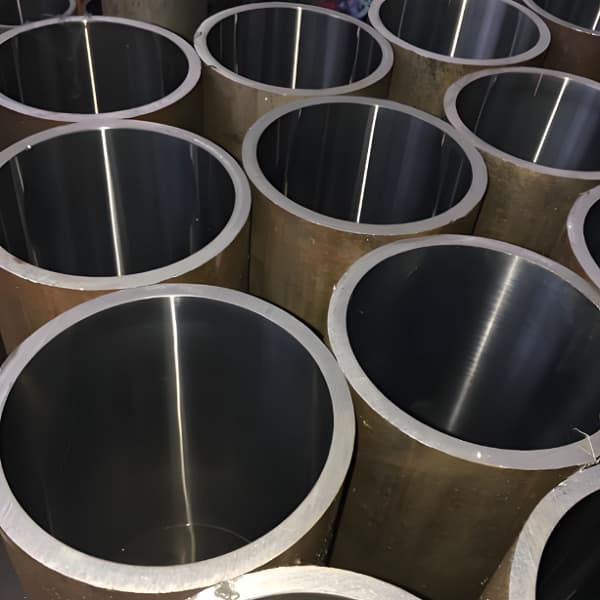
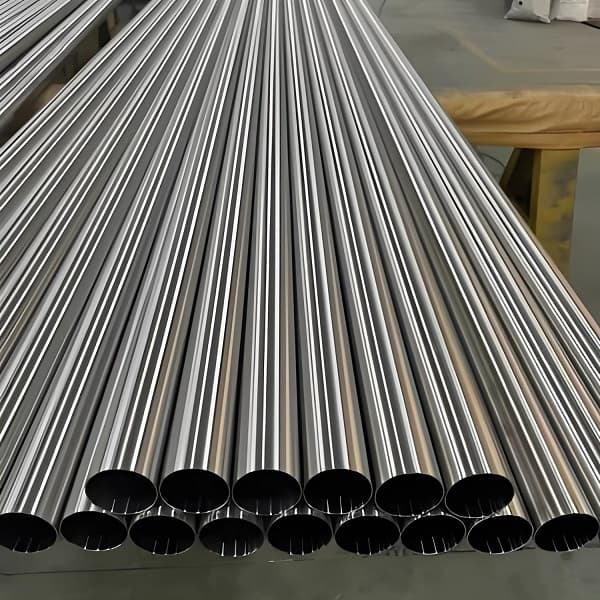
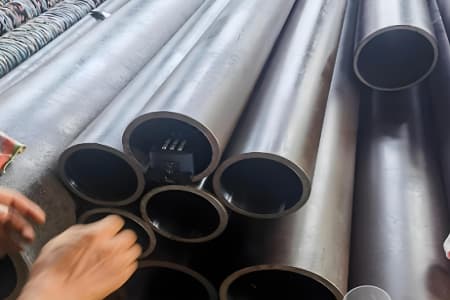
1. Sanitary Honed Tubes for Food and Beverage Processing: Ensuring Product Safety and Quality
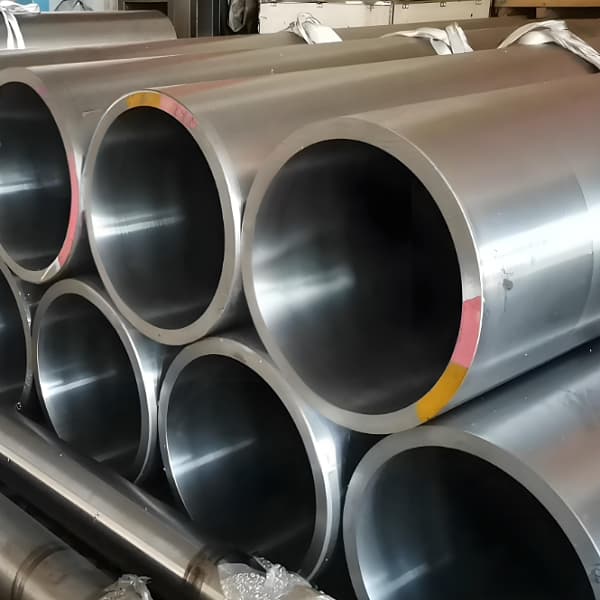
Preventing contamination is a top priority in food and beverage processing. The ultra-smooth inner surface of sanitary honed tubing (three times smoother than ordinary silicone tubing) significantly reduces the risk of particle embedment and bacterial growth. This is crucial for preserving the original flavor, color, and texture of liquid foods, especially for high-end products such as dairy, juice, alcoholic beverages, and chocolate.
Chocolate production is a prime example: chocolate is transported through pipes at temperatures of 45-50°C. Without a proper piping system, complete drainage of the pipes during production stops is impossible, leading to chocolate degradation and quality loss. Sanitary honed tubing, combined with a pigging system, can drain over 99% of the product from the pipes, significantly reducing waste and contamination risks.
2. Improving Cleaning Efficiency and Conserving Resources
The smooth inner surface of sanitary honed tubing for food and beverage processing not only prevents contaminant accumulation but also significantly improves cleaning efficiency. These pipes support CIP (clean-in-place) processes, allowing for thorough cleaning without disassembly, significantly reducing downtime and cleaning water usage. In one case, a major chocolate manufacturer implemented a product recovery system, eliminating even the need for expensive double-wall heated piping, simplifying equipment and reducing costs.
3. Compatible with Various Hygienic Connection Methods
Sanitary honed pipes are designed to work with a variety of sanitary connection systems, such as tri-clamp, threaded, and welded. These connection methods ensure the integrity and tightness of the entire piping system, preventing leaks and contamination risks. For example, SS316 stainless steel sanitary adapters seamlessly connect flexible hoses to rigid sanitary systems, providing a secure, leak-proof connection suitable for industries requiring stringent hygiene standards.
The global sanitary equipment market is experiencing significant growth. According to reports, the sanitary ball valve market size was estimated at $5.66 billion in 2023 and is projected to grow to $8.2 billion by 2032, at a compound annual growth rate of approximately 4.21%. Similarly, the food hose market was estimated at $7.63 billion in 2023 and is projected to grow to $12.2 billion by 2032, at a compound annual growth rate of approximately 5.34%. This growth reflects the growing demand for hygienic handling solutions in the food and beverage industry.
Increasingly stringent food safety regulations: Global concern for food safety has increased, and manufacturers are investing in advanced hygienic equipment that complies with these regulations.

Increasing consumer health awareness: The demand for safe, contamination-free production processes has become paramount.
Technological advancements and innovations: Innovations such as automation and digital monitoring systems have reduced the potential for human error and improved the reliability of hygienic equipment.
Increasing focus on process efficiency and energy conservation: Companies seek to optimize operations while complying with strict regulatory standards.
When selecting the right sanitary honing tube, there are several factors to consider:
Material compatibility: Selecting the appropriate material (such as SS316 or SS304 stainless steel) depends on the nature of the product being processed (acidity, fat content, particulate matter, etc.).
Surface Finish: Internal surface smoothness is a key factor, typically expressed as the Ra value (average roughness), with lower values indicating smoother surfaces.
Pressure and Temperature Requirements: Select the appropriate tubing specifications based on the operating pressure and temperature range.
Connection Methods: Ensure the tubing is compatible with existing system connection methods (e.g., Tri-Clamp, threaded, or welded).
Certifications and Compliance: Ensure the tubing meets relevant industry standards, such as FDA 21 CFR 175.300, USP Class VI, 3-A Sanitary Standards, and ISO 14644 Class 7 cleanroom production requirements.
Alcoholic and Beverage Industry: Prevent cross-contamination and reduce the risk of dissolved oxygen absorption.
Chocolate and Confectionery Industry: Ensure chocolate is transferred at a constant temperature to prevent aging and quality loss.
Dairy and Edible Oil Industry: Used in the production of fruit yogurts, curd and cream cheeses, fruit and vegetable juices, and edible oils.
Pharmaceutical and Biotechnology: Ensure the safe and sterile transfer of raw materials and finished products.
Personal Care and Cosmetics: Used in the production of shampoo, body wash, moisturizer, toothpaste, and other products.
As a critical component of food and beverage processing infrastructure, sanitary honed tubes play an irreplaceable role in ensuring product safety, improving operational efficiency, and reducing contamination risks. With increasing global demands for food safety and quality, and continued advancements in technological innovation, the technical standards and market prospects for sanitary honed tubes will continue to maintain a positive development trend.