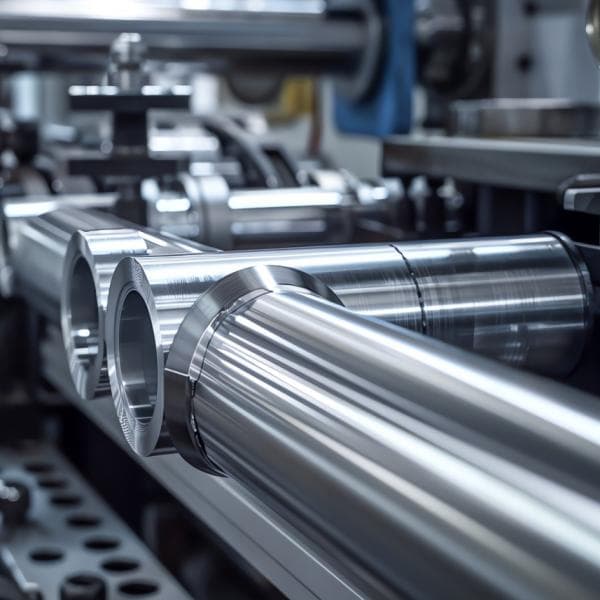
1. High-Quality Raw Materials Our raw materials are primarily sourced from renowned steel mills such as Jiangsu BOS Hydraulic Technology Co., Ltd., Baosteel, Ansteel, and Changjiang Steel Pipe.
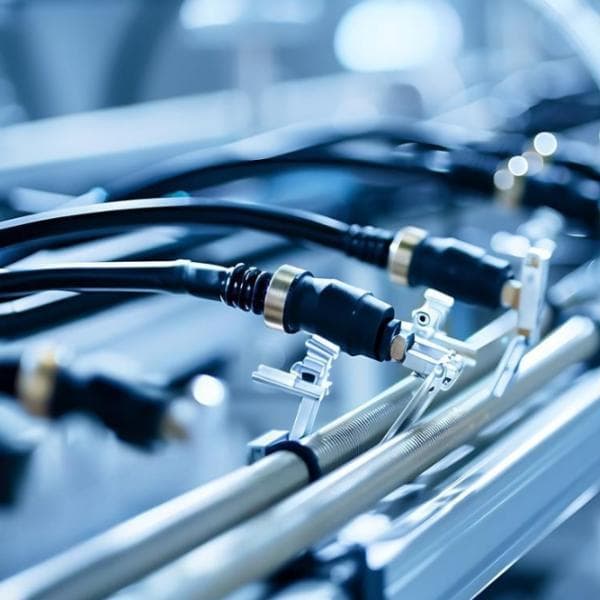
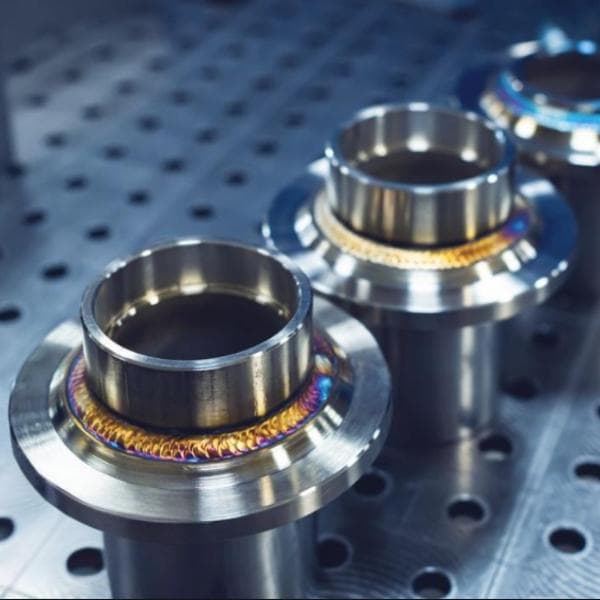
2. Advanced Production Equipment Our manufacturing facilities include cold drawing machines, honing machines, skiving and roller burnishing machines, straightening equipment,polishing machines, heat treatment furnaces, grinding machines, and more.
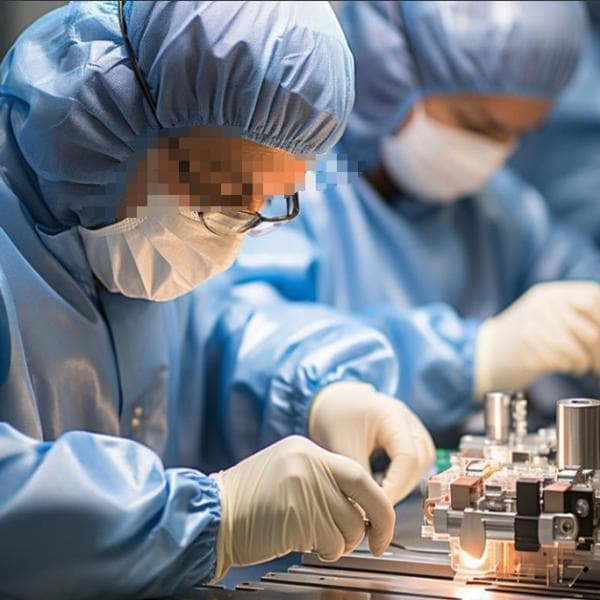
3. Rich production experience, strict quality control We implement a professional internal quality control system to conduct comprehensive inspections on all products.
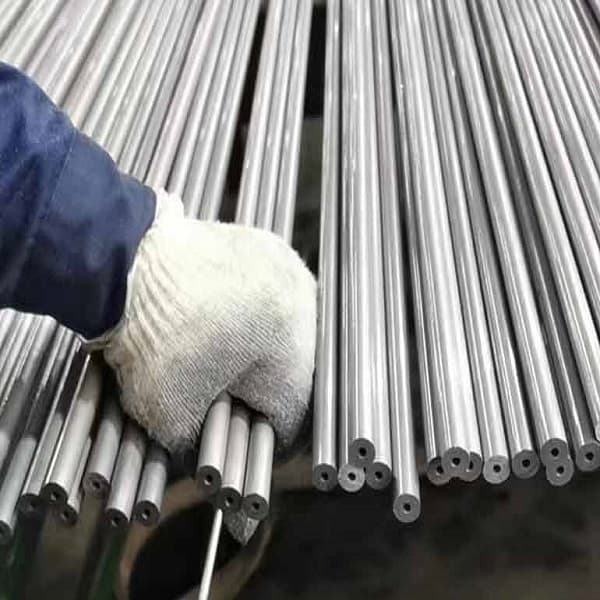
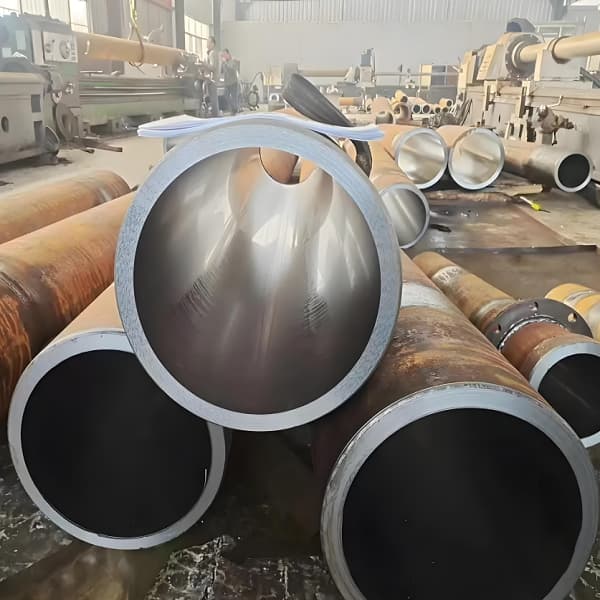
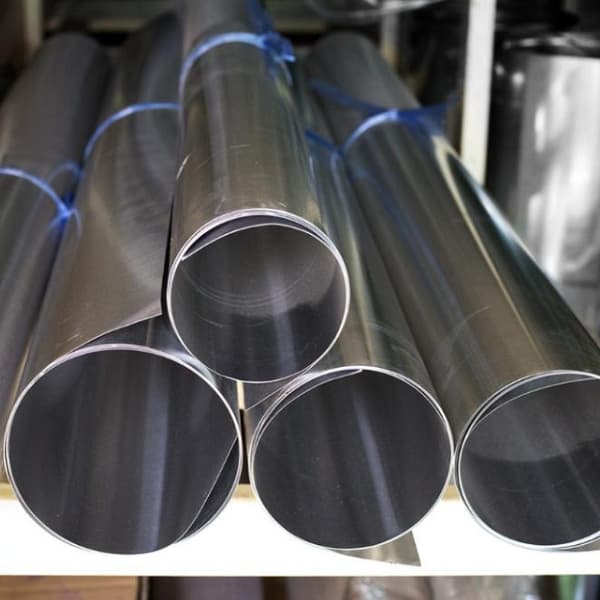
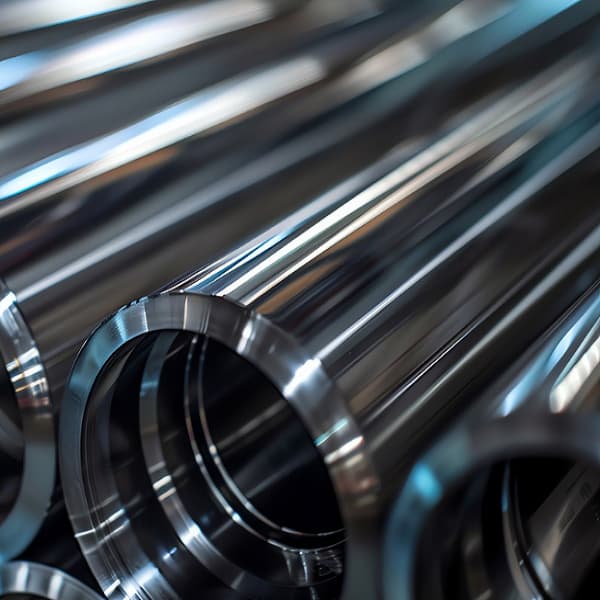
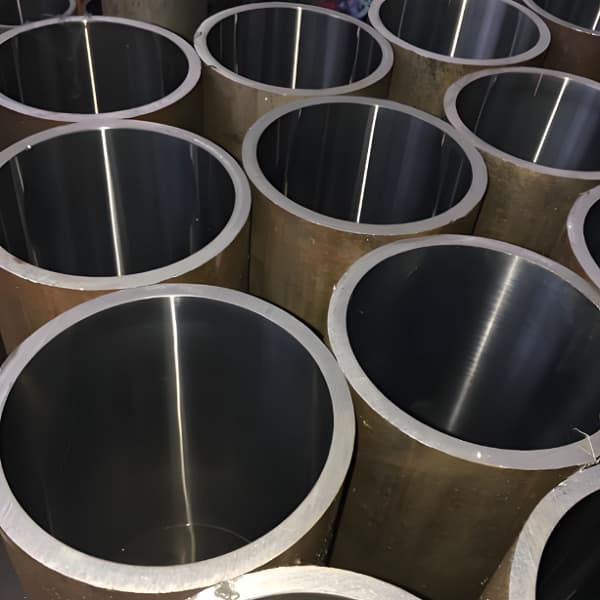
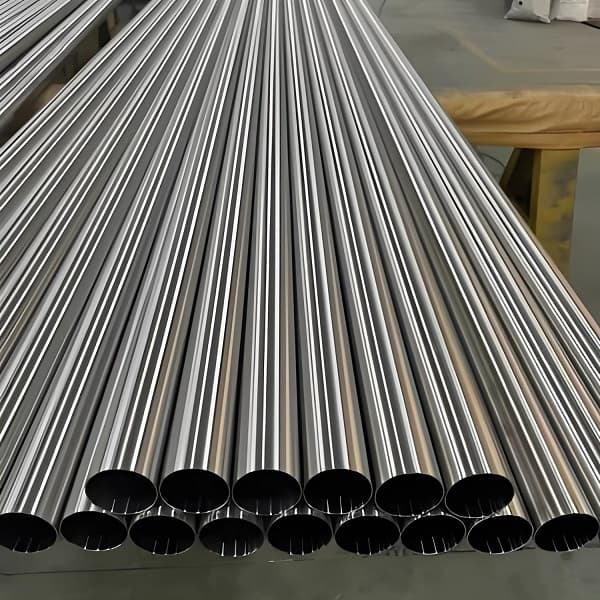
The unique nature of the medical environment necessitates that Medical Device Linear Motion Tubes meet a range of exceptional standards:
Extreme Precision and Repeatability: In applications such as CT scanners, MRI machines, and proton therapy systems, patient positioning accuracy can reach micrometers. Even the slightest deviation can result in blurred images or misdirected treatment targets. High-quality Medical Device Linear Motion Tubes ensure accurate movement every time, laying a solid foundation for reliable diagnosis and treatment.
Excellent Cleanability and Corrosion Resistance: Medical environments require frequent and rigorous disinfection and sterilization, potentially exposing them to a variety of chemical disinfectants, bodily fluids, and cleaning solutions. Therefore, these motion tubes must be manufactured from corrosion-resistant materials such as 316-grade stainless steel or special anodized aluminum alloys. Their smooth, seamless surfaces effectively resist biofilm formation and allow for easy and thorough cleaning.
Smooth, Quiet Operation: Equipment operating near patients, especially diagnostic equipment, must be as quiet as possible to provide a comfortable patient experience and reduce anxiety. Precision-manufactured Medical Device Linear Motion Tubes operate smoothly and quietly, eliminating unnecessary vibration and noise.
Excellent Reliability and Long Life: Medical equipment is often a significant investment and is required to operate continuously for years. The linear motion components within these devices must be extremely reliable, minimizing failures and downtime, ensuring the equipment functions properly whenever needed, safeguarding patient safety and the continuity of healthcare processes.
Medical Device Linear Motion Tubes have a wide range of applications, covering virtually every medical scenario requiring automated precision motion:
In X-ray, CT, and PET-CT scanners, they precisely move the scanning gantry, patient table, and treatment head, ensuring accurate and consistent image acquisition.
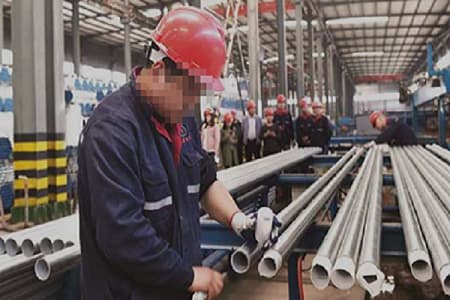
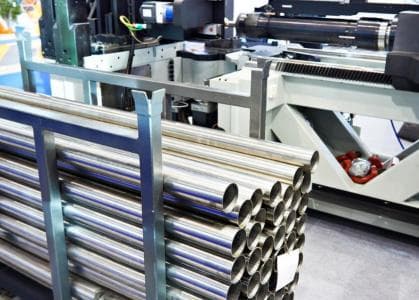
In surgical robots, these linear motion tubes are the core component of the robotic arm, guiding surgical instruments with extremely fine and stable movements, amplifying the surgeon’s skills while reducing hand tremors.
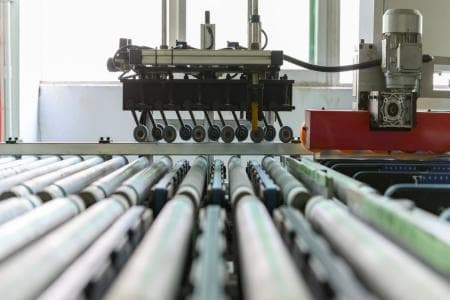
In modern laboratories, high-throughput hematology analyzers, PCR machines, and sample processing systems rely on linear motion tubes to quickly and accurately move sample plates, pipette tips, and reagent cartridges between workstations, significantly improving testing efficiency and accuracy.
In radiotherapy systems, they are used to precisely position patients and adjust radiation beams. In rehabilitation robots, they help guide patients’ limbs through repetitive training movements.
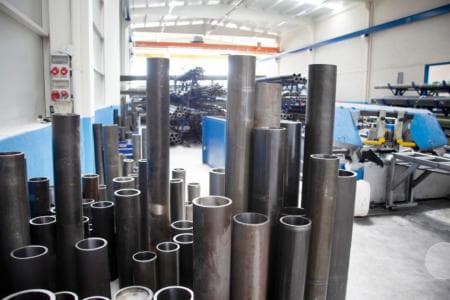
In short, medical device linear motion tubes are a small but absolutely critical element in modern medical device engineering. They seamlessly combine power, precision, and reliability, directly driving advancements in medical diagnosis and treatment. When selecting these components, manufacturers must prioritize medical-grade certifications, material compliance, and the supplier’s expertise and experience in the medical field. These precision motion systems, hidden within the equipment, silently safeguard the accuracy and safety of every scan, every surgery, and every test, making them the unspoken heroes behind precision medical technology.