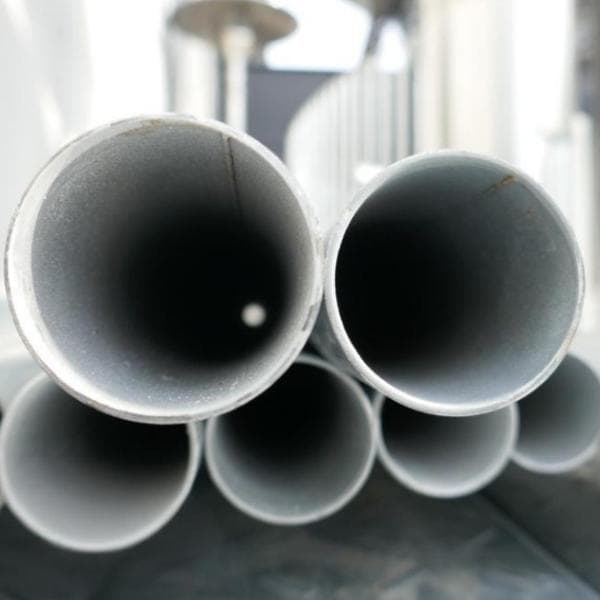
1. High-Quality Raw Materials Our raw materials are primarily sourced from renowned steel mills such as Jiangsu BOS Hydraulic Technology Co., Ltd., Baosteel, Ansteel, and Changjiang Steel Pipe.
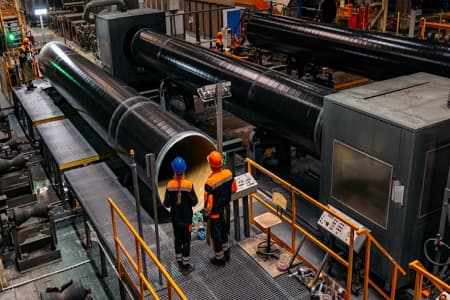
2. Advanced Production Equipment Our manufacturing facilities include cold drawing machines, honing machines, skiving and roller burnishing machines, straightening equipment,polishing machines, heat treatment furnaces, grinding machines, and more.
3. Rich production experience, strict quality control We implement a professional internal quality control system to conduct comprehensive inspections on all products.
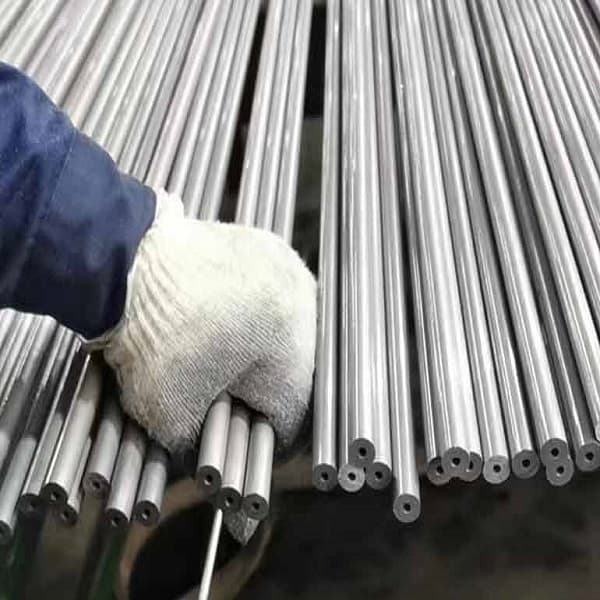
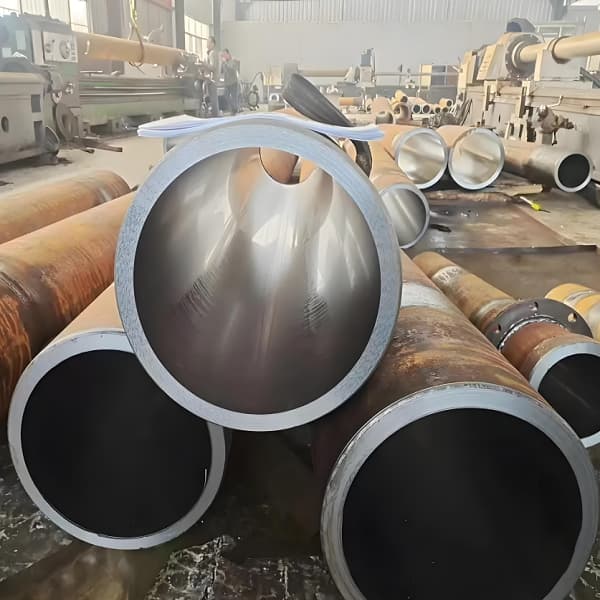
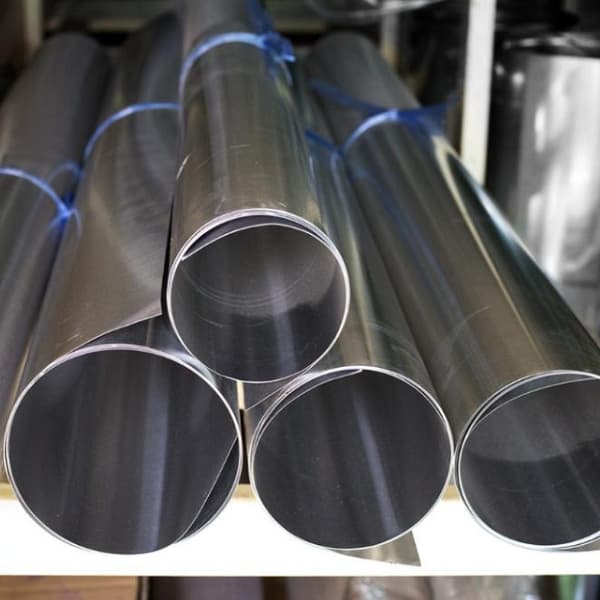
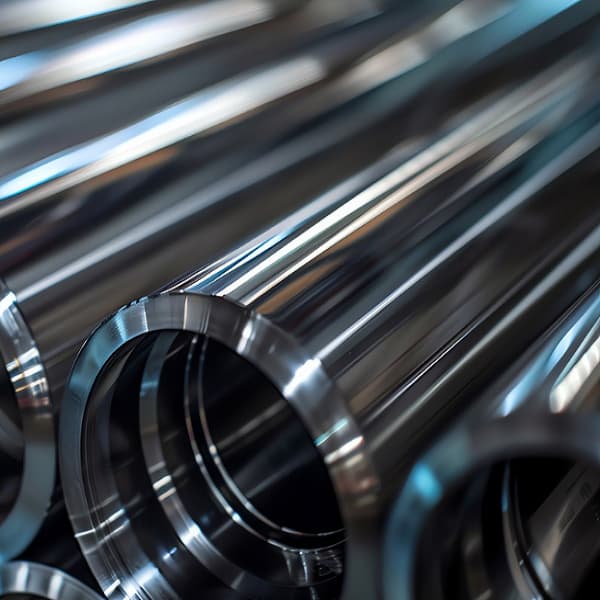
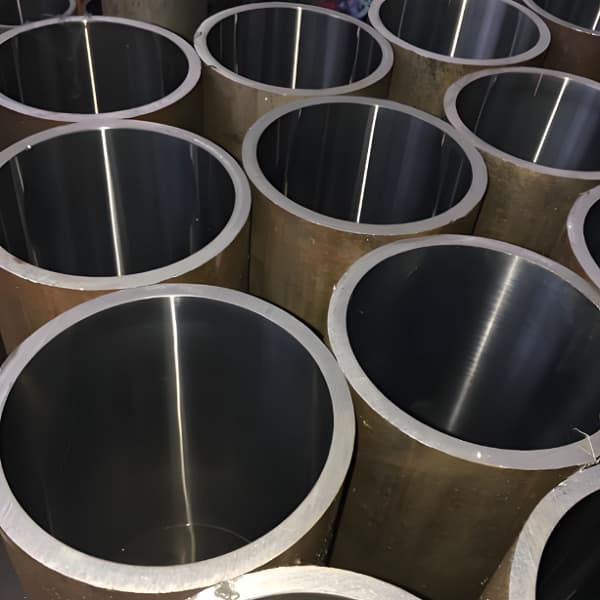
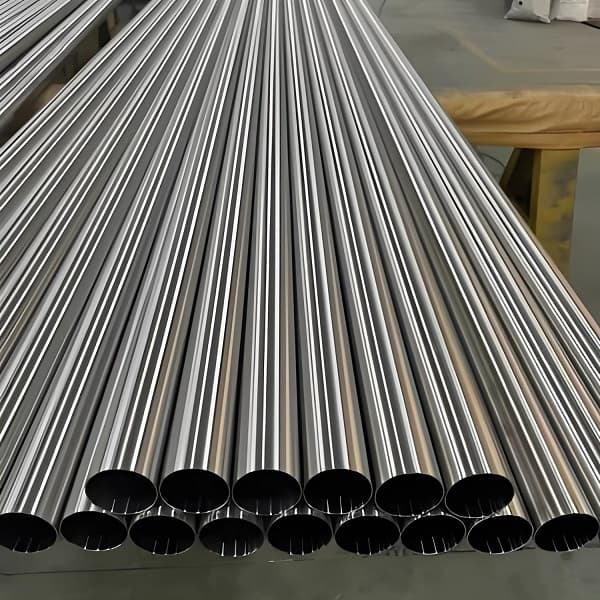
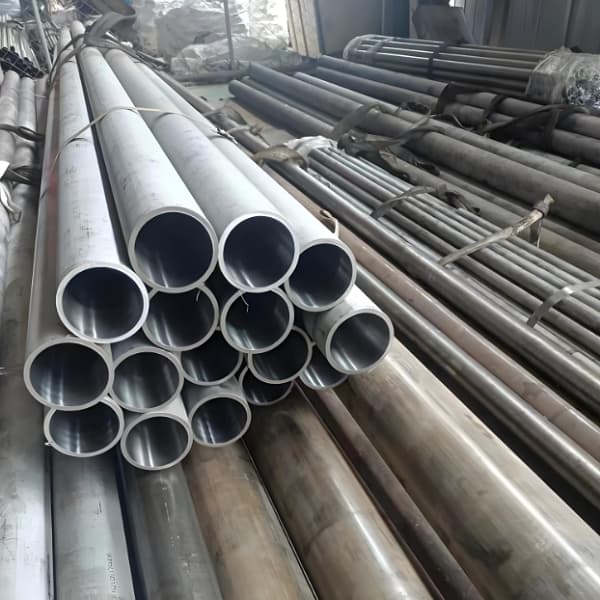
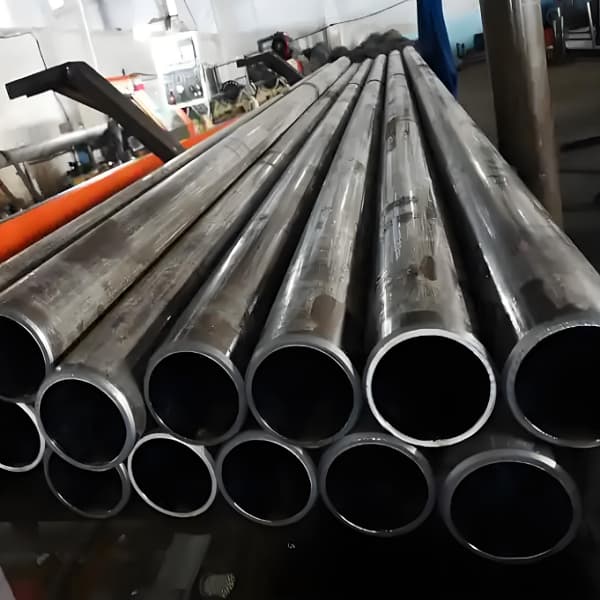
As the name suggests, Salt Spray Resistant Honed Tubes (316/316L) are precision hydraulic cylinders specifically designed for use in highly corrosive environments, offering exceptional salt spray resistance. The "(316/316L)" in their name directly identifies their core material: austenitic stainless steel 316 or 316L. These tubes not only inherit all the advantages of precision honed tubes, such as high dimensional accuracy, superb surface finish, and excellent wear resistance, but also possess exceptional corrosion resistance inherent to their material.
They are the lifeline of hydraulic systems in specialized industries such as ship steering gear, offshore platform equipment, chemical process machinery, coastal wind turbines, and the food and pharmaceutical industries, ensuring that hydraulic actuators maintain robust power and precision even in salt spray-permeated environments.
Key Features:
Salt Spray Corrosion Resistance:
316 and 316L stainless steel offer exceptional corrosion resistance in high salt spray environments, offering long-term resistance to oxidation, rust, and chemical attack.
Smooth Interior:
The honed interior provides a low coefficient of friction, reducing frictional losses between the piston and the tube wall.
High Strength and Toughness:
316/316L stainless steel offers excellent mechanical properties and can withstand high-pressure operating environments.
High Durability:
Extremely stable in harsh environments, offering a long service life and low maintenance costs.
The core advantages of Salt Spray Resistant Honed Tubes stem from the exceptional properties of 316 and 316L stainless steel:
316 stainless steel is an austenitic stainless steel. The addition of 2% to 3% molybdenum (Mo) significantly enhances its resistance to pitting and crevice corrosion, making it particularly effective in salty environments.

316L is a low-carbon version of 316 stainless steel, offering improved weldability and corrosion resistance. Due to its low carbon content, 316L does not exhibit intergranular corrosion after welding, making it ideal for components that require welding or are exposed to long-term highly corrosive environments.
Salt spray corrosion resistance: Ensures the tubing will remain rust-free in marine environments or exposure to salty chemicals.
High-temperature resistance: Able to maintain stable performance in environments with temperatures up to 870°C.
High strength and toughness: Exceptional performance under high pressure and high loads.
Non-magnetic: Suitable for specific industrial applications sensitive to magnetism.
Why are 316/316L stainless steels ideal for salt spray corrosion resistance?
The key advantage of 316 stainless steel and its low-carbon variant, 316L, over standard 304 stainless steel lies in the addition of molybdenum (Mo). This alloying element significantly enhances the stainless steel’s resistance to pitting and crevice corrosion in chloride environments, such as salt spray.
The key role of molybdenum (Mo): Molybdenum forms a more stable and dense passive film on the stainless steel surface, effectively blocking the penetration and attack of chloride ions, thereby preventing surface pitting corrosion (pitting). Pitting corrosion is one of the main forms of structural failure in salt spray environments.
The advantage of low carbon content (316L): The “L” in 316L stands for low carbon, and its upper limit of carbon content is lower than that of 316. The lower carbon content significantly reduces the risk of chromium carbide precipitation at grain boundaries during welding and heat treatment, effectively preventing intergranular corrosion and ensuring excellent corrosion resistance in welded joints and heat-affected zones.
Thus, Salt Spray Resistant Honed Tubes (316/316L) made from these materials are inherently resistant to a variety of corrosive media, including salt spray, seawater, and chemicals.
Manufacturing and Core Properties of Salt Spray Resistant Honed Tubes (316/316L)
Manufacturing high-quality Salt Spray Resistant Honed Tubes (316/316L) is a technological challenge, as it requires maintaining the excellent corrosion resistance of stainless steel while achieving the mechanical and geometric properties required for hydraulic cylinders.
Material Selection and Metallurgy: 316/316L stainless steel seamless tubes are strictly selected in accordance with ASTM A269 or similar standards to ensure accurate chemical composition, particularly regarding the molybdenum, chromium, and nickel content.
Precision Cold Drawing and Heat Treatment: The cold drawing process improves dimensional accuracy and mechanical properties. Solution heat treatment is then used to eliminate processing stresses, restore the material’s corrosion resistance, and fully dissolve carbides.
Precision Honing: This is a critical step in achieving its core functionality. The honing process creates a mirror-smooth surface with a specific crosshatch pattern on the inner wall of 316/316L steel tubes. This not only reduces friction and wear, but also creates a microscopically smooth surface that is less conducive to the adhesion of chloride ions and corrosive substances, further enhancing corrosion resistance.
Cleaning and Packaging: Completed tubes must be rigorously cleaned and dried to remove all processing residues. Moisture-proof packaging is then used to prevent contamination and rust during transportation and storage.
Select 316 or 316L material based on the specific application scenario. If the equipment requires welding or long-term exposure to salt spray, it is recommended to choose 316L, a more corrosion-resistant grade.
Ensure that the inner diameter, outer diameter, and wall thickness of the tubing meet design requirements to avoid equipment failure due to dimensional mismatch.
Select tubing with a precision-honed inner wall for a smooth surface finish free of scratches or blemishes to ensure efficient operation of the hydraulic system.
Select a certified manufacturer or supplier to ensure that their products comply with international standards (such as ASTM and ISO) and offer quality assurance.
With the continuous advancement of industrial technology, the production and application of Salt Spray Resistant Honed Tubes (316/316L) will become more widespread:
New Environmentally Friendly Processes: Utilize more environmentally friendly pickling and passivation processes to reduce environmental impact.
Lightweight Design: Developing lighter yet stronger materials improves equipment energy efficiency.
Customization: We offer customized specifications and surface treatments to meet diverse application scenarios.
Salt spray resistant honed tubes (316/316L) have become an irreplaceable component in the marine industry, chemical equipment, hydraulic systems, and other fields due to their superior salt spray corrosion resistance, high-precision finish, and excellent mechanical properties.