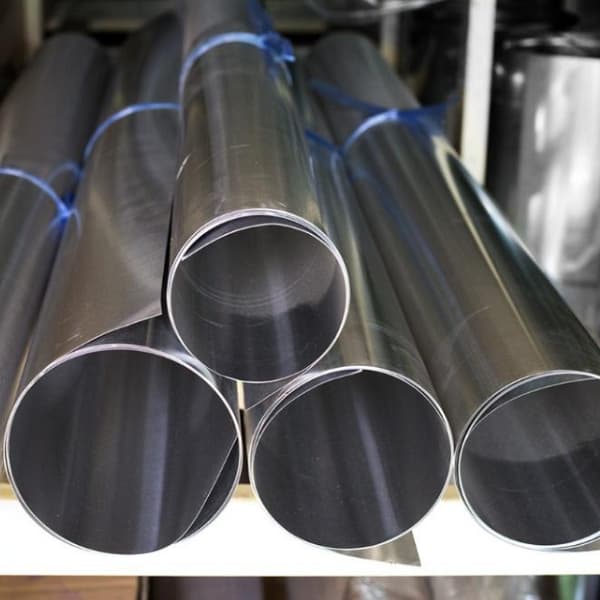
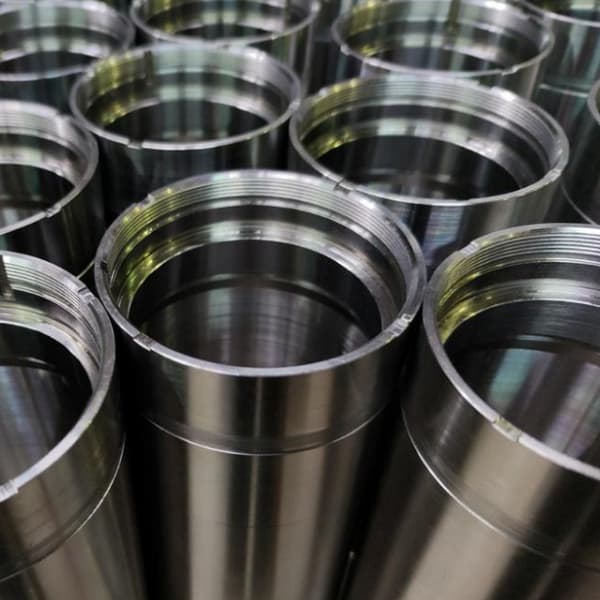
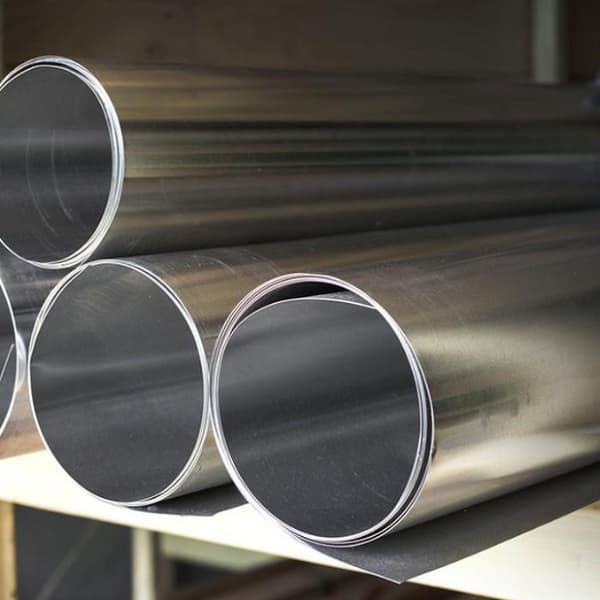
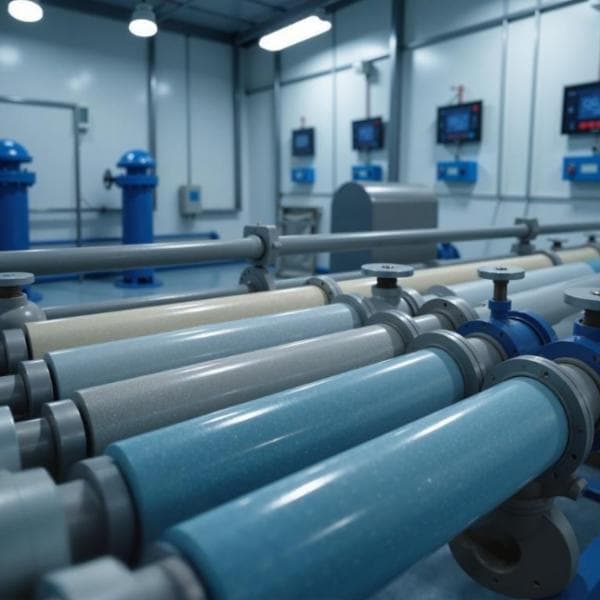
1. High-Quality Raw Materials Our raw materials are primarily sourced from renowned steel mills such as Jiangsu BOS Hydraulic Technology Co., Ltd., Baosteel, Ansteel, and Changjiang Steel Pipe.
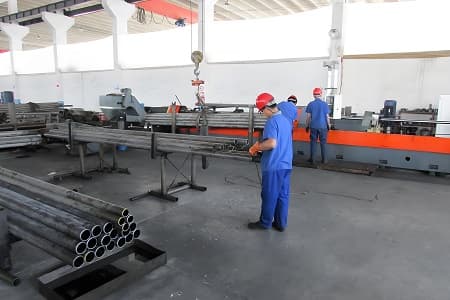
2. Advanced Production Equipment Our manufacturing facilities include cold drawing machines, honing machines, skiving and roller burnishing machines, straightening equipment,polishing machines, heat treatment furnaces, grinding machines, and more.
3. Rich production experience, strict quality control We implement a professional internal quality control system to conduct comprehensive inspections on all products.
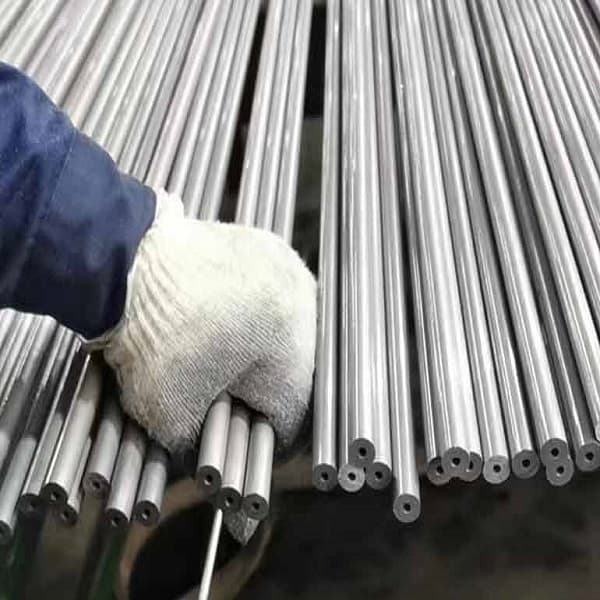
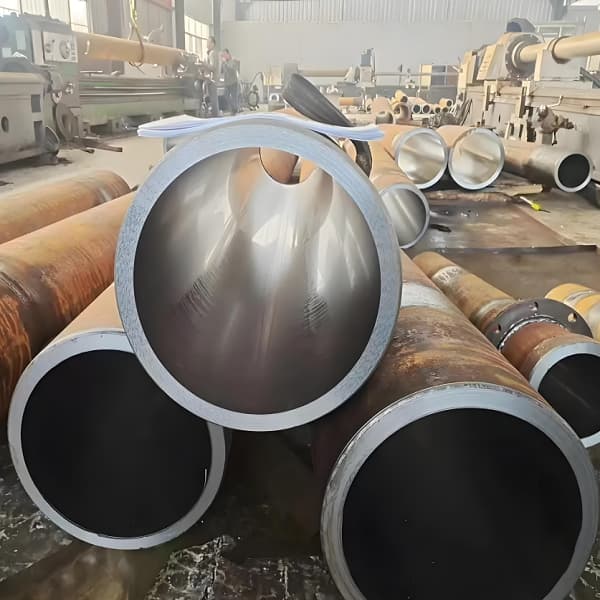
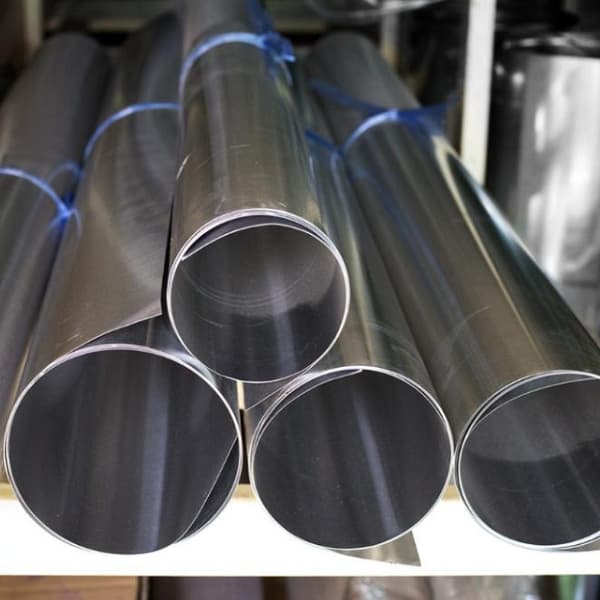
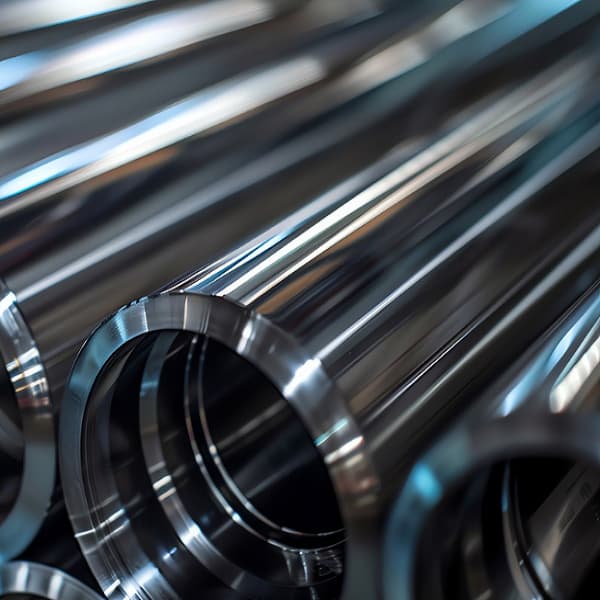
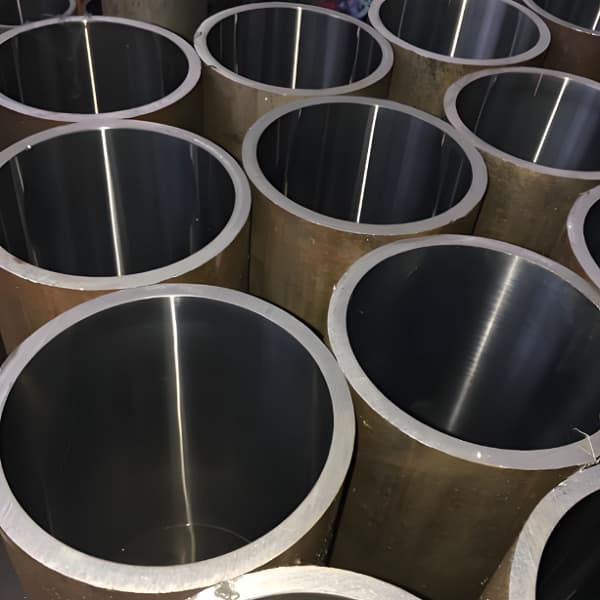
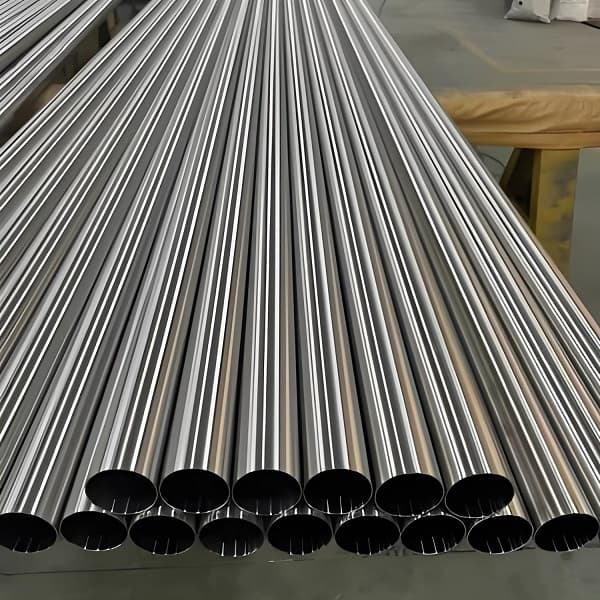
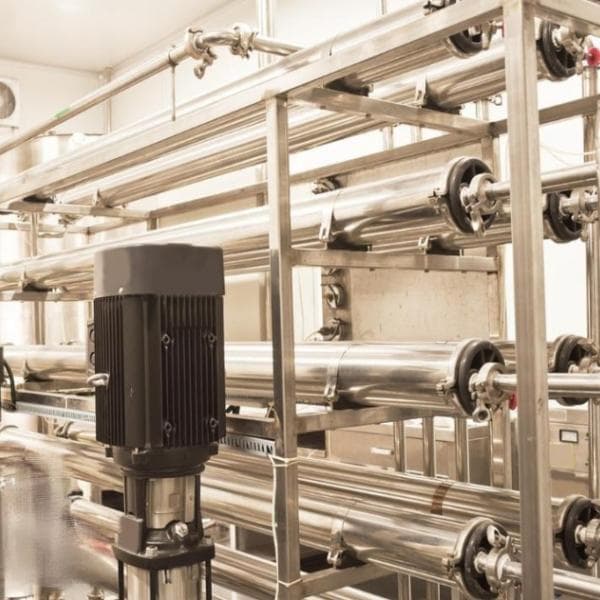
Chip manufacturing involves depositing, etching, and patterning nanoscale circuit patterns on silicon wafers. Even micrometer sized dust particles or tiny organic molecules can damage the entire circuit structure, leading to chip failures. Therefore, wafer fabs must maintain ISO Class 1 or higher cleanroom standards. But the clean room environment is just the beginning. Within the equipment, pipeline systems used to transport critical process media such as ultra-high purity specialty gases, ultrapure water, chemical liquids, and slurries must meet higher cleanliness requirements. Any particle precipitation, metal ion contamination, or adsorption of gas-phase molecules from the pipeline is unacceptable. That's why semiconductor equipment ultra clean tubes are irreplaceable.
Extremely High Intrinsic Cleanliness: Tubes undergo rigorous cleaning and packaging processes before shipment, ensuring their inner surfaces are free of any particulate contaminants, metallic impurities, and organic residues. Advanced processes such as electropolishing are often used to achieve an extremely smooth inner surface, minimizing the potential for particle adsorption and precipitation.
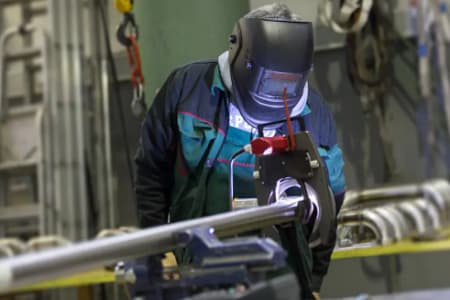
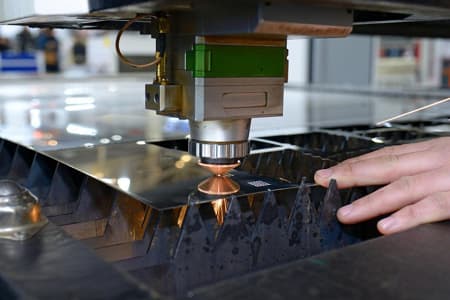
Excellent Chemical Compatibility: Semiconductor processing uses a wide variety of chemicals, including highly corrosive acids and bases, as well as highly reactive specialty gases. Therefore, Semiconductor Equipment Ultra-Clean Tubes must be made of high-purity, inert materials such as 316L VAR (vacuum arc remelted) stainless steel, high-purity PTFE (polytetrafluoroethylene), or PFA (perfluoroalkoxyalkane) to ensure they do not react with the media during transport and introduce new contaminants.
Extremely low gas permeability and outgassing rates: Specialty gas delivery systems require extremely low permeability to prevent atmospheric oxygen and moisture from penetrating the piping. Furthermore, the piping material itself must not outgas any volatile organic compounds (VOCs), which could interfere with the chemical reactions of the deposition or etching processes.
Excellent mechanical stability and sealing: Piping systems must operate stably under high-purity gas pressures, and all joints must be absolutely sealed. Even the slightest leak can lead to the intrusion of external contaminants and the loss of process gas, resulting in significant economic losses and safety risks.
Semiconductor Equipment Ultra-Clean Tubes are used throughout the entire chip manufacturing process:
Wafer manufacturing front-end: Used to transport ultra-high-purity specialty gases such as silane (SiH4), phosphine (PH3), and borane (B2H6) in equipment such as diffusion, chemical vapor deposition (CVD), and atomic layer deposition (ALD).
Photolithography: Used to deliver ultrapure water and various photolithography chemicals in photoresist coating and development equipment.
Etching and Cleaning: Used to deliver etching gases in dry etching equipment and chemicals such as sulfuric acid and hydrogen peroxide in wet cleaning stations.
Chemical Mechanical Polishing (CMP): Used to deliver slurry used to planarize wafer surfaces.
Any fluid path that comes into contact with process media requires specially designed and treated semiconductor equipment ultra-clean tubing.
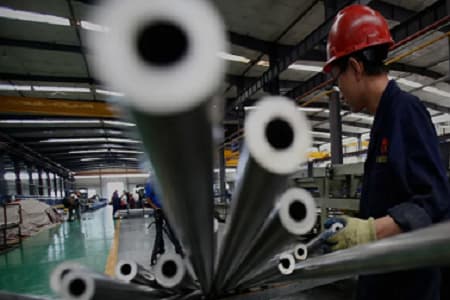
As chip technology nodes continue to shrink to 5nm, 3nm, and even smaller, the demand for contamination control is increasing exponentially. Selecting high-quality, highly reliable semiconductor equipment ultra-clean tubing is no longer optional; it is a necessity to ensure production yield, reduce downtime risks, and ultimately achieve economic benefits.